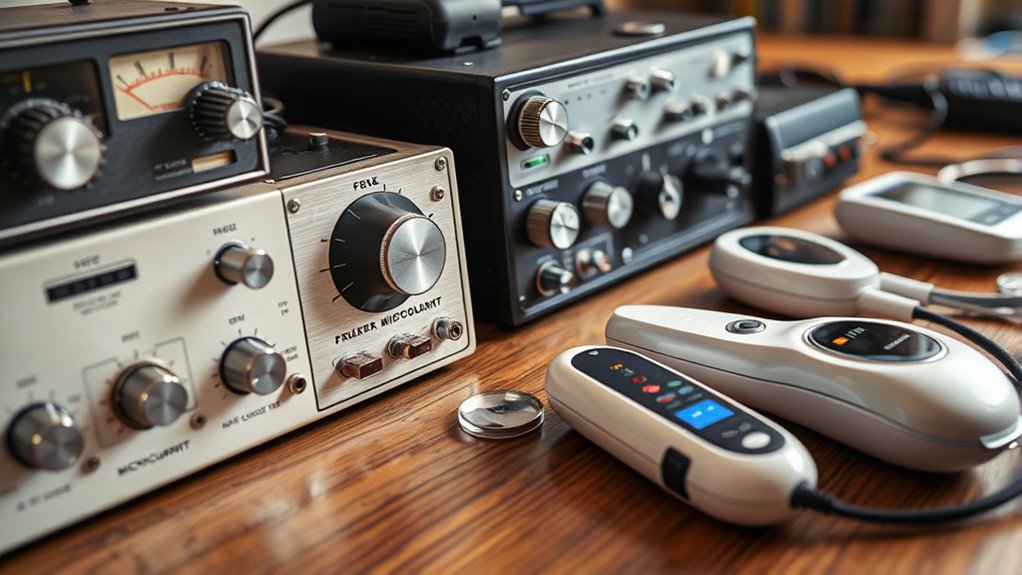

Microcurrent therapy began in the early 20th century when researchers explored using low-level electrical currents to promote healing and reduce pain. Over time, devices became more precise, portable, and digital, expanding applications from wound care to cosmetic treatments like skin rejuvenation. Technological advances improved safety and effectiveness, making microcurrent therapy popular in physical therapy and beauty industries. If you look further, you’ll discover how ongoing innovations continue to shape its future uses.
Key Takeaways
- Microcurrent therapy originated in the early 20th century, initially used for wound healing and pain relief through bioelectricity.
- It evolved from simple devices to sophisticated tools, expanding into various medical and cosmetic applications.
- Technological advancements led to smaller, more precise, and safer devices with adjustable treatment parameters.
- The integration of digital and portable technologies enhanced accessibility and usability outside clinical settings.
- Today, microcurrent therapy is widely used in physical therapy, dermatology, and cosmetic procedures to promote tissue regeneration and skin rejuvenation.
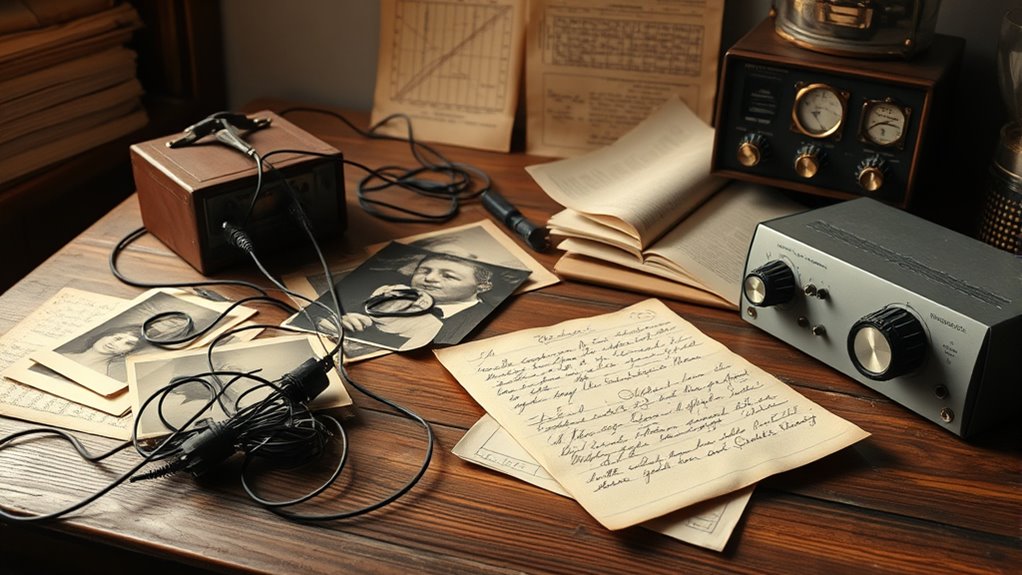
Microcurrent therapy has a fascinating history that dates back to the early 20th century when researchers first explored the use of low-level electrical currents to promote healing. Back then, scientists observed that small electrical signals could stimulate tissue repair and reduce pain, laying the groundwork for modern applications. Over the decades, these early experiments evolved into more structured clinical applications, especially as understanding of bioelectricity advanced. Initially, practitioners used simple devices to treat wounds and manage pain, but as knowledge grew, so did the scope of microcurrent therapy. Today, it’s employed in a range of fields including physical therapy, dermatology, and cosmetic medicine, helping to accelerate tissue regeneration, reduce inflammation, and improve skin appearance. Material safety has become a key consideration in selecting devices and ensuring effective treatment outcomes.
One of the key drivers of this evolution has been technological advancements. Early devices were bulky, primitive, and often imprecise, making consistent therapeutic outcomes difficult to achieve. As electronics became more sophisticated, engineers developed smaller, more reliable microcurrent devices that could deliver precise electrical impulses. These advancements allowed clinicians to fine-tune treatment parameters, making therapies safer and more effective. The integration of digital technology also enabled better control over current intensity, frequency, and duration, tailoring treatments to individual patient needs. This progress has opened new avenues for research and expanded the clinical applications of microcurrent therapy, moving it from experimental treatments to mainstream practice.
Furthermore, technological innovations have improved the portability and usability of microcurrent devices. Modern units are compact, user-friendly, and often incorporate programmable settings, allowing practitioners and even patients to administer treatments with greater convenience. This shift has led to increased popularity, especially in cosmetic procedures like anti-aging and skin rejuvenation, where microcurrent therapy is credited with stimulating collagen production and improving skin tone. Continuous research and development are fueling further innovations, such as combining microcurrents with other modalities like LED therapy or ultrasound, broadening the scope of clinical applications.
Frequently Asked Questions
How Does Microcurrent Therapy Compare to Other Electrotherapy Methods?
Microcurrent therapy typically offers more precise electrode placement and shorter treatment durations compared to other electrotherapy methods. You’ll notice it’s gentler on your skin and tissues, making it suitable for delicate areas. While traditional electrotherapy might use higher currents and longer sessions, microcurrent focuses on subtle electrical signals to promote healing and reduce pain efficiently, making it a preferred choice for targeted, comfortable treatments.
Are There Any Risks or Side Effects Associated With Microcurrent Therapy?
You should know that microcurrent therapy generally has minimal risks, but potential adverse effects like skin irritation or discomfort can happen. Contraindications include pregnancy, pacemakers, or active infections, so you need to take precautions. Always consult a healthcare professional before starting, especially if you have underlying health conditions. Being aware of these precautions helps ensure safe and effective treatment, minimizing any possible side effects.
What Are the Most Recent Technological Advancements in Microcurrent Devices?
Ever wonder how microcurrent devices are evolving? Today, you’ll find wearable devices that seamlessly fit into your routine, offering convenient, on-the-go treatments. AI integration enhances these devices by tailoring therapy to your specific needs, improving results. These advancements make microcurrent therapy more accessible and effective, allowing you to experience personalized skincare or pain relief anytime, anywhere. Isn’t it exciting how technology brings innovation right to your fingertips?
How Widely Is Microcurrent Therapy Accepted in Mainstream Medicine?
You’ll find microcurrent therapy gaining acceptance in mainstream medicine, especially as more practitioners receive specialized training. Insurance coverage varies, with some providers covering treatments for specific conditions, making it more accessible. Despite growing recognition, it’s not yet universally integrated into standard care. Your best bet is to check with your healthcare provider and insurer to understand coverage options and guarantee your practitioner is properly trained to deliver effective microcurrent therapy.
Can Microcurrent Therapy Be Used for Mental Health or Neurological Conditions?
Imagine plugging into the Matrix—microcurrent therapy might support mental health and neurological conditions. While research is limited, some believe it could enhance neuroplasticity potential and aid mood regulation techniques. You could explore its use for anxiety, depression, or nerve injury. However, consult your healthcare provider first, as microcurrent therapy isn’t yet widely accepted as a mainstream treatment for these conditions and should complement, not replace, professional care.
Conclusion
So, here you are, now a mini expert on microcurrent therapy’s rollercoaster ride through history. From ancient shenanigans to modern-day gadgets, it’s basically the “fountain of youth” everyone’s been dreaming of—minus the magic. Who knew tiny electrical currents could have such a dramatic story? Next time you see someone zapping their face or muscles, just remember: they’re officially part of a centuries-old, slightly quirky quest to beat aging. Science, huh?