
TL;DR
Fit&Well published a five-move Pilates routine that works the legs and glutes without squats. The sequence uses body weight, can be done at home and calls for two rounds of 8 to 12 repetitions per side; ankle weights are optional, according to the report.
Fit&Well has published a five-move Pilates leg workout for people who want a lower-body routine without squats, offering instructions for exercises that can be done at home with body weight. The sequence calls for two rounds of 8 to 12 repetitions per side and includes glute, hamstring and side-leg movements, according to the report.

Get wellness gear delivered free with Prime
- Fast, free delivery on millions of items
- Prime Video, Amazon Music and more included
- Member-only deals all year
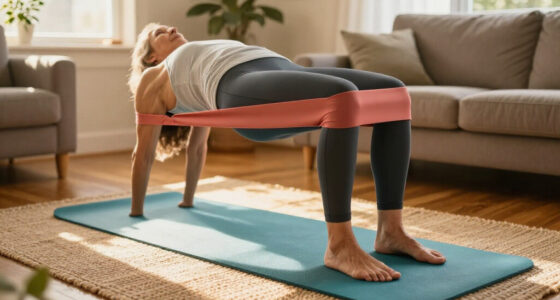
The workout, attributed to Lottie Anderson, a Pilates instructor and founder of London studio Bondi Rise, consists of horse kicks, rainbow kicks, hamstring extensions, kneeling lifts and lowers, and kneeling side kicks. Each exercise starts from a hands-and-knees position; the final two movements use a supported kneeling side-plank position. The report recommends completing the stated repetitions on one side before switching.
For the horse kick, lift a straight leg behind the body to about hip height, then lower it. The rainbow kick follows a similar setup but sweeps the raised leg in an arc across to tap the floor on the opposite side, then back to the starting side. In the hamstring extension, bend the knee to draw the heel toward the glutes before straightening the leg again. Anderson says the thigh should remain lifted during that movement.
For the kneeling lift and lower, turn into a supported side position, extend the upper leg and raise and lower it. In the kneeling side kick, extend that leg in line with the hips, draw the knee toward the chest and straighten it again. The report says Anderson uses ankle weights to make the movements harder, but describes them as optional; the exercises can be done without added resistance.
A Squat-Free Route to Leg Training
The routine gives readers a specific alternative to squat-based exercise if squats are uncomfortable or impractical for them. Fit&Well cites tight hamstrings, limited ankle mobility, balance difficulties and tender joints as possible reasons some people cannot squat comfortably. The sequence instead uses floor-based and kneeling movements, with the hands or one knee providing support in several exercises.
That does not establish that this workout is suitable for every person with pain or mobility limitations, or that it will produce a particular result. Anderson’s comments explain the practical role of leg strength: she says legs support daily activities such as getting up and down, carrying a child and climbing stairs. She also highlights the glutes’ role in pelvic stability and movement. These are her explanations, not evidence in the report that this routine prevents injury or treats pain.
Products Worth Considering

BowFlex Results Series SelectTech Adjustable Dumbbells (Pair)

BowFlex Results Series 552 SelectTech Adjustable Dumbbell

Garmin Forerunner 165 Running Smartwatch 43mm Whitestone
As an affiliate, we earn on qualifying purchases.
Why the Routine Avoids Squats
Squats are commonly used in lower-body workouts, but the Fit&Well report says that mobility, balance or joint discomfort can make them difficult for some people. Its response is not a claim that squats should be avoided generally; it offers a different set of movements for readers seeking a squat-free option.
Anderson says the workout targets the glutes and hamstrings, while some moves also require the core to help keep the body stable. She describes the horse kick as engaging the glutes and hamstrings, with the core working to maintain stability. The source provides exercise instructions and a suggested repetition range, but it does not present a clinical study, measured outcomes or a comparison with squat training.
“Your legs carry you through everything.”
— Lottie Anderson, Pilates instructor and founder of Bondi Rise, as quoted by Fit&Well
Limits of the Published Guidance
The report does not state when the article was published, how long the full routine takes, or whether Anderson or Fit&Well tested it with people who have specific injuries or mobility conditions. It also does not provide evidence that the five moves deliver the same training effects as squats, or specify a progression plan beyond the optional use of ankle weights.
Readers’ ability to perform the kneeling and side-support positions may vary. The source does not give detailed modifications for discomfort, pregnancy, recovery from injury or other health circumstances. The routine should not be treated as medical advice; anyone with persistent pain, a health condition or uncertainty about whether the movements are appropriate can seek guidance from a qualified health or exercise professional. Stop if an exercise causes pain.
How Readers Can Use the Sequence
Fit&Well’s instructions provide the immediate next step: perform two rounds of 8 to 12 repetitions on each side for all five exercises, using body weight or adding ankle weights only if desired and appropriate. The report does not set a weekly schedule or prescribe a warm-up, so it does not establish how often readers should repeat the session.
For anyone trying the sequence, careful setup matters: keep the wrists beneath the shoulders and knees beneath the hips in the starting position, and follow the instructions to keep the hips or waist stable where specified. The source offers no follow-up findings or announced update, so any claims about results, safety across different populations or a recommended progression remain unsettled.
Key Questions
What are the five exercises in the workout?
The sequence includes horse kicks, rainbow kicks, hamstring extensions, kneeling lifts and lowers, and kneeling side kicks, according to Fit&Well.
How many repetitions should I do?
The report recommends two rounds of 8 to 12 repetitions per side for each exercise.
Do I need ankle weights?
No. Anderson uses ankle weights to increase resistance, but the report says the routine can be done without them.
Is the routine suitable if squats hurt?
The sequence is presented as a squat-free alternative, but the report does not establish that it is appropriate for every cause of pain or mobility difficulty. If you have persistent pain or a health condition, ask a qualified professional for guidance and stop any movement that causes pain.
Source: fitandwell.com