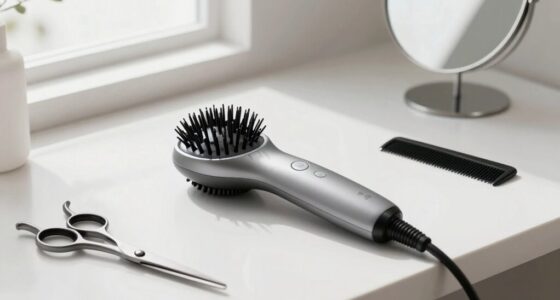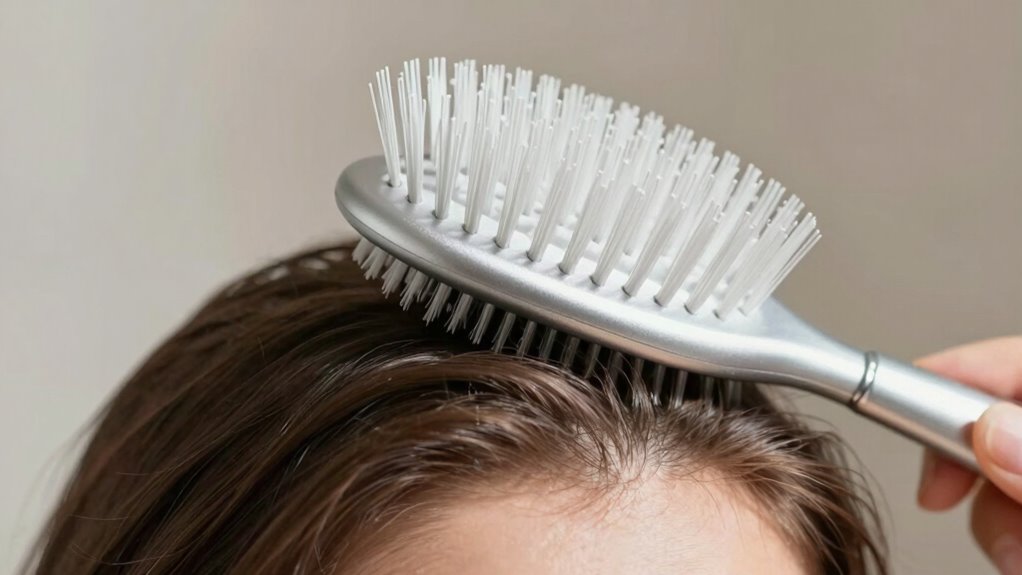

If you have fine hair, choosing gentle scalp tools is key to avoiding damage and promoting healthy growth. Look for soft-bristled brushes or massagers with adjustable settings that gently stimulate your scalp without overburdening roots. Proper use helps distribute natural oils, control buildup, and prevent greasy look, supporting your hair’s volume and vibrancy. When used correctly, these tools protect delicate strands and keep your scalp balanced. Keep exploring to uncover more tips for ideal scalp care.

Get wellness gear delivered free with Prime
- Fast, free delivery on millions of items
- Prime Video, Amazon Music and more included
- Member-only deals all year
Key Takeaways
- Use gentle, soft-bristled scalp tools to avoid damaging fragile fine hair strands.
- Opt for tools with adjustable settings for personalized, gentle stimulation.
- Avoid aggressive scrubbing; instead, use light circular motions to promote blood flow and scalp health.
- Proper scalp stimulation helps distribute natural oils evenly, reducing greasiness and buildup.
- Regular, gentle massage supports hair volume and prevents thinning without over-stimulating oil production.

If you have fine hair, choosing the right scalp tools can make a significant difference in maintaining healthy, voluminous locks. Fine hair tends to be more delicate and prone to oiliness, so selecting tools that promote scalp stimulation without overburdening your roots is essential. Scalp stimulation is key to encouraging healthy hair growth, and the right tools can help you achieve that without causing damage or excess oil buildup. Gentle scalp brushes or massagers with soft bristles are ideal, as they can effectively stimulate blood flow while being gentle enough for fine hair. Regular use of these tools can help loosen dead skin cells, reduce buildup, and promote a clean, healthy scalp, which is fundamental for maintaining volume and preventing hair from looking greasy too quickly. Incorporating scalp stimulation with gentle tools can also help distribute natural oils more evenly across your scalp, enhancing overall health. Additionally, choosing tools with adjustable settings can help customize your massage to suit your scalp’s sensitivity and needs. Using the right tools can also prevent unnecessary breakage caused by aggressive handling or harsh materials. Proper scalp care routines should include gentle, consistent techniques to avoid damaging the delicate strands of fine hair.
Incorporating gentle scalp care into your routine can also help avoid overstimulation that might lead to increased oil production, supporting a balanced scalp environment. A well-balanced scalp is crucial for preventing issues like excess oil or dryness that can negatively impact fine hair’s appearance. Oil control is another critical aspect when dealing with fine hair. Overly stimulating your scalp with aggressive tools can lead to increased oil production, making your hair look greasy faster. Instead, opt for scalp tools designed to distribute natural oils evenly, helping you manage oil levels more effectively. For example, a scalp massager with a gentle, consistent motion can encourage the scalp’s natural oil distribution, preventing excess buildup at the roots. When you incorporate these tools into your routine, you’re not just promoting scalp health but also extending the time between washes, which is a big plus for fine hair that can easily become weighed down. Proper tool selection ensures you’re supporting your hair’s health without risking damage or excess oiliness. Moreover, using the right scalp tools can help you avoid damage caused by improper brushing or scratching, which can lead to breakage or thinning over time. Fine hair is more susceptible to damage, so gentle, controlled movements are crucial. Look for tools with flexible, soft bristles that can glide easily over your scalp without pulling or tugging. When you massage your scalp, do it in circular motions, applying light pressure to stimulate blood flow and activate oil control mechanisms naturally. This not only keeps your scalp healthier but also enhances the overall appearance of your hair, making it look fuller and more vibrant. Incorporating proper scalp care into your routine is essential for maintaining the delicate balance that fine hair requires.
Products Worth Considering

Philips Sonicare 5950 Rechargeable Electric Toothbrush with 2 Brush Heads, Pink

Oral-B iO Series 3 Rechargeable Electric Toothbrush for Adults, Black, 3 Modes, 2 Brush Heads and Travel Case
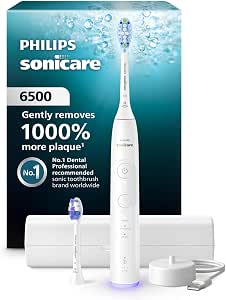
Philips Sonicare 6500 Series Rechargeable Electric Toothbrush with 2 Brush Heads, White
As an affiliate, we earn on qualifying purchases.
Frequently Asked Questions
Can Scalp Tools Cause Damage to Fine Hair?
Scalp tools can cause damage to fine hair if used improperly or too aggressively. Overuse may lead to hair breakage and scalp irritation, impacting hair growth and scalp cleanliness. To protect your fine hair, use gentle pressure and avoid excessive sessions. Regularly clean your tools to prevent buildup and guarantee they promote healthy scalp circulation. Proper use helps maintain scalp health, encourages hair growth, and keeps your hair looking its best without risking damage.
How Often Should I Use Scalp Tools on Fine Hair?
For fine hair, you should limit scalp tool use to about once a week to prevent unnecessary stress. Gentle stimulation helps boost scalp hydration and promotes healthy hair growth without compromising your hair’s natural delicacy. Overuse can thicken your hair’s appearance temporarily but may lead to damage. Always listen to your scalp’s responses, and keep tools gentle and clean to maintain ideal hair thickness and scalp health.
Are There Specific Scalp Tools Best for Sensitive Scalps?
Yes, there are specific scalp tools best for sensitive scalps. Look for gentle scalp brush types with soft bristles or silicone scalp massagers, as they provide a soothing experience without irritation. Sensitive scalp considerations mean avoiding harsh metal tools or those with stiff bristles. Opt for tools designed for gentle stimulation, which can improve circulation and scalp health without causing discomfort or damage, especially if your scalp is prone to sensitivity.
Do Scalp Tools Help With Hair Thinning or Shedding?
Scalp tools won’t magically increase your hair density overnight, but they do boost scalp circulation—ironic, right? Better circulation can stimulate hair follicles, potentially reducing shedding and supporting healthier growth. While they aren’t a miracle cure, regular use might help strengthen your fine hair and improve overall scalp health. So, if you’re seeking fuller hair, incorporating scalp tools could be a small but helpful step in your routine.
Can Scalp Tools Improve Scalp Health for Fine Hair Types?
Yes, scalp tools can improve scalp health for fine hair types by promoting scalp stimulation and enhancing scalp hygiene. Regular use helps increase blood flow, which can encourage healthier hair growth, and keeps your scalp clean and free of buildup. This prevents clogged follicles and maintains a balanced environment for fine hair. Just be gentle to avoid damage, and use the tools consistently for the best results.
Conclusion
So, next time you reach for those scalp tools, remember—they’re designed to help, not harm. Ironically, what’s meant to boost your fine hair’s health might just do the opposite if you’re not careful. It’s all about balance, patience, and knowing your scalp’s limits. After all, perfect hair isn’t a quick fix, and sometimes, less really is more—especially when it comes to scalp tools. Happy styling, and don’t forget to treat your scalp gently!