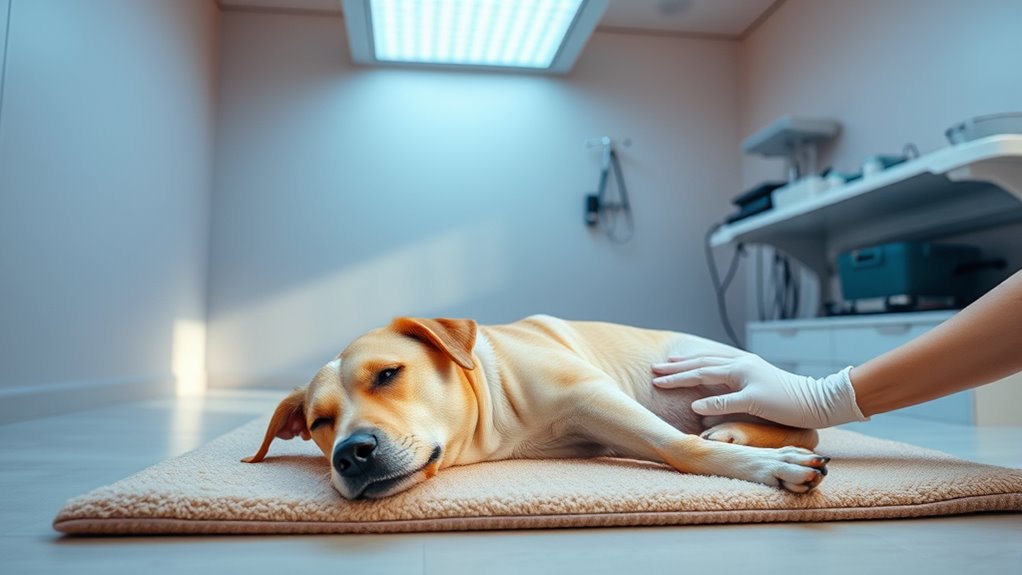

Light therapy for pets can be safe when used correctly, but it’s important to follow proper guidelines. Controlled exposure to UV or infrared light can help with skin conditions, pain, and inflammation, often with veterinary supervision. Overexposure or improper use may cause skin damage or discomfort, so professional guidance and proper equipment are key. Want to discover how to use light therapy safely to support your pet’s health? Keep exploring for helpful tips and expert advice.
Key Takeaways
- When administered by trained professionals, light therapy is generally safe for pets.
- Proper dosages and treatment durations are essential to avoid skin damage or discomfort.
- UV therapy requires careful control to prevent skin burns and adverse effects.
- Infrared therapy is safe when used appropriately with veterinary devices.
- Always consult a veterinarian to assess your pet’s specific needs and ensure safe treatment.

Light therapy is gaining popularity as a natural way to improve your pet’s health and well-being. It offers a non-invasive approach that can help manage pain, inflammation, and promote healing. One of the most common methods involves using specific wavelengths of light, such as UV radiation and infrared therapy, to target various issues your pet might face. While it sounds promising, it’s natural to wonder about the safety of these treatments, especially when it involves exposure to different types of light.
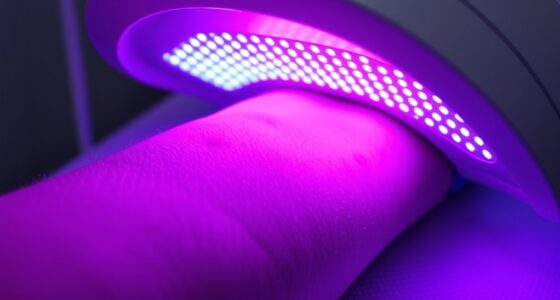
UV radiation is often associated with sunlight, but in controlled light therapy, it’s used carefully to stimulate skin and immune responses. When applied correctly, UV light can help treat skin conditions like dermatitis or infections. However, too much UV exposure can damage the skin or cause discomfort, so it’s essential that treatments are administered by trained professionals who understand the right dosages and durations. In some cases, UV therapy is combined with other light therapies to maximize benefits without risking harm.
UV light can treat skin issues when used carefully by professionals.
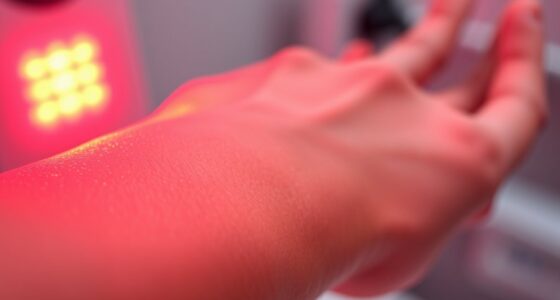
Infrared therapy is another popular option within light therapy for pets. It primarily uses near-infrared light, which penetrates deep into tissues, helping increase blood flow, reduce inflammation, and accelerate healing. Infrared light is generally considered safe when used appropriately, and many devices are designed specifically for veterinary use. It’s painless and usually well-tolerated by animals. You might notice your pet relaxing during treatments or showing signs of relief afterward. The key to safety with infrared therapy lies in following recommended treatment times and avoiding overexposure, which could lead to burns or tissue damage.
Additionally, choosing proper equipment and ensuring treatments are performed by trained professionals can significantly reduce potential risks. When considering light therapy for your pet, it’s essential to consult with your veterinarian. They can assess your pet’s specific health needs and determine if light therapy is suitable. proper equipment and trained practitioners are critical to make sure the therapy is administered safely. As with any medical or alternative treatment, there’s a balance between benefits and risks. While many pets tolerate light therapy well, individual sensitivities or underlying health issues might influence how your pet responds.
Frequently Asked Questions
Can Light Therapy Be Used for All Dog Breeds?
Light therapy can generally be used across all dog breeds, but you should consider breed-specific considerations and size limitations. Smaller breeds might require lower intensity settings, while larger breeds may need adjustments to the duration or distance from the light source. Always consult your veterinarian to verify the therapy is suitable for your dog’s specific breed, health condition, and size, and follow recommended guidelines for safe and effective use.
Are There Any Pet Conditions That Contraindicate Light Therapy?
Certain pet conditions, such as skin infections, open wounds, or eye issues, may be contraindicated for light therapy, so you should consult your veterinarian first. Pet health considerations include avoiding therapy if your pet is pregnant or has seizure disorders. Always seek professional advice to guarantee safety, as some conditions could worsen with light exposure. Monitoring your pet closely during treatment is essential for their well-being.
How Long Should Each Light Therapy Session Last?
Like a maestro conducting a symphony, you should tailor each session duration to your pet’s needs. Generally, aim for 10-20 minutes per session, adjusting based on your pet’s response and the device’s instructions. Ideal timing varies, but twice daily sessions often yield the best results. Observe your pet closely, and consult your vet to fine-tune the session length and guarantee safe, effective therapy.
Is Professional Supervision Necessary for At-Home Light Therapy?
You don’t necessarily need professional supervision for at-home light therapy, but it’s highly recommended to guarantee safe and effective home treatment. Consulting your veterinarian guidance helps you understand proper device use, timing, and safety precautions. While you can manage the therapy yourself, regular veterinary advice guarantees you’re doing it correctly and minimizes risks, giving you peace of mind that your pet’s health is prioritized during this treatment.
What Are the Signs of an Adverse Reaction to Light Therapy?
Watch for warning signs of an adverse reaction during pet light therapy. If your pet experiences redness, swelling, or discomfort, these are clear warning signs that something’s wrong. Excessive scratching, whining, or unusual behavior also indicate a problem. Stay alert for these symptoms, and if you notice them, pause treatment and consult your veterinarian promptly. Promptly recognizing warning signs guarantees your pet’s safety and supports a successful therapy session.
Conclusion
In the end, light therapy can be a helpful tool for your pets, much like a gentle sunrise that brightens their day. Just remember, it’s important to consult your veterinarian before starting any new treatment. When used correctly, it’s safe and effective—like a warm hug that eases their discomfort. Keep an eye on your furry friend, and you’ll be able to tell if this therapy is helping them shine brighter every day.