

Microcurrent devices may help with facial paralysis by stimulating muscles and nerves responsible for movement, promoting nerve activity, and encouraging cellular repair. While some studies report improvements in muscle tone and facial symmetry, the evidence remains limited and results vary. Risks like skin irritation and discomfort are also possible. If you want to understand how these devices compare to other therapies and what to deliberate before trying them, there’s more to explore.
Key Takeaways
- Microcurrent therapy stimulates facial muscles and nerves, potentially improving muscle tone and facial symmetry.
- Scientific evidence is limited; results vary depending on methodology and individual response.
- Benefits include enhanced muscle activity and skin rejuvenation, but risks like skin irritation exist.
- It may complement traditional therapies like physical therapy and acupuncture for facial paralysis recovery.
- Professional consultation is recommended to ensure safe, effective treatment and proper device use.
How Microcurrent Therapy Is Supposed to Work for Facial Paralysis
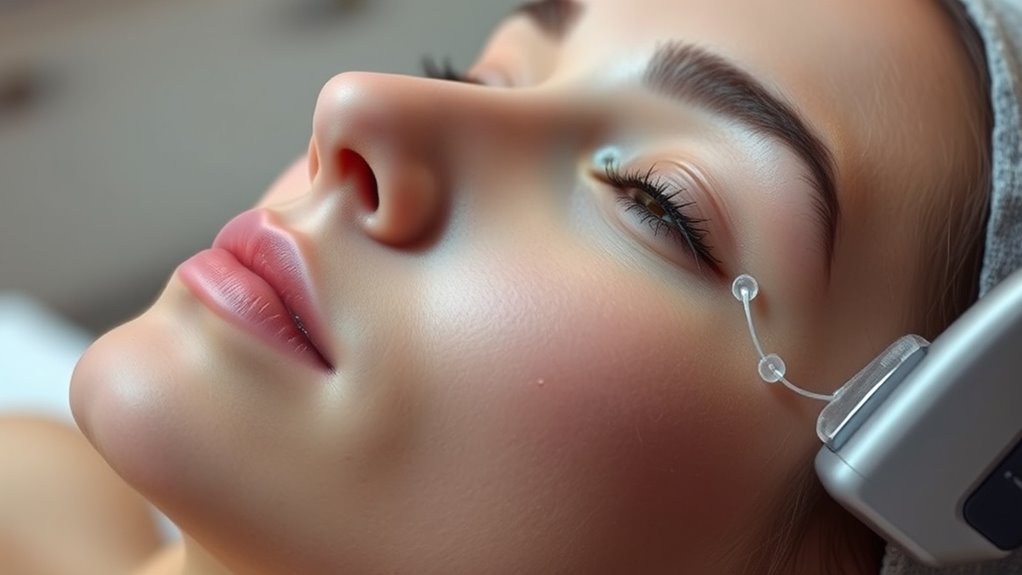
Microcurrent therapy is believed to work for facial paralysis by stimulating the muscles and nerves responsible for facial movement. When using this therapy, proper electrode placement is essential; electrodes are carefully positioned on specific facial muscles to target affected areas. This placement helps deliver low-level electrical currents directly where they’re needed, promoting nerve and muscle activity. The treatment duration varies, but sessions typically last between 20 to 40 minutes, depending on individual needs and response. During this time, the microcurrent encourages cellular repair and improves muscle tone. Consistent sessions are often recommended to achieve ideal results. By carefully managing electrode placement and treatment duration, microcurrent therapy aims to restore facial muscle function and improve symmetry over time.
Scientific Evidence and Clinical Studies on Microcurrent Use
While some studies suggest that microcurrent therapy may benefit individuals with facial paralysis, the scientific evidence remains limited and mixed. Research varies in methodology, electrode placement, and treatment duration, making it hard to draw definitive conclusions. Some studies report improvements when electrodes are placed along specific facial muscles, promoting muscle activation and nerve regeneration. However, other research finds inconsistent results or no significant benefit. Treatment duration also differs widely, from a few sessions to several weeks, affecting outcomes. Because of these variations, it’s difficult to standardize protocols or confirm effectiveness reliably. As a result, while there’s promising anecdotal evidence, more rigorous clinical trials are needed to establish clear scientific support for using microcurrent devices for facial paralysis. Understanding the science behind microcurrent therapy can help clinicians better evaluate its potential benefits and limitations.
Benefits and Potential Risks of Microcurrent Devices
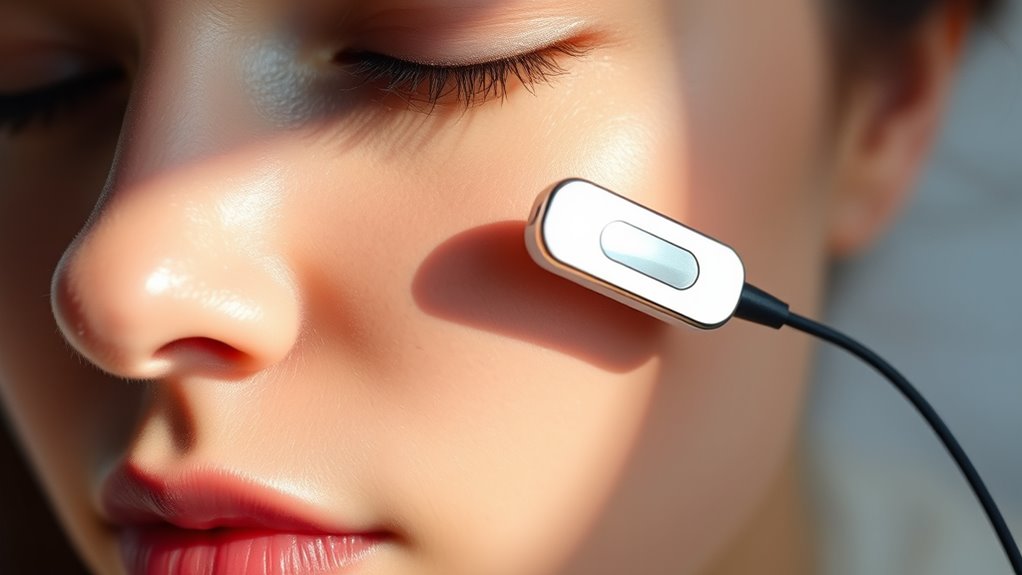
Using microcurrent devices for facial paralysis may offer notable benefits, such as improving muscle tone, enhancing facial symmetry, and potentially supporting nerve regeneration. These devices promote muscle stimulation, which can help restore function and reduce muscle atrophy. Additionally, microcurrents support skin rejuvenation by increasing blood flow and collagen production, leading to a healthier appearance. However, potential risks exist, including skin irritation, discomfort, or unintended muscle activation if improperly used. Always follow instructions and consult a healthcare professional before starting treatment. Here’s a quick overview:
| Benefits | Potential Risks |
|---|---|
| Improved muscle tone | Skin irritation |
| Enhanced facial symmetry | Discomfort during use |
| Support for nerve regeneration | Unintended muscle activation |
Comparing Microcurrent Treatment With Other Rehabilitation Options

When considering options for facial paralysis rehabilitation, it’s important to compare microcurrent therapy with other available treatments to determine the most suitable approach. Alternative therapies like physical therapy, acupuncture, and massage focus on restoring muscle function and reducing tension. These options often involve hands-on techniques that can be soothing and promote blood flow. Additionally, emotional support plays a crucial role in recovery, helping you cope with frustration and anxiety. Imagine:
- Gentle, targeted muscle exercises that build strength
- Acupuncture sessions that stimulate nerve regeneration
- Support groups providing encouragement and understanding
While microcurrent devices use electrical stimulation to promote healing, these alternatives emphasize holistic and emotional well-being. Understanding the contrast ratio of different therapies can help you evaluate their effectiveness in producing clear and vibrant results. Comparing these options helps you choose a comprehensive approach tailored to your needs.
Factors to Consider Before Starting Microcurrent Therapy
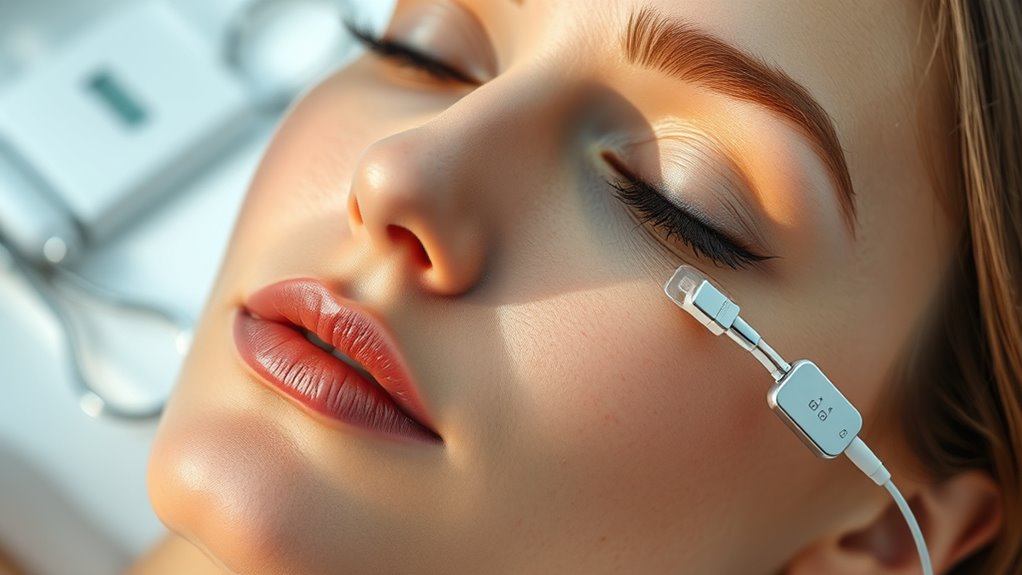
Before starting microcurrent therapy, conducting a health assessment and discussing your specific condition with a healthcare professional is vital. Factors like cost considerations and device accessibility can influence your decision. Some devices are affordable and easy to use at home, while others may require professional guidance and higher investment. Here’s a quick overview:
| Factor | Impact | Consideration |
|---|---|---|
| Cost considerations | Determines affordability | Budget-friendly options exist |
| Device accessibility | Affects ease of use and convenience | Look for user-friendly devices |
| Professional guidance | Ensures safe and effective treatment | Consult a healthcare provider |
| Treatment frequency | Influences overall cost and effort | Set realistic expectations |
| Personal comfort | Impacts adherence and results | Choose comfortable devices |
| Device longevity | Affects overall value and replacement needs | Select durable, high-quality devices |
Understanding these factors helps you make informed choices about microcurrent therapy.
Frequently Asked Questions
How Long Does It Take to See Results From Microcurrent Therapy?
Results from microcurrent therapy vary, but you might notice improvements in facial muscle rejuvenation and skin elasticity within 10 to 20 sessions. Consistent treatments stimulate facial muscles, enhancing tone and firmness over time. Some people see subtle changes after a few sessions, while others may need longer. Keep in mind that individual factors influence the timeline, so patience and regular treatments are key to achieving ideal facial rejuvenation and skin elasticity improvement.
Are Microcurrent Devices Safe for Long-Term Use on Facial Muscles?
Imagine your facial muscles as a garden needing gentle, consistent care. Microcurrent devices are like nurturing water, but you wonder if they’re durable enough for long-term use. Rest assured, when used correctly, these devices offer safe muscle stimulation, and their durability guarantees ongoing support without harm. Always follow manufacturer guidelines to keep your facial muscles healthy and protected, much like tending to a delicate, thriving garden.
Can Microcurrent Therapy Be Combined With Other Facial Treatments?
You can safely combine microcurrent therapy with other facial treatments, but it’s important to take into account your specific treatment protocols. Combining therapies, like microcurrent with skincare or facial exercises, may enhance results. Always consult your practitioner to ensure the treatments complement each other and don’t cause adverse effects. Properly integrating microcurrent into your overall facial care plan can optimize outcomes and support your aesthetic goals.
What Are the Costs Associated With At-Home Microcurrent Devices?
Imagine discovering an at-home microcurrent device that promises skin rejuvenation—yet, what about the costs? You’ll need to take into account device maintenance, which can add up over time, and warranty coverage, vital for repairs or replacements. These costs vary by brand and features, so it’s essential to read the fine print. Be prepared for ongoing expenses that could make or break your investment in this innovative, yet potentially costly, skincare solution.
Is Microcurrent Therapy Suitable for All Types of Facial Paralysis?
You should know that microcurrent therapy isn’t suitable for all types of facial paralysis. Its effectiveness depends on the underlying causes and specific types of paralysis. For some, like Bell’s palsy, it may help improve muscle tone, but for others caused by nerve damage or stroke, it might not be as effective. Always consult a healthcare professional to determine if this treatment aligns with your condition and underlying causes.
Conclusion
If you’re considering microcurrent devices for facial paralysis, know that about 60% of users report noticeable improvements. While research is still evolving, many find it a promising option alongside traditional therapies. Just remember to weigh the benefits against potential risks and consult your healthcare provider. With ongoing studies, microcurrent therapy could become a valuable tool in your recovery journey, helping you regain facial function and confidence faster.