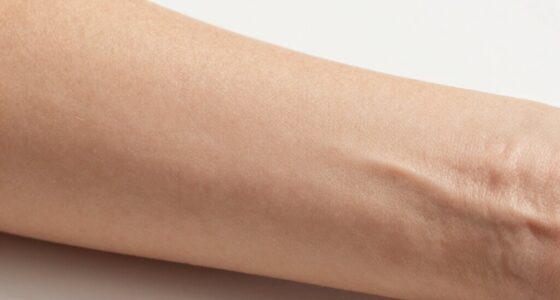
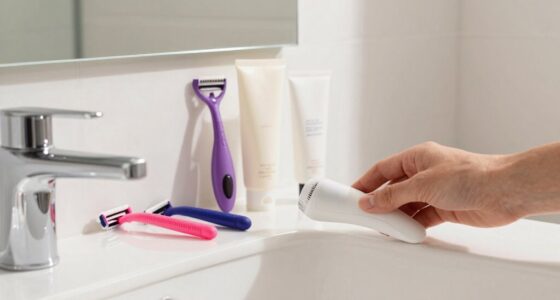
Sun exposure makes your skin more sensitive and changes its pigment, which can interfere with home laser treatments. When your skin is tanned or sunburned, the laser may not target the right areas, increasing the risk of burns, hyperpigmentation, or uneven results. UV rays also delay healing and can cause long-term damage. Protecting your skin before using laser devices is essential. Keep going to discover how to best safeguard your skin and achieve safe, effective results.

Get wellness gear delivered free with Prime
- Fast, free delivery on millions of items
- Prime Video, Amazon Music and more included
- Member-only deals all year
Key Takeaways
- Sun exposure increases skin sensitivity, raising the risk of burns or hyperpigmentation during laser treatments.
- UV rays can interfere with laser safety protocols, making treatments less effective or unsafe.
- Tanned or sun-damaged skin hampers laser accuracy and can cause uneven results.
- Sunburned skin prolongs healing time and may worsen side effects post-treatment.
- Protecting skin from UV rays ensures better laser safety, efficacy, and predictable outcomes.
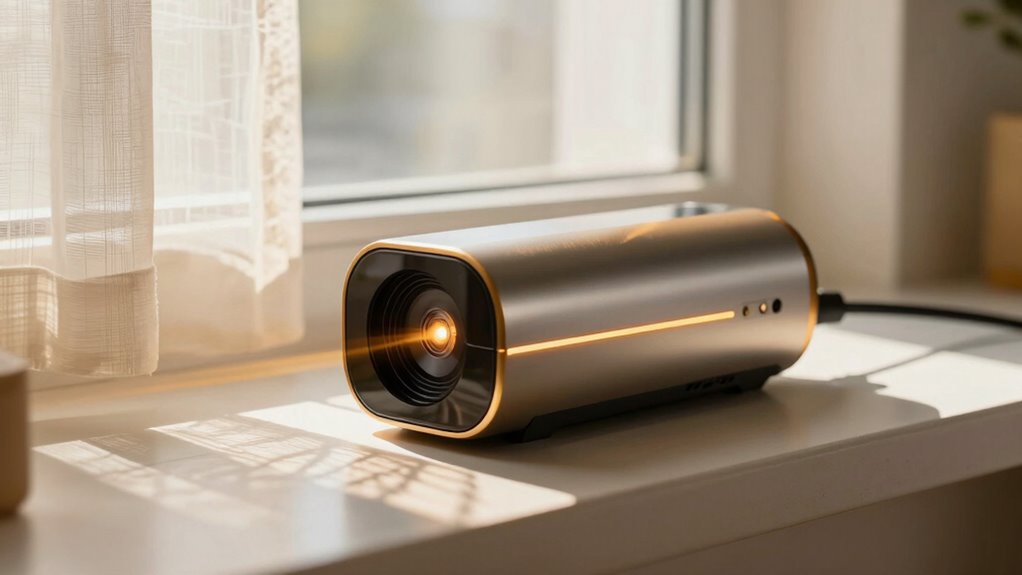
Since laser treatments can be effective for hair removal and skin rejuvenation, it’s important to understand how sun exposure impacts their results. When you use home laser devices, your skin’s condition plays a vital role in achieving the best outcomes. Sun exposure can considerably affect the effectiveness of laser treatments, especially those aimed at skin rejuvenation. If your skin has been recently exposed to the sun, it’s likely to be more sensitive, which can increase the risk of adverse reactions like burns, hyperpigmentation, or scarring. This is why many professionals recommend avoiding direct sun exposure for a few weeks before and after your laser sessions. Your skin’s natural response to the sun can interfere with laser safety protocols, making treatments less effective or even hazardous.
Sun exposure can increase skin sensitivity, risking adverse reactions and reducing laser treatment effectiveness. Protect your skin.
Skin rejuvenation with laser devices works by targeting specific skin layers to stimulate collagen production, improve texture, and reduce signs of aging. However, if your skin is sunburned or tanned, the laser may not be able to accurately target the desired areas. The pigmentation changes caused by sun exposure can absorb the laser energy unpredictably, leading to uneven results or damage. Protecting your skin from UV rays guarantees that your laser treatment can focus solely on the intended skin structures, maximizing both safety and effectiveness. It’s not just about avoiding burns; it’s about maintaining a uniform skin tone so the laser can work efficiently. Additionally, UV ray exposure can delay skin healing, making it even more important to prepare your skin properly before treatment. Recognizing the importance of UV protection can help you better plan your skincare routine around laser treatments. Proper skin preparation is crucial to minimize risks and optimize results.
Laser safety is another essential aspect to think about when exposed to the sun. Sun-damaged skin is more vulnerable during laser sessions, increasing the chance of side effects. Home laser devices, while convenient, still require careful attention to safety guidelines. It’s vital to follow instructions diligently, especially regarding skin preparation. If your skin has been exposed to the sun, it’s a good idea to delay treatments until your skin has healed and regained its natural tone. Ignoring these precautions might compromise your safety, leading to unwanted discoloration or even permanent damage. Additionally, understanding how UV rays impact your skin’s condition can help you better prepare for treatments. Keeping your skin protected from the sun not only improves treatment outcomes but also reduces the risk of long-term skin damage. Moreover, consistent use of sunscreen can significantly improve your skin’s resilience and overall health, making laser treatments safer and more effective.
In essence, sun exposure alters everything when it comes to using home laser devices. It influences your skin’s response, the safety of the procedure, and the final results. Prioritizing skin protection and understanding how UV rays influence your skin’s condition will help you get the most out of your treatments. Remember, a well-protected, healthy skin surface not only guarantees laser safety but also enhances skin rejuvenation outcomes, giving you better, more predictable results with every session.
As an affiliate, we earn on qualifying purchases.
Frequently Asked Questions
Can Sun Exposure Affect the Longevity of Laser Device Batteries?
Sun exposure can indeed affect the longevity of your laser device batteries. UV interference from sunlight accelerates battery degradation over time, reducing their overall lifespan. Prolonged exposure to sunlight can cause the battery to drain faster and diminish its capacity, leading to more frequent replacements. To protect your device’s battery, keep it stored in a cool, shaded area away from direct sunlight when not in use.
Do Different Skin Tones Respond Differently to Sun Exposure With Laser Devices?
Yes, different skin tones respond differently to sun exposure with laser devices due to skin pigmentation. Melanin absorption varies among skin tones, affecting how your skin reacts to laser treatments. People with darker skin tones have higher melanin levels, which can increase the risk of pigmentation changes or burns if exposed to the sun afterward. Always follow your device’s guidelines and protect your skin from sun exposure to guarantee safe, effective results.
How Does Sun Exposure Impact the Safety of Home Laser Treatments?
You might think sun exposure’s harmless, but it actually ramps up UV damage and skin sensitivity, making home laser treatments riskier. When your skin’s already compromised, laser devices can cause burns, hyperpigmentation, or scarring—ironic, isn’t it? So, skipping sun protection before treatments isn’t just reckless; it’s a recipe for uneven results and safety hazards. Always avoid sun exposure to keep your skin safe and treatment effective.
Are There Specific Times of Day When Sun Exposure Is More Harmful?
Yes, sun exposure is more harmful during peak UV intensity hours, typically between 10 a.m. and 4 p.m. You face a higher sunburn risk then, which can increase sensitivity and skin damage. If you’re using home laser devices, avoid sun exposure during these times to minimize risks. Protect your skin by staying indoors or covering up, especially when UV levels are at their highest.
Can Sun Exposure Cause False Results During Laser Skin Treatments?
Sun exposure can totally mess up your laser skin treatments, causing false results that throw off your results! When you don’t practice sun safety, UV rays can increase skin pigmentation, making treatments less effective or uneven. This is why limiting sun exposure before and after your sessions is essential. Protecting your skin guarantees accurate results, smooth recovery, and keeps your skin healthy and radiant—so don’t skip the sunscreen!
As an affiliate, we earn on qualifying purchases.
Conclusion
Just like Icarus flying too close to the sun, you risk losing control when you ignore sun exposure with your home laser device. Remember, the sun’s rays can be a double-edged sword—powerful but unpredictable. To keep your skin safe and your treatments effective, stay vigilant. Think of it as tending to a delicate garden; with proper care and timing, your skin can flourish without the risk of getting burned. Keep sun safety in mind, and enjoy the benefits of your laser journey.
UV protection sunscreen for laser treatments
As an affiliate, we earn on qualifying purchases.
As an affiliate, we earn on qualifying purchases.
As an affiliate, we earn on qualifying purchases.
Halloween Picks
halloween
As an affiliate, we earn on qualifying purchases.