
TL;DR
Personalized meditation devices use biometric sensors and AI to adapt sessions based on individual needs. They’re increasingly popular, scientifically supported, and accessible, offering a smart way to enhance relaxation and focus.
Personalized meditation devices tailor sessions based on real-time physiological data, making meditation more effective and engaging.
Devices range from EEG headbands to wearable biofeedback tools, each suited for different goals like stress reduction or focus enhancement.
Recent tech advances, including AI and better sensors, are making these tools more accurate, comfortable, and adaptive.
Choosing the right device depends on your specific goals, budget, and comfort preferences. Do your homework and try before committing.
Always consider privacy and health safety. Use devices responsibly, especially if you have pre-existing health conditions.
How Do Personalized Meditation Devices Actually Work?
Personalized meditation devices monitor your body’s signals—like heart rate, skin conductance, or brain waves—and adjust guidance in real-time. Think of it as a coach that listens to your physiology and changes the game plan to keep you in the zone.
For example, an EEG headband like Muse tracks your brain activity. When your mind drifts, it gently prompts you to refocus, turning meditation into a dynamic conversation with your brain. The goal? Make meditation more engaging and effective.
Most devices combine sensors with apps that analyze data and offer personalized feedback, turning a simple session into a tailored mental workout.
Understanding how these systems work together reveals why they can be so impactful. Sensors collect raw physiological data, which AI algorithms interpret to identify patterns indicating stress, distraction, or relaxation. This interpretation then guides real-time feedback—like sounds, visual cues, or vibrations—that helps you adjust your mental state. The tradeoff? While these devices can significantly enhance your practice, they depend on accurate data collection and user consistency to deliver meaningful results.
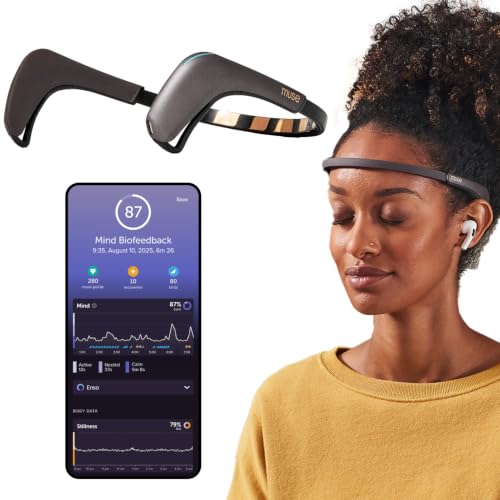
MUSE 2: The Brain Sensing Headband USB-C- EEG MUSE Headband Meditation Tracker – Multi Sensor Biofeedback Devices for Home Use with Responsive Sound Feedback Guidance – Neurofeedback Devices
Works great on its own — access core EEG-powered feedback and session tracking right out of the box;…
As an affiliate, we earn on qualifying purchases.
As an affiliate, we earn on qualifying purchases.
The Top 3 Types of Personalized Meditation Devices and What They Do Best
| Device Type | How It Works | Best For |
|---|---|---|
| EEG Headbands | Measure brain activity to guide neurofeedback sessions, allowing users to see their mental states and learn to control them over time. This direct measurement provides precise insights into your focus and relaxation levels, enabling targeted training. | Deep focus, stress reduction |
| Wearable Biofeedback Devices | Track physiological signals like heart rate variability and skin conductance, offering real-time feedback on stress levels. These devices help users recognize physical signs of stress and practice calming techniques accordingly, fostering greater self-awareness. | Stress management, sleep support |
| Smartphone Apps | Utilize your phone’s camera or microphone with AI to assess your stress or relaxation levels through facial expressions or voice tone analysis. While less direct, they provide accessible entry points for mindfulness practice on the go. | On-the-go mindfulness, beginners |
Each device type offers unique advantages. EEG headbands provide detailed neurofeedback, which can be invaluable for users seeking to train their focus or reduce anxiety at a neurological level. Wearables emphasize physical responses, helping you connect bodily sensations with emotional states. Apps are the most accessible, but their effectiveness depends on how accurately they interpret subtle cues. Choosing the right device involves weighing these tradeoffs against your specific goals and comfort preferences.
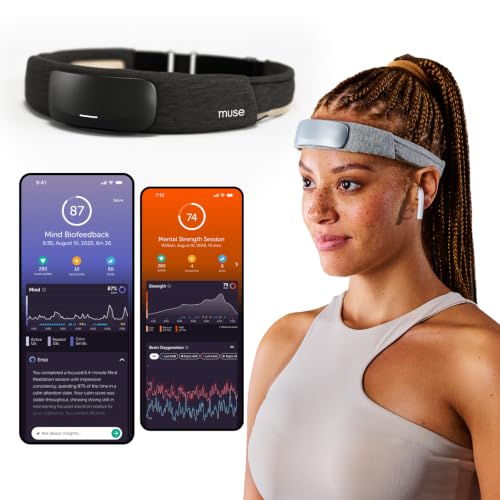
Muse S Athena: The Brain Sensing Headband – Deep Sleep Boost, Sleep Assist and Tracking – Neurofeedback Devices for Meditation Tracking & Monitoring with EEG and fNIRS Sensors – Carbon (Dark Grey)
Deep Sleep Boost – Newest feature designed to detect slow-wave sleep and sustain it longer for a more…
As an affiliate, we earn on qualifying purchases.
As an affiliate, we earn on qualifying purchases.
Why New Tech in Meditation Means Better Results for You
Recent advances have made these devices more accurate, comfortable, and smart. Sensors are smaller, less invasive, and more precise—think of upgrading from a basic treadmill to a smart gym system.
AI algorithms now analyze your data and adapt sessions on the fly, like a personal trainer who learns what pushes your buttons. Some devices even sync with your smartwatch, giving a full picture of your health and mood.
For example, new neurofeedback headbands now incorporate machine learning to evolve with your progress, making your sessions more effective over time.
These technological improvements matter because they directly impact the quality of your experience. More precise sensors reduce noise and false readings, enabling more accurate feedback. Adaptive AI ensures your sessions remain challenging yet achievable, preventing plateaus in progress. However, the tradeoff is that increased complexity can sometimes lead to higher costs or a steeper learning curve for new users. Overall, these innovations make personalized meditation more powerful and accessible, but users should consider whether the investment aligns with their commitment and goals.

Entertech Flowtime: Biosensing Meditation Headband – Brain Tracker for Neurofeedback Training at Home – Heart Rate, Breath, HRV, Stress, Flow, Alpha, Theta, Beta, Gamma Wave Breakdowns
VISUALIZE YOUR MEDITATION PERFORMANCE. Supported by the biosensing technology, see how your brain and body are working when…
As an affiliate, we earn on qualifying purchases.
As an affiliate, we earn on qualifying purchases.
How to Pick the Right Personalized Meditation Device for You
- Identify your main goal—stress relief, focus, sleep? Different devices excel at different things. Clarifying your priority helps narrow your options and ensures you select a device that aligns with your personal needs and desired outcomes.
- Set your budget. Options range from free apps to premium headbands costing over $300. Remember, more expensive doesn’t always mean better; consider the features that match your goals and whether the investment is justified by the benefits.
- Read reviews and check for scientific backing. Look for devices with clinical validation or FDA approval if available. This ensures you’re choosing a product with proven efficacy, reducing the risk of investing in a gimmick that doesn’t deliver.
- Consider comfort and convenience. If you dislike wearing gadgets or find them intrusive, a mobile app or simple biofeedback device might be more sustainable. Comfort encourages regular use, which is crucial for seeing results.
- Test drive a few options if possible. Many companies offer trial periods or demo videos. Hands-on experience can reveal how intuitive and effective the device feels for you, helping avoid buyer’s remorse.
For example, if reducing stress is your priority, a wristband that tracks skin conductance and guides breathing exercises could be perfect. If deep focus is your aim, a neurofeedback headband might help you train your brain more precisely. Remember, the best device is one you’ll use consistently, so consider long-term comfort and ease of use as key factors in your decision.
MUSE 2: The Brain Sensing Headband USB-C- EEG MUSE Headband Meditation Tracker – Multi Sensor Biofeedback Devices for Home Use with Responsive Sound Feedback Guidance – Neurofeedback Devices
Works great on its own — access core EEG-powered feedback and session tracking right out of the box;…
As an affiliate, we earn on qualifying purchases.
As an affiliate, we earn on qualifying purchases.
What Should You Know Before Trying a Personalized Meditation Device?
Personalized meditation devices can boost your practice, but they aren’t magic. Keep in mind that data privacy is key—these devices collect sensitive information about your body and mind. Recognize that the data collected can be highly personal, revealing patterns about your stress levels, focus, and even emotional states. This raises concerns about how securely your information is stored and whether it could be shared or misused.
Always read privacy policies carefully and opt for reputable brands that prioritize data security. Additionally, consider the potential psychological effects—over-reliance on technology might diminish your ability to meditate intuitively or could lead to frustration if progress stalls.
Consult your healthcare provider if you have medical conditions, especially with neurofeedback devices that influence brain activity. Starting with short, manageable sessions allows you to gauge your comfort and response without feeling overwhelmed. Remember, consistency and patience are more important than intensity; even brief daily practices can support long-term mental wellness.