TL;DR

Get wellness gear delivered free with Prime
- Fast, free delivery on millions of items
- Prime Video, Amazon Music and more included
- Member-only deals all year
Fit&Well published a beginner-friendly, no-equipment Pilates routine designed to take about 10 minutes and focus on core control and stability. Pilates instructor Andrew Griffiths recommends six movements and says beginners can start with fewer pulses or use easier variations; the report does not present research showing specific results from this routine.
Fit&Well has published a no-equipment Pilates routine that takes about 10 minutes and is intended for beginners seeking to work on core strength and movement control. The six-exercise sequence was created by Pilates instructor Andrew Griffiths, who advises adjusting the movements to suit a beginner’s ability.
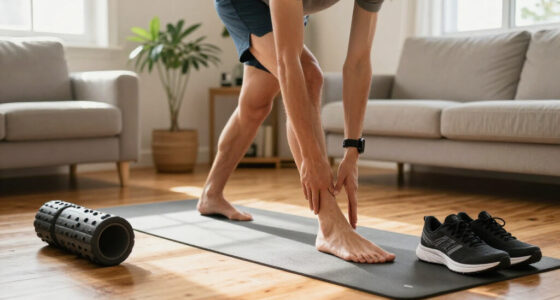
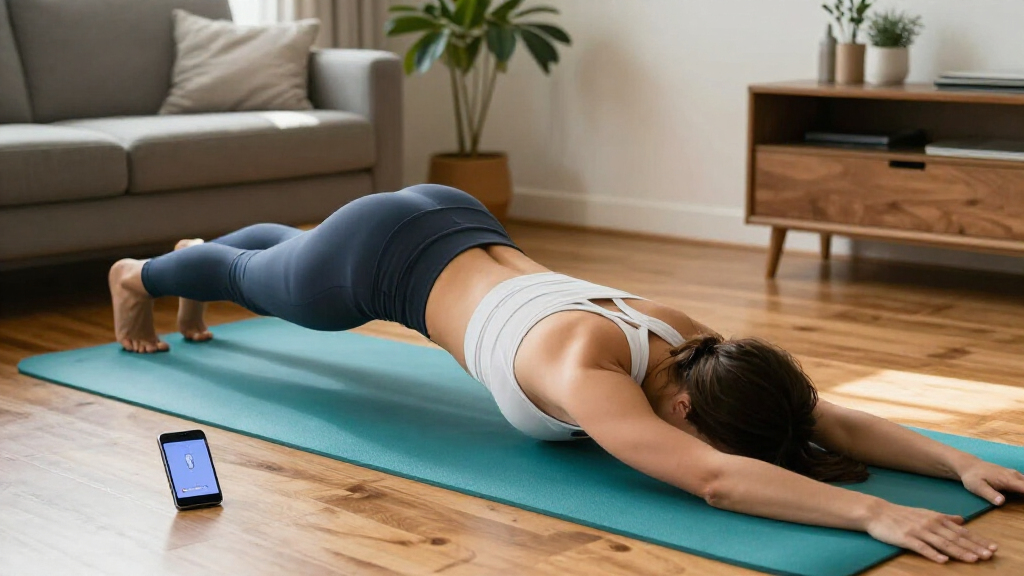
The routine moves through pelvic tilts, the hundred, dead bugs, glute bridges, bird dogs and child’s pose. It starts with pelvic tilts to practise moving the pelvis while lying on the back, then adds exercises that require coordination between the arms, legs and trunk. Child’s pose is the final movement, held for 30 to 60 seconds.
For the hundred, the report suggests beginning with 40 or 50 arm pulses rather than aiming straight for 100. Participants can also keep their feet on the floor or leave their head and shoulders down if raising them feels too difficult. In the dead bug, the directions emphasize moving one arm and the opposite leg slowly while keeping the lower back connected to the floor.
The remaining exercises call for controlled hip lifts in the glute bridge and opposite-arm-and-leg reaches in the bird dog. The routine lists two sets of eight to 10 repetitions per side for dead bugs and bird dogs, and two sets of 10 to 12 repetitions for glute bridges, with 30 seconds of rest between sets. Griffiths recommends doing the workout three times a week, with a day off between sessions.
A Short Routine With Beginner Options
The report offers readers a structured workout that can be done at home without purchasing equipment or following a lengthy class. Its adaptations make the sequence less demanding at the outset: people can reduce the hundred’s pulses, keep their feet down, or avoid lifting their head and shoulders.
Griffiths says the exercises target the core and muscles involved in spinal stability, while glute bridges and bird dogs also work the glutes and muscles that support the back. Those are the instructor’s explanations of the routine’s intended focus, not evidence that every participant will gain strength, improve posture or reduce discomfort. The source does not report a study or measured outcomes for this particular sequence.
As an affiliate, we earn on qualifying purchases.
How the Six Moves Fit Together
The routine combines small pelvic movements, trunk exercises and hip work, then ends with a rest-oriented stretch. Pelvic tilts and child’s pose are described as gentle movement for the spine and hips. The hundred, dead bug and bird dog involve core engagement and coordination; the bridge adds hip extension and glute contraction.
Breathing is paired with movement in several instructions: participants inhale to prepare and exhale during the effort. Griffiths says this focus on breath and intentional movement is part of Pilates. He also says the exercises can support everyday movement, such as bending or lifting, but the report does not quantify those effects or compare this routine with other workouts.
“Small and controlled is the aim. The movement comes from the pelvis, not the legs.”
— Andrew Griffiths, Pilates instructor and fitness expert quoted by Fit&Well
As an affiliate, we earn on qualifying purchases.
Results and Adaptations Vary
The source does not say when the routine was published, provide independent testing, or report how much strength or stability participants might gain. It also does not define how to progress the exercises beyond saying to do so when the routine feels easy. The suggested frequency of three sessions a week is Griffiths’ guidance, rather than a schedule shown to work for everyone.
The instructions include easier options, but they do not address every injury, health condition or mobility limitation. Readers who have pain, a pre-existing condition, or questions about whether the movements suit them may wish to seek advice from a qualified health or exercise professional. Stop if a movement causes pain or unusual symptoms.
As an affiliate, we earn on qualifying purchases.
Repeat, Recover and Progress Gradually
Fit&Well’s suggested next step is to repeat the sequence three times a week with a rest day between sessions. Griffiths says to progress the programme when it begins to feel easy, but the report does not give a set timetable or prescribe a particular increase in repetitions or difficulty.
For a first session, readers can follow the listed easier versions and focus on controlled movement rather than speed. Any further progression should reflect how the exercises feel and the person’s circumstances; the source offers general workout guidance, not individualized instruction.
Pilates resistance bands for beginners
As an affiliate, we earn on qualifying purchases.
As an affiliate, we earn on qualifying purchases.
Key Questions
What exercises are in the 10-minute routine?
The sequence includes pelvic tilts, the hundred, dead bugs, glute bridges, bird dogs and child’s pose.Do beginners need equipment?
No equipment is listed. The report says participants need space on the floor and offers easier options for some movements.How often does the report recommend doing the workout?
Instructor Andrew Griffiths recommends three times a week, with a day off between sessions. This is his guidance, not a schedule established by results presented in the report.Can I make the hundred easier?
Yes. Griffiths says beginners can start with 40 or 50 pulses. The report also suggests keeping the feet on the floor and leaving the head and shoulders down if lifting them is too challenging.Does the report show that this routine improves strength or posture?
The report describes the movements’ intended focus and quotes Griffiths on their aims, but it provides no measured results or study demonstrating outcomes from this specific routine.Source: rss
Halloween Picks
halloween
As an affiliate, we earn on qualifying purchases.