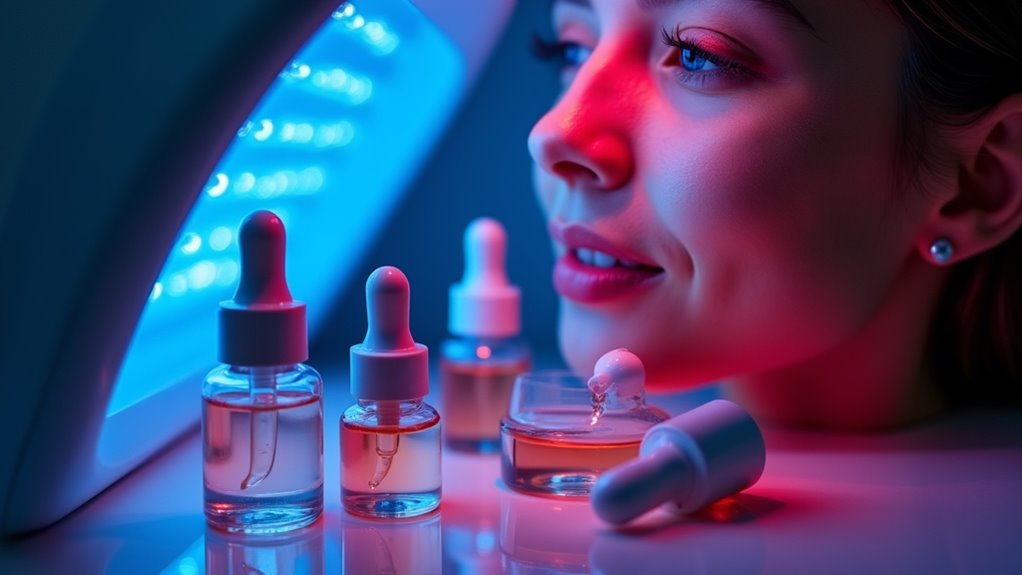
Some serums can block LED light because thick, oily, or heavy textures reflect or scatter the light, reducing its effectiveness. Ingredients like acids, retinoids, and unstable antioxidants can cause skin reactions or neutralize reactive oxygen species, lessening benefits. Fragrances, preservatives, and synthetic dyes may irritate skin, making treatments less effective. To get the best results, choose lightweight, water-based serums that are gentle and free of photosensitizers. Keep exploring to learn how to optimize your LED sessions.
Key Takeaways
- Thick, oil-based, or heavy serums create a barrier that blocks or reflects LED light, reducing therapy effectiveness.
- Photosensitizing ingredients like acids and retinoids can cause irritation and diminish LED light penetration.
- Applying serums immediately before LED sessions with compatible, lightweight, water-based formulas enhances light absorption.
- Serums containing occlusive agents, synthetic dyes, fragrances, or alcohol hinder light transmission and may cause skin irritation.
- Proper skin prep, including cleansing and gentle exfoliation, ensures optimal serum absorption and maximizes LED therapy benefits.

Red Light Therapy Activation Serum – Advanced Formula to Boost Collagen, Increase LED Light Therapy 10x Effects, Reduce Wrinkles&Soothe Sensitive Skin for Face&Neck with Copper Peptides,VE,1.01FLoz
Advanced Formula for Collagen Boost & Anti-Aging:Powered by Copper Peptides, Caffeine, and Ceramide 3, our Red Light Therapy…
As an affiliate, we earn on qualifying purchases.
As an affiliate, we earn on qualifying purchases.
The Impact of Thick or Oily Serums on Light Penetration
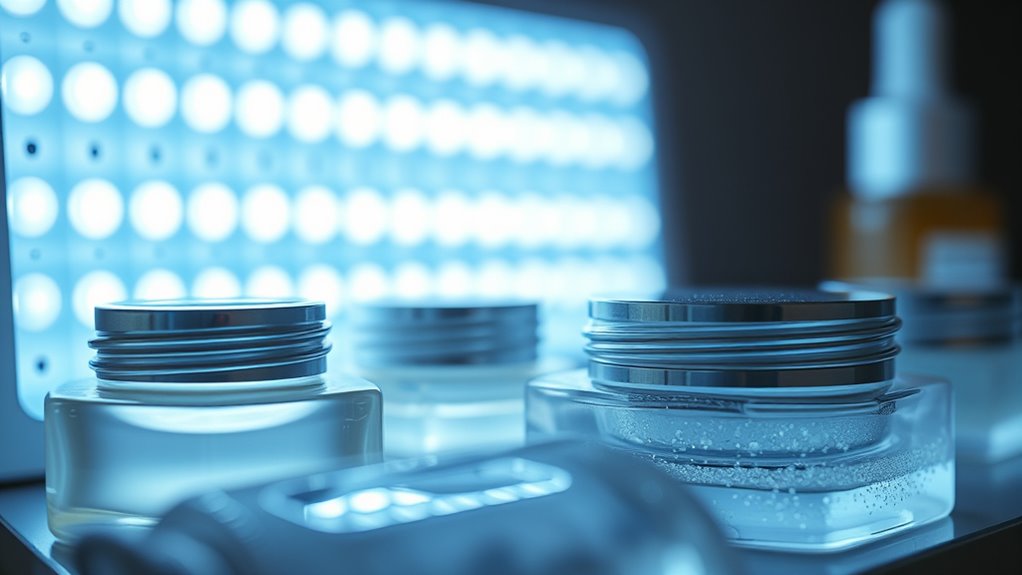
Thick or oily serums can substantially hinder light penetration during LED therapy. High serum viscosity creates a barrier that prevents ideal light absorption by your skin. Oil-based formulations tend to be more viscous, which can reflect or scatter the LED light instead of allowing it to penetrate effectively. When you apply these types of serums, especially those with heavy oils or dense textures, they can block the LED light from reaching deeper skin layers. As a result, the therapy’s effectiveness diminishes, reducing benefits like collagen stimulation or acne treatment. To maximize results, opt for lightweight, water-based serums that absorb quickly and don’t interfere with light transmission. Keeping your skin clear of thick, oil-based formulations during LED sessions ensures you get the most out of your treatment.

CETAPHIL Gentle Clear Repairing Post-Acne Serum, Retinol Alternative, Oil Free Serum for Sensitive Skin, 1 Fl Oz, Bakuchiol, Improves Skin Tone & Post-acne Marks, Dermatologist Recommended Brand
CETAPHIL GENTLE CLEAR REPAIRING POST-ACNE SERUM: Soothing serum reduces the appearance of post-acne marks and pores to visibly…
As an affiliate, we earn on qualifying purchases.
As an affiliate, we earn on qualifying purchases.
Ingredients That Can Cause Photosensitivity and Skin Reactions
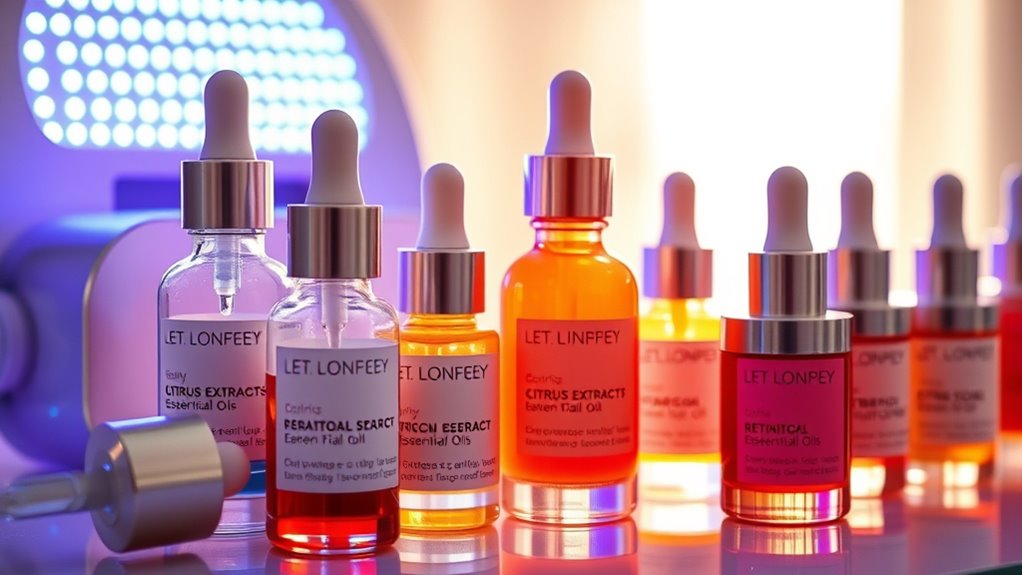
Certain ingredients in skincare products can increase your skin’s sensitivity to light, potentially causing adverse reactions during LED therapy. These ingredients may trigger photosensitivity reactions, making your skin more reactive to the light exposure. Common culprits include certain acids like alpha hydroxy acids (AHAs), beta hydroxy acids (BHAs), and retinoids. When combined with LED treatments, they can enhance the risk of redness, irritation, or burning sensations. Ingredient interactions are key to understanding these risks; some ingredients amplify light sensitivity, so applying serums containing photosensitizing agents before LED sessions isn’t advisable. Always check your product labels and consult with a skincare professional to identify potential photosensitizers, ensuring safe and effective LED therapy without unwanted skin reactions. Additionally, research indicates that AI security vulnerabilities can sometimes lead to unpredictable AI behavior, emphasizing the importance of safety measures when integrating new ingredients or technologies into your skincare routine.
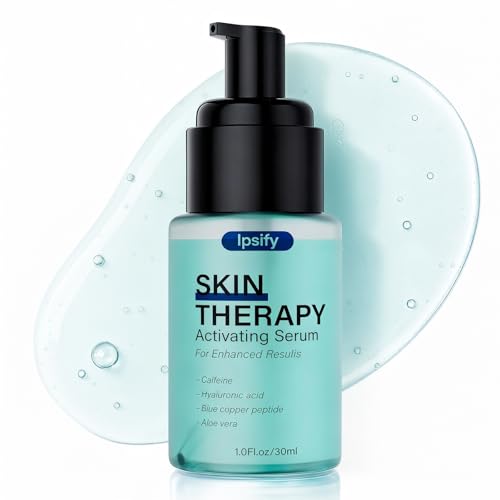
Red Light Therapy Activation Serum, Red Light Therapy Serums for Face and Neck, Hydrating Serum for Face, Facial Serums Anti Aging and Reduce Wrinkles, Pure Formula Facial Serum for Women, 1OZ
Red Light Therapy Serum for Face: Specially formulated to work with your red light therapy, red light therapy…
As an affiliate, we earn on qualifying purchases.
As an affiliate, we earn on qualifying purchases.
How Certain Active Compounds Might Neutralize LED Effects
You might find that some antioxidants can reduce the effectiveness of LED therapy by neutralizing the reactive oxygen species it produces. Photosensitive ingredients, like certain acids, can also interfere or cause unwanted skin reactions when combined with LED treatments. Additionally, heavy oils and barrier-forming products may block light penetration, diminishing LED results. Incorporating knowledge about skin barrier function can help you choose products that won’t hinder your LED therapy outcomes.
Antioxidants Neutralizing Effects
Have you ever wondered how some active compounds in serums might interfere with LED therapy? Certain antioxidants can neutralize the light’s beneficial effects if their stability isn’t maintained in the serum formulation. When antioxidants degrade or lose potency, they may act as scavengers, reducing the LED’s ability to stimulate collagen or improve skin. To avoid this, choose serums with well-formulated antioxidants that retain their stability during storage and application. Additionally, glycolic acid products are often recommended for exfoliation and skin renewal, but they should be used separately from LED treatments to prevent potential irritation or interference.
| Antioxidant | Effect on LED | Serum Formulation Tip |
|---|---|---|
| Vitamin C | Neutralizes light | Use stabilized forms |
| Resveratrol | Reduces efficacy | Opt for protected packaging |
| Green Tea Polyphenols | Interferes | Ensure proper antioxidants balance |
| CoQ10 | Diminishes LED effects | Use in stable formulations |
| Ferulic Acid | May neutralize | Combine with stabilizers |
Photosensitive Ingredients Interfere
Ever wondered why some ingredients can diminish the effectiveness of LED therapy? Certain photosensitive ingredients can react negatively when exposed to LED light, neutralizing its benefits. Ingredients like citrus extracts, retinoids, and certain essential oils increase your skin’s sensitivity to light, potentially causing inflammation or reducing LED’s impact. To avoid this, guarantee ingredient transparency in your serums; know what’s in your products before use. It’s also essential to prioritize sun protection, as some ingredients make your skin more vulnerable to light damage. Using products with known photosensitive compounds without proper precautions can hinder your LED therapy results. Always check labels and consult with skincare professionals to identify and avoid ingredients that could interfere with your treatment, ensuring you get the full benefits of LED therapy. Additionally, incorporating specialized skincare tools like LED masks designed for sensitive skin can help optimize results while minimizing adverse reactions.
Heavy Oils and Barriers
Heavy oils and occlusive barriers can hinder LED therapy by preventing light from penetrating deeply into the skin. When you apply thick products like certain mineral sunscreens or greasy serums, they block the LED light, reducing its effectiveness. This is especially true with hydrogel masks that trap oils underneath. To maximize LED benefits, consider these tips:
- Avoid applying heavy oils before your LED session.
- Use lightweight, non-occlusive products first.
- Remove thick mineral sunscreens thoroughly before treatment.
- Opt for gel-based or water-based products instead of occlusive barriers.
- Ensuring proper air quality and skin cleanliness can also enhance treatment efficacy.
Being mindful of these barriers ensures proper light penetration, allowing LED therapy to work effectively and deliver ideal results.
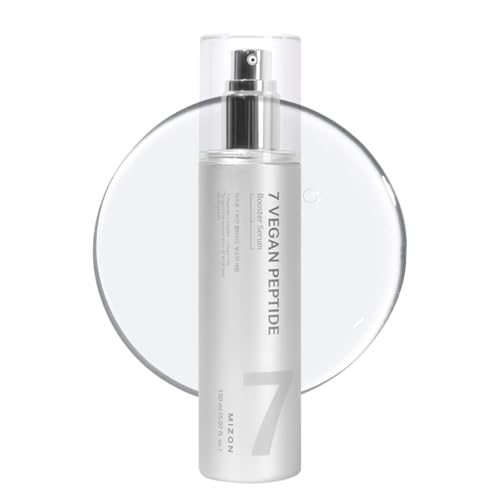
MIZON 7 Vegan Peptide Booster Serum | Korean Peptide Serum for Wrinkles, Pores & Hydration | Hyaluronic Acid Niacinamide Adenosine Glass Skin, Gentle Anti Aging for Sensitive Skin | 5.07 fl oz
Collagen Support with 7 Peptides: Formulated with 7 types of peptides to help support collagen production and improve…
As an affiliate, we earn on qualifying purchases.
As an affiliate, we earn on qualifying purchases.
The Role of Fragrance and Preservatives in Interfering With Treatment
Fragrance and preservatives in skincare products can profoundly disrupt the effectiveness of serums and LED therapy. Fragrance interference can cause skin irritation, making your skin more sensitive and less responsive to treatment. Preservative effects, especially from certain chemicals, can lead to inflammation or allergic reactions, reducing the serum’s ability to work preferably. To help you avoid these issues, here’s a quick comparison:
| Ingredient Type | Potential Impact |
|---|---|
| Fragrance | Causes irritation, sensitivity |
| Parabens | May trigger allergic reactions |
| Synthetic dyes | Can cause inflammation |
| Alcohol | Dries skin, hampers healing |
| Preservative effects | Reduce serum efficacy, cause reactions |
Choosing fragrance-free and preservative-free products supports better LED therapy results. Additionally, ingredients like skin barrier enhancers can help maintain your skin’s resilience against irritants.
Timing Your Serum Application for Optimal LED Results
Timing plays a crucial role in maximizing the benefits of serum and LED therapy. When you layer your products correctly, you enhance absorption and prevent interference. To optimize results, consider these tips:
- Apply serums immediately before LED sessions to ensure active ingredients are fresh and effective.
- Use lightweight, compatible serums designed for LED therapy, avoiding heavy or incompatible products.
- Check product compatibility—some ingredients can cause photosensitivity or diminish LED benefits.
- Avoid applying serums that contain active ingredients known to interfere with LED light, especially right before treatment.
- Incorporating crochet techniques into your routine can help you better understand product textures and application methods, ensuring optimal layering and absorption.
Identifying Serums That Are Safe to Use Before and After LED Sessions
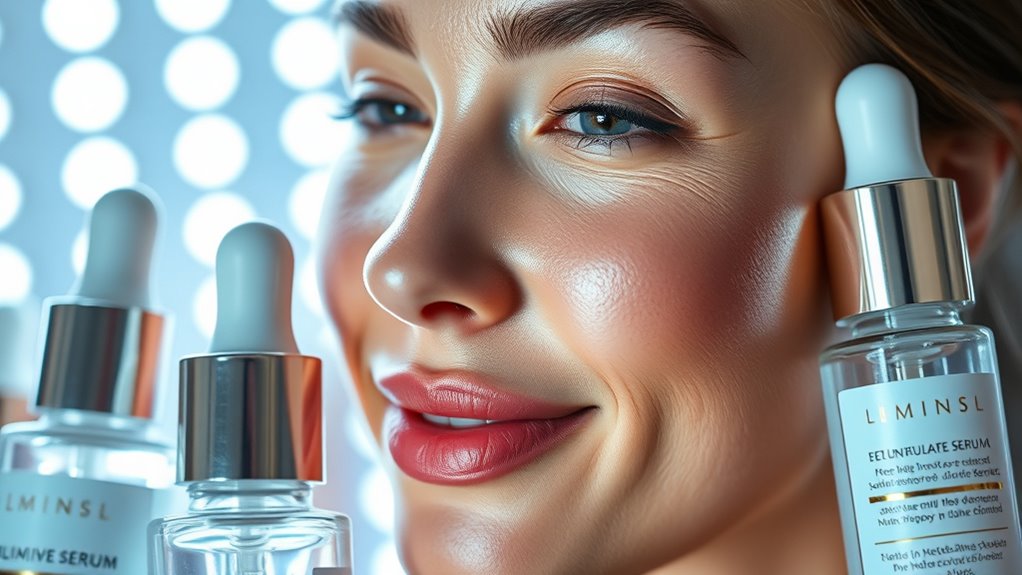
When choosing serums to use around LED sessions, it’s important to prioritize those with gentle, non-photosensitive ingredients. Look for products with simple serum composition, avoiding ingredients that increase photosensitivity or cause irritation. Serums designed for sensitive skin often have minimal, soothing ingredients that won’t interfere with LED light absorption. Check labels carefully to ensure the serum’s formulation promotes ideal skin absorption without blocking or reflecting light. Serums with heavy oils or occlusive agents can hinder light penetration, reducing therapy effectiveness. Stick to lightweight, water-based formulas that allow your skin to absorb nutrients efficiently. By selecting serums with appropriate composition, you help ensure your skin responds well to LED therapy and avoid potential interference caused by incompatible ingredients. Additionally, understanding how sound vibrations can influence skin health may enhance your overall skincare routine.
Tips for Preparing Your Skin to Maximize LED Therapy Benefits
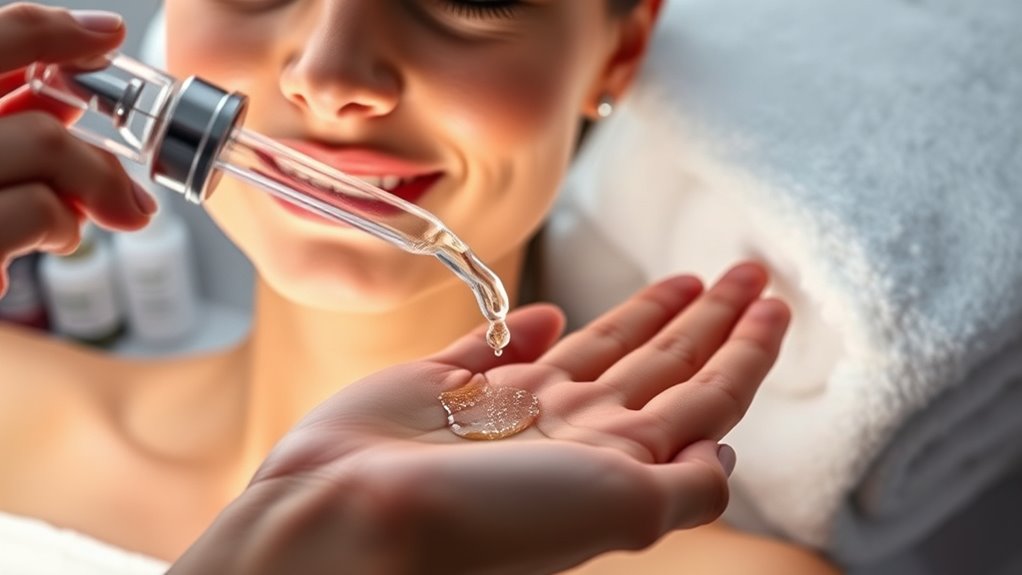
To get the most out of your LED therapy, start with a clean face by thoroughly cleansing your skin. Use gentle products that won’t irritate or clog your pores, and skip heavy oils that could create a barrier. Proper preparation guarantees your skin absorbs the treatment benefits more effectively. Additionally, maintaining consistent brand messaging can help reinforce your skincare routine’s effectiveness and ensure better results.
Cleanse Skin Thoroughly
Have you ever wondered how to get the most out of your LED therapy sessions? A clean, prepared skin makes all the difference. Start with double cleansing to remove dirt, oil, and makeup thoroughly. This step ensures no residue blocks the light. Next, focus on pore clearing, which helps prevent congestion and allows the LED light to penetrate more effectively. Here are four tips to maximize your prep:
- Use a gentle cleanser suited for your skin type
- Double cleanse if you wear makeup or heavy SPF
- Exfoliate lightly to remove dead skin cells (but not immediately before treatment)
- Pat your skin dry with a clean towel to avoid bacteria transfer
- Incorporate proper skincare routines to enhance overall skin health and optimize LED therapy results.
Proper cleansing creates a fresh canvas, boosting your LED therapy results.
Apply Gentle Products
Applying gentle, soothing products after cleansing helps calm your skin and prepare it for LED therapy. Choose serums with a balanced viscosity—neither too thick nor too watery—to guarantee even absorption without clogging pores. Opt for products with a serum pH close to your skin’s natural level (around 5.5) to maintain your skin’s barrier and prevent irritation. Gentle formulations help reduce inflammation and irritation, creating an ideal environment for LED therapy to work effectively. Avoid harsh ingredients or heavy textures that could interfere with light penetration. By selecting lightweight, soothing serums with proper viscosity and pH, you enhance the calming effects and set the stage for maximum LED treatment benefits. Proper preparation makes a noticeable difference in your skincare results.
Avoid Heavy Oils
Heavy oils can create a barrier on your skin that hampers the effectiveness of LED therapy. Oil-based formulations with greasy textures can block light penetration, reducing benefits. To improve results, avoid applying heavy oils before your session. Here are four tips:
- Skip thick, oil-based serums that feel greasy.
- Opt for lightweight, water-based products instead.
- Clean your skin thoroughly to remove residual oils and serums.
- Use gentle, oil-free moisturizers if needed after LED therapy.
Ensuring your skin is free of heavy oils helps light reach deeper layers. This simple step enhances LED therapy’s effectiveness and accelerates your skin’s renewal process. Always check product labels to confirm they’re oil-free before treatments.
Frequently Asked Questions
Can Using Certain Serums Immediately Before LED Therapy Diminish Its Effectiveness?
Using certain serums immediately before LED therapy can diminish its effectiveness because they may hinder serum absorption or affect ingredient stability. When you apply serums with ingredients like retinol or acids too close to your treatment, they might interfere with LED light penetration or cause skin irritation. To avoid this, wait at least 24 hours after applying potent serums, ensuring better absorption and stable ingredients for ideal LED therapy results.
Are There Specific Brands of Serums Known to Interfere With LED Treatments?
Certain brands of serums are known for ingredient interactions that can interfere with LED therapy. You should check product labels for ingredients like retinoids or acids, which may hinder treatment effectiveness. Trust brands with strong reputations for skincare safety and transparency, and always consult with a professional before combining serums with LED sessions. Avoid using serums with questionable ingredients right before your treatment to guarantee ideal results.
How Can I Tell if My Serum Contains Ingredients That Affect LED Therapy?
Ever wondered how to tell if your serum might interfere with LED therapy? You can start by carefully reading the ingredient list on the product. Look for common ingredients like retinoids, acids, or certain fragrances that may react negatively. Ingredient detection is key—if you’re unsure, do some research on unfamiliar items or consult your dermatologist. Staying informed helps you choose serums that won’t hinder your LED treatments.
Does Using a Serum After LED Sessions Impact the Treatment Results?
Using a serum after LED sessions can impact your treatment results by affecting serum absorption and ingredient interactions. If you apply a serum immediately afterward, it might clog pores or interfere with the LED light’s effectiveness. To avoid this, wait at least 24 hours before applying serums containing active ingredients. This guarantees your skin fully absorbs the treatment and minimizes any negative ingredient interactions, maximizing your LED therapy benefits.
Are There Alternatives to Serums That Enhance LED Therapy Without Interference?
You want natural alternatives to enhance LED therapy without interference. Topical applications like aloe vera, chamomile, or hyaluronic acid can boost your skin’s healing and hydration, supporting the session’s benefits. These options are gentle, effective, and won’t disrupt LED’s light penetration. By choosing these natural alternatives, you guarantee your treatment remains ideal without risking any interference from traditional serums.
Conclusion
To maximize your LED therapy, be mindful of your skincare routine. Avoid applying thick, oily, or fragranced serums beforehand, and choose products that support, not sabotage, your session. Timing is key—wait after treatments to layer on potent ingredients. By balancing your serums and boosting your skin’s receptivity, you’ll experience brighter, better benefits. Keep these tips in mind, and let your luminous, lively skin lead the way!