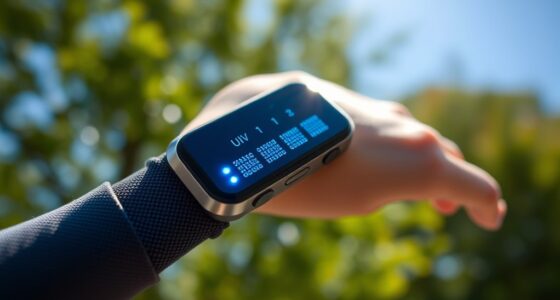
AI-powered skin scanners can improve early detection of skin cancers and dermatological issues, but their accuracy hinges on the quality and diversity of the data they’re trained on. They analyze skin images for patterns, colors, and textures, yet their effectiveness can be affected by poor image quality, lighting, or angles. Keep in mind, these devices are meant to assist, not replace, medical professionals. To discover more, explore how ongoing improvements are shaping their reliability.

Get wellness gear delivered free with Prime
- Fast, free delivery on millions of items
- Prime Video, Amazon Music and more included
- Member-only deals all year
Key Takeaways
- AI skin scanners analyze skin images for signs of cancer, improving early detection and diagnostic speed.
- Their accuracy heavily relies on diverse, high-quality training datasets representing various skin tones.
- Image quality, lighting, and user technique can impact the reliability of AI assessments.
- AI tools serve as supportive aids, requiring dermatologist interpretation for accurate diagnosis.
- Limitations include potential biases and false positives/negatives due to data gaps and image issues.
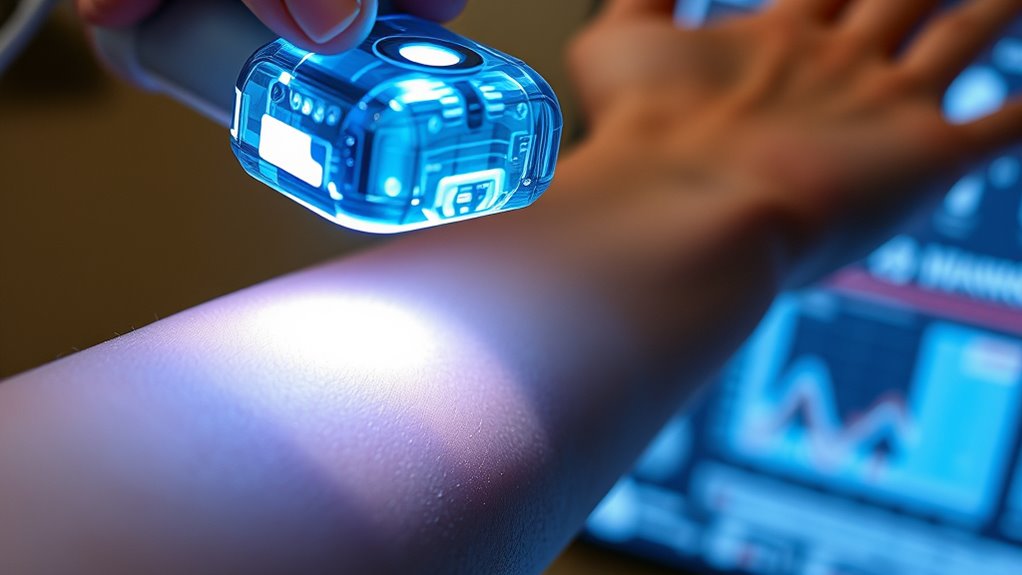
Have you ever wondered how technology is transforming skincare? AI-powered skin scanners are at the forefront of this revolution, offering new ways to detect and monitor skin conditions with remarkable precision. These devices use advanced algorithms to analyze images of your skin, helping identify signs of skin cancer and other dermatological issues more quickly than traditional methods. When it comes to skin cancer, early detection is critical, and AI tools can assist dermatologists in making more accurate diagnoses by highlighting suspicious moles or lesions that might otherwise go unnoticed. Instead of relying solely on visual inspection, these scanners evaluate patterns, colors, and textures, providing an objective assessment that can complement a dermatologist’s expertise. This way, you get faster, more reliable dermatological diagnosis, which could be lifesaving in cases of melanoma or other skin malignancies.
However, despite their impressive capabilities, AI-powered skin scanners aren’t perfect. They operate based on the data they’ve been trained on, meaning their accuracy depends heavily on the quality and diversity of that data. If the training datasets lack representation from different skin tones or rare conditions, the device’s ability to accurately analyze your skin could be compromised. This is especially important because some skin cancers can appear differently across various ethnicities, and an AI model that’s not inclusive might miss or misinterpret certain signs. Additionally, these tools are designed to assist, not replace, medical professionals. While they can flag potential issues, a thorough dermatological diagnosis still requires a trained specialist to interpret the results within the context of your overall health and medical history.
Another limitation involves the technology’s dependence on image quality. Poor lighting, inconsistent angles, or low-resolution images can reduce the scanner’s accuracy. This means that for the best results, you need to verify proper image capture, which might be challenging in a home setting without proper training or equipment. Furthermore, AI skin scanners might give false positives or negatives, leading to unnecessary worry or overlooked issues. Relying solely on these devices without professional follow-up could delay necessary treatment or cause undue concern. Also, the effectiveness of these scanners can be influenced by AI training data quality, emphasizing the importance of diverse and comprehensive datasets to improve accuracy across different populations.
AI skin cancer detection scanner
As an affiliate, we earn on qualifying purchases.
As an affiliate, we earn on qualifying purchases.
Frequently Asked Questions
Can AI Skin Scanners Detect Skin Cancer Accurately?
AI skin scanners can detect skin cancer with a good level of accuracy, but their algorithm accuracy varies. They help identify suspicious spots early, yet they aren’t foolproof. You should use these tools as a supplementary step, not a replacement for professional diagnosis. Always consult a dermatologist for a thorough examination. Relying solely on AI may impact diagnostic reliability, so combining technology with expert advice guarantees the best care.
How Do AI Skin Scanners Compare to Dermatologist Assessments?
You’ll find that AI skin scanners, powered by machine learning and advanced image analysis, can sometimes match dermatologist assessments in detecting skin issues. They analyze images quickly and consistently, helping identify potential concerns early. However, they still lack the nuanced judgment of a dermatologist, especially in complex cases. So, while they’re useful tools, it’s best to consult a professional for a definitive diagnosis and personalized advice.
Are AI Skin Scanners Safe for All Skin Types?
Imagine a futuristic skin scanner like a vintage radio, tuned precisely for different frequencies. You might wonder if it’s safe for all skin types. Generally, AI skin scanners are designed to be compatible with various skin types, but they may pose concerns for those with skin sensitivity. Always check if the device specifies skin type compatibility and consult a dermatologist if you have skin sensitivity concerns before using it.
What Are the Costs Associated With Ai-Powered Skin Scanning Devices?
You’ll find that the costs of AI-powered skin scanning devices vary, with a typical cost analysis ranging from a few hundred to several thousand dollars. Keep in mind, maintenance expenses also add to your total costs, including software updates and calibration. While initial investments can be high, these devices often save you money long-term by providing accurate, quick skin assessments, reducing the need for frequent in-person dermatologist visits.
How Is Personal Data Protected During Skin Scanning Processes?
Your personal data is guarded more fiercely than a treasure chest in a fortress. During skin scans, data security measures like encryption and secure servers shield your information from prying eyes. Privacy policies clearly outline how your data is collected, stored, and used, ensuring your privacy stays intact. Trust that reputable devices prioritize your confidentiality, giving you peace of mind knowing your sensitive info remains protected every step of the way.
As an affiliate, we earn on qualifying purchases.
Conclusion
While AI‑powered skin scanners showcase stunning sophistication and serve as savvy skin saviors, they still stumble on subtle spots and sensitive signals. You’ll want to weigh their wonderful wonders with wary wisdom, understanding their limitations. Remember, no scanner substitutes skilled skincare specialists. Use these tools as helpful hints, not holy grails. Stay savvy, stay safe, and safeguard your skin’s story—because perfect perfection remains a pursuit, not a guarantee.
As an affiliate, we earn on qualifying purchases.
As an affiliate, we earn on qualifying purchases.
Halloween Picks
halloween
As an affiliate, we earn on qualifying purchases.