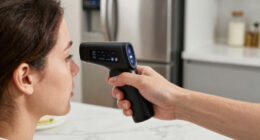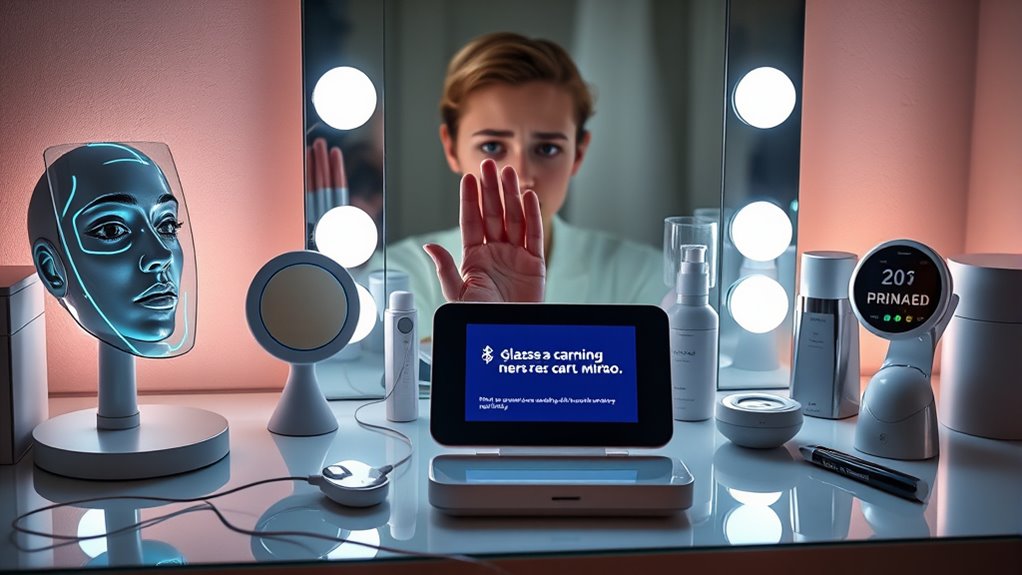

Using smart beauty devices means your sensitive personal data, like images and skin health details, could be at risk if privacy practices aren’t clear. You should make sure you understand how your data is collected, stored, and shared, and look for devices that use strong encryption to protect your information. Be cautious about hidden terms and always grant permission knowingly. If you want to stay ahead of potential risks, there’s more you need to know to keep your privacy safe.
Key Takeaways
- Personal data collected by smart beauty devices, such as images and skin metrics, may be shared or used without full user awareness.
- Lack of transparent privacy policies can lead to unintentional data sharing or misuse of sensitive beauty and health information.
- Inadequate encryption protocols increase the risk of personal data breaches and unauthorized access by cybercriminals.
- Users often lack clarity on how their data is stored, used, or sold, raising concerns about privacy rights and consent.
- Ensuring device manufacturers follow strong security practices and obtain explicit user permission is essential for protecting privacy.

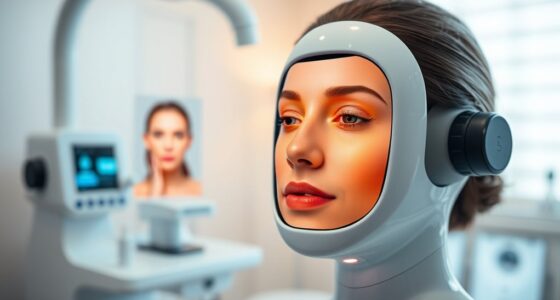
Have you ever wondered how much of your personal information is collected online? When you use smart beauty tech devices, like AI-powered mirrors or personalized skincare apps, you’re sharing more than just your beauty routines. These devices gather sensitive data—images, skin analysis results, preferences—that can reveal a lot about you. Many users aren’t fully aware of what data is being collected or how it’s being used. That’s where user consent becomes essential. Manufacturers should clearly inform you about what data they intend to collect and obtain your explicit approval before doing so. Yet, in many cases, this step is overlooked or buried in lengthy terms and conditions. You need to stay vigilant and demand transparency, ensuring you’re comfortable with how your information is handled.
Once your data is collected, protecting it becomes the next big concern. Data encryption plays a critical role here. It’s a security measure that transforms your information into an unreadable format, making it nearly impossible for unauthorized parties to access your personal details. When data is encrypted, even if hackers manage to breach the system, they can’t decipher your sensitive information without the encryption keys. This extra layer of security is especially important with smart beauty tech, where highly personal data—like images of your face or skin health metrics—is stored or transmitted. Without proper encryption, your data risks falling into the wrong hands, leading to potential misuse, identity theft, or privacy breaches. Additionally, data security protocols are vital to ensure comprehensive protection of your information from evolving cyber threats.
However, not all devices or companies prioritize data encryption, and that’s a significant concern. When encryption isn’t adequately implemented, your personal information becomes vulnerable. It’s essential for you to check whether the companies behind these devices use robust encryption protocols and follow best practices in cybersecurity. Sometimes, even with user consent and encryption, data can be mishandled or sold to third parties, increasing risks of privacy invasion. That’s why understanding the company’s privacy policies and data handling practices is just as important as trusting their security measures.
In the end, your personal data in the domain of smart beauty tech should only be collected with your clear permission and protected with strong security measures like data encryption. Don’t hesitate to ask questions about how your information is used, stored, and secured. You have the right to control your personal data, and awareness is your best defense against potential privacy concerns. As technology advances, so should your vigilance, ensuring that innovation doesn’t come at the expense of your privacy.

Luyismer Universally Camera Blockers Shield for Glasses Eyewears Lens Cover Quick Setups Privacy Protections Durability ABS Design ABS Camera Protector for Glasses
Ensures privacy and security with this ABS smart glasses privacy cover, designed to effectively block camera lenses and…
As an affiliate, we earn on qualifying purchases.
As an affiliate, we earn on qualifying purchases.
Frequently Asked Questions
How Is My Biometric Data Stored Securely?
Your biometric data is stored securely through robust measures like biometric encryption, which protects your information with advanced encryption algorithms, making it unreadable to unauthorized users. Additionally, data anonymization techniques are used to remove personal identifiers, ensuring your privacy is maintained. Developers also implement strict access controls and regular security audits, so your biometric data stays safe and confidential, giving you peace of mind while using smart beauty tech.
Can Third Parties Access My Personal Beauty Data?
Oh, absolutely, third parties can access your personal beauty data—if they get the chance. Most devices share data through data sharing agreements, often without you realizing it. While companies claim they protect your info, third-party access isn’t always fully restricted. So, next time you use that smart beauty gadget, remember, your data might be shared more freely than you think, raising serious privacy concerns.
What Are the Risks of Data Breaches in Smart Beauty Devices?
Data breaches in smart beauty devices pose significant risks, risking your personal information, skincare routines, and preferences. Hackers can access unencrypted data if security measures like data encryption aren’t in place. To protect yourself, make certain your device uses strong data encryption and that you’ve given clear user consent. Stay vigilant about updates and security settings, so your sensitive data remains private and secure from unauthorized access.
How Transparent Are Companies About Their Data Collection Practices?
You might find that companies vary in transparency about their data collection practices. Some prioritize user consent by clearly explaining what data they gather and how they use it, fostering trust. Others may not be as upfront, leaving you uncertain about your privacy. To protect yourself, look for brands that demonstrate strong corporate transparency, openly sharing their data policies, and ensuring you’re informed before you agree to any data collection.
Are There Legal Regulations Protecting My Beauty Data Privacy?
Your beauty data isn’t just protected—it’s practically shielded by a fortress! Laws like GDPR and CCPA give you rights over your data, including Consumer Consent and Data Ownership. These regulations require companies to get your permission before collecting info and let you control how it’s used. Always read privacy policies and ask questions. While protections are strong, staying vigilant keeps your data safe in this high-tech beauty world!

AISIA-O1 Series AI Skin Analysis Device – 30MP Multi-Spectral Facial Scanner, 9 Imaging Modes, Professional Skin Assessment Tool for Skincare Professionals
30MP High-Definition Camera: Captures detailed facial images with 50x magnification for clear visual analysis.
As an affiliate, we earn on qualifying purchases.
As an affiliate, we earn on qualifying purchases.
Conclusion
So, next time your smart mirror whispers your skincare secrets to the cloud, just remember—you’re basically giving your beauty routine a VIP backstage pass to everyone’s data party. Who knew that a little gadget promising flawless skin could turn into your personal data spy? But hey, at least you’ll look good while your info’s being sold to the highest bidder. Cheers to embracing beauty tech—just maybe keep an eye on what it’s actually sharing!

YCQDDA Cubicle Mirror to See Behind You – Adjustable Monitor Rear View Mirror for Office Desk, Personal Security & Privacy, Fits PC Monitors or Cubicle Walls
【360° ROTATABLE WIDE-ANGLE VIEW】Stay aware of your surroundings with a distortion-free convex acrylic mirror. Perfect for office cubicles,…
As an affiliate, we earn on qualifying purchases.
As an affiliate, we earn on qualifying purchases.

Home use Drug-Free Device Compact Home use Device Built in Simple handling – Basic The-rapy Machine for Personal Health Care
Universal Power Supply: Works from 90V to 270V for convenient use in various locations
As an affiliate, we earn on qualifying purchases.
As an affiliate, we earn on qualifying purchases.