
TL;DR

Get wellness gear delivered free with Prime
- Fast, free delivery on millions of items
- Prime Video, Amazon Music and more included
- Member-only deals all year
A Fit&Well report describes yoga nidra, a guided relaxation practice performed lying down or seated, and says a yoga therapist recommends it to clients seeking better sleep. The report cites research on sleep-like brain activity and relaxation responses, but does not provide study details or establish that the practice treats sleep disorders.
Fit&Well has published a yoga therapist’s recommendation of yoga nidra, a guided relaxation practice done without movement, for clients looking for better sleep. The report says the practice may support relaxation and describes research on sleep-like brain activity, but it does not establish yoga nidra as a treatment for insomnia or other sleep disorders.
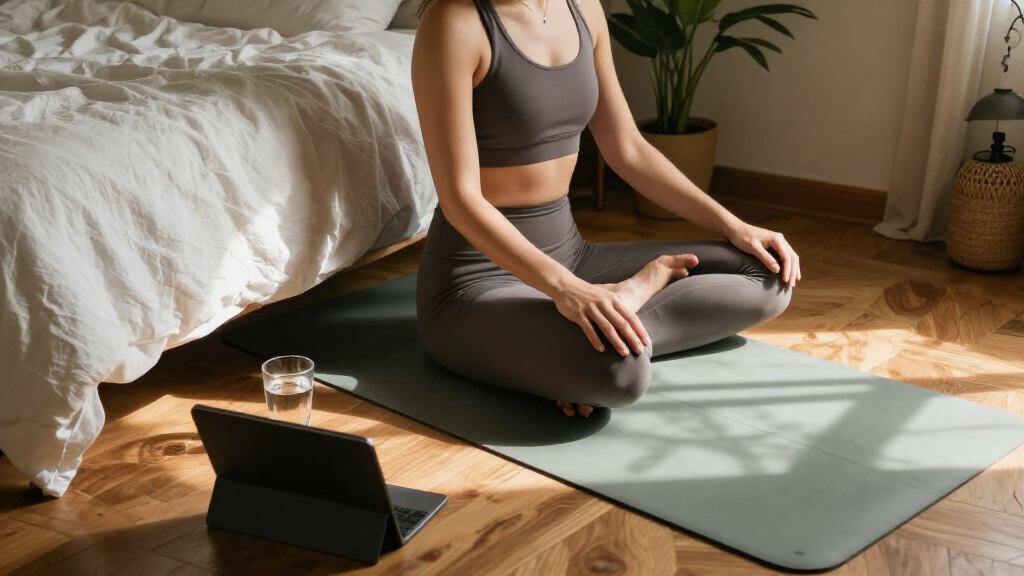
The therapist, who says they have practised yoga nidra for almost 20 years and use it in yoga therapy work, describes the practice as guided rest. Participants usually lie on their backs, though a comfortable seated position is also possible. The body remains still while the practitioner follows spoken instructions; falling asleep is allowed, although the practice may also involve remaining aware of the guidance.
The report distinguishes yoga nidra from meditation that asks someone to concentrate on a particular point. It presents nidra as a relaxation practice involving stages such as awareness of the body and breath, along with guided visualisations. The therapist recommends using audio led by a trained teacher, particularly for the practice’s more structured elements.
Suggested sessions range from 10 to 20 minutes to longer practices of about 30 to 45 minutes. The report also suggests trying a shorter session first if remaining still feels uncomfortable. Because some sessions may leave people feeling refreshed, it advises trying the practice earlier in the evening rather than assuming it will immediately lead to sleep.
A Low-Movement Option for Evening Rest
The recommendation may interest people who find movement-based yoga difficult or who want a quiet routine before bed. Yoga nidra can be done lying down or seated, and the report describes options lasting as little as 10 minutes. Those features make it a potentially accessible relaxation activity, though individual experiences may differ.
The distinction between relaxation support and sleep treatment matters. The report’s account of research does not include study names, participant numbers, or results, so readers cannot assess the strength or limits of the evidence from this material alone. It does not show that yoga nidra reliably improves sleep for everyone, replaces established care, or resolves persistent sleep problems.
The report also gives a safety caution: it says the practice may not be suitable for people living with PTSD, psychosis, or an unstable mental health condition without prior advice. For those readers, checking with a qualified health professional or trained practitioner before trying a guided session is more appropriate than relying on a general recommendation.
Products Worth Considering

Therabody SmartGoggles 2nd Gen Heated Eye and Temple Massager

Withings Sleep Under-Mattress Sleep Tracking Pad

Philips Sonicare 5950 Rechargeable Electric Toothbrush with 2 Brush Heads, Pink
As an affiliate, we earn on qualifying purchases.
From Yogic Practice to Guided Sessions
Yoga nidra is translated in the report as “yogic sleep.” It says the practice was brought into wider attention in the 1960s by Swami Satyananda at the Bihar School and is now regularly studied in sleep research. The supplied article does not identify particular studies or provide a timeline for that research.
In the therapist’s description, a session typically involves settling into a supported position and listening to instructions. A cushion, blanket, bolster under the knees, or eye mask may help someone remain comfortable while still. The report says the body can cool slightly when lying still, which is why a blanket may be useful.
The report names classical Bihar School practices and iRest, associated with Dr Richard Miller, as examples of guided approaches. It recommends that beginners start with a short recording and says more involved elements, including rotation of awareness and visualisation, are best followed with guidance. These are practical suggestions from the article, not a guarantee of a particular sleep result.
““I’ve been practicing yoga nidra for almost 20 years and now use it in my yoga therapy work.””
— The yoga therapist quoted in the Fit&Well report
Evidence and Individual Results
The supplied report says research has found that yoga nidra gradually shifts brain activity toward a state similar to deep non-REM sleep and may activate the parasympathetic, or resting, system. It also describes reductions in heart rate, breathing rate, and blood pressure. However, it gives no study citations, methods, sample sizes, or measurements, so the strength and scope of those findings cannot be evaluated from the article provided.
It is also unclear how consistently the practice changes sleep outcomes, which session formats were studied, or whether benefits differ among people with particular health conditions. The therapist’s recommendation reflects professional experience, but the source material does not report a controlled comparison or claim that yoga nidra can treat a diagnosed sleep disorder.
The report advises people with PTSD, psychosis, or an unstable mental condition to seek advice from a trained practitioner first. It does not explain the basis for each caution or offer individual clinical guidance. Anyone with persistent sleep difficulties or concerns about whether a relaxation practice is suitable should consult a qualified health professional.
Trying a Short Guided Session
For readers who want to try the approach, the report’s suggested next step is a short guided practice, such as a 10- to 12-minute introduction, before attempting a longer session. A quiet place and a comfortable lying or seated position can help; support under the head or knees and a blanket are optional adjustments described in the article.
Readers can observe how they feel during and after a session, including whether it relaxes them or leaves them more alert. The report suggests experimenting earlier in the evening if a practice feels refreshing. It gives no follow-up study, clinical recommendation, or promised timeline for improved sleep, so any results should be treated as individual rather than assured.
People with the mental health conditions named in the report should seek professional advice before beginning. The source material does not indicate whether Fit&Well or the therapist plans to publish additional evidence or updated guidance.
Key Questions
What is yoga nidra?
Yoga nidra is a guided relaxation practice performed while lying down or sitting comfortably. The body stays still while the participant listens to instructions about areas such as body awareness, breathing, and visualisation.
Does yoga nidra guarantee better sleep?
No. The Fit&Well report presents it as a practice that may support relaxation and discusses research on sleep-like brain activity, but it does not establish that yoga nidra will improve sleep for everyone or treat a sleep disorder.
How long should a beginner practise?
The report suggests starting with a 10- to 20-minute guided session. It also describes longer options of about 30 to 45 minutes. These are suggested formats, not a medically established dose.
Who should get advice before trying yoga nidra?
The report says people living with PTSD, psychosis, or an unstable mental health condition should seek advice from a trained practitioner first. People with ongoing sleep concerns can also ask a qualified health professional for guidance.
Is yoga nidra the same as meditation?
The therapist quoted in the report says yoga nidra is commonly mistaken for meditation but does not require concentrating on one point. The article characterises it instead as a guided relaxation practice in which the body rests while the mind may remain aware of the instructions.
Source: fitandwell.com