TL;DR
Wearable technology is the top fitness trend for 2027 in the American College of Sports Medicine’s annual ranking, taking the No. 1 spot for the 10th time since the category entered the survey in 2016. Mobile exercise apps rose to No. 2, balance, flow and core training reached No. 3, and group fitness climbed six places to No. 7.
Wearable technology is the top fitness trend heading into 2027, according to the American College of Sports Medicine’s annual Worldwide Fitness Trends report, while mobile exercise apps and balance, flow and core training also moved into the top three. The report ranks trends fitness professionals expect to influence the industry in the coming year; its findings describe professional expectations, not a direct measurement of what all consumers are doing.

Get wellness gear delivered free with Prime
- Fast, free delivery on millions of items
- Prime Video, Amazon Music and more included
- Member-only deals all year
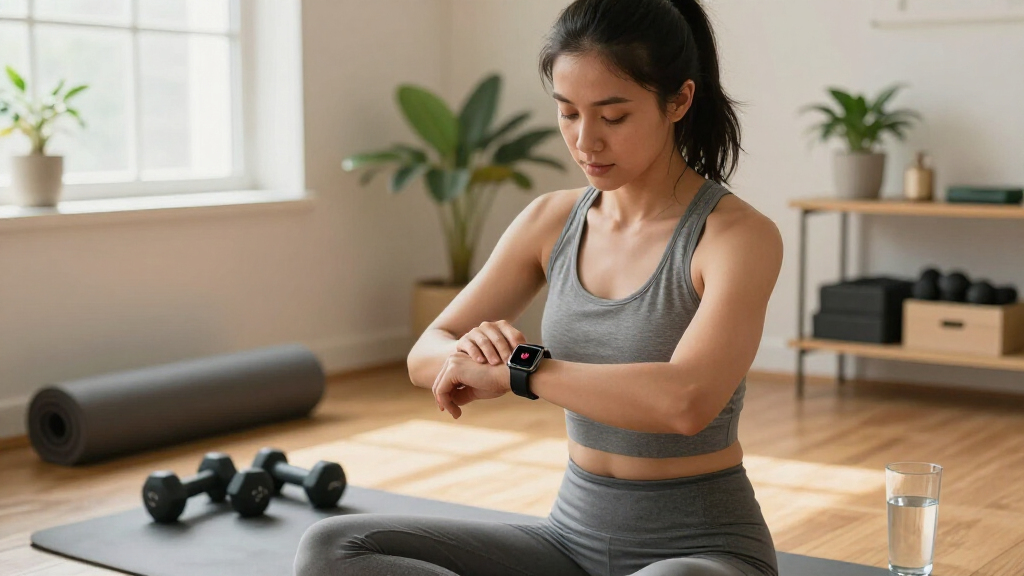
Published in ACSM’s Health & Fitness Journal, the report places wearables at No. 1 for the 10th time since the category first appeared in the survey in 2016. Smartwatches, fitness trackers and other devices can track measures such as activity, heart rate, sleep and recovery. ACSM’s report says wearables were the only trend to rank among the top three across every professional role, work setting and experience category examined.
Mobile exercise apps rose from fourth to second, and the category of balance, flow and core strength moved from fifth to third. That category covers Pilates, yoga, barre and mobility-focused exercise. Group fitness classes recorded one of the largest increases, rising from No. 13 to No. 7. Data-driven training technology remained at No. 8, while exercise for weight management ranked No. 6.
Other leading entries include fitness programs for older adults at No. 4 and traditional strength training at No. 5. ACSM says programming for older adults has remained in the top five for five consecutive years. Exercise for mental health and well-being also stayed in the top 10 for a fourth consecutive year, according to the supplied report.
Apps and Classes Gain Ground
The ranking points to a fitness market shaped by both technology-enabled training and offerings built around movement skills, life stage and social participation. Wearables’ leading position suggests that fitness professionals expect tracking devices to remain influential, while apps’ rise signals continued interest in workouts and coaching that can be accessed beyond a gym.
The gains for balance, flow and core training and for group classes may matter to studios and operators deciding what programming to offer. The report describes the categories’ rising rankings and identifies possible appeal, including instructor guidance and social interaction. It does not establish why each trend rose, show that every consumer shares those preferences, or prove that a particular format produces better health outcomes.
For readers, the list is best understood as an industry outlook, rather than a prescription to buy a device or adopt a specific workout. A ranking reflects the expectations captured by ACSM’s survey and can help indicate where professionals anticipate attention and investment in the coming year.
Products Worth Considering

Garmin Forerunner 165 Running Smartwatch 43mm Whitestone

Garmin Forerunner 970 GPS Running and Triathlon Smartwatch, 47mm, Carbon Gray DLC Titanium with Black/Whitestone Band

Withings BPM Connect Wi-Fi and Bluetooth Blood Pressure Monitor
As an affiliate, we earn on qualifying purchases.
How ACSM Builds Its Annual List
ACSM’s Worldwide Fitness Trends report is an annual survey-based ranking intended to identify trends fitness professionals expect to affect the industry in the coming year. The 2027 edition is the report’s 21st year. Its results are rankings of anticipated influence, rather than a census of participation or a controlled comparison of workout results.
The report’s trend categories include both equipment and forms of exercise. Wearable technology refers to devices used to monitor activity and other measures, while data-driven training technology is listed separately. Likewise, the balance, flow and core category groups several activities, including Pilates, yoga and barre, rather than ranking each one individually. This distinction matters when interpreting a category’s position: a rise does not, by itself, identify which activity drove it.
ACSM’s lead author, Cayla McAvoy, chairs the organization’s Trends Workgroup. The supplied report also quotes workgroup member Rachelle Reed on the potential role of group exercise in helping people maintain participation. Those comments explain the authors’ interpretation of the rankings; they are not survey findings proving that social support causes adherence.
“Technology continues to shape how people approach fitness, but this year’s rankings also highlight the value of shared experiences and programs that fit different stages of life.”
— Cayla McAvoy, report lead author and chair of ACSM’s Trends Workgroup
What the Rankings Cannot Show
The supplied report does not provide the survey’s detailed methodology, respondent count, field dates or the size of changes in respondents’ ratings. It is therefore not possible from this material to assess how representative the responses are or how large a shift in opinion underlies each movement in rank.
The rankings also do not establish consumer participation levels, sales of devices or apps, or the effectiveness of specific workouts. A category moving up may reflect changing professional expectations, but the report information provided does not identify a single cause. The balance, flow and core category bundles multiple activities, so its ranking cannot be attributed to Pilates alone.
The source material ends partway through its discussion of the top 10, after noting the position of exercise for mental health and well-being. It does not provide the full remaining list or further detail on those entries here. No additional ranking details should be inferred from that incomplete material.
How the 2027 Outlook May Be Used
The report’s rankings offer fitness professionals and operators a snapshot of the areas ACSM survey respondents expect to shape the year ahead. Gyms, studios and trainers may use the results when considering equipment, app-supported services, classes and programs tailored to older adults, though the rankings do not require any organization to make those changes.
The next useful developments would be more detail on the survey’s methods and any follow-up evidence showing whether the predicted trends translate into participation, business decisions or sustained activity. Until then, the report is an annual forecast—not confirmation of how the fitness market or individual behavior will change in 2027.
Key Questions
What is the top fitness trend for 2027?
Wearable technology ranks No. 1 in ACSM’s Worldwide Fitness Trends report. The category has ranked first 10 times since it entered the survey in 2016.
Which trends rose the most in the rankings?
Group fitness classes rose six places, from No. 13 to No. 7. Mobile exercise apps moved from No. 4 to No. 2, and balance, flow and core strength rose from No. 5 to No. 3.
Does the report show that more people are using fitness apps?
No. It shows that fitness professionals ranked mobile exercise apps higher as an expected trend. The supplied information does not give consumer usage figures or prove that app participation increased.
What activities are included in balance, flow and core strength?
The category includes Pilates, yoga, barre and mobility-focused exercise. Because it combines several activities, its No. 3 ranking does not show which one contributed most to the result.
Can the rankings predict which workout is best for an individual?
No. The report is an industry outlook, not personalized advice or a comparison of workout outcomes. Individual exercise choices depend on a person’s goals, preferences and circumstances.
Source: rss