
To avoid common home laser mistakes, always follow the manufacturer’s instructions and safety protocols, including wearing protective eyewear. Conduct a patch test first to check for reactions, and never use on broken or irritated skin. Make certain your skin is clean and dry beforehand, and avoid sun exposure after treatment. Using the device correctly and consulting professionals if unsure can make a big difference. Keep these tips in mind, and you’ll discover even more ways to guarantee safe, effective treatments.

Get wellness gear delivered free with Prime
- Fast, free delivery on millions of items
- Prime Video, Amazon Music and more included
- Member-only deals all year
Key Takeaways
- Always follow the manufacturer’s instructions and safety precautions before using the device.
- Conduct a patch test to check skin reactions and avoid overuse to prevent irritation.
- Ensure your skin is clean, dry, and free of products before treatment.
- Use protective eyewear and avoid laser use on broken or sunburned skin.
- Consult a professional if unsure about device compatibility with your skin or hair type.
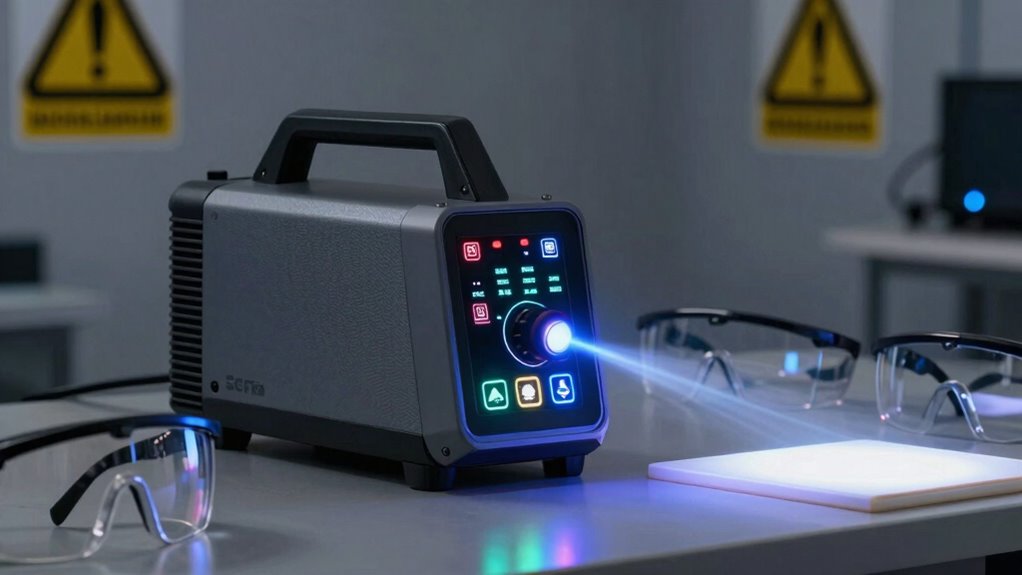
Using a home laser device can be an effective way to manage hair removal or skin treatments, but many people make common mistakes that hinder results or cause safety concerns. One of the biggest pitfalls is neglecting laser safety. You might think that since you’re using the device at home, safety protocols aren’t as critical, but that’s far from true. Always read the manufacturer’s instructions carefully before each use, and never skip safety precautions. Wearing protective eyewear is essential because laser light can harm your eyes, even if you’re only targeting small areas. Make sure your skin is clean, dry, and free of any products like lotions, creams, or deodorants, which can interfere with laser efficacy and safety. Also, avoid using the device on broken, irritated, or sunburned skin—these conditions increase your skin’s sensitivity and the risk of adverse reactions.
Skin sensitivity is another critical factor often overlooked. If your skin is particularly sensitive or prone to reactions, you need to approach laser treatments with caution. Start with a patch test on a small area to see how your skin reacts before proceeding with a full treatment. If you notice redness, swelling, or discomfort, give your skin time to recover before continuing. Using the device too frequently can also increase your skin’s sensitivity, leading to irritation or even burns. Follow the recommended treatment schedule strictly, and don’t rush the process. Overdoing it can damage your skin and diminish results. Additionally, understanding your skin tone and hair color is crucial, as home lasers work best on certain combinations, typically light skin with dark hair. If your skin is darker or your hair is light, you might not see the desired results, and the risk of skin irritation increases. Consulting a professional or researching laser device compatibility for your specific skin type can help you make safer choices. Proper pre-treatment preparation can further enhance your results and reduce risks. It’s also wise to consult a dermatologist if you have concerns about your skin before starting treatments. Moreover, taking steps to maintain skin health before and after treatments can improve overall outcomes. Also, avoid exposing treated areas to direct sunlight immediately after treatment, as this can heighten skin sensitivity and cause pigmentation issues. Using sunscreen diligently helps protect your skin and ensures safer, more effective results.
Products Worth Considering

Levoit Eleva 300X HEPA Air Purifier for Home and Bedroom

BowFlex Results Series SelectTech 552 Adjustable Dumbbell

Hyperice Normatec Elite Wireless Compression Boots
As an affiliate, we earn on qualifying purchases.
Frequently Asked Questions
Can I Use Home Laser Devices on All Skin Tones?
You can’t use home laser devices on all skin tones safely. Skin tone considerations are essential because some devices aren’t compatible with darker skin, increasing the risk of burns or pigmentation issues. Always check your device’s compatibility with your skin tone before starting treatments. If your skin is darker, opt for devices specifically designed for broader skin tone compatibility or consult a professional to avoid potential complications.
How Often Should I Replace Laser Cartridges or Parts?
Think of your laser device as a trusty garden tool; it needs care to stay sharp. You should replace cartridges or parts based on their lifespan, typically after 10-15 sessions or as recommended by the manufacturer. Keep an eye on the replacement schedule, so your device works efficiently. Regularly checking and swapping out worn parts guarantees the laser maintains its power, helping you achieve smooth, effective results every time.
Are There Specific Areas to Avoid When Using Laser Hair Removal?
Yes, you should avoid sensitive areas like the eyes, eyebrows, and lips during home laser hair removal. Always follow safety precautions, such as wearing protective goggles and keeping the device properly maintained. Avoid using the laser on broken or irritated skin, and never target tattooed or pigmented areas. Staying cautious helps prevent injuries and ensures effective results, so regularly check your device’s maintenance guidelines for safe, ideal use.
What Should I Do if I Experience a Skin Reaction?
When you experience a skin reaction, it’s best to play it safe and act quickly. If you notice allergic reactions like redness, swelling, or blistering, immediately stop the treatment. Apply cold compresses and use over-the-counter hydrocortisone cream for relief. If symptoms worsen or persist, seek immediate first aid by contacting a healthcare professional. Don’t brush off the signs—they’re often a red flag.
Is It Safe to Use a Home Laser Device Around Pets?
Using a home laser device around pets isn’t entirely safe. For pet safety, always keep your device out of their reach and avoid laser confinement in areas where pets frequent. Laser light can startle or harm their eyes, so it’s best to turn off the device when pets are nearby. Ensuring proper laser confinement and maintaining a safe environment helps protect your furry friends during treatments.
Conclusion
So, despite all the warnings and tips, it’s almost amusing how many of us still stumble into these laser pitfalls. After all, who knew that ignoring instructions or rushing could turn a simple home treatment into a costly mistake? But hey, if you enjoy the thrill of a potential mishap, go ahead—just don’t say we didn’t warn you. With a little care, you’ll master laser sessions without turning your home into a disaster zone.