
Before your home hair-removal session, shower or bathe to remove oils, sweat, and dirt, then make sure your skin is completely dry. Trim longer hairs to about a quarter-inch and exfoliate gently a day or two beforehand to reduce ingrown hairs. Avoid lotions, sun exposure, and tight clothing on the day of treatment. Hydrate your skin and follow any specific instructions for shaving or preparing the area. Keep going to discover more tips for a smoother, safer experience.

Get wellness gear delivered free with Prime
- Fast, free delivery on millions of items
- Prime Video, Amazon Music and more included
- Member-only deals all year
Key Takeaways
- Shower or bathe to thoroughly cleanse skin and remove oils, sweat, and dirt before the session.
- Ensure skin is completely dry to maximize the effectiveness of laser or waxing treatments.
- Trim hair to about 1/4 inch for laser or to a grain of rice size for waxing for optimal removal.
- Gently exfoliate 1-2 days prior to remove dead skin and prevent ingrown hairs.
- Avoid lotions, deodorants, and sun exposure for at least two weeks before to reduce irritation and sensitivity.
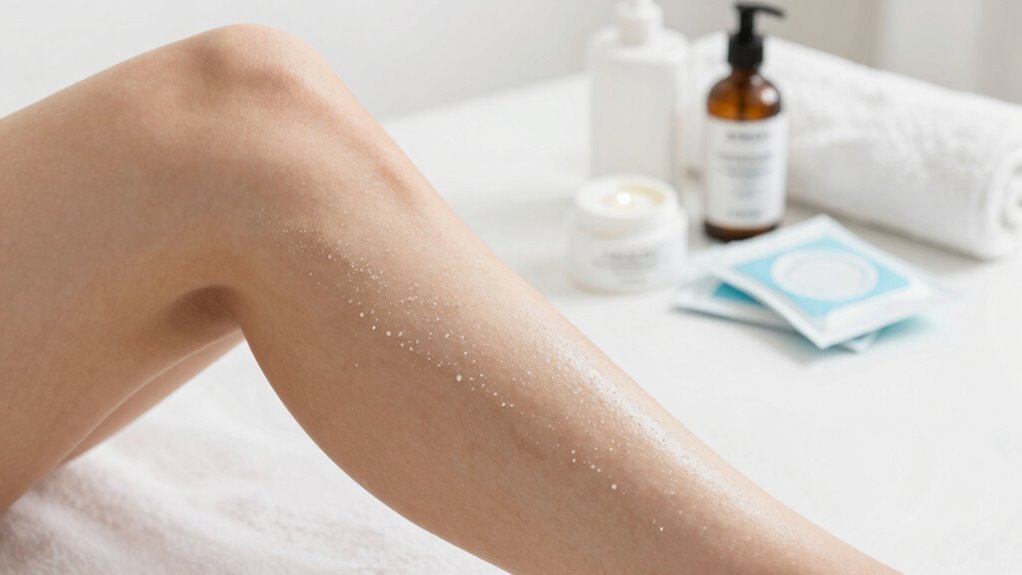
Getting your skin ready before hair removal is essential for a smooth and effective process. Proper preparation helps minimize irritation, reduces the risk of ingrown hairs, and guarantees better results whether you’re planning to try laser hair removal or use waxing techniques at home. The key is to start with clean, dry skin. Before your session, shower or bathe to remove oils, sweat, and dirt. Make sure your skin is completely dry afterward, as moisture can interfere with the effectiveness of certain hair removal methods, especially laser treatments.
If you’re considering laser hair removal, it’s important to avoid applying lotions, creams, or deodorants on the day of your session. These products can create a barrier that diminishes the laser’s ability to target hair follicles effectively. For waxing techniques, it’s best to let your hair grow out for about 1/4 inch—roughly the length of a grain of rice—so the wax can grip the hair properly. Trimming longer hairs beforehand can make the process less painful and more efficient. You should also exfoliate gently a day or two before your appointment to remove dead skin cells. This step helps prevent ingrown hairs and guarantees that the wax or laser can reach the hair follicles directly.
Exfoliation is especially beneficial if you’re using waxing techniques regularly, as it keeps your skin smooth and reduces the chances of hairs becoming trapped beneath the surface. When preparing for laser hair removal, avoid tanning or sun exposure for at least two weeks prior. Sunburned or tanned skin is more sensitive and can increase the risk of side effects, such as pigmentation changes. If you have any skin conditions or sensitivities, consult your practitioner beforehand to determine if you need to take additional precautions. Additionally, skin preparation plays a crucial role in the effectiveness of hair removal treatments. Proper skin care can also help mitigate post-treatment discomfort and support healing. Maintaining healthy skin through appropriate biodiversity practices, such as avoiding harsh chemicals and supporting natural skin flora, can further enhance your results. Incorporating pre-treatment skincare routines can also prepare your skin to better withstand the procedures.
On the day of your hair removal session, wear loose, comfortable clothing to prevent irritation. For laser treatments, you might be asked to shave the area beforehand, as this allows the laser to target the hair follicle directly without interference from longer hair. With waxing, ensure the area is clean and dry to promote proper adhesion of the wax. Hydrating your skin in the days leading up to your appointment can also help reduce redness and discomfort afterward. Incorporating proper skin hydration into your routine can significantly improve recovery and comfort during the process.
home laser hair removal prep kit
As an affiliate, we earn on qualifying purchases.
As an affiliate, we earn on qualifying purchases.
Frequently Asked Questions
Can I Use Moisturizer Before Hair Removal?
You should avoid using moisturizer before hair removal, as it can interfere with the process. Moisturizer benefits include skin hydration and a smoother surface, but applying it right before can clog pores or create a barrier that prevents the hair removal method from working effectively. Instead, cleanse and dry your skin thoroughly to guarantee ideal results and reduce irritation during your session.
How Long Should I Wait After Shaving to Prep Skin?
You should wait at least 24 hours after shaving before prepping your skin for hair removal. This allows your skin to recover and reduces irritation. Stick to your regular shaving schedule, ideally shaving a day before your session. Avoid shaving right before, as freshly shaved skin can be more sensitive. Proper hair removal timing helps guarantee a smoother, safer experience and minimizes discomfort during your home hair removal.
Is It Okay to Exfoliate Immediately Before Treatment?
Think of it like steering a medieval castle; timing is everything. Dermatologist advice says you shouldn’t exfoliate immediately before your treatment because of exfoliation risks, which can irritate your skin and make it more sensitive. Wait at least 24 hours after exfoliating to reduce inflammation and avoid redness. This prep guarantees your skin’s barrier stays intact, making your hair removal process more effective and less uncomfortable.
Should I Avoid Sun Exposure Before Hair Removal?
Yes, you should avoid sun exposure before hair removal. Sun protection is essential because tanning increases your skin’s sensitivity, raising the risk of irritation or burns during treatment. Tanning risks include uneven results and potential skin damage. To prepare, stay out of direct sunlight and wear sunscreen if you need to go outside. Keeping your skin fair and free from sunburns helps guarantee a safer, more effective hair removal session.
Can I Apply Makeup or Deodorant After Prepping?
You should avoid applying makeup or deodorant immediately after prepping your skin for hair removal. It’s best to remove makeup thoroughly beforehand, and skip deodorant to prevent irritation. After your session, wait until your skin calms down before reapplying makeup or deodorant. This helps prevent clogged pores, irritation, and guarantees your skin recovers well. Always choose gentle, fragrance-free products to keep your skin healthy post-treatment.
exfoliating body scrub for hair removal
As an affiliate, we earn on qualifying purchases.
As an affiliate, we earn on qualifying purchases.
Conclusion
By following these simple steps, you set the stage for smooth, irritation-free hair removal. Think of your skin as a canvas—if it’s well-prepped, the results will be flawless. Skipping these steps is like trying to paint on a dirty surface; it just doesn’t work. So, take the time to prepare properly, and you’ll turn your home hair-removal session into a masterpiece. After all, glowing skin isn’t just a goal—it’s your undeniable right.
hair trimming scissors for body hair
As an affiliate, we earn on qualifying purchases.
As an affiliate, we earn on qualifying purchases.
pre-hair removal skin moisturizer
As an affiliate, we earn on qualifying purchases.
As an affiliate, we earn on qualifying purchases.
Halloween Picks
halloween
As an affiliate, we earn on qualifying purchases.