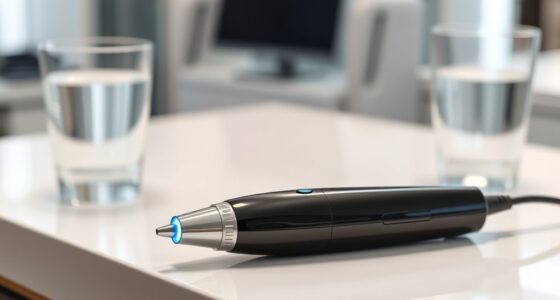
Many devices promise permanent hair removal, but they usually only offer long-term hair reduction rather than complete or permanent elimination. Laser and IPL devices work by damaging hair follicles, but results depend on your skin type, hair thickness, and proper use. True permanence is rare, and multiple sessions are typically needed for significant reduction. To understand what’s realistic for you, explore how these devices work and what factors influence their effectiveness—more details are ahead.
Key Takeaways
- Most devices offer long-term hair reduction, but true permanent removal is rare and results vary by individual.
- Laser and IPL devices can significantly reduce hair growth with multiple sessions but rarely eliminate all hair permanently.
- Effectiveness depends on proper device calibration, skin and hair type, and adherence to treatment protocols.
- Professional laser treatments generally provide more lasting results than over-the-counter devices.
- Safety features and device specifications influence both effectiveness and the risk of side effects.
Can Hair Removal Devices Really Achieve Permanent Results?
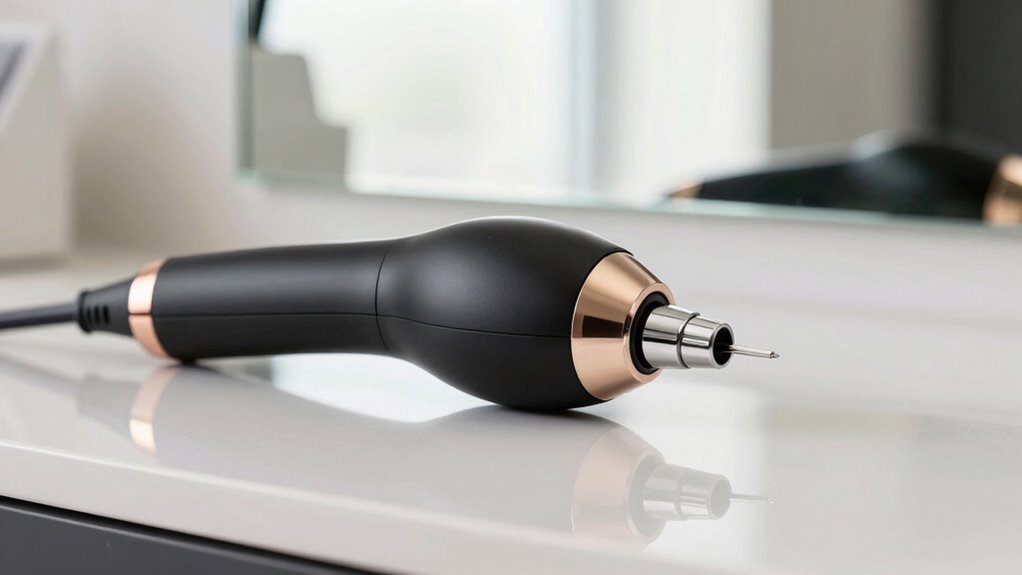
Many people wonder if hair removal devices can truly deliver permanent results. The answer depends on several factors, including laser safety and skin compatibility. Modern devices are designed with safety features to protect your skin during treatment, making them effective and safe when used properly. However, not every device suits all skin types, especially darker or tanned skin, which may have different responses. Properly calibrated devices target hair follicles without damaging surrounding tissue. While some users experience significant reduction, complete permanence isn’t guaranteed for everyone. Factors like hair color, skin tone, and treatment consistency influence outcomes. Always choose devices approved by safety standards and consider professional guidance to maximize effectiveness and minimize risks.
How Do Hair Removal Devices Work, and What Do They Mean by ‘Permanent’?
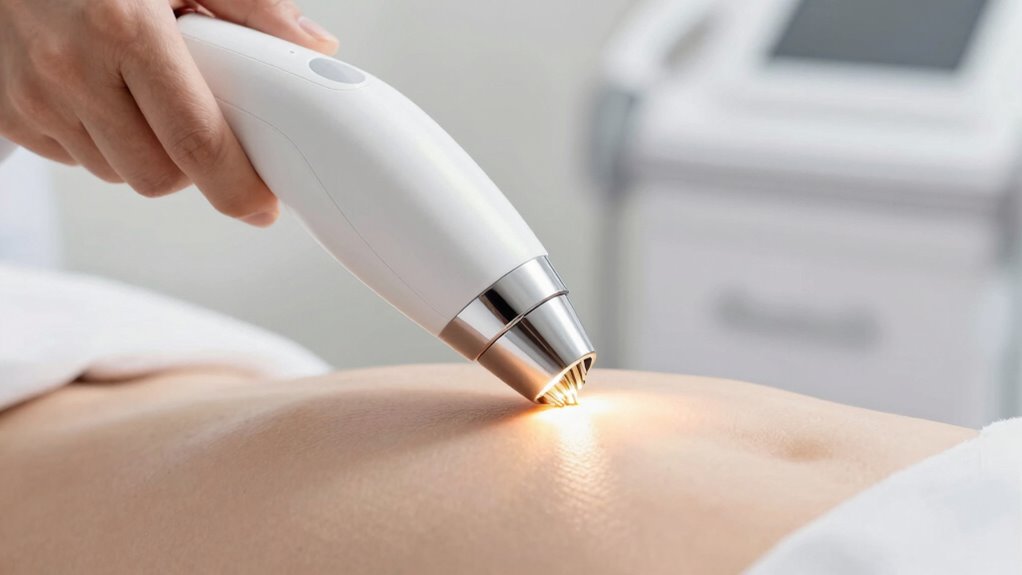
Hair removal devices work by targeting hair follicles with concentrated energy, such as laser or intense pulsed light (IPL), to disable their ability to produce new hair. This process relies on selecting the right wavelength and intensity to verify effective treatment while maintaining laser safety. It’s important to contemplate your skin sensitivity because some devices may cause irritation or burns if used improperly. When a device claims to be “permanent,” it typically means it can considerably reduce hair growth, but results vary based on individual factors. While these devices damage follicles enough to slow or stop hair growth temporarily, complete and permanent removal isn’t guaranteed for everyone. Understanding how they work helps you set realistic expectations about what “permanent” truly means.
Which Devices Offer Long-Term Hair Reduction Versus True Permanence?

Devices that claim to be “permanent” often vary in their actual results. Some, like laser-based systems, can deliver long-term hair reduction, especially when they have high laser accuracy to target hair follicles precisely. These devices typically require multiple sessions and are most effective on specific hair and skin types. However, true permanence is rare; most devices lead to significant reduction rather than complete elimination. When choosing a device, prioritize safety—well-designed devices with good device safety standards minimize risks and side effects. While some professional laser treatments can offer lasting results, over-the-counter options generally provide only temporary or long-lasting reduction. Understanding these distinctions helps you set realistic expectations about what these devices can achieve. Additionally, affiliate disclosures ensure transparency regarding potential financial relationships and influence product recommendations.
What Factors Influence How Well Hair Removal Works for You?
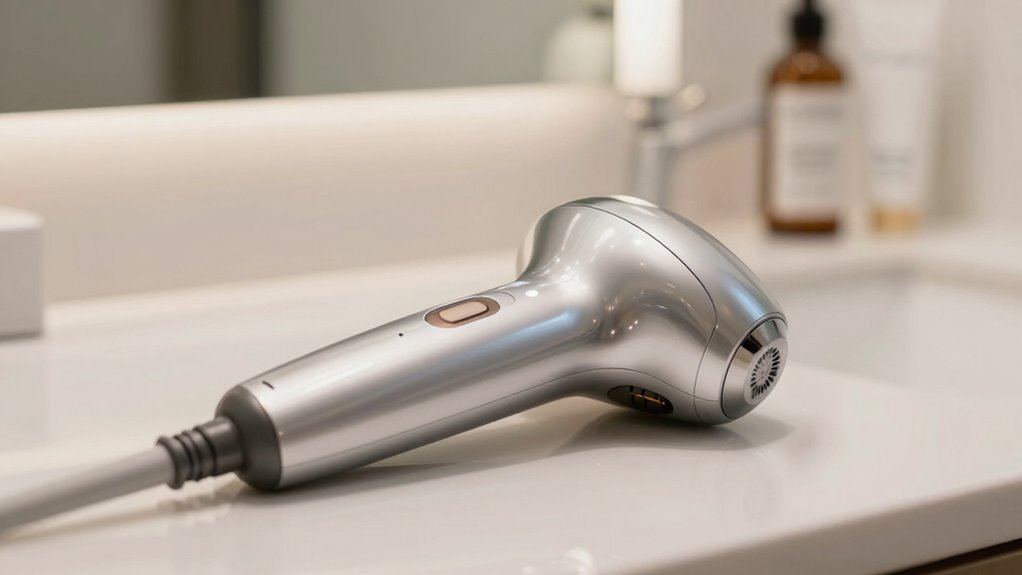
Several factors determine how effectively hair removal treatments work for you, including your skin and hair types, as well as the area being treated. Your skin tone and hair thickness play big roles. Lighter skin tones generally respond better to laser treatments, while darker skin may require specialized devices. Thicker, coarser hair often takes more sessions to reduce permanently. The area’s sensitivity and hair density also matter. Additionally, understanding essential gear and techniques can improve treatment outcomes. Using the appropriate device specifications tailored to your hair and skin type can also enhance effectiveness. Moreover, staying informed about emerging technological advancements can help you select the most suitable options for your needs. Recognizing the importance of skin and hair assessments can further optimize your results and ensure safety during the process. Incorporating professional consultation can help determine the best approach based on individual characteristics.
Setting Realistic Expectations and Choosing the Right Hair Removal Method
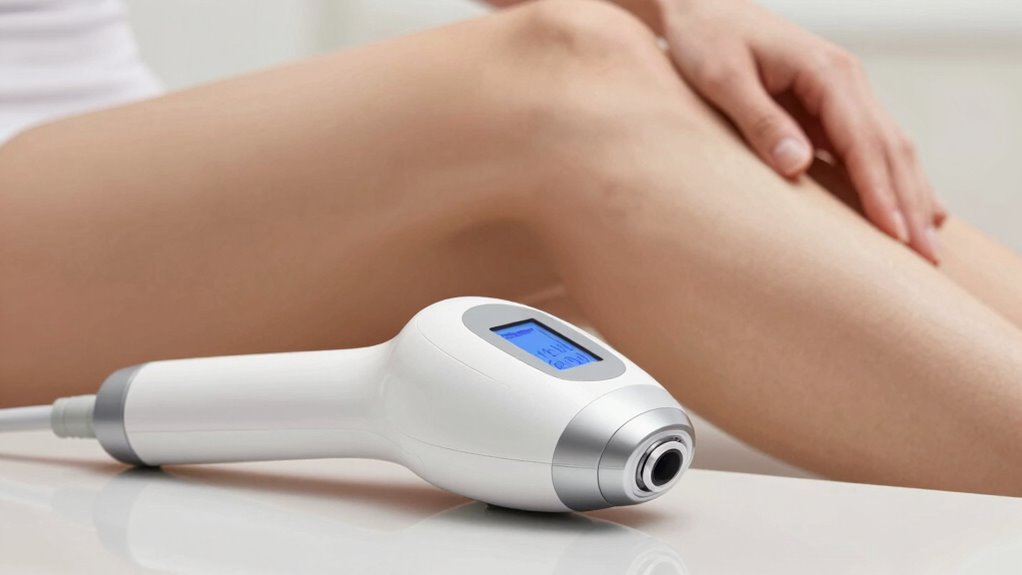
Understanding how your skin and hair types influence treatment outcomes helps set realistic expectations. Some methods work better for fair skin with dark hair, while others suit darker skin tones. When choosing a device, consider cost considerations, including upfront expenses, potential ongoing costs for maintenance, and the availability of professional support if needed. For example, professional treatments may be pricier but often require fewer sessions, whereas at-home devices might be more affordable initially but need regular use. Keep in mind the maintenance requirements; some devices need periodic replacement parts or additional treatments to maintain results. Setting realistic goals means knowing no method guarantees permanent removal for everyone. Research different options, consult professionals, and weigh the long-term investment versus short-term costs to select the method best suited to your skin type, budget, and expectations. Additionally, understanding the technology limitations of each device can help prevent unrealistic expectations regarding permanent removal. Being aware of treatment efficacy based on skin and hair characteristics can further help in making informed decisions. Recognizing the individual variability in responses to different treatments can also guide you toward realistic outcomes. It is also helpful to consider the scientific research supporting each device’s claims to better understand their potential effectiveness and the importance of expected results based on clinical data.
Frequently Asked Questions
Are There Any Risks or Side Effects Associated With At-Home Hair Removal Devices?
At-home hair removal devices can pose risks if you don’t prioritize device safety, leading to potential side effects like skin irritation or burns. Always follow the manufacturer’s instructions carefully, avoid using the device on broken or irritated skin, and perform a patch test first. If you notice excessive redness or discomfort, stop using the device immediately. Proper precautions help minimize risks and guarantee safer, effective results.
How Often Should I Use a Device to Maintain Results?
You should use your device every 4 to 6 weeks initially, then reduce sessions as hair growth slows for a maintenance schedule. Consistency helps sustain results and extends device longevity. Once your desired smoothness is achieved, maintain with occasional treatments every few months. Always follow the manufacturer’s guidelines for peak use, and avoid overusing, which could damage the device or cause skin irritation.
Can Hair Removal Devices Be Effective on All Skin and Hair Types?
Hair removal devices aren’t effective on all skin and hair types. They work best on skin compatibility with lighter skin tones and darker hair, due to hair color limitations that affect laser absorption. If you have darker skin or very light hair, these devices may not deliver ideal results and could cause discomfort. Always check device specifications for compatibility to guarantee safe and effective use for your specific skin and hair type.
What Is the Expected Lifespan of a Typical Hair Removal Device?
Your hair removal device typically lasts around 5 to 10 years, depending on device durability and usage. With proper care, you can extend its lifespan, but replacement frequency may become necessary as parts wear out over time. Think of it as a long-term partner—expect some maintenance and occasional upgrades to keep it performing at its best. Regularly check manufacturer guidelines to guarantee ideal results and safety.
Do Professional Treatments Offer Better Permanent Results Than Home Devices?
Professional treatments generally offer better permanent results because they provide higher efficacy through advanced technology and expert application. While home devices have device limitations, professionals tailor treatments to your skin and hair type, maximizing effectiveness. You’ll likely see faster, more lasting hair reduction with professional options. However, keep in mind that individual results vary, and maintenance sessions might still be necessary for ideal, long-term hair removal outcomes.
Conclusion
Remember, achieving permanent hair removal is like chasing a fleeting shadow—some devices can drastically reduce hair, but true permanence remains elusive. As you navigate your options, picture yourself wielding a lantern in a darkened forest, illuminating a path toward smoother skin. Set realistic expectations, choose wisely, and be patient. Like a gardener tending to a delicate plant, your efforts will nurture the best results—though perfection may always stay just beyond the horizon.