When using laser devices on dark skin, it’s vital to select lasers like Nd:YAG that are safer and penetrate deeper without targeting melanin. Adjust settings carefully with lower energy levels and longer pulses to prevent overheating and pigmentation issues. Always conduct skin evaluations and patch tests beforehand, and use cooling devices to increase safety. Maintaining proper post-treatment care and seeking expert advice help minimize risks. If you’re curious about detailed safety tips, there’s more to explore.
Key Takeaways
- Use Nd:YAG lasers, which are safer and effective for darker skin due to deeper penetration and lower melanin absorption.
- Adjust laser parameters like lower fluence and longer pulse durations to minimize heat and reduce pigmentation risks.
- Conduct thorough skin assessments and patch tests to identify individual pigmentation risks before treatment.
- Implement pre- and post-treatment sun protection and skincare to prevent post-inflammatory hyperpigmentation.
- Ensure practitioner expertise and proper device settings to optimize safety and minimize side effects on darker skin.

Laser treatments can be safe and effective for individuals with dark skin, but they require careful selection of the right technology and settings. When considering laser procedures, understanding laser safety is essential, especially because darker skin tones have a higher risk of pigmentation concerns. Melanin, the pigment responsible for skin color, absorbs laser energy, which can lead to unintended side effects like hyperpigmentation or hypopigmentation if not managed properly. To minimize these risks, practitioners must choose laser devices specifically designed for darker skin types or those with adjustable parameters that cater to pigmentation concerns.
Your safety depends on the expertise of your technician and the technology used. Not all lasers are suitable for darker skin, so it’s essential to verify that the clinic employs devices such as Nd:YAG lasers, which are known for their safer profile regarding pigmentation issues. These lasers penetrate deeper into the skin and are less likely to target melanin in the superficial layers, reducing the risk of pigmentation changes. Additionally, proper settings—like lower fluence levels and longer pulse durations—help prevent overheating and collateral damage to surrounding tissues. It’s important to have a thorough consultation where your practitioner assesses your skin type, history, and specific pigmentation concerns before proceeding.
You should also be aware that pigmentation concerns extend beyond immediate side effects. Darker skin may experience post-inflammatory pigmentation, which can linger for weeks or months if not properly managed. That’s why pre-treatment skin evaluations are essential, and patch tests are often recommended to observe how your skin reacts to the laser. During the procedure, your practitioner should take extra precautions, such as using cooling devices or topical anesthetics, to protect your skin and improve safety.
Post-treatment care is equally significant to prevent pigmentation issues. Sun protection becomes critical, as UV exposure can worsen pigmentation concerns or trigger new spots. Following your provider’s advice on skincare routines, including gentle cleansing and avoiding harsh products, helps maintain your results and prevents adverse effects. If you notice any unusual pigmentation changes after treatment, notify your provider promptly—early intervention can often prevent long-term issues. Furthermore, understanding the role of color accuracy and how it influences treatment outcomes can help you better communicate your concerns and expectations with your clinician.

IPL Laser Hair Removal Device for Women & Men – Home 45°F Ice-Cooling Contact for Painless & Long-Lasting Results, 86% Hair Reduction in 3 Weeks for Full Body & Bikini Line, White Rose Gold
❄️ PAINLESS & EFFECTIVE: Advanced IPL tech glides smoothly with Ice cooling contact, safe, effective & nearly painless…
As an affiliate, we earn on qualifying purchases.
As an affiliate, we earn on qualifying purchases.
Frequently Asked Questions
Are There Specific Laser Wavelengths Safer for Dark Skin?
Yes, you should choose specific laser wavelengths that are safer for dark skin. Wavelength selection is vital because longer wavelengths, like Nd:YAG lasers at 1064 nm, have lower melanin absorption, reducing the risk of pigmentation issues. By selecting wavelengths with minimal melanin absorption, you minimize damage to surrounding tissue, ensuring safer and more effective treatments for darker skin tones. Always consult with a trained professional to determine the best wavelength for your skin type.
How Can I Identify a Qualified Laser Technician for Dark Skin Treatments?
You can identify a qualified laser technician by checking their certification standards and ensuring they have specialized training in treating dark skin. Look for a reputable clinic with positive reviews and a solid reputation for safety and effective results. Ask about their experience with dark skin procedures and verify their credentials. A skilled technician prioritizes safety, uses appropriate laser wavelengths, and adheres to industry standards to minimize risks.
What Are the Signs of Adverse Reactions After Laser Procedures on Dark Skin?
Imagine noticing uneven patches or dark spots, which could signal hyperpigmentation risks after your laser treatment. You might also experience persistent redness, swelling, or skin irritation that doesn’t improve. These signs indicate adverse reactions, and it is crucial to contact your technician promptly. Watch for unusual changes, especially on dark skin, as complications like hyperpigmentation or irritation can occur if the procedure isn’t properly managed.
Can Laser Treatments Be Combined With Other Skin Therapies for Better Results?
Yes, you can combine laser treatments with other skin therapies for better results. Combining treatments, like chemical peels or microneedling, alongside laser procedures, can enhance overall skin rejuvenation. Incorporating holistic skincare approaches helps maintain and boost results, ensuring your skin stays healthy and balanced. Always consult with a skincare professional to develop a personalized plan that safely integrates multiple therapies, especially for darker skin tones.
How Long Should I Wait Between Laser Sessions on Dark Skin?
Oh, sure, just keep painting your skin with laser sessions like it’s a masterpiece in progress. Typically, you should wait 4 to 8 weeks between sessions on dark skin, giving your skin enough time for healing and reducing risks. Rushing the process might cause hyperpigmentation or scarring, so patience is key. Trust the process, and your skin will thank you with improved results and minimal setbacks.

FreeMascot IPL 200nm-2000nm Laser Safety Glasses for Laser Hair Removal Treatment and Laser Cosmetology Operator Eye Protection with Case (Green)
Wavelength: 200nm-2000nm, broad spectrum protection, block UV, Blue, Red and Infrared Laser Light
As an affiliate, we earn on qualifying purchases.
As an affiliate, we earn on qualifying purchases.
Conclusion
Remember, when it comes to using laser devices on dark skin, safety should always be your top priority. Carefully consider consultations, choose certified clinicians, and follow precise protocols. Prioritize protection, patience, and proper planning to prevent potential pitfalls. By practicing prudence and patience, you’ll promote positive, painless results while avoiding possible problems. With mindful management and meticulous measures, you can master the art of safe, stunning skin transformation—making your laser journey both successful and satisfying.

Smart Portable Skin Color Tester Facial Analyzer Tone Sensor Detector Automatic Testing System for Plasma Laser Beauty Treatments Facial Skin Care
Smart skin tone sensor, know your skin tone in 2 seconds. Easily know your skin tone grade in…
As an affiliate, we earn on qualifying purchases.
As an affiliate, we earn on qualifying purchases.
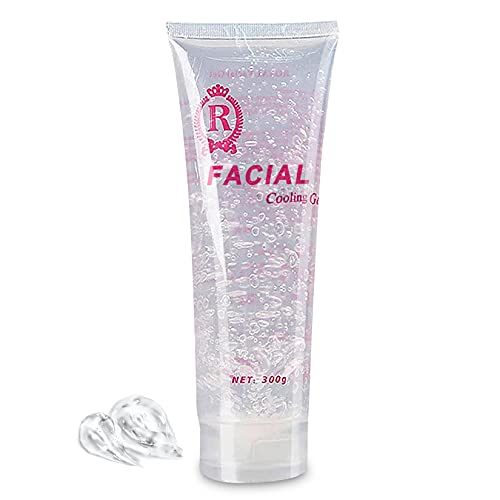
300ML Cooling Gel for Laser Hair Removal Device and Radio Frequency Facial Body Skin Care Machine for Women and Men
✅The ingredients of the cooling gel are Water, Glycerin, Carbomer, Sodium hyaluronate, Ceramide AP, Propanediol, Triethanolamine, Dipotassium glycyrrhizinate,…
As an affiliate, we earn on qualifying purchases.
As an affiliate, we earn on qualifying purchases.