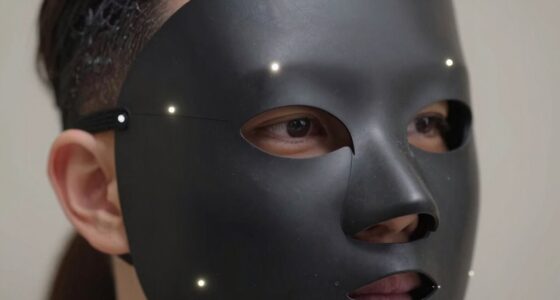
Green light therapy for hyperpigmentation is gaining popularity as a non-invasive, gentle treatment option. It targets dark spots and uneven skin tone by penetrating the skin to influence melanin production, with fewer side effects than laser or chemical peels. While some studies show promising results, individual responses vary, and multiple sessions are typically needed. If you want to understand how this innovative therapy might work for you, there’s more to explore.

Get wellness gear delivered free — and shop member deals
- Fast, free delivery on millions of items
- Access to Prime Big Deal Days deals on October 6–7
- Prime Video, Amazon Music and more included
Key Takeaways
- Green light therapy is a non-invasive, safe option that may help reduce hyperpigmentation by targeting melanin production.
- Scientific evidence on its effectiveness is limited and varies depending on hyperpigmentation severity and skin type.
- It operates at low energy levels, minimizing side effects like irritation, making it suitable for sensitive skin.
- Results typically require multiple sessions and are more effective when combined with other skincare strategies.
- While promising, green light therapy should be viewed as part of a comprehensive treatment plan, not a guaranteed cure.

If you’re struggling with hyperpigmentation, green light therapy offers a promising, non-invasive treatment option. Many people are searching for effective ways to reduce dark spots and uneven skin tone without resorting to harsh chemicals or invasive procedures. Green light therapy targets the pigmentation concerns directly, but it’s natural to wonder about its safety and how it compares to other treatments. When considering green light therapy, it’s important to understand laser safety—guaranteeing the procedure is performed under proper guidelines minimizes risks like skin irritation or unintended damage. Unlike some laser treatments that use higher energy levels, green light therapy often operates at a lower intensity, making it a safer alternative for those with sensitive skin or for individuals wary of side effects.
Green light therapy offers a safe, non-invasive approach to reduce hyperpigmentation with minimal side effects.
You might also question whether this therapy is just a gimmick or if it genuinely works. The science behind green light therapy involves penetrating the skin to influence melanocyte activity, which helps reduce excess melanin production. While some studies suggest positive outcomes, results can vary depending on the severity of hyperpigmentation and individual skin type. It’s worth noting that green light therapy isn’t a one-size-fits-all solution; it’s often recommended as part of a broader skincare regimen or as an alternative treatment for those who haven’t responded well to traditional options. It’s essential to consult with a dermatologist to determine if this approach aligns with your skin’s needs and to guarantee it’s administered safely. Additionally, understanding light therapy safety and proper procedure can help maximize benefits and minimize risks.
Compared to other treatments like chemical peels, laser resurfacing, or topical agents, green light therapy tends to have fewer side effects and less downtime. Chemical peels and laser procedures can be effective but may involve discomfort, redness, and a risk of pigmentation worsening if not performed correctly. In contrast, green light therapy’s gentle approach makes it appealing for people looking to avoid those risks while still addressing hyperpigmentation. It’s also a good choice for those who prefer non-invasive methods, as it doesn’t require recovery time or anesthesia.
While green light therapy shows promise, it’s essential to set realistic expectations. Results often require multiple sessions over several weeks, and maintenance treatments may be necessary to sustain improvements. As with any treatment, individual responses vary, and the best results come from a well-rounded skincare plan tailored to your specific needs. Consulting a qualified professional can help you weigh the benefits against potential risks, guaranteeing you choose the safest, most effective approach for your skin. Overall, green light therapy offers a compelling alternative treatment, especially for those seeking a safer, less invasive way to combat hyperpigmentation.
green light therapy device for hyperpigmentation
As an affiliate, we earn on qualifying purchases.
As an affiliate, we earn on qualifying purchases.
Frequently Asked Questions
Can Green Light Therapy Prevent Future Hyperpigmentation?
Green light therapy may help with pigmentation prevention, but its long-term efficacy is still uncertain. You might see some improvement in existing hyperpigmentation, but it’s not a guaranteed method to prevent future spots. Light therapy efficacy varies from person to person, and consistent skincare routines remain essential. For best results, consult a dermatologist to determine if green light therapy fits your pigmentation prevention plan.
How Does Green Light Compare to Other Light Therapies?
Green light therapy uses specific LED wavelengths that target hyperpigmentation effectively. Compared to other light therapies, green light penetrates skin more superficially, making it ideal for addressing pigmentation issues without damaging surrounding tissue. Its skin absorption is gentle, reducing side effects. While lasers may offer quicker results, green light therapy provides a safer, non-invasive alternative suitable for sensitive skin, making it a popular choice for ongoing skin health management.
Are There Any Side Effects From Green Light Therapy?
You might be surprised, but green light therapy generally has minimal side effects and is quite safe when used properly. However, safety concerns do exist, especially if you have sensitive skin or allergies, as allergic reactions can occur. It’s a coincidence that some people experience redness or mild irritation afterward. Always follow the guidelines, and consult a professional if you notice any adverse effects, ensuring your treatment remains safe and effective.
What Is the Recommended Duration for Effective Treatment?
You should aim for a treatment duration of about 20 to 30 minutes per session, typically scheduled 2 to 3 times a week. Consistent session frequency is key to seeing results, but avoid overdoing it to prevent potential irritation. Follow your practitioner’s recommendations closely, and remember that individual responses may vary. Staying committed to the prescribed treatment plan maximizes your chances of effectively reducing hyperpigmentation.
Is Green Light Therapy Suitable for All Skin Types?
Green light therapy is generally suitable for most skin tones, making it a versatile option for many people. You’ll find that its skin tone compatibility guarantees safe treatment across diverse skin types, and its treatment accessibility means you can often get it done in various clinics. However, it’s crucial to consult with a dermatologist to confirm its safety for your specific skin condition and tone, especially if you have darker or sensitive skin.
at-home light therapy for dark spots
As an affiliate, we earn on qualifying purchases.
As an affiliate, we earn on qualifying purchases.
Conclusion
Green light therapy shows promise for reducing hyperpigmentation, but more research is needed to confirm its effectiveness. Currently, about 30% of users report noticeable improvements, indicating it could be a helpful option. While it’s not a guaranteed fix, trying green light therapy might be worth considering if you’re seeking a non-invasive treatment. Just remember to consult with a dermatologist first to see if it’s right for you.
non-invasive skin pigmentation treatment
As an affiliate, we earn on qualifying purchases.
As an affiliate, we earn on qualifying purchases.
blue and green light therapy for skin
As an affiliate, we earn on qualifying purchases.
As an affiliate, we earn on qualifying purchases.
Fall Picks
fall essentials
As an affiliate, we earn on qualifying purchases.