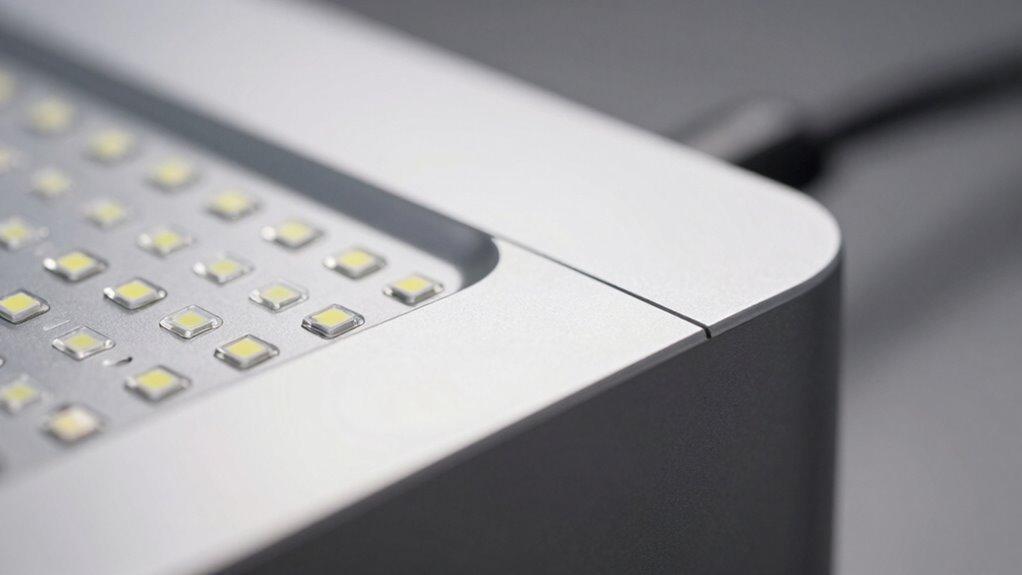

A good LED device typically lasts between 25,000 and 50,000 hours, making it a reliable and long-lasting choice for your lighting needs. Its lifespan depends on factors like quality, proper installation, and maintenance. To get the most out of your LED, make certain it’s used in suitable environments and kept well-maintained. If you’re interested, there are more important details that can help you maximize the longevity of your LEDs.
Key Takeaways
- Good quality LED devices typically last between 25,000 to 50,000 hours of use.
- Proper heat management and maintenance can extend LED lifespan.
- Environmental factors like moisture and dust can shorten LED longevity.
- Regular cleaning and timely component replacement help maximize lifespan.
- Proper installation and ventilation are crucial for achieving optimal LED durability.
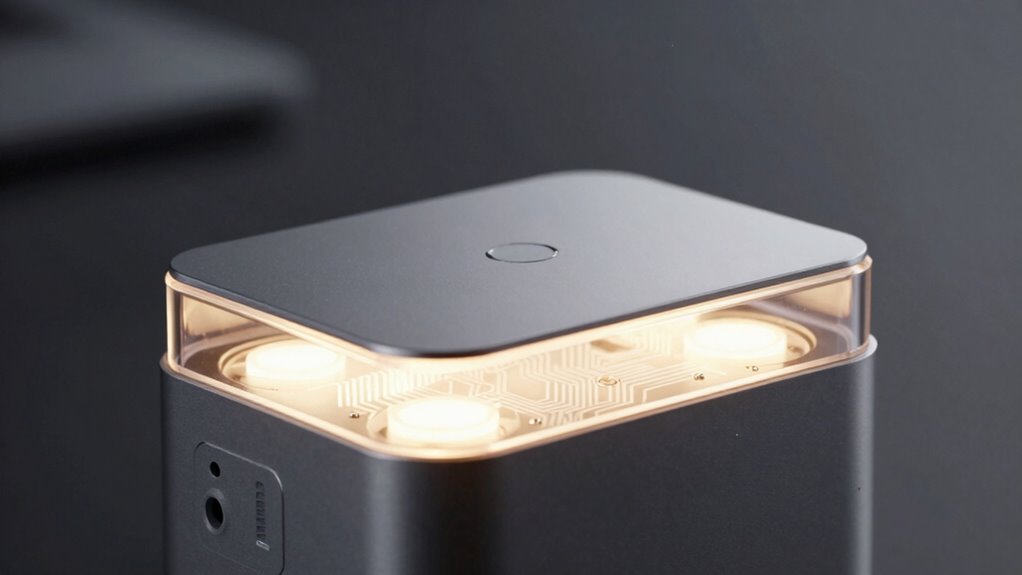
LED devices are known for their longevity, but how long they last can vary depending on several factors. If you’re considering switching to LED lighting or other LED devices, understanding their lifespan is essential. Typically, a good LED device can last between 25,000 to 50,000 hours of use, which far exceeds the lifespan of traditional incandescent bulbs. This extended longevity means you won’t need to replace them as often, saving you time and money. However, the actual lifespan depends on how well you maintain the device and the conditions in which it operates.
LEDs typically last 25,000 to 50,000 hours, offering long-term savings and sustainability with proper maintenance.
One of the main advantages of LEDs is their energy efficiency. Unlike incandescent bulbs that waste a lot of energy as heat, LEDs convert most of the electricity into light, making them highly energy-efficient. This efficiency doesn’t just save you money on your electricity bill; it also reduces the environmental impact. Since LED devices consume less power over their lifetime, they contribute less to the demand for fossil fuels and decrease greenhouse gas emissions. When you choose LED lighting, you’re making a conscious decision to reduce your carbon footprint and promote sustainability.
Several factors influence how long your LED device lasts. The quality of the product itself plays a significant role. Cheaper, low-quality LEDs tend to have a shorter lifespan because they may use inferior materials or faulty manufacturing processes. Conversely, higher-quality LEDs with good heat management and robust components can last well beyond the average lifespan. Heat is another critical factor—excessive heat can degrade LED components over time, shortening their lifespan. Ensuring proper ventilation and avoiding excessive heat exposure can help maximize the durability of your LED devices. Additionally, heat management is crucial for maintaining LED longevity, as improper thermal regulation can significantly reduce their lifespan. Proper installation techniques and thermal regulation can further enhance the durability of your LED devices.
Environmental conditions impact how long LEDs last as well. Exposure to moisture, dust, or extreme temperatures can accelerate wear and tear. If you install outdoor LED fixtures, make sure they are rated for outdoor use and are properly sealed against the elements. Proper installation and regular maintenance can also extend the life of your LEDs. For example, cleaning dust and debris from fixtures and replacing worn-out drivers or power supplies can keep your LEDs functioning at their best for years. Regular inspections and timely repairs contribute to the overall device durability, ensuring longer-lasting performance. Being aware of environmental factors and how they influence LED lifespan can help you take proactive steps to protect your investment.
LED light bulb long lifespan
As an affiliate, we earn on qualifying purchases.
As an affiliate, we earn on qualifying purchases.
Frequently Asked Questions
Do LED Devices Degrade Over Time?
Yes, LED devices do degrade over time. As they age, their brightness diminishes, and color temperature can shift, affecting light quality. This gradual degradation doesn’t mean they stop working, but it reduces their energy efficiency and overall performance. You might notice the light becoming less vibrant or slightly warmer or cooler in color. Proper usage and quality LEDs help extend their lifespan, keeping them efficient and bright longer.
How Does Usage Frequency Affect LED Lifespan?
Ever wonder if turning your LED on and off frequently shortens its lifespan? The answer is, it can slightly affect energy efficiency and environmental impact, but LEDs are designed to handle numerous on/off cycles. Generally, frequent usage might reduce lifespan a bit, yet they stay more durable than traditional bulbs. So, while usage impacts longevity, LEDs remain energy-efficient, eco-friendly choices that last longer with proper care.
Can LED Devices Be Repaired if They Fail?
LED devices generally can’t be repaired once they fail, but replacing components like the driver or bulb may restore functionality. Because LEDs are energy-efficient, investing in repairs can be worthwhile for long-term cost savings. However, considering the cost comparison, it often makes more sense to replace the entire unit when failure occurs, ensuring you benefit from the latest energy-efficient technology and avoid ongoing repair costs.
Are LED Lights Suitable for Outdoor Use?
LED lights are highly suitable for outdoor use, with over 80% of models designed for such environments. They often feature solar compatibility, making installation easier and eco-friendly. Plus, you can choose from various color temperatures to create the perfect ambiance. Just make sure you select weather-resistant options, and you’ll enjoy reliable, energy-efficient lighting that withstands the elements and enhances your outdoor space.
What Factors Influence LED Device Longevity?
Your LED device’s longevity depends on factors like color temperature and power consumption. Cooler color temperatures may cause more heat, reducing lifespan, while warmer tones last longer. Lower power consumption typically means less heat generated, extending the device’s life. Proper heat dissipation and choosing energy-efficient models help guarantee your LED device lasts longer. Regular maintenance and avoiding extreme voltage fluctuations also contribute to its durability and ideal performance over time.
outdoor LED floodlights with high durability
As an affiliate, we earn on qualifying purchases.
As an affiliate, we earn on qualifying purchases.
Conclusion
In the end, knowing how long an LED device lasts helps you plan better and avoid surprises. Most high-quality LEDs will serve you well for around 25,000 to 50,000 hours, making them quite the reliable choice. Remember, a stitch in time saves nine; taking good care of your LEDs can extend their life even further. So, invest wisely, and you’ll enjoy bright, efficient lighting for years to come.
LED heat sink and thermal management accessories
As an affiliate, we earn on qualifying purchases.
As an affiliate, we earn on qualifying purchases.
LED driver replacement kit
As an affiliate, we earn on qualifying purchases.
As an affiliate, we earn on qualifying purchases.