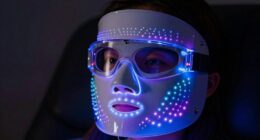
LED therapy can help reduce hyperpigmentation by lightening dark spots and balancing melanin production, all while stimulating collagen. It’s a gentle, non-invasive option with minimal downtime, but it won’t fully eliminate stubborn or deep pigmentation. Multiple sessions over weeks are usually needed, and results are gradual. Keep in mind, LED works best with other treatments and isn’t a quick fix. If you’re curious about maximizing its benefits, there’s more to discover.
Key Takeaways
- LED therapy can lighten dark spots and even skin tone by reducing melanin and stimulating collagen production.
- It is a gentle, non-invasive treatment suitable for sensitive skin with minimal downtime.
- LED may require multiple sessions over weeks to see noticeable improvements; results are gradual.
- It cannot fully eliminate deep, longstanding pigmentation or replace medical or topical treatments.
- Certain skin types, especially darker skin, may experience irritation or uneven results, and it’s not effective for all hyperpigmentation issues.
How Does LED Therapy Work to Reduce Hyperpigmentation?

LED therapy works by using specific wavelengths of light to target the skin’s deeper layers. When you undergo LED therapy, the light penetrates your skin, stimulating cellular activity and encouraging healing. For hyperpigmentation, the goal is melanin reduction, which helps lighten dark spots and even out skin tone. The light energy prompts your skin cells to balance melanin production, preventing excess buildup in certain areas. This process doesn’t damage your skin but instead encourages natural renewal. Over time, consistent treatments can diminish the appearance of hyperpigmentation by targeting the root cause—excess melanin. LED skincare masks are often used to deliver this targeted light therapy at home safely and effectively. Additionally, the selective light wavelengths used in LED therapy are crucial for maximizing treatment benefits while minimizing risks. Understanding the light penetration depth can help optimize treatment strategies for various skin conditions.
Which Types of LED Light Are Used in Skin Brightening?

What types of LED light are most effective for skin brightening? Typically, blue and red light are used. Blue light targets bacteria that can contribute to skin issues, while red light penetrates deeper to stimulate collagen and improve overall skin tone. For hyperpigmentation, some clinics also use amber or yellow light, which can help reduce redness and even skin tone. The effectiveness depends on the light color and treatment duration, which varies based on your skin type and concern. Usually, sessions last about 15-30 minutes, and multiple treatments are recommended for noticeable results. Consistency is key, as shorter or irregular treatments may not produce the desired brightening effect. Always follow your provider’s guidelines for optimal outcomes. Understanding the different types of LED lights can help you make informed decisions about your skin care. Additionally, appropriate treatment protocols are essential to achieve safe and effective results. Incorporating these protocols and understanding the types of LED lights used can maximize the benefits of your skin brightening treatments. Being aware of light therapy effectiveness can also help set realistic expectations for your results. Knowing the precise wavelengths utilized in LED therapy can further optimize your treatment plan.
Does LED Therapy Effectively Improve Dark Spots?

LED therapy penetrates the skin at varying depths, targeting dark spots effectively. It also stimulates collagen production, which can improve skin texture and tone over time. Many users notice visible reduction in spots, making LED a promising option for hyperpigmentation. Additionally, combining LED therapy with other performance skin treatments can enhance overall results. Incorporating skin rejuvenation techniques can further boost the effectiveness of LED in addressing hyperpigmentation. Understanding light therapy mechanisms helps in choosing the most suitable treatment plans for individual skin concerns. Moreover, considering personal skin response can optimize treatment outcomes for each individual. Recognizing how environmental factors influence skin health can also support better treatment results.
Light Penetration Depth
Understanding how deeply light penetrates the skin is essential when evaluating the effectiveness of LED therapy for dark spots. Light penetration determines how much energy reaches the pigmented cells, influencing whether treatment can produce visible results. The depth of therapy varies depending on the wavelength used; shorter wavelengths target surface layers, while longer wavelengths can reach deeper into the skin. For hyperpigmentation, you need sufficient light penetration to affect melanin-producing cells without harming surrounding tissue. If the light doesn’t reach the necessary depth, the therapy may have limited impact on dark spots. Additionally, light penetration depth plays a crucial role in determining the overall success of LED treatments for hyperpigmentation. Consequently, selecting the appropriate wavelength and understanding the depth of therapy are vital factors in maximizing LED treatment’s potential for improving hyperpigmentation.
Collagen Boosting Effects
While light penetration depth determines how effectively LED therapy targets pigmented cells, its ability to stimulate collagen production also plays a significant role in improving hyperpigmentation. When LED light encourages collagen synthesis, it helps strengthen your skin’s overall structure, leading to increased firmness. As collagen levels rise, your skin becomes more resilient and less prone to discoloration. This environmental impact of tissue paper highlights the importance of choosing treatments that support natural skin health. Proper DIY tools and safety tips can enhance your skincare routine and ensure safe application of LED devices. Additionally, collagen production contributes to the skin’s overall health, promoting a more youthful and even complexion. This boost in skin firmness can subtly reduce the appearance of dark spots over time, giving your complexion a more even tone. It’s also worth noting that consistent treatment is key to achieving lasting results. By enhancing collagen synthesis, LED therapy supports your skin’s natural healing process, contributing to a healthier, more radiant appearance while addressing hyperpigmentation from within.
Visible Spot Reduction
Many people wonder if LED therapy can truly fade dark spots, and the answer is that it can be effective when used consistently. LED treatments target hyperpigmentation by stimulating cellular activity, which helps break down existing dark spots and promotes a more even skin tone. However, LED alone may not completely erase stubborn spots like those caused by cosmetic tattooing or deep sun damage. Combining LED therapy with diligent sun protection minimizes further pigmentation and supports results. It’s also essential to manage expectations—some spots may fade markedly, while others might linger. Remember, consistency in treatment is key. While LED can improve visible spots over time, it’s not a quick fix, and professional advice can help tailor treatments for your specific needs. Additionally, understanding regional flavors and insights can inform skincare routines that incorporate natural ingredients to enhance treatment effectiveness. For example, incorporating antioxidant-rich products can bolster skin repair and reduce pigmentation. Incorporating proper skincare routines that include gentle cleansing and moisturization further supports the fading process. Recognizing the importance of skin type and pigmentation level can help optimize treatment outcomes and prevent adverse effects.
How Many Treatments Are Usually Needed to See Results?

Most people start to see noticeable improvements in hyperpigmentation after just a few LED treatment sessions. Typically, you’ll need a series of treatments, often spaced weekly or bi-weekly, to achieve ideal results. Your treatment frequency and patient commitment play essential roles in success. While some see progress after 4–6 sessions, others might require up to 10 or more for significant fading. Consistency is key, so sticking to your scheduled treatments is critical. Here’s a breakdown of common treatment expectations:
| Number of Sessions | Results Expected |
|---|---|
| 4-6 | Initial fading of pigmentation |
| 7-10 | Noticeable reduction, smoother skin |
| 11+ | Significant improvement, long-term |
| Maintenance | Periodic sessions to sustain results |
What Are the Limitations and Possible Risks of Using LED for Hyperpigmentation?
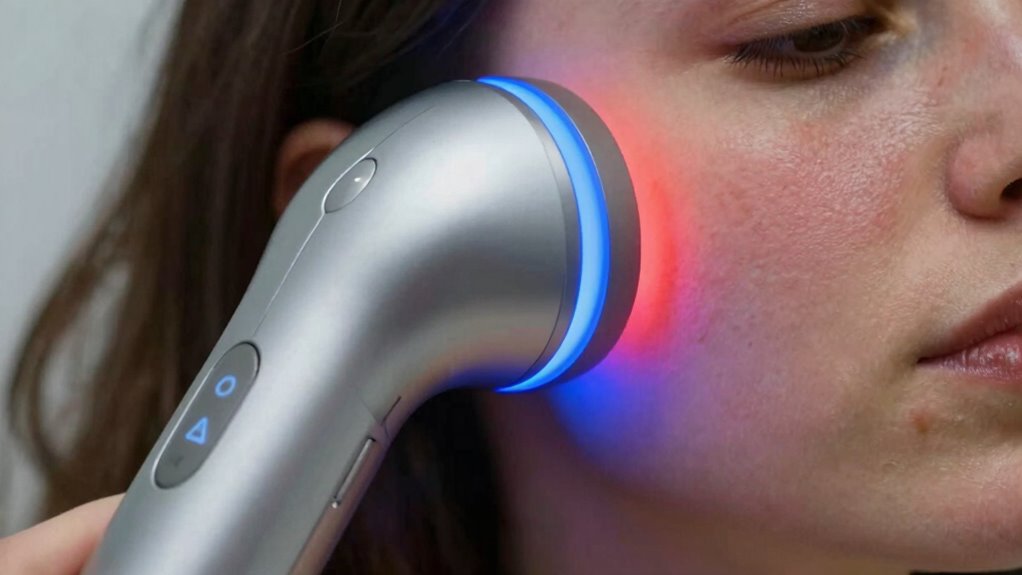
While LED therapy can be effective, you should be aware of potential risks like skin sensitivity or irritation. Results may vary, and some people might not see consistent improvements. Additionally, side effects such as redness or discomfort can occur, so understanding these limitations helps you make informed choices.
Skin Sensitivity Risks
Although LED therapy is generally considered safe for treating hyperpigmentation, it can still pose skin sensitivity risks, especially if you have delicate or irritated skin. You might experience reactions like skin allergy or increased UV sensitivity. These risks are more common if you have a history of sensitive skin or recent skin treatments. To understand this better, consider the following:
| Risk Type | Explanation |
|---|---|
| Skin allergy | Allergic reactions can cause redness, swelling, or irritation. |
| UV sensitivity | Increased sensitivity may make your skin prone to sun damage. |
| Precaution | Use sunscreen and avoid sun exposure after treatment. |
| Skin response | Be attentive to any unusual reactions and consult a dermatologist if needed. |
Inconsistent Results Likelihood
Despite its promising results, LED therapy for hyperpigmentation doesn’t guarantee consistent outcomes for everyone. Treatment consistency varies because your individual response can differ based on skin type, severity of pigmentation, and overall health. Some people experience noticeable improvements after just a few sessions, while others see minimal changes despite regular treatments. Factors like how your skin reacts to light therapy and adherence to recommended protocols influence results. Keep in mind that hyperpigmentation can be stubborn, and LED alone may not fully resolve the issue. Because of these variables, you should approach LED therapy with realistic expectations. Understanding that treatment efficacy can fluctuate helps you make informed decisions and avoid disappointment if your results aren’t as consistent as hoped.
Potential Side Effects
Even though LED therapy shows promise for treating hyperpigmentation, it’s important to understand its potential side effects and limitations. One risk is skin irritation, which can occur if your skin becomes sensitive or reacts negatively to the treatment. Although LED devices don’t emit UV rays, some users may experience increased photosensitivity, making their skin more vulnerable to UV exposure from sunlight. This can lead to further pigmentation issues or burns if proper sun protection isn’t employed. Additionally, overuse or improper application may cause redness or discomfort. It’s essential to follow recommended guidelines and consult a professional before starting LED therapy to minimize these risks. Being aware of these limitations helps ensure safe and effective treatment outcomes.
Who Should Consider or Avoid LED Light Therapy for Dark Spots?

LED light therapy can be a safe and effective option for many people dealing with dark spots, but it’s not suitable for everyone. Age considerations matter; younger skin tends to respond better, while older skin may require additional care. If you have sensitive or darker skin types, such as Fitzpatrick types IV-VI, consult a dermatologist first, as you might be more prone to irritation or uneven results. Those with active infections, open wounds, or recent sunburn should avoid LED therapy until fully healed. Additionally, if you’re pregnant or nursing, check with your healthcare provider. Overall, understanding your skin type and age-related factors helps determine if LED therapy is right for you, ensuring safe and effective treatment.
How Does LED Therapy Compare to Other Hyperpigmentation Treatments?

When comparing LED therapy to other hyperpigmentation treatments, it’s important to think about factors like effectiveness, safety, and downtime. Unlike chemical peels or laser treatments, LED offers a gentle, non-invasive option that fits easily into your skincare routine. While cosmetic enhancements like laser therapy can produce faster results, they often involve more recovery time and higher risks. LED therapy, on the other hand, is safer for sensitive skin and requires minimal downtime, making it suitable for ongoing maintenance. However, it may take longer to see significant improvements compared to more aggressive procedures. If you prefer a low-risk, non-invasive approach that complements your existing skincare routine, LED therapy can be a valuable addition, though it might not deliver the same quick results as some other treatments.
Can You Safely Combine LED Therapy With Other Skin Procedures?

Combining LED therapy with other skin procedures can be safe when done correctly, but it’s essential to contemplate your skin’s condition and the timing of treatments. Not all procedures are compatible, so understanding treatment compatibility is key. Some treatments, like chemical peels or microdermabrasion, may increase skin sensitivity, requiring a waiting period before LED sessions. Others, such as laser treatments, might cause irritation if done too close together. To ensure safe combination safety, always consult your provider about the appropriate schedule. The table below highlights common procedures and their compatibility:
| Procedure | Treatment Compatibility |
|---|---|
| Chemical Peels | Usually wait 1-2 weeks post-treatment |
| Microdermabrasion | Can be combined with LED on the same day |
| Laser Resurfacing | Avoid immediately after laser therapy |
| Botox or Fillers | Generally safe to combine |
| Microneedling | Wait at least a week for best results |
What Should You Expect During and After Your LED Hyperpigmentation Treatments?

During your LED hyperpigmentation treatment, you can expect a warm, soothing sensation on your skin, often described as gentle warmth or tingling. This feeling usually lasts for the duration of each session. Your skin color may appear slightly red or flushed afterward, but this typically subsides quickly. You might notice subtle changes in your pigmentation over time, especially with consistent treatment. The number of sessions and treatment frequency depend on your skin type and pigmentation severity. Most people undergo multiple sessions spaced a few weeks apart to see ideal results. Post-treatment, it’s essential to follow your provider’s skincare advice, including sun protection, to maintain your progress. Patience and adherence to the recommended treatment schedule are key to managing expectations and achieving the best outcomes.
Frequently Asked Questions
Are There Any Long-Term Side Effects of LED Therapy?
Long-term safety of LED therapy is generally well-established, and serious side effects are rare when used properly. You might experience temporary redness or irritation, but these usually fade quickly. Since long-term side effects are uncommon, consistent use under professional guidance helps guarantee safety. However, it’s wise to consult your dermatologist regularly to monitor your skin’s response and minimize any potential risks over time.
How Does LED Therapy Differ From Laser Treatments for Hyperpigmentation?
LED therapy differs from laser treatments in light penetration and treatment duration. You’ll find that LED uses specific wavelengths of light that penetrate the skin gently, targeting hyperpigmentation without damaging surrounding tissue. Treatments usually last longer, often taking several sessions over weeks, whereas laser treatments are quicker but more intense. LED is safer for sensitive skin and has fewer side effects, making it a better choice if you prefer a gentle, gradual approach.
Can LED Therapy Prevent Future Hyperpigmentation?
Think of LED therapy as a shield protecting your skin’s future. While it’s not a magic wand, it offers preventative benefits by stimulating cell repair and reducing inflammation, which can help minimize pigmentation recurrence. Regular sessions may help maintain your skin’s tone and prevent new hyperpigmentation from forming. However, it’s best combined with sun protection and skincare for all-encompassing prevention, keeping your skin radiant and even over time.
What Skin Types Are Most Suitable for LED Hyperpigmentation Treatment?
You’ll find that LED hyperpigmentation treatment suits most skin types, especially those with fair to medium skin tones. Your skin compatibility plays a key role, so it’s crucial to assess how your pigmentation responds to light therapy. Generally, darker skin may require caution to avoid uneven pigmentation. Consult a dermatologist to determine your skin’s specific response and guarantee safe, effective treatment tailored to your pigmentation needs.
Is LED Therapy Effective for All Types of Hyperpigmentation?
Think of LED therapy like a gentle lighthouse guiding ships through fog—it can be effective, but not for every voyage. It works well for some hyperpigmentation caused by sun damage or inflammation, but not all types. If your pigmentation stems from hormonal changes or melasma, alternative treatments might be better. You should consult a dermatologist to understand the pigmentation causes and determine if LED therapy suits your specific skin issue.
Conclusion
While LED therapy offers a promising, non-invasive option for reducing hyperpigmentation, it’s important to set realistic expectations. Studies show that about 70% of users see noticeable improvements after several sessions. Remember, results vary based on skin type and treatment consistency. Always consult a professional to determine if LED therapy suits your skin. With proper guidance, you can safely brighten dark spots and boost your confidence without risking unwanted side effects.