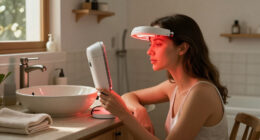
To use LED light therapy with a minimalist routine, pick the right wavelength—red for deeper skin benefits or blue for surface acne—based on your goals. Keep sessions brief, around 10 to 20 minutes, and do them about three times a week for the best results. Make certain your skin is clean and free of heavy products before starting. Always follow safety guidelines to protect your eyes and skin. If you’re curious about optimizing your routine further, there’s more to explore.

Get wellness gear delivered free with Prime
- Fast, free delivery on millions of items
- Prime Video, Amazon Music and more included
- Member-only deals all year
Key Takeaways
- Select the appropriate wavelength (red for deep layers, blue for surface bacteria) based on your skin goals.
- Keep treatment sessions between 10-20 minutes, 2-3 times weekly for consistent results.
- Clean skin thoroughly before use, avoiding heavy creams or oils to enhance light absorption.
- Follow safety guidelines, protect your eyes, and relax during sessions without looking directly at the light.
- Post-treatment, avoid harsh skincare products and allow skin time to recover and absorb benefits fully.
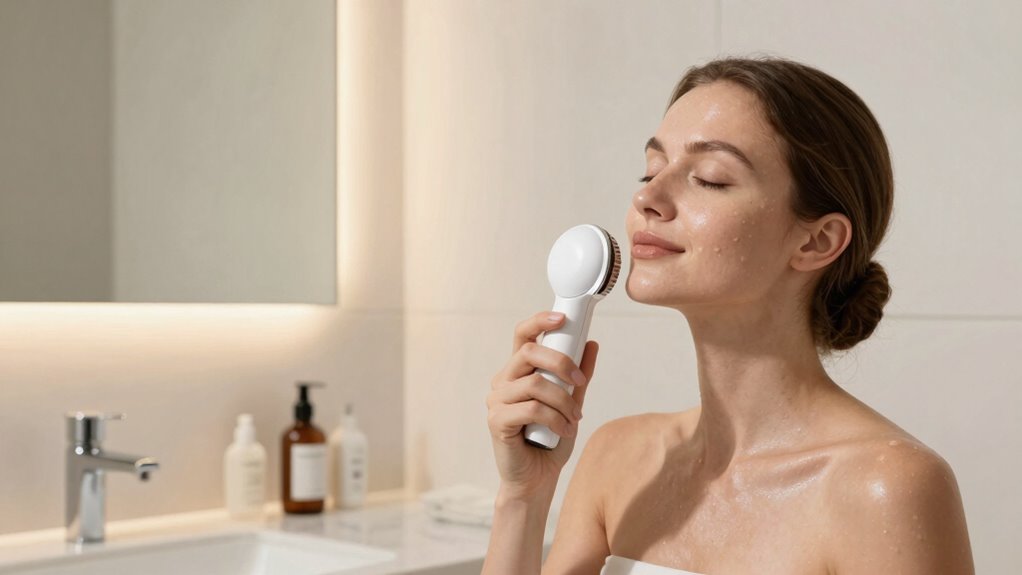
If you’re new to LED light therapy, understanding how to use it correctly is essential to maximize its benefits. One of the key aspects to consider is skin absorption. LED light penetrates the skin at different depths depending on the wavelength, so it’s important to target the right area with the appropriate device. For example, red light reaches deeper layers, promoting collagen production, while blue light primarily affects surface bacteria to reduce acne. To get the most out of your sessions, make sure your skin is clean and free of products that could block absorption, like heavy creams or oils. Applying the therapy directly to clean skin allows the light to penetrate more effectively, ensuring you get the full benefits.
Another vital factor is treatment duration. While it might seem tempting to extend each session, sticking to the recommended time frames is crucial. Most devices suggest around 10 to 20 minutes per session, depending on the area being treated and the light’s intensity. Longer sessions don’t necessarily mean better results and could lead to skin irritation or unnecessary exposure. Consistency is more important than lengthy treatments. A minimalist routine involves sticking to a regular schedule, such as three times a week, which allows your skin to respond and adapt without overdoing it. Overusing LED therapy can cause redness or dryness, so paying attention to your skin’s response helps you fine-tune your routine.
Using LED light therapy doesn’t require complicated setups or multiple steps. Once you’ve prepared your skin and understood the appropriate treatment duration, you can integrate it seamlessly into your daily routine. Just sit comfortably with the device close enough for effective skin absorption, and relax during the session. Keep in mind that while the therapy is generally safe, you should avoid looking directly into the light and follow the manufacturer’s safety guidelines. Proper device safety precautions are essential to protect your eyes and skin during use. Additionally, understanding the skin absorption process can help you optimize the therapy and avoid overexposure. It’s also helpful to consider how different wavelengths affect skin layers to tailor your sessions accordingly. Being aware of the beneficial effects of different wavelengths can help you maximize the therapy’s potential. Incorporating knowledge about light wavelength penetration can further enhance your routine effectiveness. After each session, avoid harsh skincare products for a few hours to give your skin time to recover and absorb the benefits fully.
LED light therapy device for face
As an affiliate, we earn on qualifying purchases.
As an affiliate, we earn on qualifying purchases.
Frequently Asked Questions
Can LED Light Therapy Be Combined With Other Skincare Treatments?
Yes, you can combine LED light therapy with other skincare treatments. Just check product compatibility to guarantee they won’t interfere or cause irritation. You can customize your treatment by layering gentle products like serums or moisturizers before or after LED sessions. Always follow professional advice or product instructions to maximize benefits and avoid adverse reactions, creating an effective, personalized skincare routine that fits your minimalist approach.
Is LED Light Therapy Suitable for Sensitive Skin Types?
Yes, LED light therapy is suitable for sensitive skin types, but you should approach it carefully. Skin sensitivity varies, so start with shorter sessions and lower intensities to test your reaction. LED treatments are generally compatible with sensitive skin, as they are non-invasive and gentle. Always consult your dermatologist to confirm treatment compatibility with your skin’s specific needs, and monitor for any irritation during and after sessions.
How Long Does It Take to See Visible Results?
You’ll typically see visible results from LED light therapy within 4 to 6 weeks. Consistent use promotes skin regeneration and collagen stimulation, which gradually improves your skin’s texture and tone. While some may notice quicker changes, patience is key. Regular sessions support long-term benefits, so stay committed to your routine. Over time, you’ll likely enjoy a more youthful, radiant complexion with reduced fine lines and improved skin elasticity.
Are There Any Side Effects or Risks Involved?
You might experience potential skin irritation or redness after LED light therapy, but these effects are usually mild and temporary. To guarantee safety, follow eye safety precautions, like wearing goggles or shielding your eyes. While risks are minimal when used properly, avoid overuse and consult a dermatologist if you notice persistent discomfort or unusual skin reactions. Proper application and safety measures help you enjoy the benefits safely.
What Is the Recommended Frequency for Optimal Results?
You might be surprised, but for the best results, use LED light therapy about 3-5 times a week. Many skincare myths suggest daily treatments, but customization is key. Overdoing it can hinder progress or cause irritation. Pay attention to how your skin responds, and adjust accordingly. Consistency is essential, but listening to your skin’s signals will help you maximize benefits while avoiding unnecessary risks.
As an affiliate, we earn on qualifying purchases.
Conclusion
Think of LED light therapy as a gentle sunrise for your skin—each session awakening your natural glow. With a simple routine, you’re nurturing a quiet revolution beneath the surface, allowing confidence to bloom like a delicate flower in spring. Embrace this minimalist ritual as your daily ritual, and watch as your skin’s true light begins to shine through, illuminating your inner strength and beauty—proof that sometimes, less truly is more.
at-home LED light therapy for acne
As an affiliate, we earn on qualifying purchases.
As an affiliate, we earn on qualifying purchases.
minimalist LED skin rejuvenation device
As an affiliate, we earn on qualifying purchases.
As an affiliate, we earn on qualifying purchases.
Fall Picks
fall essentials
As an affiliate, we earn on qualifying purchases.