

Conductive gels are made of a gel matrix combined with conductive fillers like salts, carbon, or metallic particles, which lower resistance and improve electrical contact. They often include additives to balance pH, stabilize the gel, and prevent microbial growth, ensuring safety and performance. These gels facilitate consistent signal transmission by filling microscopic gaps between devices and skin. Want to discover what’s inside those bottles and how each component works together? Keep exploring to find out more.
Key Takeaways
- Conductive gels contain dispersed conductive fillers like salts, carbon, or metallic compounds within a gel matrix.
- They help improve electrical contact by filling microscopic gaps and reducing resistance during procedures.
- Water-based carriers provide flexibility, ease of application, and maintain moisture for consistent performance.
- Additives such as pH stabilizers, preservatives, and humectants ensure safety, stability, and skin compatibility.
- Formulations vary for medical, electronic, or skincare uses, focusing on conductivity, adhesion, or nourishing properties.
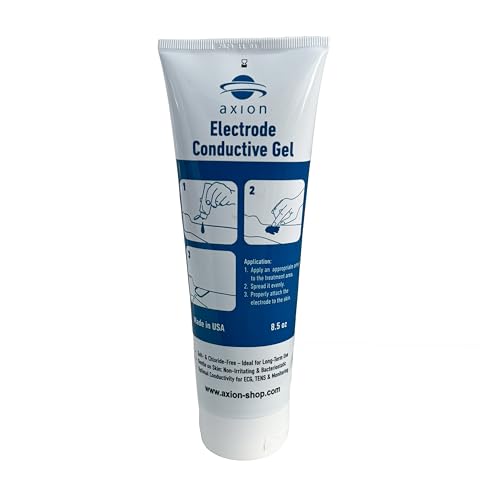
axion Conductive Electrode Gel for TENS Unit Pads 8.5oz | Hypoallergenic, Odorless and Skin-Friendly for All Types of Self-Adhesive Electrodes | Improves the Conductivity of TENS Electrode Pads
- Made in USA: Produced under strict quality standards
- High Conductivity: Ensures superior skin contact and reduced resistance
- Versatile Use: Suitable for TENS, Ultrasound, Microcurrent, and more
As an affiliate, we earn on qualifying purchases.
As an affiliate, we earn on qualifying purchases.
The Main Components of Conductive Gels

Conductive gels are primarily composed of a conductive filler dispersed within a gel matrix, allowing electrical signals to pass through effectively. The gel composition includes ingredients that work together to create a stable, conductive environment. You’ll find that ingredient interactions are essential; the gel matrix helps evenly distribute the conductive particles, enhancing conductivity and adhesion. Typically, water-based carriers form the foundation, providing flexibility and ease of application. Conductive fillers like salts, carbon particles, or metallic compounds are added to facilitate electrical conduction. These components must interact harmoniously to prevent separation or drying out. Understanding the gel composition and how ingredients interact helps you appreciate how these gels maintain consistent performance during use, ensuring reliable contact between electrodes and your skin. Additionally, the choice of appliance-related packaging and storage can influence the longevity and effectiveness of conductive gels.

NEOCARBON Electrode Conductive Gel for TENS Unit, Doppler Ultrasound Device, Cavitation microcurrent Machine and Replacement Pads, Clear 2 Pack, 250 ml
- Enhanced Conductivity: Optimizes signal transmission for devices
- 2-Pack Value: Includes two 8.5 fl.oz bottles
- Skin-Safe & Hypoallergenic: Gentle for sensitive skin
As an affiliate, we earn on qualifying purchases.
As an affiliate, we earn on qualifying purchases.
How Conductive Gels Facilitate Electrical Contact
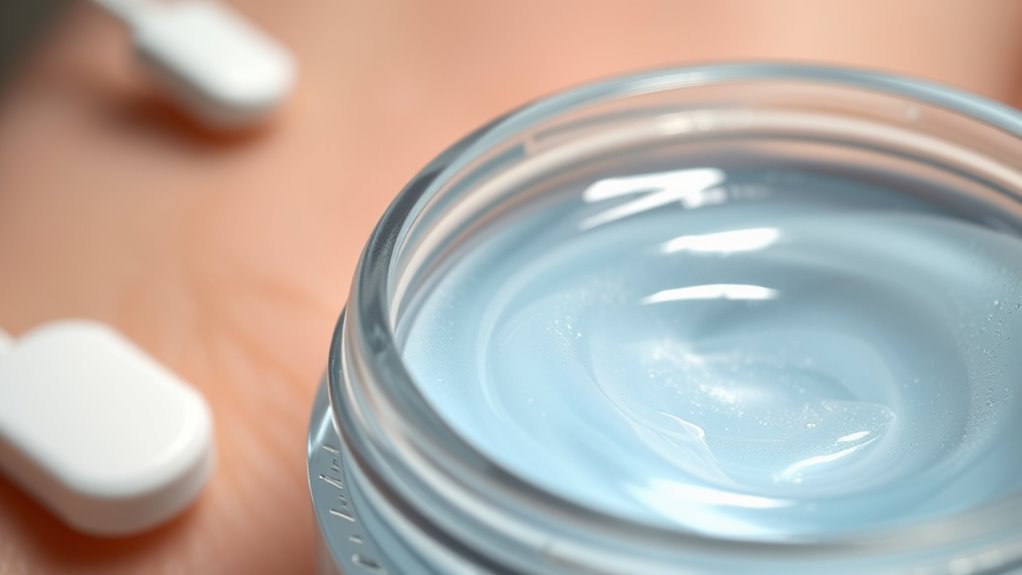
Have you ever wondered how conductive gels guarantee a reliable electrical connection between electrodes and your skin? They work by enhancing electrode adhesion and ensuring skin compatibility. Here’s how: Top 10 anime films 1. They fill microscopic gaps, creating a smooth surface that promotes consistent electrical flow. 2. Their conductive properties lower resistance, enabling efficient signal transmission. 3. They maintain skin compatibility, preventing irritation and ensuring stable contact during procedures. This combination helps electrodes stay firmly in place, reducing signal loss or noise. The gel’s formulation ensures it adheres well without damaging your skin, making sure the electrical contact remains reliable throughout your session. By improving electrode adhesion and promoting skin compatibility, conductive gels deliver a seamless connection between the device and your body.

Absonic Electrode Gel for TENS Unit Pads – Conductive Gel for EMS, Muscle Stimulators & Ab Belts | Extends Pad Life, Restores Adhesion | Hypoallergenic, Water-Based | 8.5 oz | Made in USA
- Extends Pad Life & Restores Adhesion: Rehydrates and maintains electrode stickiness
- Enhances Conductivity for Better Signals: Reduces resistance for precise stimulation
- Gentle on Sensitive Skin: Hypoallergenic, water-based, and irritation-free
As an affiliate, we earn on qualifying purchases.
As an affiliate, we earn on qualifying purchases.
Common Additives and Their Roles
Additives are essential components that enhance the performance and stability of conductive gels. They often include agents that improve electrode compatibility, ensuring the gel works effectively with different devices without causing corrosion or irritation. pH balancing agents are also common, maintaining a neutral or slightly conductive pH to prevent skin irritation and optimize conductivity. These additives help keep the gel stable during storage and use, preventing separation or degradation. Other ingredients, such as humectants, retain moisture for consistent performance, while preservatives prevent microbial growth. By carefully selecting additives, manufacturers create gels that are safe, effective, and suitable for various applications. Understanding these components helps you appreciate how these gels deliver reliable electrical contact and user comfort, especially considering the composition of conductive materials.

Oeneis Hydrating Microcurrent Conductive Gel, Fragrance-Free, Paraben-Free, Gel Primer with Hyaluronic Acid, Non-irritating, Moisturizing Gel for RF, 300g Tube, Clear
- Suitable for All Skin Types: Safe for all skin types
- Hydrates and Soothes Skin: Contains hyaluronic acid for hydration
- Fragrance-Free and Paraben-Free: Gentle, natural ingredients
As an affiliate, we earn on qualifying purchases.
As an affiliate, we earn on qualifying purchases.
Differences Between Medical, Electronic, and Skincare Gels

While all types of gels share the goal of conducting electricity or providing skin benefits, they differ markedly in their composition and purpose. Medical gels prioritize gel viscosity for ideal skin contact and use conductive materials like saline or electrolytes for safe electrical transmission. Electronic gels often have a lower viscosity, making them easy to spread and ensuring consistent conductivity with materials like silver or carbon particles. Skincare gels focus on nourishing ingredients and usually have a thicker consistency for better skin adhesion, with conductive materials like lightweight polymers. Additionally, the choice of natural materials can influence the gel’s performance and safety in various applications.
Safety and Handling Considerations
Ensuring safety when handling conductive gels is essential to prevent adverse effects and maintain proper functionality. You should always perform hazard identification before use, recognizing potential risks like skin irritation or accidental ingestion. Use gloves and work in well-ventilated areas to minimize exposure. Proper disposal is vital to avoid environmental contamination; never pour gels down drains or into the soil. Follow manufacturer instructions for disposal and local regulations. Here’s a quick safety overview:
| Hazard Identification | Proper Disposal |
|---|---|
| Skin irritation | Dispose of unused gel in sealed containers |
| Allergic reactions | Avoid contact with eyes and mouth |
| Toxicity potential | Do not pour in drains or soil |
| Fire risk | Keep away from open flames |
Additionally, understanding indoor air quality can help in assessing environmental safety during handling.
Frequently Asked Questions
How Long Do Conductive Gels Typically Last Before Expiring?
You might wonder how long conductive gels last before expiring. Typically, their shelf life ranges from one to three years, depending on the brand. Proper storage conditions, like keeping the bottle sealed, in a cool, dry place, help prolong their usability. Always check the expiration date on the package, and if the gel changes in color or texture, discard it to ensure safety and effectiveness.
Can Conductive Gels Cause Skin Irritation or Allergic Reactions?
You might wonder if conductive gels cause skin irritation or allergic reactions. It’s possible, especially if the gel contains allergenic ingredients that trigger sensitivities. If you have skin sensitivity, check the label carefully for potential irritants. Always do a patch test before full use, and if you notice redness, itching, or discomfort, discontinue use and consult a healthcare professional. Being cautious helps prevent adverse reactions and keeps your skin safe.
Are There Environmentally Friendly or Biodegradable Conductive Gels Available?
You’re wondering if eco-friendly conductive gels exist, right? Luckily, there are biodegradable alternatives and eco-friendly formulations that are gentle on the environment. These gels break down faster than you’d imagine, making them perfect for sustainable use. You can find options made from natural ingredients that perform just as well as traditional gels. So, yes—your eco-conscious choices can be effective, safe, and good for the planet all at once!
How Should Conductive Gels Be Stored to Maintain Their Effectiveness?
To keep your conductive gels effective, you should focus on proper storage safety and preserving their shelf life. Store the gels in a cool, dry place away from direct sunlight and extreme temperatures. Always keep the container tightly sealed to prevent contamination and evaporation. Check expiration dates regularly, and avoid exposing the gels to moisture or air, as these can degrade their quality and reduce their conductivity over time.
Do Conductive Gels Contain Any Ingredients That Interfere With Medical Devices?
You might wonder if conductive gels contain ingredients that interfere with medical devices. Most gels are formulated with ingredient safety and device compatibility in mind, so they typically don’t cause issues. However, some additives could potentially affect sensitive equipment. Always check labels and follow manufacturer guidelines to make certain the gel you use won’t interfere with your device’s function or safety. Proper selection helps maintain both effectiveness and device integrity.
Conclusion
Think of conductive gels as the glue that keeps your devices connected and your skin happy. By understanding what’s inside, you can better appreciate how they work to guarantee safe, effective contact. Just like a well-balanced recipe, the right combination of components makes all the difference. When you handle these gels with care, you’re nurturing a seamless link—bridging the gap between technology and skin, and making sure everything flows smoothly.