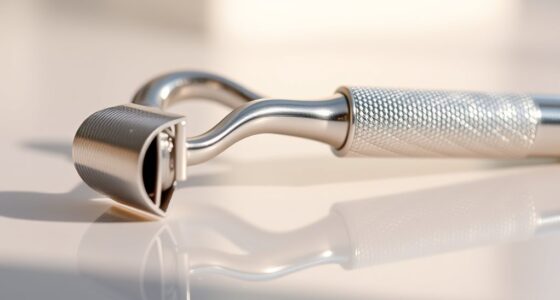
To get the best results and stay safe, you need to understand the ideal microneedling depths for different skin concerns. Superficial issues like fine lines often need just 0.25-0.5 mm, while scars and deep wrinkles may require 1.0-2.0 mm. Proper calibration based on your skin type and condition is key. Keep exploring, and you’ll discover how to choose and adjust needle depths confidently for excellent skin health.
Key Takeaways
- Microneedling depth varies from 0.25 mm for fine lines and pigmentation to 2.5 mm for deep scars and wrinkles.
- Superficial treatments target the outer skin layer at 0.25-0.5 mm, promoting collagen with minimal trauma.
- Deeper concerns like scars and deep wrinkles typically require 1.0-2.0 mm, with caution to avoid skin damage.
- Proper calibration, individual skin assessment, and professional guidance optimize safety and treatment efficacy.
- Adjust needle depth based on skin response, treatment goals, and specific skin conditions for best results.
What Is Microneedling and How Does It Work?

Microneedling is a minimally invasive skincare procedure that stimulates your skin’s natural healing process. By creating tiny punctures in the skin, it encourages your body to produce more collagen, which is essential for skin elasticity and firmness. This collagen stimulation helps improve skin texture, reduce scars, and diminish fine lines. During the treatment, the needles gently penetrate the skin’s surface, promoting cellular turnover without damaging the outer layer—your skin barrier. As your skin repairs itself, it becomes stronger and more resilient. Proper skincare practices after treatment can further enhance results and support skin recovery. Additionally, understanding decoding slang can help you communicate your skincare needs more effectively with professionals. This process not only enhances your skin’s appearance but also supports overall skin health. Maintaining consistent collagen production is vital for maintaining youthful, resilient skin, making microneedling a popular choice for skin renewal. Maintaining a regular skincare routine can optimize your results and help sustain your skin’s improved condition.
What Are the Safe Needle Depths for Different Skin Concerns?

To guarantee safety and effectiveness, it’s important to use the appropriate needle depths for different skin concerns. Maintaining your skin barrier’s integrity is essential, so avoid going too deep, especially for sensitive areas. For superficial issues like fine lines or pigmentation, a needle calibration of around 0.25 to 0.5 mm is usually safe. For mild to moderate scars, depths of 0.5 to 1.0 mm are typically effective without compromising the skin barrier. Deeper concerns, such as severe scarring or wrinkles, may require up to 1.5 mm, but should be performed with caution and professional guidance. Always adjust needle calibration based on your skin’s response and tolerability. Proper calibration ensures you target the right layers without risking damage or excessive trauma. Understanding skin anatomy can help you choose the correct needle depth for your specific needs, and paying attention to needle depth guidelines ensures optimal results and safety. Additionally, considering indoor air quality and humidity levels can support overall skin health and recovery during your microneedling routine. Being aware of skin healing processes can also help you better manage recovery times and expectations.
How Deep Should You Go When Microneedling for Skin Rejuvenation?

To achieve skin rejuvenation, you need to consider the ideal penetration depths for your specific concerns. Factors like skin thickness, treatment area, and your skin’s response influence how deep you should go. Understanding these points helps you customize your microneedling sessions for the best results. Proper device setup and understanding of protocols can also enhance safety and effectiveness during treatment. Additionally, consulting with a professional can help determine the appropriate depth tailored to your skin type and goals. Recognizing your skin’s healing response can further optimize treatment outcomes and minimize risks. Being aware of engineered performance parts like flywheels and engine upgrades can inform your approach to skin treatments, as both require precise tuning for optimal results. Knowing the recommended needle depth for your specific skin issues ensures you achieve effective rejuvenation without unnecessary damage.
Optimal Penetration Depths
Ever wonder how deep you should go during a microneedling session to achieve ideal skin rejuvenation? The best penetration depth balances effectiveness with safety. Generally, using a smaller needle gauge (like 30 to 36) allows for controlled penetration, ensuring you target enough skin layers without causing excessive trauma. The key is understanding skin permeability: superficial depths of 0.25 to 0.5 mm stimulate collagen and improve skin tone, ideal for fine lines and surface texture. For deeper issues like scars or wrinkles, penetrate 1.0 to 2.0 mm, reaching the dermis to promote significant collagen production. Proper filtration and pump protection ensure consistent performance of equipment during treatments. Additionally, it’s important to adjust needle depth based on individual skin sensitivity and specific concerns to optimize outcomes. Customizing depth levels according to skin type and condition can also significantly influence the effectiveness of the treatment. Recognizing skin sensitivity can help in choosing the appropriate depth to minimize discomfort and adverse reactions. Always consider your skin type and treatment goals to choose the appropriate depth. Proper depth ensures maximum benefits while minimizing risks.
Factors Influencing Depth
Choosing the right depth for microneedling depends on several factors that influence how deeply the needles should penetrate. Skin elasticity plays a vital role; more elastic skin can handle deeper needling without damage, while less elastic skin requires gentler treatment. Needle calibration also matters—adjusting needle length ensures you target the right skin layer for specific concerns. For example, superficial treatments for fine lines need shallower depths, whereas deeper scars or wrinkles may require more penetration. Your practitioner will assess your skin’s condition and elasticity to determine the ideal depth. Proper calibration ensures safety and effectiveness, preventing over- or under-treatment. Additionally, understanding skin response to trauma can provide insight into how your skin heals and adapts after microneedling treatments. Recognizing how Skin elasticity varies among individuals helps tailor treatments for safer and more effective outcomes. Proper technique and knowledge are essential for achieving optimal results while minimizing risks. Maintaining a thorough understanding of microneedling safety protocols can further help minimize potential complications. Ultimately, understanding these factors helps you achieve excellent results while minimizing risks.
What Are the Best Needle Depths for Treating Acne Scars and Wrinkles?

Choosing the right needle depth is vital for effectively treating acne scars and wrinkles. You’ll want to evaluate the optimal depths for each condition, along with the recommended settings to maximize results. Safety is key, so understanding the appropriate depths helps prevent unwanted side effects.
Optimal Depth for Acne
To effectively treat acne scars and wrinkles with microneedling, selecting the right needle depth is crucial. For acne scars, a depth of 1.0 to 2.0 millimeters often works best, reaching deeper layers of skin to promote skin regeneration and break down scar tissue. This depth stimulates collagen production, helping to fill in depressions and improve skin texture. If your goal is to target more superficial scars or early-stage scars, shallower depths around 0.5 millimeters can be effective, primarily enhancing collagen stimulation without excessive trauma. It’s important to tailor the depth to your skin’s specific needs, balancing the benefits of skin regeneration with minimal downtime. Proper depth selection guarantees ideal results in reducing acne scars and improving overall skin appearance.
Wrinkle Treatment Settings
When treating wrinkles with microneedling, selecting the appropriate needle depth guarantees ideal results while minimizing skin trauma. For wrinkles, depths between 1.5 to 2.5 mm are typically effective, as they reach the dermal layer where collagen stimulation occurs. Deeper needle settings promote collagen production, improving skin elasticity and reducing the appearance of fine lines. However, it’s essential to balance depth with skin sensitivity to avoid unnecessary discomfort or damage. For superficial wrinkles, shallower depths around 0.5 to 1.0 mm may suffice, providing enough stimulation without excessive trauma. Always start with a conservative depth and adjust based on skin response and treatment goals, ensuring you optimize collagen stimulation while preserving skin integrity.
Safety Considerations
Safety is paramount when selecting needle depths for treating acne scars and wrinkles, as improper settings can lead to unnecessary skin damage or prolonged recovery. To promote effective dermal regeneration, it’s vital to use appropriate depths that target the skin’s layers without over-injuring tissue. For superficial wrinkles, shallow needle depths around 0.25 mm to 0.5 mm often suffice, minimizing discomfort and reducing downtime. Deeper scars may require 1.0 mm to 2.0 mm, but these should be approached cautiously to avoid excessive trauma. Prioritizing patient comfort is essential; slower, controlled treatments help reduce pain and prevent adverse effects. Always assess individual skin conditions and use proper techniques to balance safety with the best possible results, ensuring the treatment promotes healing without unnecessary risk.
When Should You Use Shallow Versus Deep Microneedling?
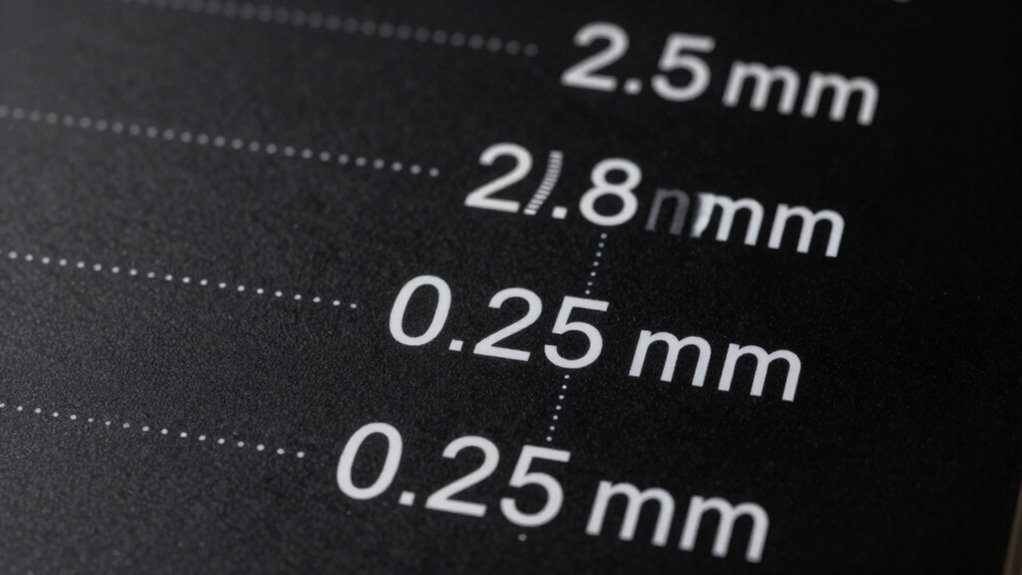
Deciding between shallow and deep microneedling depends on your specific skin concerns and treatment goals. Shallow treatments (around 0.25mm to 0.5mm) are ideal for boosting skin hydration, reducing fine lines, and improving overall texture without significant downtime. Deep microneedling (1.0mm or more) targets scars, deep wrinkles, and collagen production. Proper device calibration guarantees safe, effective results; always set the needle depth according to your needs. Here’s a quick comparison:
| Concern | Needle Depth | Expected Outcome |
|---|---|---|
| Skin hydration | Shallow (0.25-0.5mm) | Improved moisture retention |
| Fine lines | Shallow to moderate (0.5mm) | Smoother skin |
| Scars and wrinkles | Deep (1.0mm or more) | Collagen stimulation |
How Can You Safely Adjust Needle Depth During a Session?

To adjust needle depth safely during a microneedling session, it’s essential to pay close attention to your device’s controls and your client’s skin response. Follow dermatologist tips by regularly checking needle calibration before starting and during treatment. Make incremental adjustments, starting with a lower setting and gradually increasing as needed. Observe how the skin reacts—redness, pinpoint bleeding, or discomfort signal you might need to reduce depth. Always communicate with your client, asking about their comfort level. Use precise control dials or settings to avoid sudden jumps in needle penetration. Proper calibration and attentive monitoring ensure safe, effective results while minimizing risks. Remember, careful adjustments based on real-time feedback are key to safe microneedling practices.
What Are the Risks of Using the Wrong Needle Depth?

Using the wrong needle depth during a microneedling session can lead to serious complications. If the needle length is too long, you risk excessive skin penetration, causing pain, bleeding, or even scarring. Deep penetration can damage the dermis, leading to infections or hyperpigmentation. On the other hand, too short a needle may not stimulate collagen effectively, wasting your effort and money. Incorrect needle depth also increases the chance of uneven results or skin irritation. It’s essential to match your needle length with your skin’s needs to avoid these risks. Proper control of skin penetration ensures safety and excellent results. Always follow recommended needle depth guidelines and consult professionals if you’re unsure about the right setting for your skin type.
How Do You Choose the Right Needle Depth Based on Your Skin Type?

Choosing the right needle depth depends on your skin type and the specific issues you’re targeting. If your skin is sensitive, opt for shallower depths to minimize irritation. For thicker skin or deeper scars, a longer needle may be necessary for effective results.
Selecting the right needle depth depends on your skin type and targeted concerns for optimal results.
Consider these factors for needle selection:
- Skin sensitivity: Use gentler, shallower depths to prevent redness or discomfort
- Skin thickness: Adjust needle length based on whether your skin is delicate or dense
- Treatment goals: Surface issues like fine lines need shallower depths, while deeper scars require longer needles
- Problem severity: More severe concerns may need increased needle depth for better penetration
Matching needle depth to your skin type ensures safer, more effective microneedling sessions.
FAQs: Common Questions About Microneedling Depths?
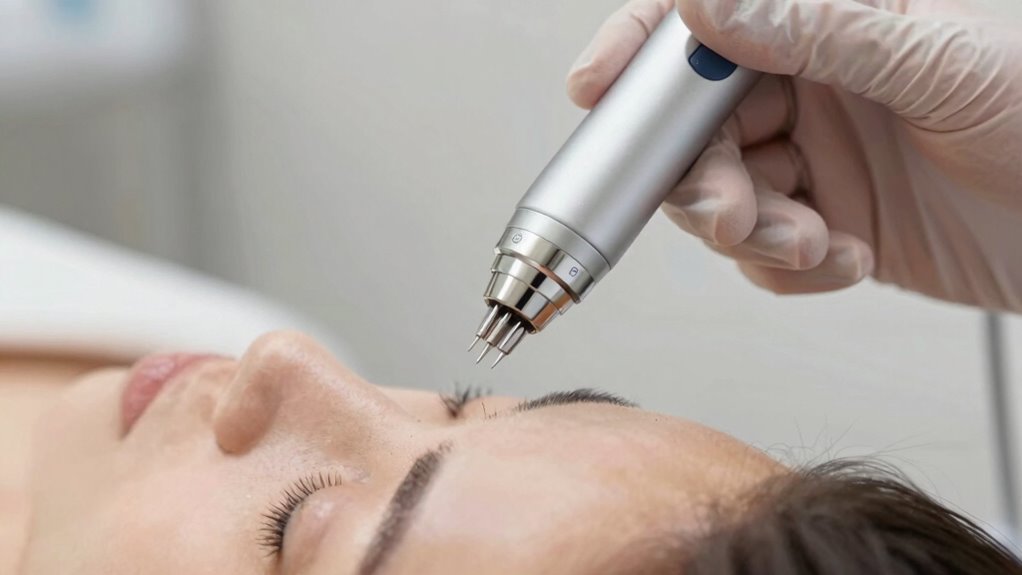
Have you ever wondered what determines the ideal needle depth for your microneedling treatment? The answer depends on balancing needle compatibility with your skin’s needs and ensuring patient comfort. Typically, shallower depths target surface issues like fine lines or pigmentation, while deeper depths stimulate collagen production for scars or wrinkles. It’s normal to question how deep is too deep—too deep can cause discomfort, while too shallow might be ineffective. Your practitioner considers your skin type, treatment goals, and tolerance to select the right depth. If you’re concerned about discomfort, discuss options for adjusting needle length or numbing agents. Remember, the goal is to achieve effective results without compromising your comfort, so clear communication with your provider is key.
Frequently Asked Questions
Can Needle Depth Affect Healing Time After Treatment?
Yes, needle depth can affect your healing time after microneedling. Deeper needles promote better collagen stimulation and scar reduction, but they may lead to longer recovery periods. If you opt for shallower depths, healing is quicker, but results might be less dramatic. It’s important to balance these factors based on your skin’s needs and your desired outcomes. Always follow your practitioner’s advice to optimize healing and results.
How Does Skin Thickness Influence Optimal Needle Depth?
Think of your skin as a layered canvas, each layer with its own story. When you consider skin thickness, you should adjust needle depth like tuning a fine instrument. Thicker skin, with more resilient epidermal layers and greater elasticity, requires deeper needles to reach the dermis effectively. Conversely, thinner skin needs gentler penetration to prevent damage, ensuring ideal healing and results. Your skin’s unique structure guides the depth for the best outcome.
Are There Age-Related Considerations for Microneedling Depth?
Age considerations play a role in determining microneedling depth because skin elasticity decreases over time. You should use shallower depths on older skin to avoid damage, as it tends to be thinner and less elastic. Conversely, younger skin with better elasticity can handle slightly deeper needles for more effective results. Always assess individual skin condition and consult a professional to customize the depth for safe, ideal outcomes.
Does Needle Depth Impact the Risk of Pigmentation Changes?
Needle depth can impact pigmentation risk during microneedling, especially if it’s too deep. Deeper needles increase the chance of post-inflammatory hyperpigmentation, particularly on darker skin tones. To guarantee needle safety, it’s essential to customize the depth based on your skin type and concerns. Proper technique minimizes pigmentation risk, so consult a professional who understands the importance of safe needle depths for ideal results and minimal side effects.
Can Adjustable Devices Help Customize Depth per Skin Area?
Yes, adjustable devices help you customize depth for different skin areas. They allow precise device calibration, ensuring you target the right depth for each region. This customization can improve treatment outcomes and enhance patient comfort, as you avoid unnecessary trauma or irritation. With adjustable settings, you gain better control, making microneedling safer and more effective, tailored to your patient’s specific needs and skin sensitivities.
Conclusion
By understanding the right needle depths, you’ll navigate microneedling like a pro, revealing radiant skin without the stormy seas of side effects. Think of it as tuning a delicate instrument—you want just the right touch to hit the perfect note. When you choose your depths wisely, each treatment becomes a stepping stone toward healthier, smoother skin. So, trust your knowledge, stay safe, and let your skin bloom like a well-tended garden.