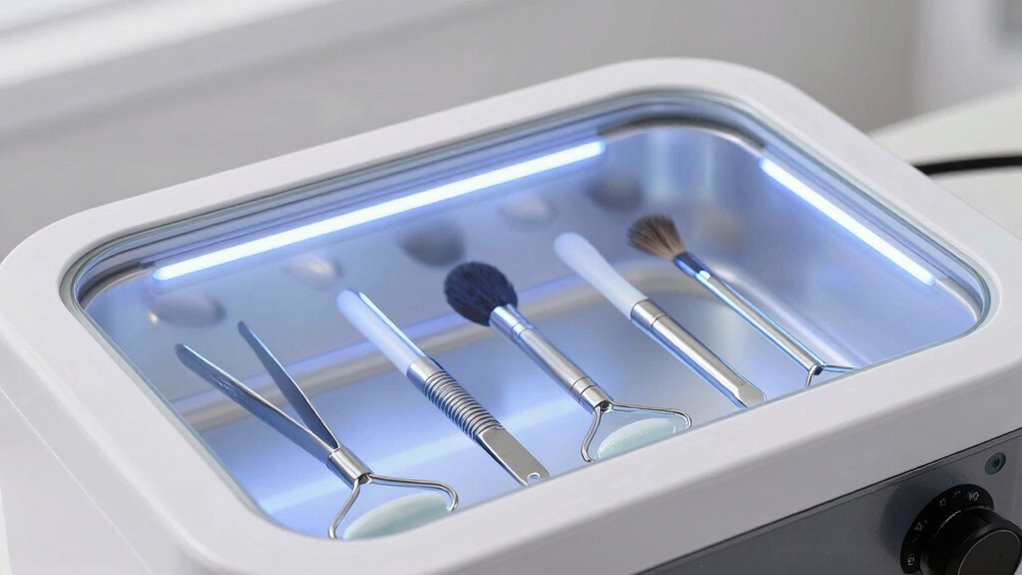

UV sanitizers use UV light to kill many bacteria, viruses, and fungi on your beauty tools by damaging their DNA. However, they can’t remove dirt, oils, or debris, so you must clean tools thoroughly beforehand. UV light only disinfects surfaces directly exposed, so shadowed or creviced areas may stay contaminated. Proper use enhances safety and effectiveness, but manual cleaning is still essential for complete hygiene. Keep exploring to learn how to get the most out of your sanitizing routine.
Key Takeaways
- UV sanitizers effectively kill bacteria, viruses, and fungi on surfaces with direct exposure.
- They cannot remove dirt, oils, or debris; cleaning before UV use is essential.
- UV light does not penetrate crevices or shadowed areas, limiting disinfection coverage.
- Proper exposure time and device maintenance are crucial for optimal results.
- UV sanitizers are a supplement to, not a replacement for, manual cleaning and sterilization methods.
How Do UV Sanitizers Disinfect Your Beauty Tools?
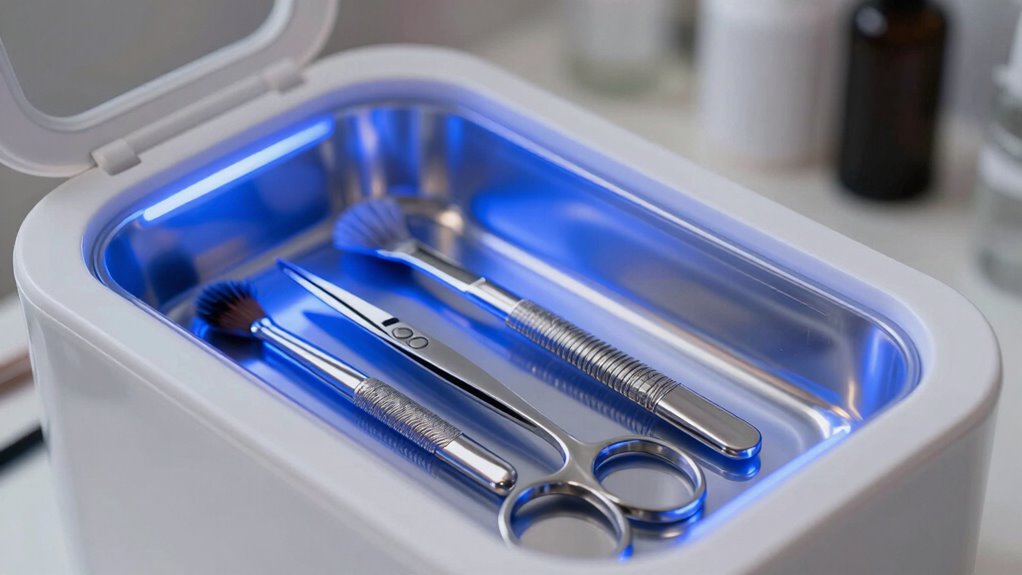
Ever wondered how UV sanitizers effectively disinfect your beauty tools? It all comes down to UV light, which penetrates microbial cell walls and destroys their DNA. When you place your tools inside a UV sanitizer, the UV light emits a specific wavelength that targets bacteria, viruses, and fungi. This process leads to microbial eradication, preventing the spread of germs. Unlike chemical disinfectants, UV sanitizers don’t leave residues or require rinsing. Instead, they rely on the power of UV light to quickly and efficiently neutralize harmful microorganisms. Just make sure your tools are exposed long enough and positioned correctly for the UV light to reach all surfaces. Proper calibration improves the effectiveness of UV sanitization, ensuring all microbes are adequately destroyed. Additionally, understanding the limitations of UV disinfection helps set realistic expectations about its capabilities. This method offers a safe, fast, and effective way to keep your beauty tools sanitized and hygienic.
What Bacteria and Viruses Can UV Sanitizers Kill?
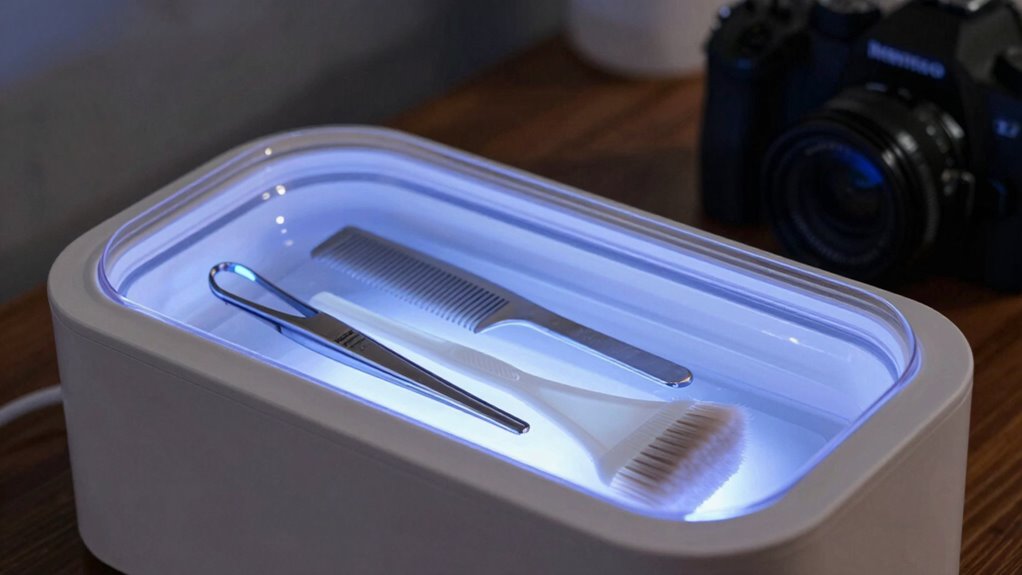
UV sanitizers are highly effective at killing a wide range of harmful bacteria and viruses, making your beauty tools safer to use. They excel at bacterial eradication, targeting germs like Staphylococcus aureus, E. coli, and Pseudomonas. UV light damages the DNA and RNA of viruses, leading to viral elimination, including common ones like herpes simplex and influenza. While UV sanitizers are powerful against many pathogens, they may not eliminate all bacteria and viruses completely, especially if the surfaces are shadowed or dirty. Proper exposure time and device quality are vital for maximum results. Proper maintenance of UV devices ensures consistent performance and longevity. Remember, UV sanitizers considerably reduce microbial presence but should complement regular cleaning, not replace it. This ensures your beauty tools remain hygienic and safe for daily use. Additionally, using UV sanitizers with high-efficiency design features can further improve their fan performance in terms of coverage and effectiveness. To achieve optimal disinfection, it is also important to consider proper usage techniques, including correct placement and exposure duration. Furthermore, understanding microbial resistance can help you select the most effective sanitization method for your needs. Being aware of the mammography guidelines and other screening options can also help in maintaining overall health awareness, especially for those at higher risk for breast cancer.
What Are the Limitations of UV Sanitizers for Beauty Tools?

While UV sanitizers are effective at reducing many germs on beauty tools, they do have limitations that you should be aware of. First, chemical limitations mean UV light can’t remove dirt, oils, or visible debris, so cleaning beforehand is essential. Second, material compatibility matters; some plastics or rubber may degrade or discolor with UV exposure. Third, UV light only disinfects surfaces directly exposed to it, so shadowed or creviced areas might remain contaminated. Fourth, prolonged or improper use can reduce the lifespan of the sanitizer bulb and decrease effectiveness. Keep in mind that UV sanitizers aren’t a substitute for thorough cleaning, especially when dealing with stubborn residues or delicate materials. Additionally, understanding the disinfection process ensures optimal use and safety of your beauty tools. Being aware of UV light limitations helps prevent over-reliance on these devices and promotes comprehensive hygiene practices. Proper UV sanitizer positioning during use is crucial to ensure all surfaces are adequately exposed to UV light for effective sterilization. Recognizing UV sanitization boundaries helps you make informed decisions about maintaining the hygiene of your beauty tools and ensures effective sterilization over time. Understanding these limitations helps ensure safe and effective disinfection.
How to Use a UV Sanitizer Correctly for Safe, Effective Disinfection?
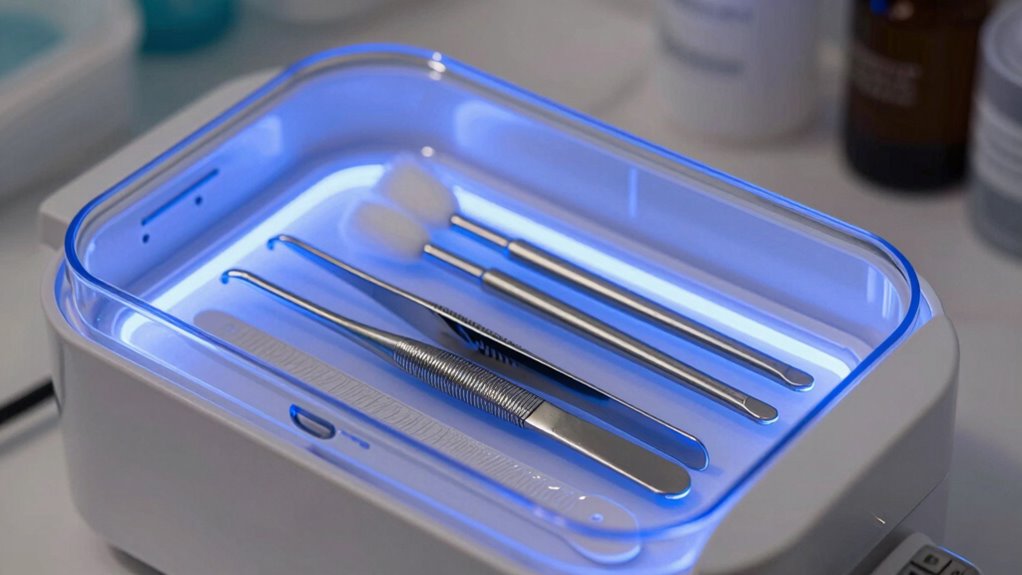
To guarantee your UV sanitizer works safely and effectively, it’s important to follow proper usage steps. First, clean your tools thoroughly with soap and water to remove debris, as UV sterilization alone doesn’t eliminate physical dirt. Place the tools in the sanitizer, ensuring they’re fully exposed to the UV light, and follow the manufacturer’s recommended duration. Be aware of sterilization myths—UV light isn’t a substitute for thorough cleaning. Always prioritize UV safety by avoiding direct exposure to your skin or eyes during operation. Never open the device while it’s on, and keep it out of reach of children. Proper use maximizes disinfection, while respecting UV safety prevents accidents. When used correctly, UV sanitizers can be an effective part of your beauty tool hygiene routine.
When Should You Rely on Traditional Cleaning Methods Instead of UV Sanitizers?
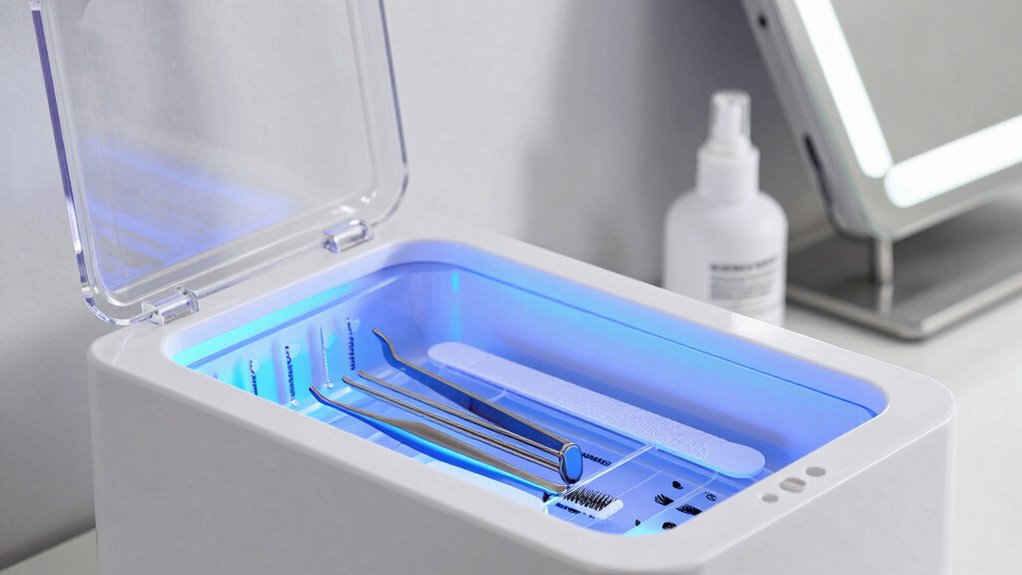
If your beauty tools have stubborn residues or heavy dirt, relying solely on a UV sanitizer isn’t sufficient. These methods work best for light cleaning but may miss complex or visible soil. You should use traditional cleaning techniques to guarantee thorough removal before UV disinfection. Additionally, proper cleaning protocols can be supported through mindful routines that reduce stress and promote self-awareness during cleaning practices. Incorporating hygienic practices into your routine can further ensure comprehensive sanitation. For optimal results, understanding the limitations of UV sanitizers helps in choosing the right cleaning method for different types of contamination.
Complex or Stubborn Residues
Have you ever struggled to remove thick or stubborn residues from your beauty tools? Residue buildup from products like oils, creams, or makeup can cling stubbornly, making UV sanitizers less effective. When faced with these, traditional cleaning methods are your best bet. Consider these situations:
- The residue is thick or sticky, requiring physical scrubbing.
- Product residue has hardened, forming stubborn layers.
- You notice visible buildup that UV light can’t penetrate.
- The tools have been used with greasy or oily products that cling tightly.
In these cases, cleaning with soap, water, and a brush ensures thorough removal. Once wiped clean, UV sanitizers can effectively disinfect, but they can’t break down or remove thick residues on their own.
Heavy or Visible Soil
When your beauty tools are covered in heavy or visible soil, relying solely on UV sanitizers won’t do the job. Oil buildup and protein residues can create a barrier that prevents UV light from reaching and disinfecting surfaces effectively. In such cases, traditional cleaning methods like thorough washing with soap and water are essential. Scrubbing helps remove thick residues, oil, and dirt that UV sanitizers can’t penetrate. If you notice visible grime, it’s best to do a manual clean first, then follow up with UV disinfection to ensure surface bacteria are minimized. Proper cleaning techniques are crucial for effective hygiene, especially when dealing with stubborn residues. Properly maintaining your tools by regular cleaning can significantly improve disinfection outcomes. Skipping this step can leave behind germs hidden beneath the soil, reducing overall hygiene. Always remember, UV sanitizers are a supplement, not a substitute, for proper cleaning when heavy soils are present. Additionally, understanding the horsepower of electric dirt bikes can help you choose the right model for your off-road needs. Proper surface contamination levels can significantly impact the effectiveness of UV disinfection, emphasizing the need for initial manual cleaning. To ensure maximum disinfection, it’s important to assess and pre-treat heavily soiled tools before UV exposure.
Are UV Sanitizers Safe and Suitable for All Beauty Tools?

While UV sanitizers are effective at killing germs on many beauty tools, they aren’t suitable for all types. Some tools require thorough chemical cleaning or manual sterilization to ensure safety. UV light can’t penetrate crevices or remove visible soil, so tools with cracks or buildup need extra care. Here are some considerations:
- *Delicate tools* like eyelash curlers may be damaged by UV exposure.
- *Tools with intricate parts* might not get fully disinfected by UV alone.
- *Items that can be damaged by UV*, such as certain plastics or adhesives.
- *Heavy soil or visible debris* should be cleaned manually before UV sanitizing.
- Proper disinfection protocols include combining UV sterilization with other cleaning methods for comprehensive hygiene. Incorporating UV wavelength science can optimize the effectiveness of sanitizing routines.
Always check manufacturer guidelines to determine if UV sanitizers are suitable, and combine with chemical cleaning or manual sterilization when necessary.
Frequently Asked Questions
Do UV Sanitizers Eliminate All Germs on Beauty Tools?
UV sanitizers don’t eliminate all germs on your beauty tools. They’re effective at germ elimination and can reduce bacteria, viruses, and fungi on surfaces. However, their sterilization limits mean they might not reach every tiny crevice or deeply embedded dirt. For complete sterilization, you should also clean your tools physically and follow proper disinfecting routines. UV sanitizers are great, but they’re not a substitute for thorough cleaning.
Can UV Sanitizers Damage Delicate Beauty Equipment?
You might worry that UV sanitizers could harm your delicate beauty equipment, but they’re generally safe if you consider material compatibility and equipment safety. UV light is non-invasive, so it won’t damage most plastics, metals, or glass. However, avoid using it on sensitive electronics or materials prone to discoloration or degradation. Always check your tool’s manufacturer guidelines to make certain of safe, effective disinfection without risking damage.
How Long Does It Take for a UV Sanitizer to Disinfect Tools?
Typically, a UV sanitizer takes about 3 to 10 minutes to disinfect your beauty tools, depending on the device and the sanitizer’s UV exposure time. To guarantee maximum sanitizer efficiency, follow the manufacturer’s instructions carefully. Longer exposure times usually lead to more effective disinfection, but avoid overexposing delicate tools, as it might cause damage. Always check the recommended duration for your specific sanitizer to get the best results.
Are UV Sanitizers Effective Against Bacterial Spores?
UV sanitizers are generally ineffective against bacterial spores due to their high UV resistance. You might think they disinfect all microbes, but spores can survive UV exposure because of their protective layers. For effective sterilization, consider using chemical disinfectants or autoclaves, especially if you need to eliminate spores. UV sanitizers work well for bacteria and viruses, but don’t rely on them alone for spores or highly resistant microorganisms.
What Should I Do if My UV Sanitizer Stops Working?
Coincidentally, if your UV sanitizer stops working, you should first check the power source and verify it’s plugged in properly. For troubleshooting UV devices, consult the user manual for specific maintenance tips, like cleaning the bulbs or replacing batteries. If issues persist, contact customer support or consider professional repair. Regular UV sanitizer maintenance can prevent future malfunctions, keeping your devices effective and safe for use.
Conclusion
Think of a UV sanitizer as a gentle yet powerful shield, illuminating your beauty tools like a beacon in the night. While it zaps away many germs, it’s not a magic wand—some bacteria and viruses hide in shadows. To keep your skincare routine safe, combine UV sanitizing with thorough cleaning. When used correctly, it’s a bright spot in your beauty arsenal, helping you feel confident and radiant every day.