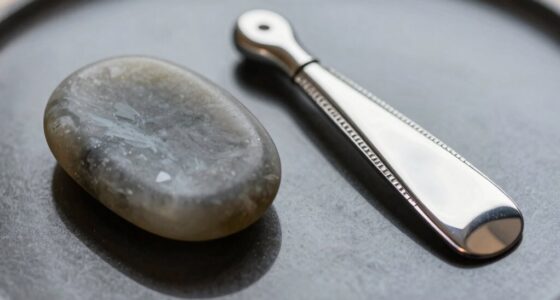
When doing facial cupping at home, avoid excessive suction and staying in one spot too long, as these mistakes can leave unwanted marks and bruises. Make sure your skin is clean, slightly moist, and lubricated to prevent irritation. Use gentle, upward strokes and limit sessions to 5-10 minutes. Pay attention to your skin’s reactions and stop if you see persistent redness or discomfort. Keep learning more to help you master safe and effective cupping techniques.

Get wellness gear delivered free — and shop member deals
- Fast, free delivery on millions of items
- Access to Prime Big Deal Days deals on October 6–7
- Prime Video, Amazon Music and more included
Key Takeaways
- Applying excessive suction can cause persistent redness and marks; keep suction moderate.
- Staying in one spot too long increases risk of skin bruising and discoloration.
- Using cups without proper lubrication or on dry skin can lead to irritation and unwanted marks.
- Overusing cupping sessions or exceeding recommended time frames heightens skin damage risk.
- Failing to monitor skin response and ignoring discomfort may result in lasting skin marks.
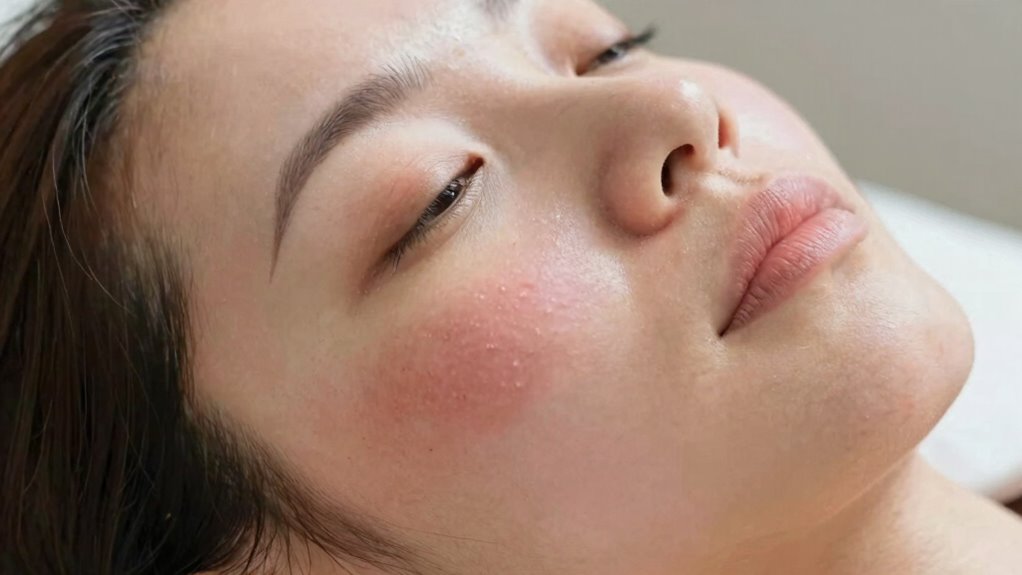
Have you ever wondered how to incorporate facial cupping into your skincare routine at home? It’s a popular method for boosting circulation, reducing puffiness, and encouraging a natural glow. But if you’re new to it, you might find yourself making mistakes that leave marks or even cause discomfort. To avoid this, understanding the right way to use cupping tools and how to integrate them into your skincare routines is vital.
First, it’s essential to choose the right cupping tools. There are different types—silicone, glass, or plastic—and each has its own benefits. Silicone cups are flexible and easy to handle, making them ideal for beginners. Glass or plastic cups might require a bit more skill to use correctly. Regardless of your choice, make sure your tools are clean before use to prevent bacteria transfer. Proper hygiene is key to avoiding skin irritation or breakouts.
Choose silicone, glass, or plastic cupping tools; keep them clean to prevent irritation and promote healthy skin.
Next, consider your cleansing routine. Before applying cupping, thoroughly cleanse your face to remove dirt, oil, and makeup. This helps the cups glide smoothly and prevents pulling or tugging on your skin, which can cause redness or marks. Using a light facial oil or serum can also reduce friction, making the process gentler and more effective. Remember, your skin should be slightly moist or lubricated for best results. Additionally, understanding the benefits of biodiversity can inspire more sustainable and mindful skincare choices.
When applying the cups, avoid pressing too hard or leaving them in one place for too long. Many people make the mistake of applying excessive suction or staying in one spot, which can lead to bruising or marks. Instead, move the cups gently across your face in slow, upward strokes. Keep the suction moderate—just enough to lift the skin slightly without causing pain or discoloration. Limit sessions to about 5-10 minutes, and don’t overdo it, especially if your skin is sensitive. Incorporating proper technique can significantly improve your results and reduce the risk of side effects.
Another common mistake is neglecting to listen to your skin. If you notice redness that persists or marks that don’t fade quickly, it’s a sign to stop. Facial cupping should feel relaxing, not painful. If you’re unsure about technique, consult tutorials or professionals to guide your practice. Over time, you’ll learn how your skin responds and adjust accordingly. Remember, patience and attentiveness are essential to achieve the best outcomes.
facial cupping set silicone glass plastic
As an affiliate, we earn on qualifying purchases.
As an affiliate, we earn on qualifying purchases.
Frequently Asked Questions
Can Facial Cupping Be Safely Done Every Day?
You shouldn’t do facial cupping daily, as it can irritate your skin and cause marks. Stick to a gentle cupping technique, and pay attention to your skin sensitivity. Giving your skin time to recover between sessions allows for better results and reduces the risk of damage. Usually, doing facial cupping 2-3 times a week is enough to enjoy its benefits without overdoing it or risking adverse reactions.
What Are the Best Oils or Serums to Use?
Back in the day, skincare routines relied solely on simple oils, and that’s still true today. For facial massage and cupping, choose gentle, natural oils like rosehip or jojoba, as they glide smoothly without clogging pores. Serums with hyaluronic acid or vitamin C can boost your glow. Always opt for oils that suit your skin type, enhancing your facial cupping routine without leaving marks or irritation.
How Long Should Each Session Last?
You should aim for 5 to 10-minute sessions, depending on your technique variations and cupping device types. Start with shorter durations, especially if you’re new, to avoid marks. Use a gentle, consistent motion and switch between different cupping device types like silicone or glass. Always listen to your skin—if you notice redness or discomfort, reduce the time or stop. Proper timing helps prevent marks and guarantees a safe, effective facial cupping routine.
Are There Specific Skin Types That Shouldn’t Try Facial Cupping?
If you have sensitive skin or known cupping contraindications like rosacea, eczema, or active breakouts, you should avoid facial cupping. Skin sensitivity can lead to increased redness or marks if you try it without proper precautions. Always consult with a dermatologist first, especially if you have underlying skin conditions. Doing so helps prevent adverse reactions and guarantees you use facial cupping safely and effectively.
How Do I Know if I’Ve Caused a Bruise?
Did you know that nearly 85% of people experience some form of skin discoloration after cupping? To identify if you’ve caused a bruise, look for noticeable discoloration, tenderness, or swelling. Bruise causes include excessive pressure or staying in one spot too long. Cupping indicators are usually dark spots or marks that don’t fade quickly. If you notice these signs, gently reduce pressure and avoid further cupping until it heals.
facial cupping tools for beginners
As an affiliate, we earn on qualifying purchases.
As an affiliate, we earn on qualifying purchases.
Conclusion
Remember, the glow you seek from facial cupping at home is like a mirror reflecting your care — but beware, mistakes can leave marks that tell a different story. Think of each session as a gentle dance, where patience and proper technique lead to beauty without scars. If you listen to your skin and respect its limits, you’ll find that true radiance isn’t just skin deep, but a reflection of your mindful self-care.
As an affiliate, we earn on qualifying purchases.
facial cupping with lubricating oil
As an affiliate, we earn on qualifying purchases.
As an affiliate, we earn on qualifying purchases.
Fall Picks
fall essentials
As an affiliate, we earn on qualifying purchases.