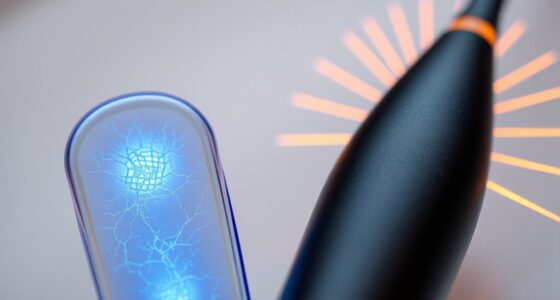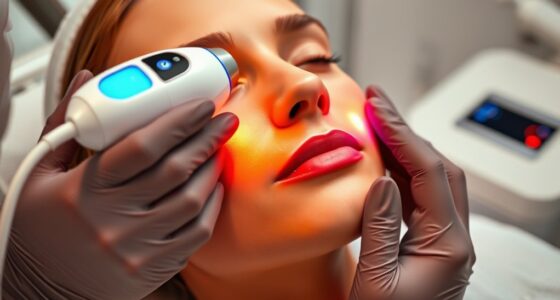

Bipolar RF uses two nearby electrodes to target superficial tissues, offering precise heating with less discomfort, ideal for skin tightening. Monopolar RF features one active electrode and a distant grounding pad, penetrating deeper for larger areas and more dramatic results but may cause more discomfort. Understanding these differences helps you choose the right treatment based on your goals. If you want to explore these options further, you’ll find detailed insights ahead.
Key Takeaways
- Bipolar RF uses two electrodes close together, delivering localized heat to superficial tissue layers.
- Monopolar RF employs a single active electrode with a distant grounding pad, allowing deeper tissue penetration.
- Bipolar RF is ideal for surface skin tightening and small area treatments; monopolar suits larger, deeper treatments.
- Bipolar RF generally causes less discomfort due to localized heating; monopolar may involve more pain owing to deeper tissue effects.
- Choice between systems depends on treatment goals, area size, depth of heat needed, and patient comfort considerations.
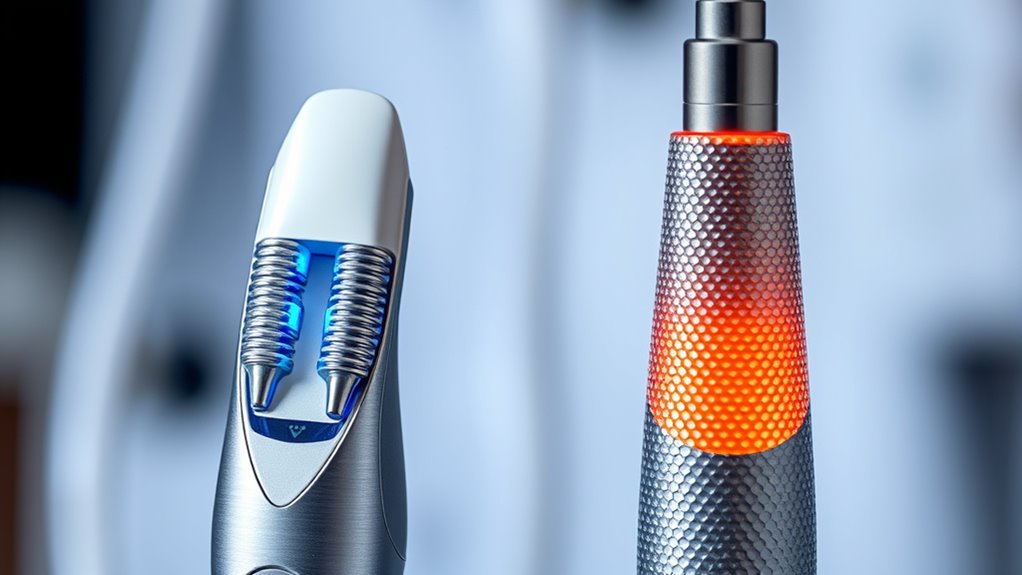
When exploring radiofrequency (RF) technology, understanding the differences between bipolar and monopolar systems is essential for making informed decisions. Both types of systems are widely used in aesthetic treatments and pain management, but they operate differently and serve distinct purposes. Knowing how each works can help you choose the right option for your needs, whether you’re aiming for skin tightening or seeking relief from chronic pain.
Understanding bipolar and monopolar RF helps you choose the right treatment for skin tightening or pain relief.
Bipolar RF systems utilize two electrodes positioned close together on the treatment device. When activated, electrical currents pass between these electrodes, generating heat within the targeted tissue. Because the current flows locally between the two points, the depth of heat penetration is limited, making bipolar systems particularly effective for superficial skin tightening. This focused heating stimulates collagen production, leading to firmer, smoother skin. Patients often prefer bipolar RF for facial treatments or smaller areas where precision is key, and where minimizing discomfort is important. Its localized effect means less risk of unintended damage to surrounding tissues, and as a result, pain management tends to be more straightforward with bipolar systems.
In contrast, monopolar RF systems feature a single active electrode, with a grounding pad placed elsewhere on the body to complete the circuit. When activated, the electrical current travels through a broader area, penetrating deeper into tissues. This makes monopolar RF ideal for treating larger areas or deeper tissues, such as for body contouring or more comprehensive skin tightening procedures. The deeper heat generated can promote collagen remodeling at multiple layers, offering more dramatic results for skin firmness. However, because the current travels over a larger area, patients might experience a higher level of discomfort or pain during treatment, requiring more effective pain management strategies. These systems are also used in pain management, where deep tissue heating can alleviate chronic pain conditions by relaxing muscles and reducing inflammation.
Ultimately, your choice between bipolar and monopolar RF depends on your specific goals and the area you wish to treat. If you’re looking for precise, superficial skin tightening with minimal discomfort, bipolar RF is likely the better fit. Conversely, if you need deeper heating for larger areas or more significant skin tightening results, monopolar RF might be more appropriate, albeit with a focus on pain management during and after the procedure. Understanding these differences empowers you to discuss options with your provider confidently, ensuring you select a treatment tailored to your desired outcomes and comfort level.

MLAY Professional RF Beauty Machine, Radio Frequency Face Machine with 2 Probes, at Home Radio Frequency Skin Tightening for Lifting, Wrinkle Reducing, Anti Aging – Salon Effects(Gel Included)
Salon-Level RF Treatment for Home Use: Experience professional-grade skin tightening with our MLAY radio frequency skin tightening machine…
As an affiliate, we earn on qualifying purchases.
As an affiliate, we earn on qualifying purchases.
Frequently Asked Questions
Which RF Technology Offers Faster Treatment Times?
You’ll find that monopolar RF technology generally offers faster treatment times because it covers larger areas more quickly, reducing overall procedure duration. Its design allows for quicker treatment sessions, which can be beneficial when you’re aiming to minimize your time in the clinic. Bipolar RF, on the other hand, tends to have a slightly longer treatment duration due to its focused approach. If speed is your priority, monopolar RF might be the better choice.
Can Bipolar RF Be Used on All Skin Types?
Bipolar RF can be used on most skin types, but about 20% of darker skin tones might experience some pigmentation changes. You should check your device’s compatibility, as not all bipolar RF devices suit every skin pigmentation. It’s crucial to consult with a professional to guarantee the treatment is safe and effective for your specific skin type, minimizing risks and optimizing results.
How Does RF Technology Impact Long-Term Skin Health?
RF technology can positively impact your skin’s long-term health by reducing signs of skin aging and stimulating collagen production. You’ll notice improved skin firmness and elasticity over time, as RF heats the deeper layers, encouraging collagen renewal. With consistent treatments, you can maintain a youthful appearance, minimize wrinkles, and enhance overall skin texture, making RF a valuable tool for long-term skin health and rejuvenation.
Are There Specific Conditions Better Suited for Monopolar RF?
Did you know that over 60% of patients with medical contraindications benefit more from monopolar RF? If you’re dealing with deeper skin issues or want targeted treatment, monopolar RF might be your best option. Its device portability allows for precise treatments in various settings, but you should always consult your doctor to make certain it’s suitable for your specific condition. This way, you maximize safety and effectiveness.
What Are the Maintenance Requirements for Each RF Device?
You should regularly perform device sterilization for both RF devices to prevent infections. For monopolar RF, guarantee the power supply maintenance includes checking cables and connections, as they handle higher currents. Bipolar RF devices require less extensive power supply maintenance but still need routine cleaning and calibration. Consistently inspecting and servicing your devices helps maintain ideal performance and safety, prolonging their lifespan.

Kainsati Body Sculpting Machine Cellulite Removal Machine Home Used 10 Adjustable 3 Model for Tightens Skin, Fat Burning, Lifting Suitable with 4 Cups for Belly, Arms, Legs, Waist, Love Handles
3-in-1 Professional Body Sculpting with Red Light Therapy: Anti-Wrinkle (200Hz BIO-Wave + Red Light) for stretch marks, Fat…
As an affiliate, we earn on qualifying purchases.
As an affiliate, we earn on qualifying purchases.
Conclusion
So, now you see the epic battle between bipolar and monopolar RF technology. Choosing the right one could completely transform your confidence and your appearance—it’s like revealing a secret weapon for youthful, radiant skin. Don’t settle for anything less than the best; your skin deserves this cutting-edge innovation. Make the smart choice today, and watch as your reflection becomes the stunning masterpiece you’ve always dreamed of. The power to revolutionize your look is in your hands—grab it now!
MLAY Professional RF Beauty Machine, Radio Frequency Face Machine with 2 Probes, at Home Radio Frequency Skin Tightening for Lifting, Wrinkle Reducing, Anti Aging – Salon Effects(Gel Included)
Salon-Level RF Treatment for Home Use: Experience professional-grade skin tightening with our MLAY radio frequency skin tightening machine…
As an affiliate, we earn on qualifying purchases.
As an affiliate, we earn on qualifying purchases.
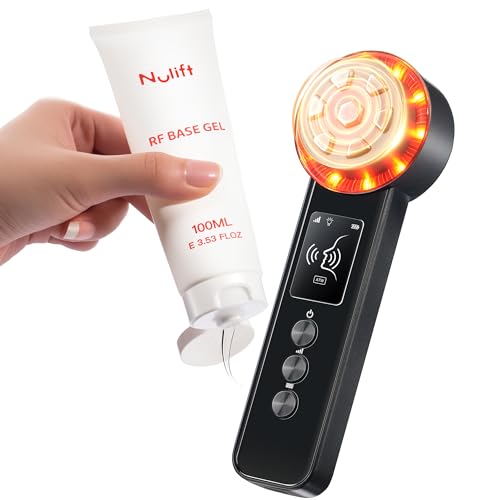
Skin Tightening Device | 6 in 1 Radio Frequency Skin Tightening Device | Professional Face Tightening | Face Lift | Wrinkle Reduce | Depuff | Absorb | Skin Care | Home RF Anti Aging Face Beauty Device
Dual-sided Head Design: this 6-in-1 radio frequency skin tightening device targeted Eye Forehead Cheek Jawline Face Chin Neck:…
As an affiliate, we earn on qualifying purchases.
As an affiliate, we earn on qualifying purchases.