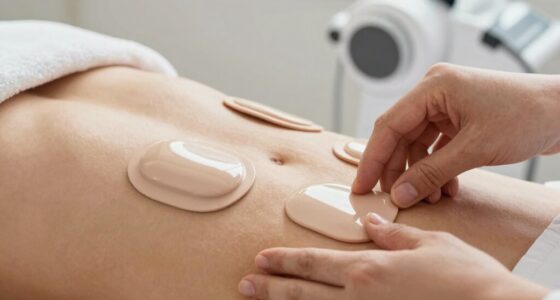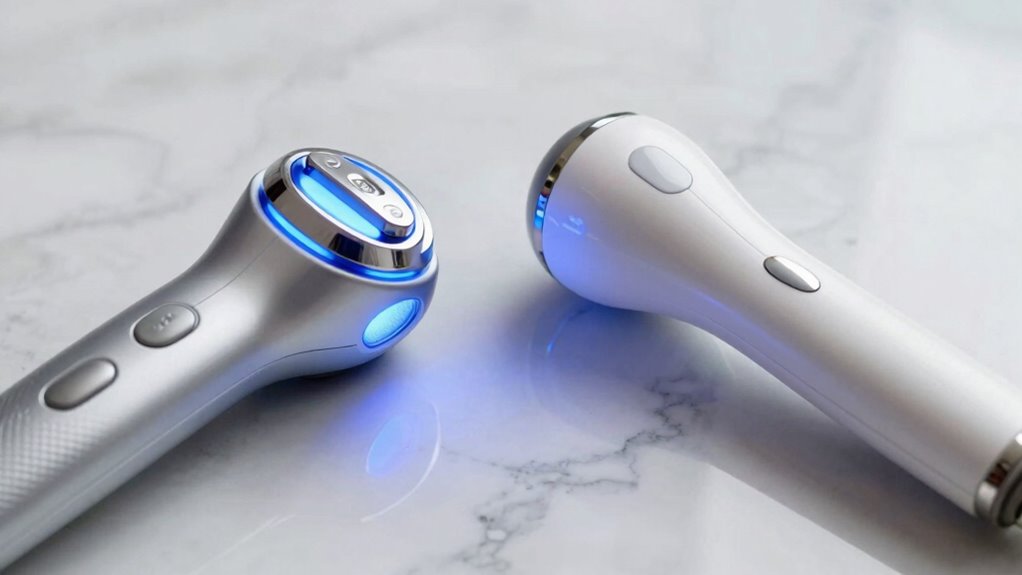

EMS and microcurrent devices use electrical signals but aim at different results—EMS stimulates muscles for toning and strength, while microcurrent targets skin to improve elasticity and reduce aging signs. EMS delivers stronger impulses that mimic nerve signals, whereas microcurrent provides gentler currents for skin rejuvenation. Understanding these differences helps you pick the right device for your goals. If you want clarity on each technology’s purpose and safety, exploring more will give you the insights you need.

Get wellness gear delivered free with Prime
- Fast, free delivery on millions of items
- Prime Video, Amazon Music and more included
- Member-only deals all year
Key Takeaways
- EMS stimulates deep muscle contractions for strength and toning, while microcurrent targets superficial skin layers for anti-aging and skin rejuvenation.
- EMS devices offer higher intensity settings for muscle building, whereas microcurrent devices operate at gentler levels suitable for skin care.
- EMS activates nerve pathways to induce muscle contractions; microcurrent stimulates skin cells to boost collagen and ATP production.
- EMS is ideal for muscle hypertrophy and strength; microcurrent focuses on improving skin elasticity, lifting, and youthful appearance.
- Choosing between them depends on specific goals: muscle development with EMS or skin rejuvenation with microcurrent.
As an affiliate, we earn on qualifying purchases.
What Are EMS and Microcurrent Technologies?

Have you ever wondered how certain devices can tone muscles or improve skin without surgery? EMS, or Electrical Muscle Stimulation, uses electrical pulses to trigger muscle contractions, promoting muscle strengthening and toning. Microcurrent devices, on the other hand, deliver very low-level electrical currents to stimulate skin cells, encouraging skin rejuvenation and a more youthful appearance. While EMS targets deeper muscle layers for physical strengthening, microcurrent focuses on the superficial layers of the skin to enhance its texture and elasticity. Both methods use gentle electrical signals, but their goals differ: one enhances muscle tone, the other improves skin quality. Understanding these differences can help you choose the right device for your goals and ensure you select vetted and effective options. Additionally, recognizing the technological distinctions between these methods can guide you in making informed decisions for your skincare and fitness routines. For example, the electrical stimulation mechanisms differ significantly, influencing their safety and suitability for various applications. Furthermore, awareness of the health benefits can help optimize your routine for better results, especially when considering personalized approaches that suit your specific needs.
As an affiliate, we earn on qualifying purchases.
How Do EMS Devices Stimulate Muscles?

EMS devices send electrical signals directly to your muscles through electrodes placed on your skin. These signals activate nerve pathways, causing your muscles to contract just like during exercise. Understanding how these electrical signals travel and trigger muscle responses is key to grasping how EMS works. Additionally, large number conversions can help in understanding the scale of electrical impulses used in various devices. Recognizing the electrical stimulation process provides clarity on how EMS effectively mimics natural muscle contractions. The neural transmission pathways involved play a crucial role in translating electrical impulses into muscle movements, making the process more comprehensible. Moreover, comprehending the electrical impulses’ magnitude offers insight into the safety and effectiveness of different EMS devices.
Muscle Activation Mechanisms
Electromyostimulation devices work by delivering electrical impulses directly to your muscles, causing them to contract. These impulses mimic signals your nervous system sends during exercise, activating muscle fibers. When you use EMS, you might notice muscle fatigue after a session, as your muscles work harder than during normal activity. Interestingly, some devices also influence skin hydration by promoting increased blood flow, which can aid in skin health. Here’s a quick overview:
| Muscle Fiber Type | Activation Speed | Effect on Skin Hydration |
|---|---|---|
| Slow-twitch | Slow | Enhances blood flow |
| Fast-twitch | Fast | Improves muscle strength |
| Fatigue Resistance | High | Supports skin elasticity |
| Recovery | Moderate | Boosts skin hydration |
| Endurance | Long-lasting | Maintains muscle tone |
Understanding these mechanisms helps you optimize your EMS sessions effectively. Additionally, some devices are designed to target specific muscle groups more efficiently by utilizing advanced electrical impulse technology. This technology can also influence muscle activation mechanisms, leading to more targeted and effective muscle stimulation. Moreover, the way these impulses are delivered can be tailored to enhance muscle recruitment patterns, ensuring a more comprehensive workout. Furthermore, advancements in device customization enable users to personalize their training based on individual needs, maximizing results and reducing the risk of injury. Incorporating cutting-edge technology into EMS devices has significantly improved their effectiveness and user experience.
Electrical Signal Pathways
When electrical impulses are delivered to your muscles, they follow specific pathways that trigger contractions. These signal pathways begin at the electrode pads, which send electrical currents into the skin. The impulses then travel through nerves that control muscle fibers, prompting muscle stimulation. The signals activate motor neurons, causing muscle fibers to contract. The effectiveness of this process depends on the device’s ability to deliver precise, controlled impulses that mimic natural nerve signals. The electrical signal propagates along nerve pathways, reaching the neuromuscular junction, where it stimulates muscle contraction. Understanding these signal pathways is vital to appreciating how EMS devices induce muscle activity, ensuring targeted, effective stimulation that promotes muscle engagement and strengthening. Additionally, the quality of the electrical signal can influence the neural response, impacting overall effectiveness. Recognizing the importance of signal fidelity helps optimize EMS therapy for better muscle recruitment and results. Proper calibration and stimulation parameters are crucial to maximize the benefits of EMS therapy, emphasizing the need for device accuracy in treatment protocols. Moreover, a clear understanding of electrical signal pathways can aid in troubleshooting and customizing treatment protocols for improved outcomes.
electrical muscle stimulator for toning
As an affiliate, we earn on qualifying purchases.
As an affiliate, we earn on qualifying purchases.
What Is Microcurrent Therapy, and How Does It Rejuvenate Skin?
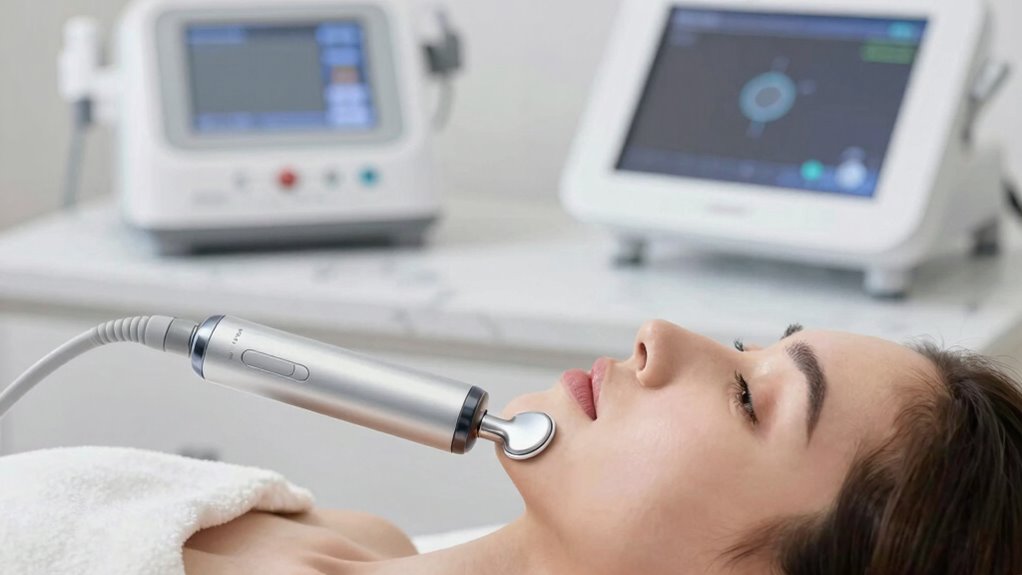
Microcurrent therapy involves applying low-level electrical currents to the skin to stimulate facial muscles and boost cell activity. This treatment promotes facial rejuvenation by enhancing collagen production and improving skin elasticity. The gentle currents encourage ATP (energy) production within cells, supporting faster healing and renewal. You’ll notice a more lifted, firm appearance over time as the skin regains its firmness and youthful glow. Additionally, understanding requirements traceability helps in evaluating the effectiveness and compliance of such treatments. Proper documentation ensures that the therapy adheres to safety standards and regulatory guidelines, providing peace of mind for users. Maintaining clear treatment records is essential for tracking outcomes and ensuring ongoing safety.
microcurrent skin rejuvenation device
As an affiliate, we earn on qualifying purchases.
As an affiliate, we earn on qualifying purchases.
Muscle Toning or Skin Rejuvenation: Which Is the Main Goal of Each?
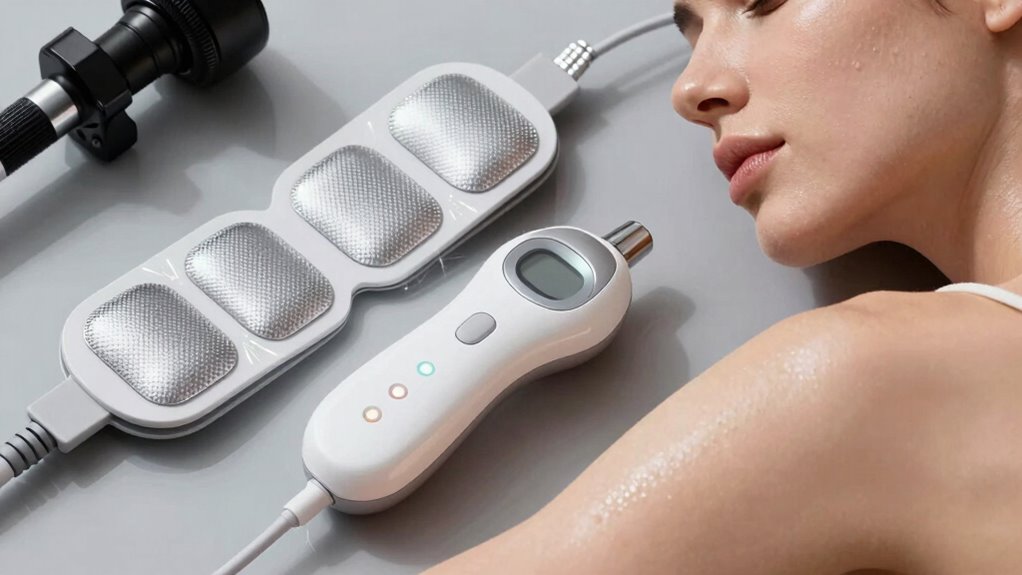
While microcurrent therapy can target both muscle toning and skin rejuvenation, each goal usually has a different focus. If your fitness goals lean toward muscle toning, the device emphasizes stimulating muscles to improve strength and definition, aligning more with EMS principles. These treatments help lift and firm, providing noticeable aesthetic improvements. Conversely, if your main aim is skin rejuvenation, microcurrent focuses on stimulating cellular activity and collagen production to reduce fine lines and wrinkles. The goal here is to enhance skin’s texture and elasticity, creating a more youthful appearance. So, understanding whether you want to boost muscle tone or improve skin quality will determine which treatment aligns best with your aesthetic goals. Each approach targets specific concerns for ideal results.
How Do Device Settings and Intensity Levels Differ Between EMS and Microcurrent?
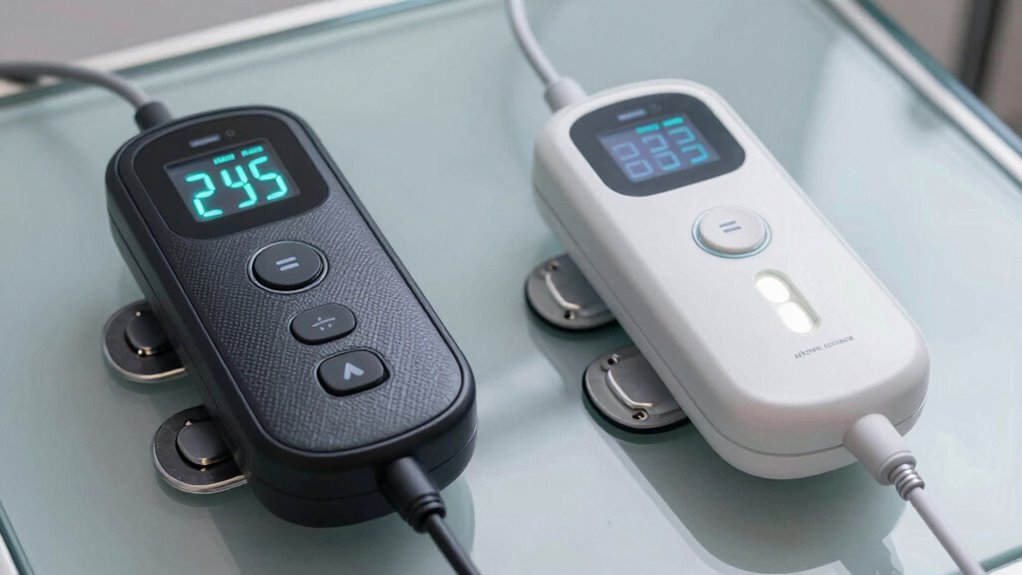
You’ll notice that EMS devices typically offer a wider intensity range to target deeper muscles, while microcurrent devices usually operate at lower levels suited for skin rejuvenation. The programming of each device varies, with EMS units often featuring preset modes for different muscle groups, whereas microcurrent devices focus on gentle, customizable settings. Depending on your goals, you can adjust the intensity and settings to better suit your needs, but the options differ markedly between the two technologies.
Intensity Range Variations
The intensity ranges of EMS and microcurrent devices differ markedly, primarily due to their distinct therapeutic goals. EMS devices typically operate at higher intensities to stimulate muscle contractions, while microcurrent devices use lower levels for healing and rejuvenation. Your experience depends on factors like electrical conductivity, which affects how easily current passes through your skin. Additionally, device ergonomics influence your ability to adjust settings comfortably.
Consider these key points:
- EMS devices often have broader intensity ranges, from gentle to powerful, to target muscles effectively.
- Microcurrent devices usually stay within lower, safer levels to prevent overstimulation.
- Proper electrical conductivity ensures consistent intensity, while ergonomic design helps you fine-tune device settings without frustration.
Understanding these variations helps you choose the right device for your needs.
Device Programming Differences
Device programming differs markedly between EMS and microcurrent devices, primarily in how their settings are calibrated to achieve specific therapeutic effects. EMS devices typically offer a broader range of adjustable parameters, allowing you to increase intensity levels more aggressively, which can impact device durability over time. Their user interface is often more complex, designed for detailed control over pulse frequency, duration, and strength. Microcurrent devices usually feature simpler programming with more subtle adjustments, emphasizing gentle stimulation that preserves device longevity. The user interface on microcurrent units tends to be more intuitive, making them accessible for beginners. Overall, the way you program each device affects not only their effectiveness but also how they’re used and maintained over time.
Customization Options Available
While both EMS and microcurrent devices allow for customization, their available settings and intensity levels vary considerably. EMS devices often feature advanced personalization features, enabling you to adjust parameters like pulse width, frequency, and session duration. Their user interface options tend to be more complex, offering detailed control over stimulation modes. Microcurrent devices generally prioritize simplicity, providing fewer adjustable settings but focusing on gentle, consistent microcurrents.
- EMS devices typically offer multiple preset programs and manual adjustments for personalized training or therapy.
- Microcurrent devices usually have limited modes, emphasizing ease of use with basic intensity controls.
- Both devices may include intensity levels, but EMS often allows for more granular customization, catering to specific needs.
Which Technology Is Better for Building Muscles?

Choosing between EMS and microcurrent for building muscles depends on your goals and how each technology stimulates your body. EMS is generally better for muscle growth because it delivers stronger, more targeted impulses that mimic intense workouts, leading to noticeable strength gains and increased muscle mass. If your primary aim is aesthetic enhancement through visible muscle tone, EMS can provide faster results. Microcurrent, on the other hand, mainly supports tissue repair and skin tightening, making it less effective for muscle building. While microcurrent can help improve muscle definition over time, it isn’t designed to promote significant hypertrophy like EMS. Ultimately, if your goal is substantial muscle development, EMS is the superior choice for building muscles.
Are Microcurrent Devices More Effective for Skin Tightening and Anti-Aging?
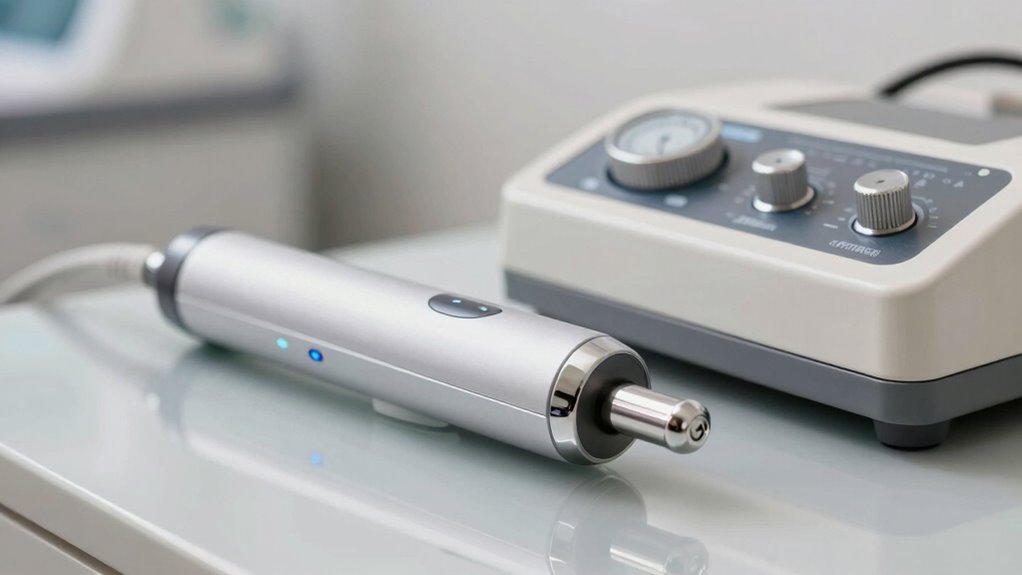
Microcurrent devices are often praised for their skin firming abilities and anti-aging benefits. You might notice they target fine lines and sagging more effectively than other treatments. But to determine if they’re truly more effective, it’s important to compare device features and how well they deliver results.
Microcurrent’s Skin Firming Power
Many people turn to microcurrent devices because they believe these tools can deliver noticeable skin tightening and anti-aging results. Microcurrent’s skin firming power primarily targets facial contouring and enhances skin elasticity by stimulating underlying muscles and tissues. This stimulation promotes a more lifted appearance and smoother skin texture. To maximize these benefits, consider these key factors:
- Consistent use to maintain muscle tone and prevent sagging.
- Proper electrode placement to target specific areas like cheekbones or jawline.
- Combining with a good skincare routine for improved absorption and results.
While microcurrent devices may not produce dramatic overnight changes, regular use can help you achieve a firmer, more youthful look over time.
Anti-Aging Benefits Comparison
While both EMS and microcurrent devices aim to combat aging and improve skin firmness, microcurrent devices are often considered more effective for skin tightening and anti-aging benefits. Microcurrent technology stimulates deeper facial muscles, promoting collagen production and reducing fine lines more noticeably. When evaluating options, consider device durability—your investment in a well-made device pays off over time. Additionally, brand reputation plays a vital role; trusted brands tend to produce more reliable and safer microcurrent devices, ensuring consistent results without damaging your skin. Although EMS devices also offer anti-aging benefits, microcurrent devices are generally preferred for their targeted approach and proven efficacy in reversing signs of aging, helping you achieve a more youthful, firm appearance.
Device Effectiveness Factors
When comparing the effectiveness of EMS and microcurrent devices for skin tightening and anti-aging, several key factors come into play. First, device durability matters—long-lasting devices maintain consistent performance over time, ensuring you get lasting results. Second, brand reputation influences your confidence; reputable brands often use higher-quality components and provide better customer support. Third, the technology’s power output and customization options ensure you receive targeted treatment tailored to your skin’s needs. Microcurrent devices, often from trusted brands, tend to offer superior durability and proven efficacy, which can enhance anti-aging and skin tightening results. Ultimately, choosing a device backed by a strong reputation and durable build is essential to achieving maximum effectiveness.
Are EMS and Microcurrent Devices Safe to Use at Home?
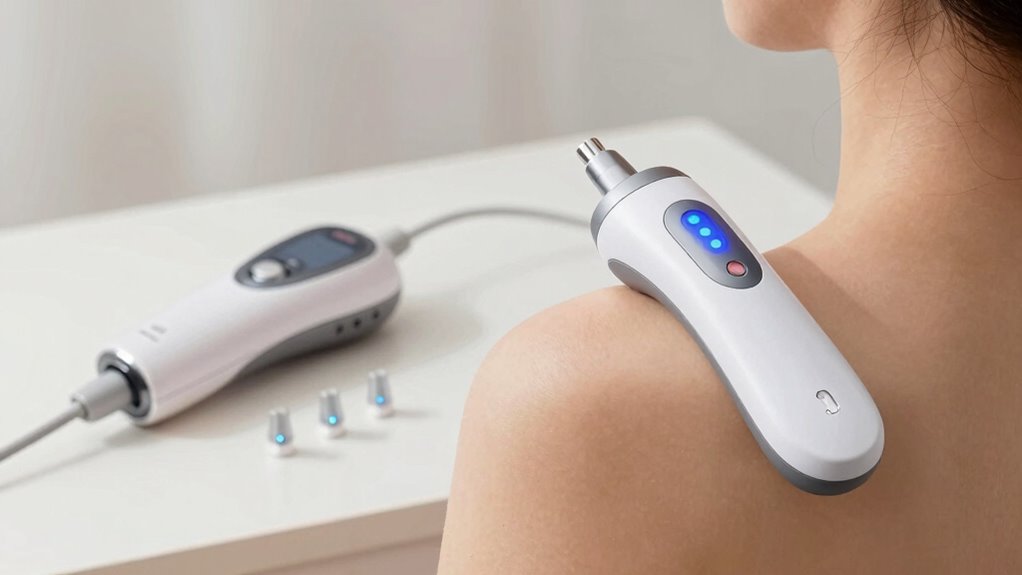
EMS and microcurrent devices can be safe for home use when you follow proper instructions and choose reputable products. Guaranteeing device durability is essential, as well-made devices are less likely to malfunction or cause discomfort. Always read the manufacturer’s guidelines to prevent misuse, which can lead to skin irritation or other issues. Cost considerations also matter; investing in quality devices might be pricier initially but often ensures better safety and longevity. Cheaper, poorly constructed units may not provide consistent electrical output or safe features, increasing risks. Remember, proper use and selecting trusted brands help minimize safety concerns. If you’re ever unsure, consult a healthcare professional before starting treatments at home to ensure you’re using the device safely and effectively.
How to Choose the Right Device Based on Your Goals?
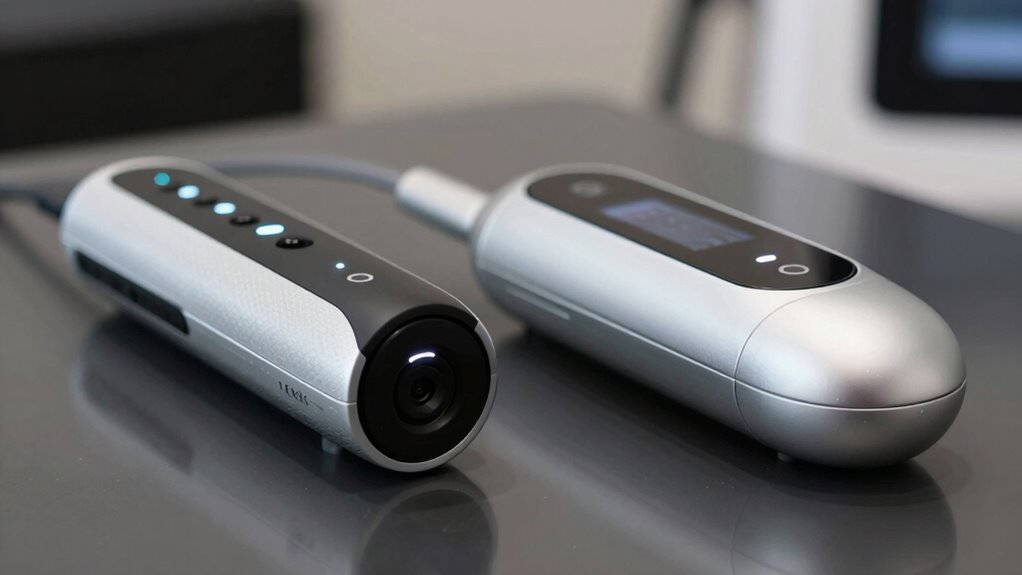
Choosing the right device depends largely on your specific goals, whether that’s muscle strengthening, pain relief, skin rejuvenation, or overall wellness. To guarantee you select effectively, consider these factors:
- Device maintenance – Opt for models that are easy to clean and maintain, reducing hassle and ensuring longevity.
- User comfort – Choose devices with adjustable settings and ergonomic designs that suit your body and comfort preferences.
- Goal-specific features – For muscle strengthening, look for devices with higher intensity levels; for skin rejuvenation, prioritize gentle microcurrent options.
Matching these aspects with your goals helps you find a device that’s effective, comfortable, and easy to care for, maximizing your benefits while minimizing inconvenience.
Common Myths and Clarifications About EMS and Microcurrent

Many people believe that EMS and microcurrent devices are interchangeable or that they offer the same results, but this isn’t true. EMS focuses on muscle stimulation, providing strength and tone, while microcurrent targets skin rejuvenation and healing. A common myth is that both devices are equally durable; however, EMS devices often have better device durability due to their robust design. Another misconception is that user experience is identical, but EMS devices tend to be more powerful, which can be uncomfortable for some users. The table below clarifies these differences:
| Myth | Reality |
|---|---|
| Both devices have the same durability | EMS devices usually have better durability |
| User experience is identical | EMS can be more intense, microcurrent gentler |
| They produce the same results | They serve different purposes |
Frequently Asked Questions
Can EMS or Microcurrent Devices Cause Muscle Fatigue or Skin Irritation?
Yes, EMS and microcurrent devices can cause muscle soreness or skin redness if used excessively or with too much intensity. You might experience temporary muscle fatigue or slight skin irritation, especially if your skin is sensitive. To prevent this, follow the recommended settings and avoid overuse. Always monitor how your body reacts, and if you notice persistent soreness or redness, stop use and consult a professional.
How Long Does It Take to See Results With Each Technology?
You can expect to see visible outcomes within a few weeks with both EMS and microcurrent devices. Timing expectations vary depending on your skin type, treatment consistency, and goals. Typically, you’ll notice subtle improvements after 10-20 sessions, but more significant results often appear after 4-6 weeks of regular use. Stay consistent, and you’ll enhance muscle tone or skin firmness gradually, achieving the desired effects over time.
Are There Specific Skin Types or Conditions That Respond Better to Microcurrent?
Around 70% of users report improvement with microcurrent, especially those with sensitive or dry skin. You’ll find it more suitable if your skin has good elasticity and isn’t prone to severe acne or rosacea. Microcurrent works best for skin compatibility, enhancing tone and firmness. If your skin condition fits these criteria, you’ll likely see better results, making it a more effective treatment choice for your specific needs.
What Are Potential Risks of Improper Use of EMS Devices at Home?
If you use EMS devices improperly at home, you risk skin irritation, muscle strain, or even burns. To guarantee home safety, always follow the manufacturer’s instructions closely, especially regarding device calibration. Avoid overusing the device or applying it to broken or sensitive skin. Regularly check for any discomfort and stop immediately if you experience pain. Proper usage minimizes risks and maximizes benefits from your EMS treatments.
How Do Device Sizes and Portability Influence Treatment Options?
Device size and portability directly impact your treatment options by offering greater flexibility and convenience. A lightweight device with low weight is easier to carry and use on the go, boosting travel convenience. Smaller sizes allow you to fit devices into bags or pockets, making it simple to incorporate treatments into your daily routine or while traveling. Ultimately, choosing a portable device helps you stay consistent with your EMS or microcurrent sessions.
Conclusion
Think of EMS and microcurrent like two tools in your skincare toolbox—each with its own purpose. Understanding their differences helps you choose what’s right for your goals, whether it’s muscle toning or skin rejuvenation. Don’t let brands’ vague explanations leave you in the dark. Now that you know the facts, you can confidently pick a device that works for you—like a well-matched pair of shoes, they’ll help you move forward with clarity and purpose.
Halloween Picks
halloween
As an affiliate, we earn on qualifying purchases.