If you’re pregnant, breastfeeding, have active skin infections, open wounds, or skin irritations, you should avoid microcurrent treatments. People with pacemakers, defibrillators, or other electronic implants must also steer clear, as the electrical signals can interfere with devices. Those with certain health conditions like heart issues, or skin sensitivity after sun exposure, should consult healthcare providers before trying microcurrent. Keep safety in mind—more details can guide you if you continue exploring.
Key Takeaways
- Avoid microcurrent treatments during pregnancy and breastfeeding without medical advice.
- People with electronic implants like pacemakers should not use microcurrent devices.
- Do not use on active skin infections, open wounds, or skin irritations.
- Patients with heart conditions or risk factors should consult a healthcare provider before use.
- Those with certain medical conditions, such as breast health issues or ‘Free Floating’ conditions, should refrain from microcurrent therapy.
What Are the Risks and Benefits of Microcurrent Therapy?

Microcurrent therapy offers several benefits, such as promoting skin rejuvenation, reducing inflammation, and accelerating healing. The benefits overview shows that many users experience noticeable improvements in skin tone, firmness, and reduced puffiness. Additionally, the therapy can support cellular repair by stimulating the production of ATP, which provides energy for skin cells. The therapy’s ability to enhance collagen production further contributes to skin tightening and youthful appearance. Moreover, proper treatment protocols help maximize results while minimizing risks. The process also involves precise electrical stimulation, which is critical for safe and effective treatment. However, it’s important to also consider the risks overview. While generally safe, some individuals may encounter mild side effects like redness, tingling, or discomfort during treatments. Rarely, improper use can lead to skin irritation or exacerbate certain health conditions. Knowing these risks helps you make informed decisions. Overall, microcurrent therapy provides significant benefits when performed correctly, but understanding potential risks ensures you approach it with caution. Always consult a professional to evaluate if this treatment aligns with your health needs. Additionally, individuals with certain medical conditions, such as those related to breast health, should exercise caution and seek medical advice before undergoing microcurrent therapy.
Who Should Avoid Microcurrent Treatments? (Contraindications List)

If you’re pregnant, breastfeeding, or have heart conditions, microcurrent treatments might not be safe for you. Skin infections or open wounds can also worsen with therapy, so it’s best to avoid it until healed. Always check with your healthcare provider before trying microcurrent if any of these apply. Additionally, those with Free Floating conditions should exercise caution, as the therapy may not be suitable for their specific health needs. Being aware of health risk factors can help you make informed decisions about treatment safety. Understanding medical contraindications is essential for ensuring safe application of microcurrent therapy. Moreover, consulting with a qualified professional can help identify appropriate safety measures tailored to individual health profiles. Recognizing potential adverse effects can further support a cautious approach to treatment choices.
Pregnancy and Breastfeeding
Because pregnancy and breastfeeding involve significant hormonal and physical changes, many practitioners advise avoiding microcurrent treatments during this period. For pregnancy safety, it’s best to hold off on microcurrent therapy to prevent any potential risks to the developing fetus. Similarly, breastfeeding considerations suggest avoiding microcurrent to ensure the baby isn’t exposed to electrical stimulation through skin contact or other means. Although microcurrent is generally gentle, the lack of extensive research on its safety during pregnancy and lactation means caution is essential. Additionally, microcurrent contraindications highlight that certain medical conditions may make treatments unsuitable, so consulting a healthcare professional is recommended before proceeding. If you’re pregnant or breastfeeding, consult your healthcare provider before considering any aesthetic or therapeutic treatments involving microcurrent. Understanding microcurrent safety is crucial for making informed decisions during this sensitive time. Safety precautions help protect both your health and your baby’s well-being during this sensitive time. Being aware of potential risks associated with microcurrent can further aid in making safe choices, especially considering the importance of holistic health considerations during pregnancy and lactation.
Heart Conditions Present
Individuals with certain heart conditions should avoid microcurrent treatments to prevent potential complications. These treatments can interfere with your heart health by causing electrical interference, which may disrupt your heart’s natural rhythm. If you have a pacemaker or arrhythmia, microcurrent could pose risks. It’s essential to understand how your condition interacts with electrical devices. Here’s a quick overview:
| Heart Condition | Risk Level |
|---|---|
| Pacemaker or defibrillator | High: electrical interference could impair device function |
| Arrhythmia | Moderate: may affect heart rhythm |
| Heart failure | High: increases risk of adverse effects |
Electrical interference can be particularly problematic for those with implanted heart devices, emphasizing the importance of device safety considerations. Always consult your healthcare provider before proceeding with microcurrent therapy if you have heart issues. Understanding electrical interference is crucial for safety. Additionally, being aware of heart condition interactions can help prevent adverse effects during treatment. Being informed about potential risks can further support your safety decisions. Recognizing symptoms of complications can help you seek prompt medical attention if needed.
Skin Infections or Wounds
Skin infections or open wounds should prevent you from undergoing microcurrent treatments, as applying electrical stimulation to compromised skin can worsen the condition or cause further infection. Microcurrent therapy relies on healthy skin to promote wound healing, but if there’s an active infection or open wound, it can increase the infection risk and delay recovery. Treating infected or wounded skin may introduce bacteria deeper into tissues or spread the infection. It’s essential to wait until your skin has fully healed and any infection has cleared before considering microcurrent therapy. Incorporating smart security products can help protect your space from unauthorized access, ensuring a safe environment for recovery and treatment. Skipping this precaution helps protect your health, prevents complications, and ensures that microcurrent treatments are safe and effective once your skin is no longer compromised.
Is Microcurrent Safe During Pregnancy or Breastfeeding?

Is microcurrent safe to use during pregnancy or breastfeeding? Generally, the safety of microcurrent treatments during pregnancy isn’t well-established, so it’s best to avoid it during this time. Pregnancy safety is a top concern because electrical stimulation could potentially affect fetal development, even if there’s no direct evidence of harm. When you’re breastfeeding, considerations include how treatments might impact your baby or be absorbed through your skin. Since there’s limited research on microcurrent and breastfeeding, many practitioners recommend postponing treatments until after childbirth or consulting your healthcare provider first. Prioritizing safety means being cautious with any new or unproven therapies during pregnancy and breastfeeding to protect both your health and your baby’s wellbeing. Additionally, understanding home treatment protocols can help you make informed decisions about your skincare regimen during these sensitive periods. It’s also wise to consider electrical stimulation safety guidelines to ensure you’re not exposing yourself or your baby to unnecessary risks.
Can People With Pacemakers or Electronic Implants Use Microcurrent?
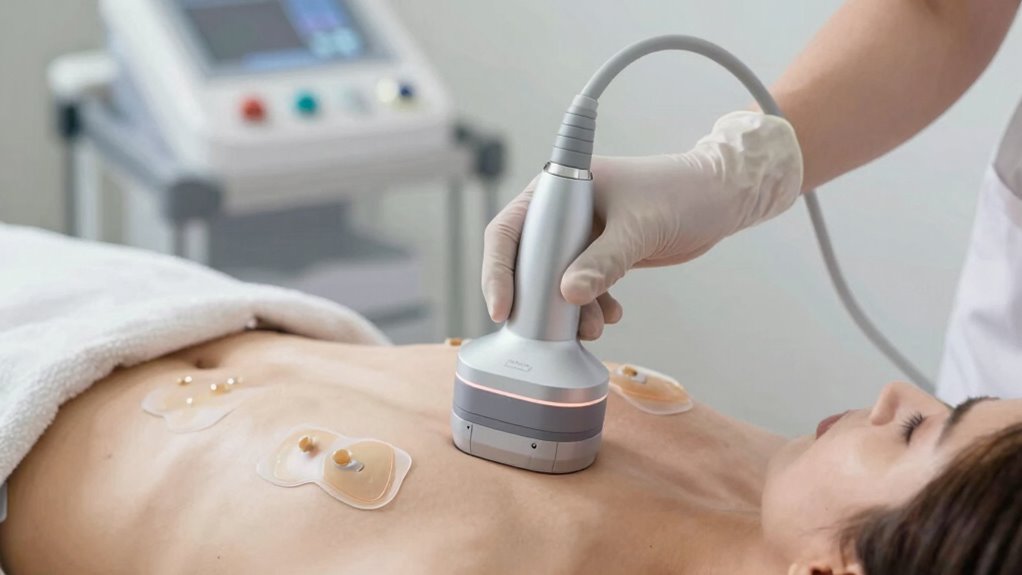
People with pacemakers or electronic implants should avoid using microcurrent devices because the electrical signals can interfere with their devices’ operation. Pacemaker precautions are essential, as microcurrent may disrupt the device’s function, leading to potential health risks. Microcurrent therapy involves low-level electrical currents, which can cause electronic device interference, affecting the accuracy and reliability of your implant. If you have a pacemaker or other electronic implant, consult your healthcare provider before considering microcurrent treatments. They can advise whether it’s safe based on your specific device and medical condition. Generally, the risk of interference makes microcurrent unsuitable for individuals with electronic implants, ensuring your safety and the proper functioning of your device.
Which Skin Conditions or Infections Make Microcurrent Unsafe?
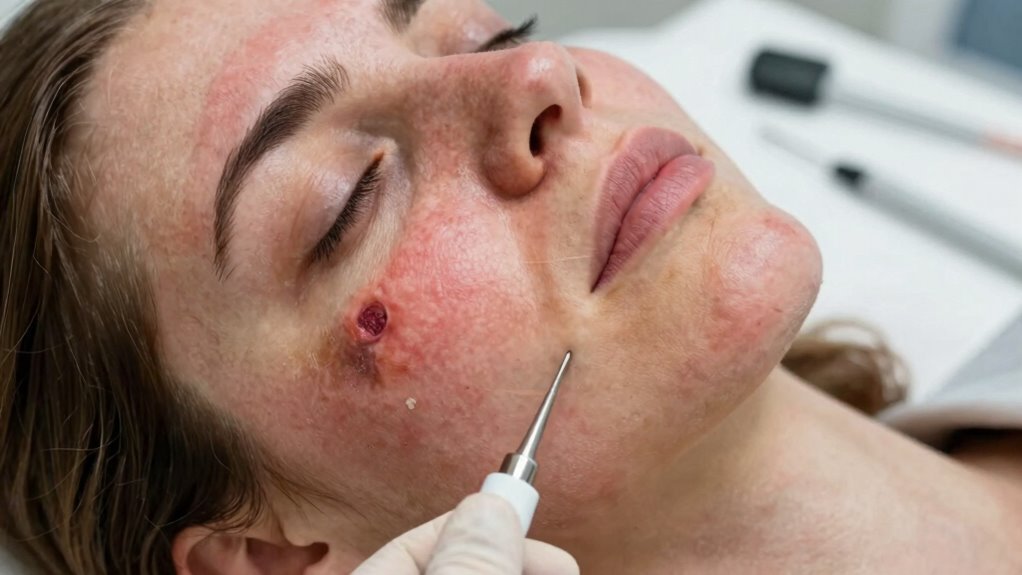
If you have active skin infections, open wounds, or sores, microcurrent treatments aren’t safe. Skin rashes or irritations can also worsen with this therapy. It’s best to wait until these conditions heal before considering microcurrent.
Active Skin Infections
Active skin infections can substantially increase the risk of complications when using microcurrent treatments. If you have a skin infection, applying microcurrent may worsen the condition or spread the infection. This is especially critical in areas requiring wound care, where bacteria are already present. Microcurrent stimulates cellular activity, which could inadvertently promote bacterial growth or delay healing. It’s essential to avoid microcurrent if you’re dealing with any active skin infection, including bacterial, viral, or fungal. Doing so helps prevent worsening the infection or causing secondary issues like increased inflammation or pain. Always consult a healthcare professional before proceeding with microcurrent treatments if you suspect or know you have an active skin infection. Prioritizing proper wound care and infection management is key to safe, effective treatment.
Open Wounds or Sores
Applying microcurrent treatments over open wounds or sores can pose significant risks, especially when certain skin conditions or infections are involved. Microcurrent may interfere with the natural wound healing process and disrupt skin regeneration efforts. Using this therapy on open wounds can introduce bacteria or cause further tissue damage, delaying healing or increasing infection risk. If your skin is broken, microcurrent can exacerbate inflammation or create new entry points for pathogens. It’s vital to wait until wounds are fully closed and healed before considering microcurrent therapy. Always consult with a healthcare professional to determine if your skin condition is suitable for treatment. Protecting your skin’s integrity is essential to ensure safe and effective results.
Skin Rash or Irritations
Skin rashes and irritations can make microcurrent therapy unsafe because damaged or inflamed skin is more vulnerable to further irritation or infection. If you have a skin rash or other skin irritations, microcurrent may worsen your condition or cause additional discomfort. Active skin issues indicate compromised barriers, increasing the risk of bacteria entering and leading to infection. It’s essential to wait until your skin heals completely before considering microcurrent treatments. Ignoring these warnings can prolong irritation or cause adverse reactions. Always consult with a healthcare professional if you’re unsure whether your skin condition is suitable for microcurrent therapy. Protecting your skin’s health ensures safe and effective treatment, avoiding unnecessary complications associated with skin rashes or irritations.
Should You Avoid Microcurrent on Open Wounds or During Active Infections?
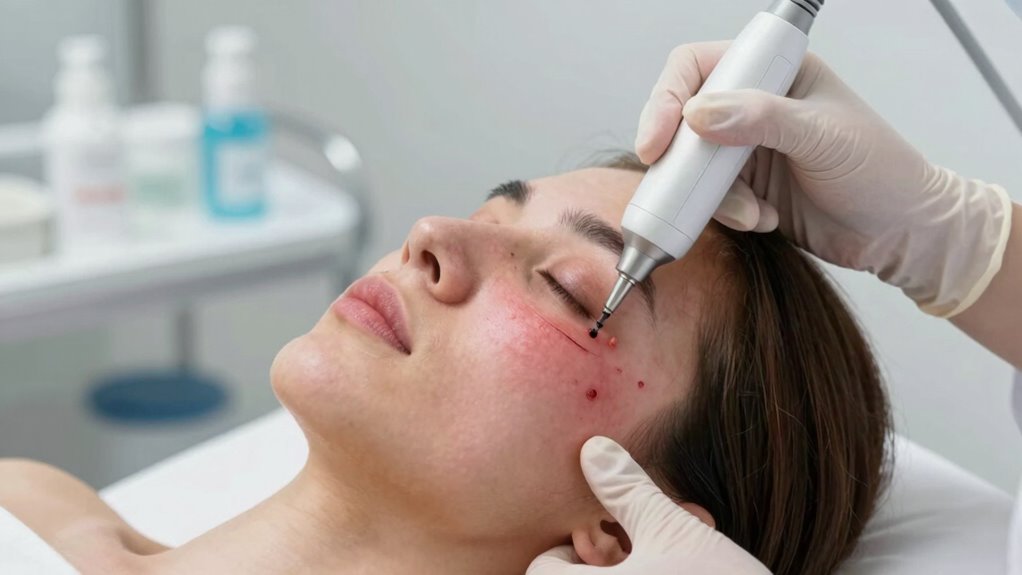
You should avoid using microcurrent therapy on open wounds or during active infections because it can interfere with the body’s natural healing process and potentially spread bacteria. Applying microcurrent to open wounds may disrupt tissue repair and increase the risk of infection. During active infections, microcurrent can intensify inflammation or worsen the condition. It is crucial to wait until your skin has fully healed and any infection has cleared before considering microcurrent treatments. Using microcurrent in these situations can prolong recovery or cause complications. Always consult with a healthcare professional if you’re unsure about whether your wound or infection qualifies as a contraindication. Protect your health by avoiding microcurrent until your skin is completely healed and free from infection.
Is Microcurrent Safe for Photosensitive Skin or During Sun Exposure?
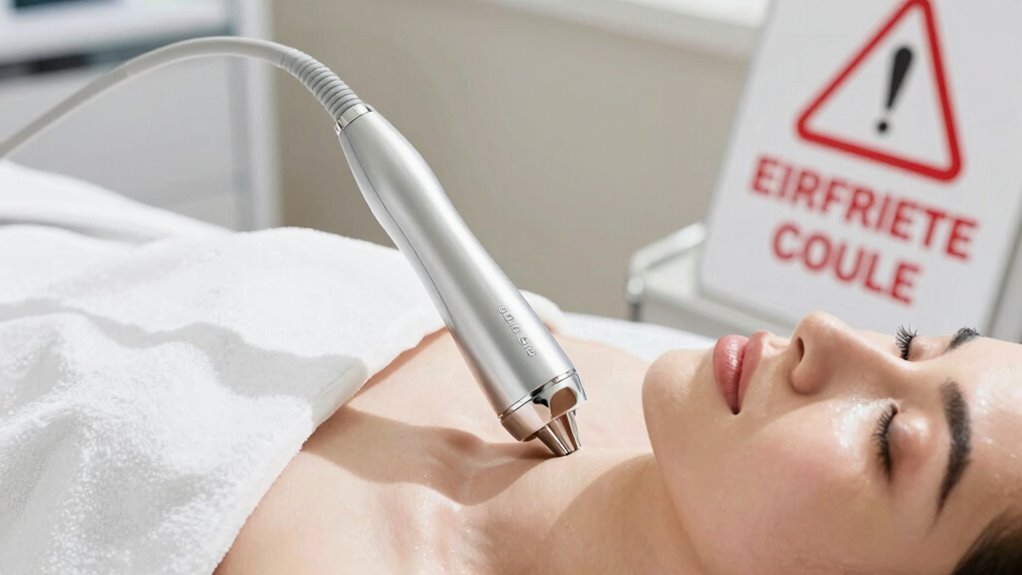
Microcurrent therapy may pose risks for individuals with photosensitive skin or those exposed to strong sunlight. If you have photosensitive skin, your skin reacts more intensely to light, increasing the chance of adverse effects from microcurrent treatments. Sun exposure can also heighten sensitivity, making your skin more vulnerable during or after sessions. To avoid issues, consider waiting until your skin calms down after sun exposure before trying microcurrent.
- Avoid microcurrent immediately after sunbathing or tanning
- Protect your skin with sunscreen if you’re sun-exposed
- Consult a professional if you’re unsure about your skin’s sensitivity
Taking these precautions helps ensure your safety and prevents unwanted reactions during microcurrent treatments.
Are There Medications or Substances That Interfere With Microcurrent Treatments?

Certain medications and substances can interfere with microcurrent treatments by affecting skin sensitivity or altering how your body responds to electrical stimulation. Medication interactions may make your skin more reactive or less receptive, reducing treatment effectiveness or increasing discomfort. Substances like blood thinners, certain antibiotics, or anti-inflammatory drugs can increase bleeding risk or cause unpredictable responses during therapy. Additionally, recreational drugs, alcohol, or stimulants can influence your body’s response, potentially leading to adverse effects. It is crucial to disclose all medications and substances you’re using to your practitioner before starting microcurrent treatments. Being aware of these potential interactions helps ensure your safety and the effectiveness of the therapy. If you’re unsure about your medications, consult your healthcare provider for guidance.
How Can You Determine If Microcurrent Therapy Is Right for You?

Before starting microcurrent therapy, it’s important to assess whether it’s suitable for your specific needs and health conditions. Your patient medical history plays a vital role in determining treatment suitability. To do this effectively, consider these factors:
- Review any medical conditions or implants that could affect microcurrent use
- Discuss medications or substances that might interfere with therapy
- Consult with a healthcare professional to evaluate your overall health and treatment goals
Frequently Asked Questions
Can Microcurrent Therapy Be Used Alongside Other Skincare Treatments?
Yes, you can use microcurrent therapy alongside other skincare treatments, but it’s important to take into account combination treatments and skincare compatibility. Always consult with a skincare professional to ensure that the treatments won’t interfere with each other or cause irritation. Proper timing and sequence matter, so follow expert advice to maximize benefits and avoid adverse reactions. This way, you can safely incorporate microcurrent into your overall skincare routine.
Are There Age Restrictions for Microcurrent Therapy?
You might wonder if age restrictions apply to microcurrent therapy. While it’s generally safe, developmental considerations matter. Usually, it’s not recommended for children or teenagers because their bodies are still growing, and the effects aren’t fully understood. For adults, age isn’t a strict barrier, but consulting a professional is wise. Don’t overlook these factors—they could influence your safety and results. Stay informed and prioritize your well-being.
How Often Should Microcurrent Treatments Be Performed?
You should perform microcurrent treatments 2 to 3 times a week initially, then adjust based on your skin’s response. Always prioritize device safety and follow manufacturer guidelines to prevent overuse. Treatment frequency varies depending on your skin condition and goals, but consistent sessions help achieve best results. Be sure to consult with a professional to determine the ideal schedule for your individual needs and to guarantee safe, effective use.
Does Microcurrent Therapy Cause Any Long-Term Side Effects?
Think of microcurrent therapy as a gentle river flowing through your skin—when used correctly, it’s safe. You won’t face long-term effects or safety concerns if you follow proper guidelines. However, overdoing treatments or ignoring contraindications can cause issues. Always consult your practitioner, especially if you have underlying health conditions. When used responsibly, microcurrent offers a safe, effective way to rejuvenate your skin without long-lasting risks.
Can Microcurrent Be Effective for Specific Skin Conditions?
Microcurrent can be effective for specific skin conditions, especially when you consider your skin type and customize the treatment. If you have aging skin, it may help tighten and lift, while those with acne-prone skin might see reduced inflammation. However, you should tailor the microcurrent settings to your skin’s needs, and consult a professional to guarantee safety and peak results. Proper customization makes microcurrent therapy more effective for your unique skin condition.
Conclusion
While microcurrent therapy offers many benefits, it’s not for everyone. Ignoring contraindications can lead to risks, just as avoiding treatment altogether might mean missing out on skin rejuvenation. Balance is key—understand your body’s signals and consult professionals. Remember, the right choice isn’t always the easiest or safest, but it’s the one that aligns with your health and well-being. Choose wisely, and let safety guide your path to beauty.