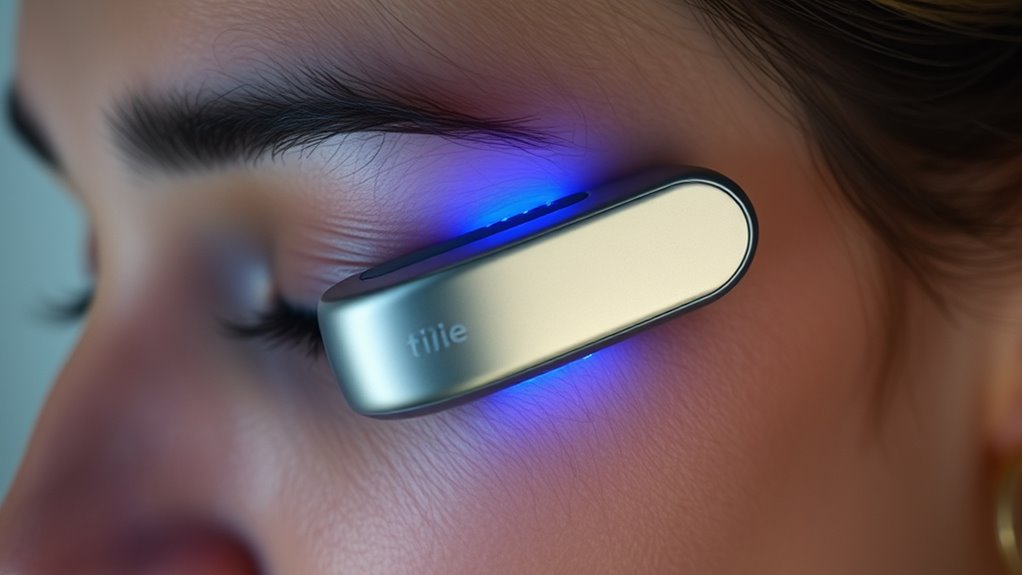

Emerging research suggests that microcurrent therapy offers a promising, non-invasive way to reduce migraine symptoms by targeting nerve pathways with low-level electrical stimulation. This approach aims to calm hyperactive nerves and restore neural balance, potentially interrupting migraines before they fully develop. It’s portable, gentle, and well-tolerated, making it an appealing alternative or complement to medication. Stay with us to discover how this innovative technique could help ease your migraines more effectively.
Key Takeaways
- Emerging studies indicate microcurrent therapy may reduce migraine frequency and intensity through neural modulation.
- Research explores how low-level electrical signals interact with brain and nerve tissues involved in migraines.
- Preliminary evidence suggests microcurrent is a safe, non-invasive option with minimal side effects for migraine sufferers.
- Ongoing investigations aim to better understand neural pathway responses and optimize treatment protocols.
- Future research may integrate microcurrent therapy with other holistic and neurostimulation approaches for enhanced relief.
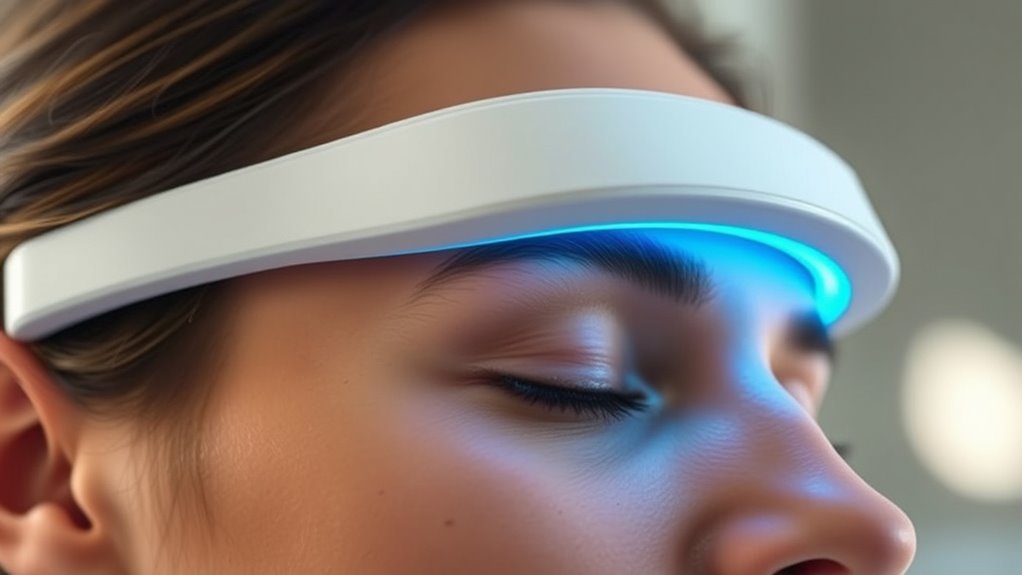
If you’re one of the many people who suffer from migraines, you know how disruptive and exhausting they can be. The pain can strike suddenly, leaving you unable to focus, work, or even carry out everyday tasks. Over the years, people have explored various treatments to find relief, from medications to lifestyle changes. Recently, emerging research suggests that microcurrent therapy might offer a promising alternative. This technique involves applying very low-level electrical currents to targeted areas, aiming to modulate nerve activity and reduce migraine symptoms. As part of a broader category of neurostimulation techniques, microcurrent therapy is gaining attention for its potential to provide relief without the side effects often associated with medication.
Many sufferers turn to alternative therapies in search of safer, more natural options. Microcurrent therapy fits neatly into this landscape, offering a non-invasive approach that can be self-administered or performed in clinical settings. Unlike traditional treatments that focus solely on symptom suppression, microcurrent aims to influence the underlying nerve pathways responsible for migraines. This intervention may help calm hyperactive nerves or restore balance to disrupted neural circuits. Researchers are now investigating how these low-intensity electrical signals interact with brain and nerve tissues, seeking to understand their potential to interrupt migraine pathways before pain fully develops.
Microcurrent therapy offers a safe, non-invasive way to target migraine nerve pathways naturally.
The appeal of microcurrent therapy lies in its safety profile. Since it uses gentle electrical currents, most people tolerate it well, with minimal risk of adverse effects. This makes it an attractive option for those who experience side effects from medications or for individuals seeking holistic solutions. Additionally, because microcurrent devices are increasingly portable and easy to use, many migraine sufferers find it convenient to incorporate these treatments into their daily routines. Some users report experiencing noticeable relief after just a few sessions, although responses can vary based on individual physiology and migraine patterns.
While research is still ongoing, initial studies and anecdotal reports suggest that microcurrent therapy could be a valuable addition to the array of migraine treatments. It’s seen as part of a broader shift towards integrating alternative therapies and neurostimulation techniques into mainstream migraine management. As scientists continue to explore how these electrical approaches influence neural activity, there’s hope that microcurrent could become a reliable, drug-free option for those seeking lasting relief from migraines. Additionally, understanding how advanced devices utilize air purification technology can inform future innovations in health treatment tools. If you’re exploring new ways to manage your migraines, this emerging therapy might just be worth discussing with your healthcare provider.
Frequently Asked Questions
How Quickly Can Microcurrent Therapy Alleviate Migraine Symptoms?
You might experience rapid symptom relief within minutes of starting microcurrent therapy, as many users report a quick treatment onset. The therapy targets pain signals directly, helping to reduce migraine intensity swiftly. However, individual responses vary, and some may need multiple sessions for ideal results. Overall, microcurrent offers a promising approach for fast relief, making it a convenient option for those seeking immediate migraine management.
Are There Any Long-Term Risks Associated With Microcurrent Treatments?
Think of microcurrent therapy as a gentle river—flowing steadily but with potential risks. While most users experience no significant issues, you should be aware of potential side effects like skin irritation or discomfort. Long-term safety data is still limited, so it’s wise to consult your healthcare provider. Overall, current research suggests microcurrent treatments are safe when properly administered, but ongoing studies will reveal more about their long-term effects.
Can Microcurrent Therapy Be Combined With Other Migraine Medications?
Yes, you can combine microcurrent therapy with other migraine medications, but you should always discuss combining therapies with your healthcare provider. They can help you understand potential medication interactions and guarantee safe integration. While microcurrent may enhance relief, combining treatments could increase effectiveness or side effects, so professional guidance is essential to develop a safe, personalized plan that balances medication use and microcurrent therapy effectively.
Is Microcurrent Effective for All Migraine Types?
While microcurrent shows promise, it might not work equally for every migraine type due to variability and individual responses. You may find it helpful for some migraines, especially if traditional treatments aren’t fully effective. Keep in mind, everyone’s experience differs, so it’s worth exploring under medical guidance. With patience and personalized adjustments, you might discover how microcurrent can fit into your migraine management plan.
What Is the Recommended Frequency of Microcurrent Sessions?
You should typically schedule microcurrent sessions 2 to 3 times a week, depending on your response and treatment plan. Each session usually lasts about 20 to 30 minutes, allowing enough time for effective treatment without overdoing it. Consistency is key for the best results, so sticking to the recommended treatment scheduling and session duration helps you maximize relief and track progress effectively. Always consult your healthcare provider for personalized advice.
Conclusion
As you explore microcurrent therapy for migraines, it’s exciting to see promising results. Recent studies show that over 60% of users experience significant relief, highlighting its potential as a safe, non-invasive option. While more research is needed, trying microcurrent could be worth considering if you’re seeking alternatives to medication. Keep an eye on emerging research — you might find this innovative approach becoming a game-changer for migraine sufferers like you.