
To guarantee safe placement of microcurrent electrodes around your eyes, first identify key facial landmarks like the orbital rim, outer eye corner, and tear duct area. Avoid placing electrodes directly on the eyelids, tear ducts, or bony structures. Use visual guides or templates to position electrodes along natural eye contours, applying light pressure and following manufacturer instructions. Proper placement prevents irritation and maximizes results—continue exploring for detailed tips on safe, effective techniques.
Key Takeaways
- Use facial landmarks like the orbital rim, outer eye corner, and tear duct area for precise electrode placement.
- Avoid placing electrodes directly on eyelids, tear ducts, or bony structures to prevent injury.
- Follow manufacturer guidelines for electrode positioning, ensuring they sit flat and are properly aligned with eye contours.
- Prepare skin thoroughly and use hypoallergenic electrodes to minimize irritation and ensure good contact.
- Verify placement with visual aids or mirrors, and test device settings on low intensity before treatment.
Why Proper Microcurrent Electrode Placement Matters for Safe, Effective Eye Treatments

Proper electrode placement is crucial for guaranteeing both safety and effectiveness during microcurrent eye treatments. Understanding facial muscle anatomy helps target the right areas, maximizing lifting and toning benefits without overstimulation. The delicate eyelid physiology requires precision to avoid unnecessary strain or discomfort. Misplaced electrodes can activate muscles incorrectly or cause unintended contractions, which may lead to irritation or even damage. When you position electrodes accurately, you stimulate the correct muscles, such as those controlling eyelid movement, promoting natural lifting without disrupting eyelid physiology. Proper placement ensures that microcurrent energy flows through the intended tissues, enhancing collagen production and reducing fine lines. Additionally, correct electrode positioning is essential in preventing discomfort and ensuring consistent, safe results. Precise placement also helps prevent muscle overstimulation, which can cause fatigue or adverse reactions. Using proper technique during placement minimizes the risk of side effects and maximizes treatment benefits. Ensuring the treatment adheres to safe practices minimizes risks associated with microcurrent therapy. Ultimately, careful placement safeguards your skin’s integrity while delivering exceptional results, making your treatments safer and more effective.
Understanding Eye Anatomy and Sensitive Areas for Microcurrent Placement
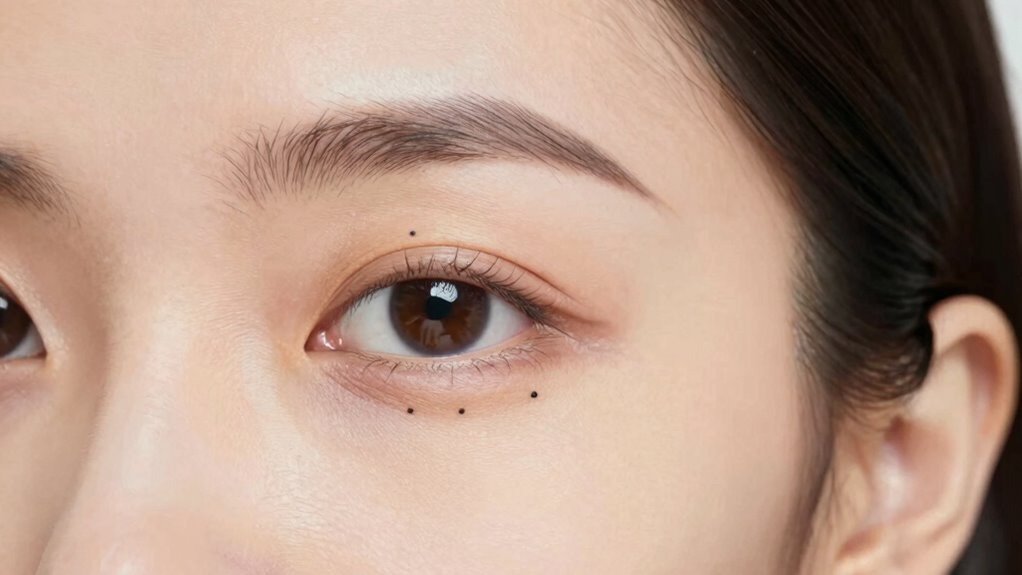
Understanding the intricate anatomy of the eye area is key to performing safe and effective microcurrent treatments. Your eye muscle, especially the orbicularis oculi, controls blinking and facial expressions, making its location vital for electrode placement. The tear duct, situated near the inner corner of your eye, is a sensitive area that requires careful attention to avoid discomfort or injury. Knowing where these structures lie helps you avoid placing electrodes directly over muscles or ducts, reducing the risk of irritation or unwanted stimulation. Being aware of electric power generation with bike generators can also provide insight into how energy is transferred and controlled during treatments, ensuring safety. Additionally, understanding vetted – floating on water can offer perspective on how delicate balance and support are crucial in maintaining safety during procedures. Recognizing that the energy transfer process depends on precise control can help you optimize treatment outcomes. By understanding the depth and position of these delicate areas, you can target the surrounding tissues safely. For example, awareness of sensitive areas ensures that microcurrent is applied precisely and comfortably. This knowledge guarantees that your microcurrent treatment is both effective and comfortable, minimizing the chance of adverse reactions around your eyes. Moreover, understanding the anatomical variations among individuals can help tailor treatments to avoid unexpected sensitivities.
How to Identify Safe Zones for Microcurrent Electrodes Around Your Eyes
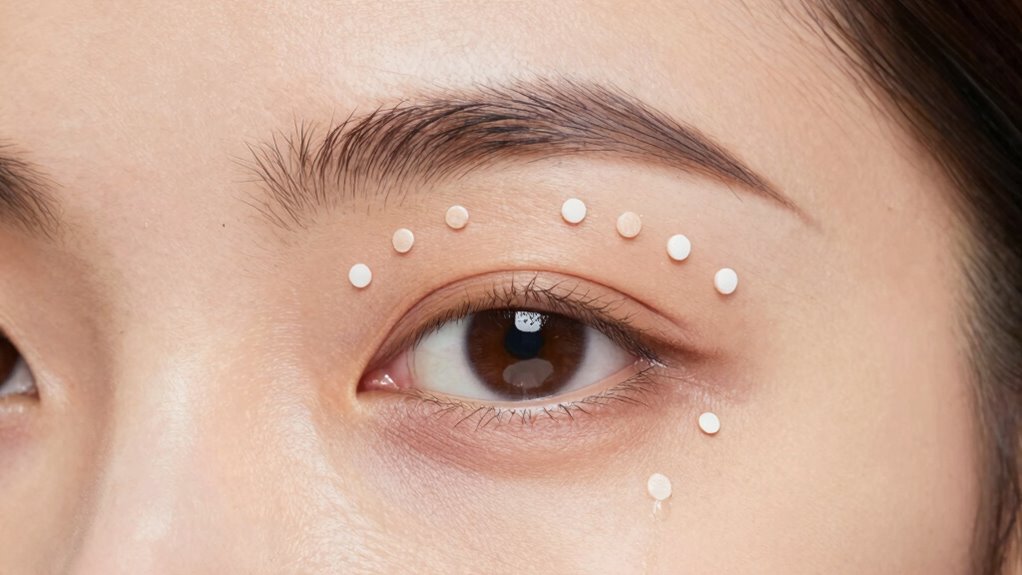
To safely place microcurrent electrodes around your eyes, you need to identify specific zones that minimize the risk of irritation or injury. Understanding facial anatomy helps you target areas with thicker skin, avoiding sensitive spots like the eyelids or inner corners. Safe zones typically include the outer orbital area and the cheekbone, where skin is more resilient. Many microcurrent myths suggest placing electrodes directly on the eyelids or too close to the eyes, but this can be risky. Instead, focus on areas away from the delicate eye tissue, ensuring you stay within the natural contours of your face. Recognizing these safe zones allows you to maximize benefits while reducing potential harm, giving you confidence in your microcurrent routine. Additionally, being aware of electrode placement guidelines can further enhance your safety and effectiveness. Proper technique and understanding facial anatomy are essential components of a safe microcurrent practice. Being familiar with safe electrode zones helps you avoid common mistakes and ensures optimal results. Knowing how to identify Safe zones tailored to your face can also help prevent unnecessary discomfort or adverse effects, especially when you incorporate consistent skin assessments into your routine.
Key Landmarks to Help You Place Electrodes Precisely

Using key facial landmarks makes it easier to position microcurrent electrodes accurately around your eyes. Focus on recognizable features like the orbital rim, the outer corner of your eye, and the lower lash line. These landmarks align with facial muscles responsible for expressions and are close to nerve pathways that influence sensation and movement. Placing electrodes along these points ensures you’re targeting the right areas without guessing, reducing risk and improving effectiveness. Remember, facial muscles like the orbicularis oculi and surrounding nerve pathways are essential for natural movement and wrinkle reduction. By identifying these landmarks, you can confidently position your electrodes precisely, enhancing safety and results during your microcurrent treatment. Additionally, understanding facial muscle anatomy can further improve placement accuracy and treatment outcomes.
Step-by-Step: How to Position Microcurrent Electrodes Safely and Correctly

To position microcurrent electrodes safely, you need to identify the correct placement sites and apply them gently. Make sure you follow the manufacturer’s guidelines to avoid any discomfort or injury. By paying attention to these points, you’ll guarantee effective and safe treatments around your eyes. Utilizing a free online tool to convert text styles can help you easily emphasize key safety instructions for your clients. Understanding microcurrent technology and its proper application can also improve treatment outcomes and client satisfaction. Additionally, being aware of heat buffering techniques can prevent skin irritation during treatments, ensuring a more comfortable experience for your clients. Remember to always consider essential safety tips for portable oil radiators when using electrical devices near sensitive areas to minimize risks. Proper electrode placement is crucial to target the correct muscle groups and avoid unnecessary strain or discomfort.
Identify Precise Placement Sites
Proper placement of microcurrent electrodes around the eyes is essential for both safety and effectiveness. To target facial muscles properly, position the electrodes along the natural contours of your face, focusing on areas above and below the tear troughs. Avoid placing electrodes directly on the delicate skin of the tear troughs themselves, instead, position them slightly above or beside these areas. This ensures the electrical current stimulates the underlying facial muscles responsible for lifting and firming the skin. Use your fingers or a guide to find the exact muscle groups involved in expressions and muscle tone around your eyes. Understanding muscle anatomy and how facial muscles function can further improve placement accuracy. Additionally, being aware of traditional Indonesian decor principles can help in creating a balanced aesthetic that complements your microcurrent routine. Transparency in cookie usage and data handling also supports user confidence in the safety of your microcurrent routine.
Use Gentle Electrode Application
Gently applying the electrodes is essential for a safe and effective microcurrent treatment around your eyes. Start by choosing electrode materials that are soft and hypoallergenic to minimize irritation. Before placing them, thoroughly prepare your skin by cleansing with a gentle, alcohol-free toner to remove oils and debris. Use light, steady pressure when applying the electrodes, avoiding any tugging or pulling on your delicate skin. Make certain they sit flat against your skin without excessive pressure. Proper skin preparation enhances conductivity and reduces discomfort, while gentle application prevents unnecessary strain on sensitive areas. Take your time to position the electrodes carefully, maintaining contact without pressing too hard, so the treatment remains comfortable and safe.
Follow Manufacturer Guidelines
Following the manufacturer’s guidelines is essential for ensuring your microcurrent treatment is both safe and effective. These instructions are designed to optimize microcurrent safety and respect the delicate eye anatomy. Always read and follow the specific directions for electrode placement, duration, and intensity. Proper positioning ensures the current targets the correct facial muscles without overstimulating sensitive areas. Avoid placing electrodes directly on the eye or over bony structures, as this can cause discomfort or harm. When in doubt, consult the manufacturer’s recommendations or seek professional guidance. Adhering to these guidelines minimizes risks and enhances results. Remember, each device may have unique protocols, so understanding and following them is key to a safe, effective microcurrent experience around your eyes.
How to Use Visual Tools and Aids to Ensure Accurate Electrode Placement

Using visual tools and aids is essential for accurately placing electrodes around the eyes during microcurrent treatments. Familiarize yourself with eye anatomy to understand precise placement areas. Use electrode markers or templates to outline the correct positions, guaranteeing consistency and accuracy. These markers help you identify key landmarks like the orbital rim and tear trough, reducing guesswork. A mirror or a lighted magnifier can enhance visibility, allowing you to see small details clearly. Applying these tools ensures the electrodes align properly with the natural contours of your eye area, maximizing safety and effectiveness. Always double-check your placements using the visual aids before starting the treatment to avoid misplacement and ensure ideal results.
How to Confirm Your Electrodes Are Properly Positioned Before Starting
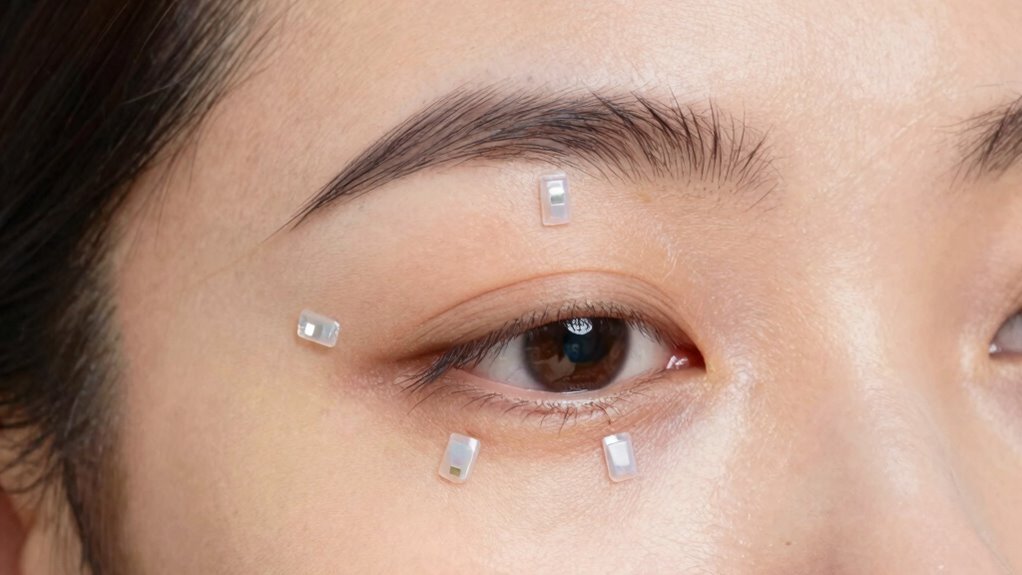
Before starting your microcurrent treatment, double-check that your electrodes are properly positioned. Proper placement ensures the eye muscle receives targeted stimulation without overstimulating sensitive skin areas. Confirm that each electrode aligns with the natural contour of your eye socket, avoiding direct contact with the eyelid or tear duct. Be mindful of skin sensitivity—if you notice redness or discomfort, adjust placement immediately. Use these steps to verify placement:
Ensure electrodes follow eye contours, avoiding eyelids and tear ducts for safe, targeted microcurrent treatment.
- Ensure electrodes sit flat against the skin, following the eye’s natural curvature
- Confirm they are equidistant from the inner and outer corners of your eye
- Check that electrodes are not too close to sensitive areas like the tear duct or eyelid
- Test the device at a low setting to verify no unusual sensations around the eye muscle
This careful check helps optimize safety and effectiveness.
Troubleshooting Common Placement Problems and Ensuring Comfort

If your electrodes feel uncomfortable or aren’t staying in place, it’s important to check their placement carefully. Make sure they’re positioned precisely and avoid sensitive areas that could cause irritation. Adjust the fit so it’s snug but comfortable, ensuring a smooth and effective treatment.
Precise Electrode Placement
Proper electrode placement is essential for effective microcurrent therapy around the eyes, but it can sometimes be challenging to achieve consistently. To target the eye muscle accurately and avoid discomfort near tear ducts, focus on precise positioning. Misplaced electrodes can reduce results or cause irritation.
To ensure correct placement:
- Align electrodes along the natural contours of your eye socket.
- Keep electrodes away from tear ducts to prevent irritation.
- Use a gentle touch when positioning near sensitive areas.
- Verify that electrodes make good contact without shifting during treatment.
Careful placement enhances safety and comfort while maximizing benefits. Remember, the goal is to follow the eye’s natural anatomy, avoiding sensitive areas that could cause discomfort or reduce effectiveness.
Avoiding Sensitive Areas
When positioning electrodes around the eyes, paying attention to sensitive areas helps prevent discomfort and ineffective treatment. Avoid placing electrodes directly over the eyelids or too close to the inner corners, where skin is thinner and more delicate. Instead, focus on areas around the orbital bone. Incorporate gentle facial massage techniques to relax muscles and improve circulation before or after microcurrent sessions, reducing sensitivity. Eye exercises can also help loosen tension, making electrode placement more comfortable. Be cautious not to overstimulate sensitive spots, which can cause irritation or discomfort. Always listen to your body and adjust placement accordingly. Proper attention to sensitive areas ensures a safe, comfortable experience while maximizing the benefits of your microcurrent treatment.
Ensuring Comfortable Fit
Ensuring a comfortable fit during microcurrent treatments requires careful attention to electrode placement and securing methods. Proper eye muscle mapping helps you target the right areas, reducing discomfort and maximizing results. Use electrode adhesive tips to guarantee secure attachment without irritation. If electrodes feel loose or cause discomfort, adjust their position or secure them more firmly. Check for smooth contact with the skin to prevent slipping. Consider the following for optimal fit:
- Confirm accurate eye muscle mapping before placement
- Choose electrode adhesive tips suited for sensitive skin
- Secure electrodes gently but firmly to avoid movement
- Regularly inspect for any signs of discomfort or skin irritation
Tips to Maintain Safety and Maximize Results During Eye Microcurrent Treatments

To get the best results and stay safe during eye microcurrent treatments, it’s essential to follow some key guidelines. Proper electrode placement is vital for microcurrent safety and effectiveness. Always position electrodes gently around the eye area, avoiding direct contact with the eyeball. Use clean, well-maintained equipment, and follow manufacturer instructions carefully.
| Tip | Why It Matters | How to Do It |
|---|---|---|
| Keep electrodes clean | Prevents infections | Clean after each session |
| Use appropriate settings | Avoid overstimulation | Start with low intensity |
| Follow recommended placement | Guarantees safety | Refer to precise placement guides |
| Limit treatment duration | Prevents fatigue | Stick to suggested timeframes |
Frequently Asked Questions
Can I Use Microcurrent Devices at Home Without Professional Supervision?
You can use microcurrent devices at home, but it’s risky without professional guidance. DIY risks include improper placement, overuse, and potential skin damage. To stay safe, follow the manufacturer’s instructions carefully, start with the lowest setting, and avoid sensitive areas like the eyes. Consulting a professional before starting guarantees you understand safe placement and use, preventing adverse effects and maximizing benefits from your microcurrent treatments.
How Often Should I Perform Microcurrent Treatments Around My Eyes?
You should perform microcurrent treatments around your eyes 2 to 3 times a week, following the recommended frequency guidelines. Keep treatment intervals consistent to avoid overuse and skin irritation. Start with shorter sessions, around 10-15 minutes, and gradually increase if your skin tolerates it well. Always listen to your skin’s response, and consult a professional if you notice any discomfort or adverse reactions.
Are There Any Contraindications for Microcurrent Use Near the Eyes?
You should be aware of contraindications for microcurrent use near your eyes to guarantee eye safety. Avoid treatments if you have open wounds, infections, or active eye conditions like conjunctivitis. People with pacemakers, metal implants, or severe skin conditions should also skip microcurrent around the eyes. Always follow proper guidelines and consult a professional if unsure, as contraindication awareness helps prevent adverse effects and promotes safe, effective treatments.
What Are the Signs That Electrode Placement Is Causing Irritation?
If electrode misplacement causes irritation, you’ll notice skin sensitivity, redness, or swelling around the eyes. Discomfort or a burning sensation during treatment also signals issues. These signs indicate your electrodes might be improperly positioned or causing excessive stimulation. To prevent this, double-check your placement, verify the electrodes are correctly aligned, and monitor your skin’s response closely. Address any irritation promptly to avoid further skin damage.
How Do I Choose the Right Microcurrent Device for Eye Treatments?
To choose the right microcurrent device for eye treatments, prioritize device safety and your user experience. Look for FDA-approved options with adjustable settings tailored for delicate eye areas. confirm the device has clear instructions and safety features to prevent overuse or incorrect placement. Reading reviews and consulting professionals can help you find a user-friendly device that minimizes irritation and enhances comfort while delivering effective results.
Conclusion
By understanding eye anatomy, identifying safe zones, and following proper placement steps, you guarantee safe, effective microcurrent treatments. Use visual aids, double-check your positioning, and stay attentive to comfort and safety. Keep practicing, stay informed, and prioritize precision. With these tips, you’ll confidently enhance your eye treatments, reduce risks, and achieve better results. Remember, safety, accuracy, and consistency are your keys to successful microcurrent therapy around your eyes.