Microcurrent and radiofrequency are both non-invasive skin treatments, but they work differently. Microcurrent uses low electrical currents to stimulate muscle contractions, lifting and toning the skin quickly. Radiofrequency heats deep layers to stimulate collagen production, leading to long-term tightening. Microcurrent tends to show faster results, while RF offers longer-lasting benefits. To truly optimize your skincare, understanding these differences is key—keep exploring what’s best for your goals.
Key Takeaways
- Microcurrent stimulates facial muscles with low-level electrical currents, enhancing muscle tone and promoting collagen, while RF heats deep tissues to stimulate collagen growth.
- Microcurrent provides immediate muscle toning and quicker visible results; RF offers longer-term skin tightening through collagen remodeling.
- Microcurrent devices are portable and suitable for at-home use; RF devices are typically larger, used professionally for deep tissue heating.
- Microcurrent mimics body signals to induce muscle contractions; RF uses heat energy to cause collagen fiber contraction and new collagen formation.
- Both treatments improve skin firmness and elasticity but differ in mechanism, speed of results, and device design.
What Are Microcurrent and Radiofrequency Treatments?

Microcurrent and radiofrequency treatments are non-invasive procedures designed to improve skin appearance and promote anti-aging effects. In the beauty industry, these methods showcase how technology evolution continuously enhances skincare options. Microcurrent therapy uses low-level electrical currents to stimulate facial muscles, promoting a lifting and firming effect. Meanwhile, radiofrequency treatments heat the skin’s deeper layers, encouraging collagen production and tightening loose skin. Both techniques offer a painless alternative to invasive surgeries, making them popular choices for those seeking subtle, natural improvements. As the beauty industry advances, these treatments become more sophisticated, delivering better results with minimal downtime. Understanding what they do helps you make informed decisions about incorporating them into your skincare routine. Additionally, staying informed about the latest trends in skincare technology can help you choose the most effective treatments available. Moreover, advancements in technology continue to improve the safety and efficacy of these procedures, making them more accessible to a broader audience. Recognizing the capacity of these devices is essential to ensure you select the appropriate treatment for your needs. Staying aware of new innovations in device design can also enhance treatment outcomes and safety. Recognizing the benefits of non-invasive options can help you weigh the advantages of these modern treatments over traditional surgical procedures.
How Do Microcurrent Devices Lift and Tone Skin?

Microcurrent devices lift and tone your skin by stimulating muscle contractions, giving your face a firmer appearance. They also boost collagen production, which helps improve your skin’s elasticity over time. As a result, your skin looks tighter, more youthful, and revitalized. Additionally, regular use can enhance your overall home skincare routine for better long-term results. Incorporating microcurrent treatments can also be beneficial for addressing comedogenic ratings and ensuring your products support healthy skin. Recognizing the importance of mythology-inspired names can inspire a sense of strength and wisdom in your skincare journey. Understanding LED skincare masks can further complement these treatments by providing gentle, non-invasive skin benefits.
Stimulates Muscle Contraction
Because microcurrent devices deliver low-level electrical pulses, they trigger your facial muscles to contract just like a workout does for your body. This muscle stimulation enhances facial toning by activating underlying muscles, which helps lift sagging skin and define contours. As your muscles contract repeatedly during treatment, they become stronger and more responsive over time. This process tightens the skin from within, creating a more lifted appearance without invasive procedures. You may notice immediate firmness after a session, and continued use improves muscle tone long-term. By stimulating facial muscles directly, microcurrent devices provide a non-invasive way to achieve a more sculpted, youthful look, harnessing the power of muscle contraction to lift and tighten your skin effectively. Electrical muscle stimulation is the key principle behind this skin-tightening effect. Additionally, understanding how glycolic acid can promote skin renewal and improve elasticity can complement microcurrent treatments for enhanced results, especially when combined with natural skin therapies. Incorporating regulatory compliance awareness can help ensure safe and effective use of these devices.
Enhances Collagen Production
When microcurrent devices are applied to your skin, they stimulate the production of collagen, the protein responsible for skin elasticity and firmness. This boost supports facial rejuvenation and enhances skin tightening, giving you a more lifted appearance. The process encourages your skin to regenerate collagen naturally, leading to firmer, smoother results over time. To better understand this, consider the table below:
| Effect | Target Area | Result |
|---|---|---|
| Collagen Boost | Facial contours | Improved firmness |
| Skin Rejuvenation | Overall face | Smoother, more youthful look |
| Skin Tightening | Jawline, cheeks | Reduced sagging |
This synergy helps you achieve a more youthful, tight complexion without invasive procedures. Vetted
Improves Skin Elasticity
By stimulating the muscles beneath your skin, microcurrent devices create a lifting effect that enhances your skin’s natural elasticity. This facial rejuvenation technique helps tighten loose skin and improve firmness, giving you a more youthful appearance. Regular treatments can lift sagging areas and restore volume, making your skin look revitalized. Microcurrents encourage muscle toning, which directly contributes to better skin tightening and a more sculpted look. To maximize results, consider treatments that target key areas like the jawline and cheeks. Remember, consistent use is key to maintaining improved elasticity. Additionally, the use of AI-driven solutions in skincare research is revolutionizing how treatments like microcurrents are developed and optimized. Incorporating advanced technology can further enhance the effectiveness of skin tightening procedures. Proper muscle stimulation techniques are essential for achieving long-lasting results and ensuring safety during treatments. Moreover, understanding the natural skin aging process can help tailor more effective and personalized skincare routines for better outcomes. Recognizing the role of cryptid mysteries in cultural folklore can also inspire innovative approaches to aesthetic treatments by exploring unique natural phenomena.
How Does Radiofrequency Tighten Skin?

Radiofrequency tightens your skin by stimulating collagen production, which helps restore firmness over time. The heat generated during treatment causes existing skin fibers to contract immediately, giving you a more lifted appearance. Together, these processes work to improve your skin’s elasticity and reduce sagging. Additionally, understanding early warning signs can help detect skin changes related to aging or other skin conditions. Maintaining good skincare practices can also enhance the effects of radiofrequency treatments and support overall skin health. Being aware of outdoor survival gear tips can help you stay prepared during outdoor activities that might expose your skin to harsh environmental conditions. Moreover, understanding the underlying skin anatomy can help you better appreciate how these treatments work at a cellular level.
Collagen Production Boost
Have you ever wondered how radiofrequency treatments tighten your skin? The key lies in stimulating collagen production, which is essential for facial rejuvenation. When you undergo RF therapy, the heat penetrates deep into your skin, encouraging your body to produce new collagen fibers. This process helps restore skin elasticity and firmness over time. To maximize results, incorporate RF sessions into your skincare routine, especially if you’re aiming for a more youthful appearance. Keep in mind, consistent treatments amplify collagen boosts, making your skin look smoother and tighter. Remember, RF doesn’t just tighten; it works at a cellular level to enhance your skin’s natural structure. This makes radiofrequency an effective addition to your overall approach to maintaining healthy, youthful skin.
Heat-Induced Skin Contraction
When RF treatments stimulate collagen production, the generated heat causes the skin’s fibers to contract immediately. This heat-induced skin contraction tightens the skin quickly, providing an instant lifting effect. The deep heating also stimulates muscle stimulation, which enhances overall skin firmness and supports long-term skin tightening. As the heat penetrates the dermis, it triggers the body’s natural healing response, encouraging new collagen growth that sustains the tightening over time. Unlike microcurrent, which mainly targets muscles indirectly, radiofrequency directly heats tissue to produce both immediate contraction and ongoing collagen remodeling. This dual effect results in a smoother, tighter appearance. By delivering controlled heat, RF treatments offer a reliable way to improve skin laxity and restore youthful contours.
What Are the Main Tech Differences Between Microcurrent and Radiofrequency?
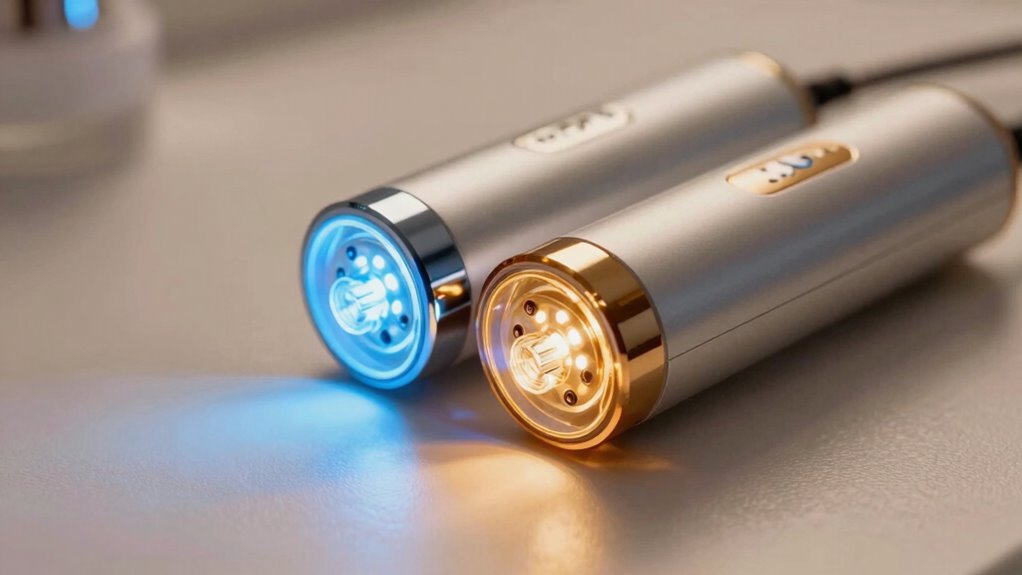
The main tech differences between microcurrent and radiofrequency lie in how they deliver energy to the skin. Microcurrent devices are typically portable, allowing you to easily do treatments at home or on the go. They use low-voltage electrical currents that mimic your body’s natural signals, focusing on muscle stimulation and skin toning. Radiofrequency devices, on the other hand, tend to be larger and more powerful, often requiring professional use. They generate heat deep within the skin, promoting collagen production. Key distinctions include:
- Device portability: microcurrent devices are more compact and travel-friendly
- Treatment duration: microcurrent sessions are usually shorter
- Energy delivery: microcurrent delivers low-voltage currents; radiofrequency uses heat energy
Understanding these differences helps you choose the right technology for your needs.
Which Treatment Delivers Faster Results?

Microcurrent treatments often show noticeable improvements sooner than radiofrequency sessions, especially with consistent use. You’ll typically see visible results within a few sessions, making it a quicker option if you’re seeking rapid changes. The treatment duration for microcurrent is usually shorter, often around 30 minutes per session, which helps accelerate visible results. In contrast, radiofrequency treatments may take longer to reveal noticeable effects, often requiring multiple sessions over several weeks. If you’re aiming for faster results, microcurrent is generally the better choice. Its ability to stimulate muscles and improve circulation quickly leads to more immediate visible improvements. However, keep in mind that individual responses vary, and consistent treatments are key to achieving excellent, rapid results.
What Are the Long-Term Benefits and Maintenance Tips?
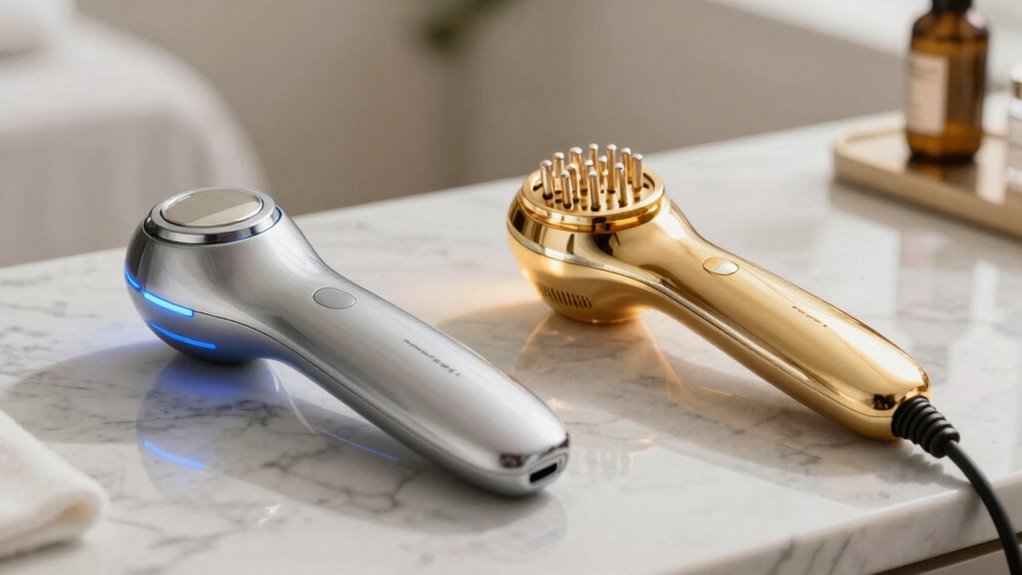
Long-term benefits of microcurrent and radiofrequency treatments include improved skin tone, increased collagen production, and sustained firmness. To maintain these results, you should focus on long term maintenance strategies that support treatment sustainability. Regular follow-up sessions, typically every few months, help preserve your skin’s improvements. Incorporating a consistent skincare routine with hydrating and collagen-boosting products further enhances results. Protecting your skin from sun damage is essential to prevent premature aging. Additionally, staying hydrated and avoiding smoking can prolong the benefits.
- Schedule periodic maintenance treatments as recommended
- Use quality skincare products targeted for aging skin
- Follow sun protection routines daily
Who Should Consider Microcurrent or Radiofrequency?
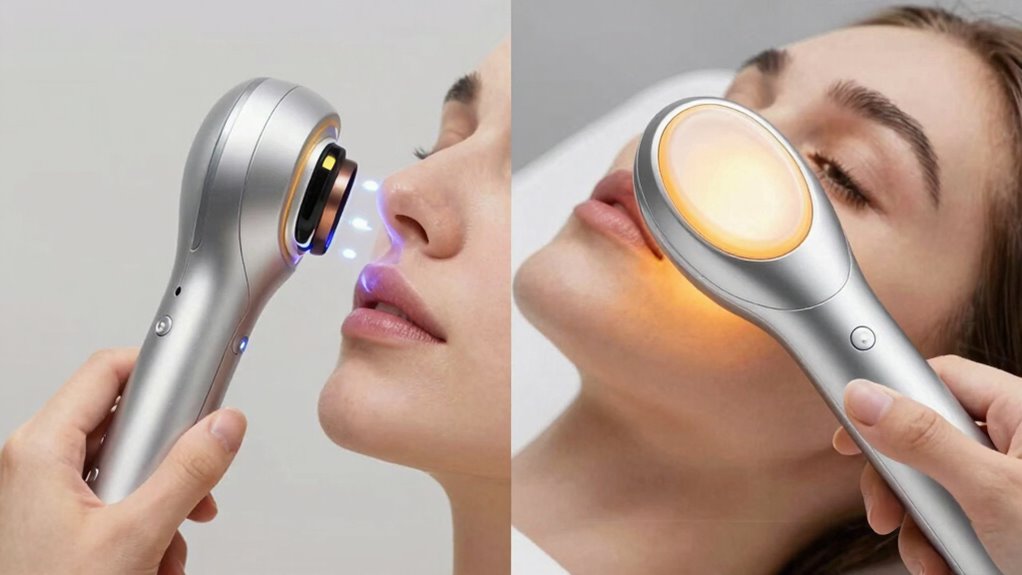
Anyone considering microcurrent or radiofrequency treatments should evaluate their skin’s specific needs and goals. Microcurrent is ideal if you want a natural lift, improved muscle tone, and gentle skin rejuvenation, especially if you’re in your 30s or 40s. It works well for those with sensitive skin or thinner skin types, as it’s less invasive. Radiofrequency suits individuals seeking deeper skin tightening and collagen production, often recommended for those in their 40s or older experiencing moderate to severe sagging. Age compatibility plays a role; younger skin may benefit more from microcurrent’s subtle effects, while older skin with more pronounced laxity might see better results with radiofrequency. Always consider your skin type and consult a professional to choose the best option for your goals.
What Are the Risks and Side Effects?

Are you aware of the potential risks and side effects associated with microcurrent and radiofrequency treatments? While generally safe when performed by professionals, there are important safety considerations to keep in mind. Possible side effects include:
- Mild redness or swelling
- Temporary tingling or discomfort
- Rare skin burns or hyperpigmentation
Treatment contraindications are vital; those with pacemakers, pregnancy, or active skin infections should avoid these procedures. Both treatments carry some risk if not administered correctly, especially if safety considerations aren’t followed. It’s essential to consult with a qualified practitioner who evaluates your health history to minimize risks. While serious side effects are uncommon, understanding these potential issues helps you make informed decisions and ensures safe, effective results.
How Do You Choose the Right Treatment for Your Goals?

Choosing between microcurrent and radiofrequency treatments depends on your specific skincare goals and skin condition. To make the right choice, consider treatment customization—some procedures target muscle toning, while others focus on collagen production. If you want a subtle lift, microcurrent might be ideal; for skin tightening and wrinkle reduction, radiofrequency could be more effective. Additionally, think about cost considerations, as treatments vary in price and session frequency. Microcurrent sessions tend to be less expensive and require multiple visits, whereas radiofrequency might cost more upfront but deliver longer-lasting results. Ultimately, consulting with a skincare professional helps tailor the treatment to your goals, ensuring you select the most suitable option for your desired outcomes and budget.
Frequently Asked Questions
Can Microcurrent and Radiofrequency Be Combined in a Single Treatment Session?
Yes, you can combine microcurrent and radiofrequency in a single treatment session, but it depends on device compatibility and your specific skin needs. You should consult with a professional to guarantee proper treatment scheduling, so the devices don’t interfere with each other’s effectiveness. When done correctly, combining these therapies can enhance skin tightening and rejuvenation, offering you better results than using either alone.
Are There Specific Skin Conditions Better Suited for One Treatment Over the Other?
If you’re wondering which treatment suits your skin, consider your specific needs. Microcurrent is ideal for improving skin elasticity and lifting sagging areas, making it great for toning. In contrast, radiofrequency boosts skin hydration and reduces fine lines by stimulating collagen. You might find microcurrent better for a firm, sculpted look, while radiofrequency works well if your focus is on moisture and smoothing. Choose based on your skin’s unique concerns.
How Do Microcurrent and Radiofrequency Treatments Differ in Pain Levels?
You’ll find that microcurrent treatments generally cause less pain perception and treatment discomfort because they use low-level electrical currents that feel gentle on your skin. Radiofrequency treatments, on the other hand, may produce a warming sensation, which some might find slightly uncomfortable. Overall, microcurrent offers a more comfortable experience, especially if you’re sensitive to sensation, while radiofrequency might feel warmer but still tolerable for most.
What Is the Typical Duration of Each Treatment Session?
A typical treatment session lasts about 30 to 60 minutes, depending on the area being treated and your specific needs. Microcurrent sessions usually lean toward the shorter end of that range, often around 30 minutes, while radiofrequency treatments might take closer to 60 minutes. The session length is designed to guarantee effective results without causing discomfort, allowing you to fit treatments conveniently into your schedule.
Are There Age Restrictions for Microcurrent or Radiofrequency Procedures?
Age restrictions for microcurrent and radiofrequency procedures vary, but generally, you should be at least 18 years old to guarantee safety. These treatments follow strict safety guidelines to minimize risks, especially for younger or older individuals. If you’re considering these procedures, consult with a qualified practitioner who can assess your age and skin condition, making sure it’s safe and appropriate for you. Always prioritize safety guidelines for maximum results.
Conclusion
Choosing between microcurrent and radiofrequency depends on your goals. Microcurrent offers quick, natural lifts, while radiofrequency provides deeper skin tightening. Did you know that over 70% of users see noticeable improvements within just a few sessions? By understanding their differences, you can pick the treatment that best fits your needs. Remember, consulting a professional guarantees safe, effective results tailored to your unique skin. Your ideal glow is just a decision away!