Nano-current devices are marketed as easy, non-invasive solutions for skin tightening and rejuvenation, promising quick results. However, scientific evidence supporting their effectiveness is limited, inconsistent, and often relies on placebo effects. Many studies lack rigorous design, making it hard to confirm real benefits or long-term safety. If you want to understand how these devices really work and whether they live up to the hype, there’s more to discover ahead.

Get wellness gear delivered free with Prime
- Fast, free delivery on millions of items
- Prime Video, Amazon Music and more included
- Member-only deals all year
Key Takeaways
- Scientific evidence for nano-current devices’ effectiveness is limited and often inconclusive, with many studies showing minimal or no significant benefits.
- Marketing claims often exaggerate benefits, promising quick, significant skin improvements without robust scientific backing.
- These devices deliver low-level electrical currents that may produce mild sensations but lack proven long-term therapeutic effects.
- Safety is generally considered acceptable short-term, but long-term effects and efficacy remain uncertain due to limited research.
- Consumers should approach claims critically, consult healthcare professionals, and recognize that current evidence does not support substantial or lasting results.
Products Worth Considering

Withings Body Scan Smart Scale with Segmental Body Composition and ECG, Black

Hyperice Hypervolt Go 3 Percussion Massage Gun with Carry Case

Therabody JetBoots PRO Plus Wireless LED 3-in-1 Boots (30‑34 Inseam)
As an affiliate, we earn on qualifying purchases.
What Are Nano‑Current Devices and How Do They Work?

Nano-current devices are small, electronic tools designed to deliver low-level electrical currents to the skin or muscles. The device mechanism involves gentle electrical pulses that stimulate cellular activity, aiming to improve skin tone and muscle firmness. As a user, you’ll notice that these devices are compact and easy to handle, often fitting comfortably in your hand. The user experience typically feels like a mild tingling or gentle tapping sensation, which is non-invasive and painless. These devices are meant to be used regularly, with some claiming that consistent use enhances skin rejuvenation over time. While the device mechanism is straightforward, your overall experience depends on device quality, ease of use, and how well you follow the recommended treatment routines. Additionally, the effectiveness of these devices can be influenced by factors such as skincare routines and overall skin health. Proper device maintenance and understanding of their capabilities can also impact results. Because the electrical currents used are very low, some skeptics question whether these devices can produce significant clinical benefits, emphasizing the importance of realistic expectations.
What Do Manufacturers Claim About Nano‑Current Devices?

Manufacturers confidently claim that nano-current devices can markedly enhance your skin’s appearance and muscle tone with consistent use. Their marketing claims suggest that these devices stimulate cellular activity, boost collagen production, and improve overall skin elasticity. Manufacturer promises often include quick results, smoother skin, and a more youthful look, all achievable from home. They emphasize ease of use and convenience, positioning these devices as a non-invasive alternative to professional treatments. However, these claims rely heavily on marketing tactics rather than solid scientific evidence. While some users report positive effects, the manufacturers’ promises tend to overstate what nano-current devices can realistically deliver. It is also crucial to consider the regulatory oversight of these devices, which is often limited, impacting the reliability of their claims. It’s important to scrutinize these claims and understand the limitations behind the marketing hype. Additionally, understanding the Free Floating nature of these devices can shed light on their actual efficacy and safety profiles. Moreover, the scientific validation supporting these claims remains limited, raising questions about their true effectiveness. Recognizing the placebo effect in consumer reports can also help differentiate between genuine results and perceived improvements driven by expectation. Moreover, awareness of the device design features can influence user safety and the longevity of results.
Does the Science Support Nano‑Current for Skin Rejuvenation?

You need to look at the scientific evidence to see if nano-current truly works for skin rejuvenation. Clinical trial results can reveal whether these devices deliver real benefits or if claims are overstated. Let’s examine the data to determine if the science backs up the promises. Consumer tech innovations continue to evolve, but it’s essential to rely on verified research rather than marketing hype. For example, support breakfast options like high-protein meals can significantly impact overall skin health and appearance. Additionally, understanding the juice extraction techniques used in health studies can help evaluate the validity of the claimed skin benefits from specific nutrients. Considering regional influences, such as the diverse cultural activities in different areas, can also shed light on how lifestyle factors contribute to skin health. Moreover, examining the hydrating ingredients in skincare products can provide further insights into their effectiveness in skin rejuvenation.
Scientific Evidence Evaluation
While many claims about nano-current devices promise skin rejuvenation, scientific evidence remains mixed. Studies often struggle to differentiate genuine effects from the placebo effect, which can influence perceived improvements. Without proper placebo control, results can be misleading. You should consider that:
- Some studies show minimal differences between nano-current treatment and placebo groups
- The placebo effect can create a sense of rejuvenation, skewing subjective reports
- Rigorous clinical trials with placebo controls are scarce and often limited in size
- Many positive results lack replication, questioning their reliability
Ultimately, the science doesn’t conclusively support nano-current devices for skin rejuvenation. Without robust, controlled evidence, it’s tough to separate real benefits from psychological factors. Proceed cautiously, knowing the current research remains inconclusive.
Clinical Trial Results
Despite the enthusiasm surrounding nano-current devices, clinical trial results provide limited support for their effectiveness in skin rejuvenation. Many studies lack rigorous design, making it hard to verify device efficacy reliably. Some small-scale trials report minor improvements, but these findings often lack statistical significance and aren’t backed by large, peer-reviewed research. Without solid evidence, regulatory approval for these devices remains scarce or absent, raising questions about their safety and claims. As a consumer, you should approach these claims cautiously, recognizing that limited clinical trial data doesn’t strongly support the idea that nano-current devices deliver meaningful skin rejuvenation. Vetted research and thorough testing are essential for establishing their true effectiveness. Until more extensive, well-designed studies are available, the true effectiveness of these devices remains uncertain. Considering the clinical trial limitations, skepticism is warranted when evaluating these claims. Additionally, the lack of regulatory approval further underscores the need for cautious skepticism regarding their safety and purported benefits. Furthermore, understanding the scientific evidence behind these devices can help consumers make more informed decisions.
Is There Clinical Proof That Nano‑Current Reduces Pain?

Although nano-current devices are marketed for pain relief, scientific evidence supporting their effectiveness remains limited. Most studies show minimal, if any, clinical proof that these devices considerably reduce pain. Instead, you often encounter strong placebo effects and positive user testimonials that can influence perceptions. These testimonials may make it seem like the devices work, but they don’t prove efficacy. Content formats are continuously evolving, but rigorous scientific validation remains essential to confirm claims.
- Clinical trials often lack rigorous design or control groups
- Results frequently rely on subjective pain reports
- Placebo effects can mask true effectiveness
- Scientific consensus remains inconclusive
While some users swear by nano-current devices, the lack of solid clinical proof means you should approach claims with skepticism. The perceived relief might be more about expectation than proven results.
Are Nano‑Current Devices Safe? Risks and Side Effects Explained

Nano-current devices are generally marketed as safe treatment options, but it’s important to understand the potential risks and side effects involved. While short-term side effects like skin irritation or redness are common, long-term safety remains less clear due to limited research. You should be cautious if you have sensitive skin or underlying health conditions, as improper use could cause discomfort or adverse reactions. Effective side effect management involves following manufacturer instructions and consulting professionals if you notice persistent issues. Although many users don’t experience serious problems, the lack of thorough long-term safety data means you should weigh the benefits against possible risks. Staying informed and attentive during treatments can help minimize potential side effects and ensure safer use of nano-current devices. Additionally, understanding travel health precautions can be beneficial if you plan to use such devices while traveling or in different environments. Being aware of device safety guidelines can further help prevent adverse effects and promote safe usage. Moreover, awareness of narcissistic tendencies in users or providers can influence the trustworthiness and transparency of the information provided about these devices. Recognizing risk factors is essential for making informed decisions about their use. It is also advisable to stay updated on emerging research to better understand the long-term safety of these technologies.
What Are the Limitations and Criticisms of Current Research?
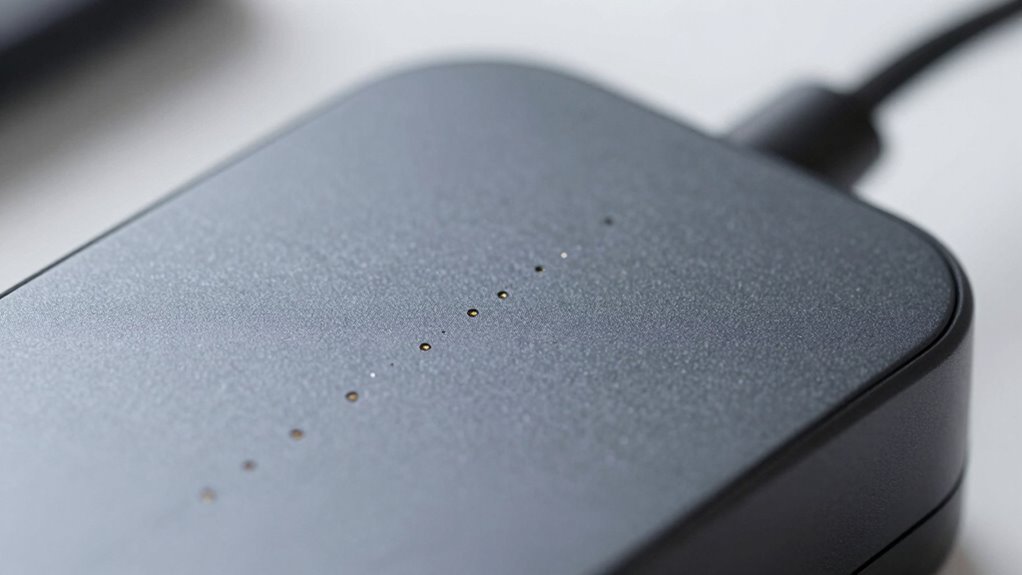
You should recognize that current research on nano-current devices faces significant limitations. The scientific evidence supporting their effectiveness is scarce and often inconclusive. Additionally, methodological challenges make it difficult to obtain reliable results, raising questions about the credibility of many studies.
Limited Scientific Evidence
Despite the growing popularity of nano-current devices, current research often falls short of providing solid scientific evidence. Many studies rely heavily on anecdotal evidence, which can be misleading. You should be skeptical of claims that lack rigorous testing and peer-reviewed results. The limitations include small sample sizes, inconsistent methodologies, and short-term assessments that don’t reveal long-term effects. Critics also point out that placebo effects may account for perceived improvements, making it hard to determine real efficacy. Without consistent, high-quality research, it’s difficult to distinguish fact from marketing hype. Remember, the absence of definitive scientific proof doesn’t necessarily mean the devices are ineffective, but it does highlight the need for more thorough investigation.
Methodological Challenges
Current research on nano-current devices faces significant methodological challenges that limit the reliability of findings. One major issue is the placebo effect, which can influence user reports of pain relief or improved well-being, making it difficult to determine true efficacy. Additionally, many studies lack rigorous controls or proper blinding, allowing biases to skew results. Variations in user experience, such as differing device placement or inconsistent usage, further complicate data interpretation. Small sample sizes and subjective outcome measures also reduce the strength of conclusions. These challenges hinder the ability to distinguish genuine therapeutic effects from psychological factors. Without addressing these methodological flaws, current research remains inconclusive, leaving consumers unsure whether nano-current devices deliver real benefits or simply rely on placebo and perception.
How Do Nano‑Current Devices Compare to Other Skin and Wellness Treatments?
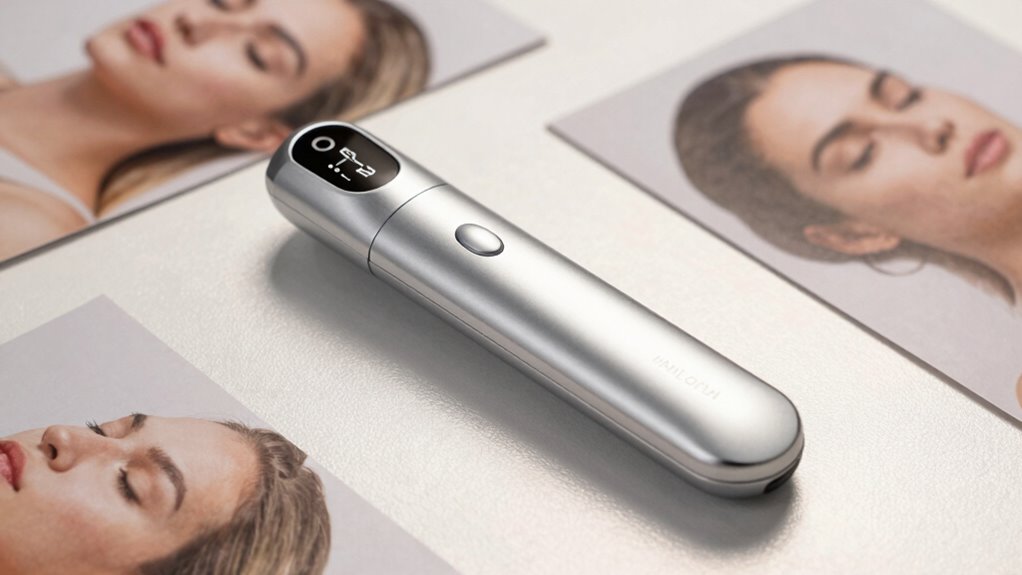
Nano-current devices are often marketed as a non-invasive way to improve skin appearance, but they face stiff competition from other treatments that deliver more immediate or noticeable results. While nano-current therapy aims to boost collagen and tone muscles subtly, other options may seem more effective quickly.
- Facial injectables provide instant smoothing and lifting.
- Chemical peels offer rapid skin renewal.
- Laser treatments target deep pigmentation and scars.
- Holistic wellness and alternative therapies focus on overall health, sometimes integrating relaxation and lifestyle changes for long-term benefits.
Compared to these, nano-current devices may lack dramatic effects but appeal to those seeking gentle, non-invasive options. They fit into a broader wellness approach, emphasizing gradual improvement rather than quick fixes.
How to Choose a Nano‑Current Device: What to Look For

Choosing the right nano-current device involves understanding what features and qualities will deliver the best results for your needs. Look for a device with good durability, ensuring it withstands regular use without malfunctioning. A solid build provides confidence and longevity. Also, consider the user experience—an intuitive interface, comfortable grip, and clear instructions make treatments easier and more effective. Here’s a quick comparison:
| Feature | What to Look For |
|---|---|
| Device Durability | High-quality materials, sturdy construction |
| User Experience | Easy-to-use controls, ergonomic design |
| Performance | Consistent, reliable nano-current output |
Prioritize these aspects to find a device that offers both longevity and an enjoyable user experience.
Common Myths About Nano‑Current Technology Debunked

Many people believe nano-current devices provide instant pain relief, but the truth is that scientific support for this claim is limited. While some users experience improvements, results vary and aren’t guaranteed to be immediate. It’s important to approach these claims with a critical eye and understand the actual capabilities of the technology.
Myth: Instant Pain Relief
While some marketing claims suggest that nano-current devices can provide instant pain relief, the reality is more nuanced. Many users report quick improvements, but these often stem from the placebo effect or anecdotal evidence rather than solid science. It’s tempting to believe in immediate results, but scientific studies don’t support instant relief through nano-current therapy. Instead, relief tends to develop gradually over multiple sessions. Be cautious about claims that promise instant pain elimination; such assertions overlook the complex nature of pain and healing.
- Instant relief may be due to the placebo effect
- Anecdotal evidence isn’t scientifically conclusive
- Results vary from person to person
- True healing takes time, not instant fixes
Reality: Limited Scientific Support
Despite some claims of instant pain relief, scientific support for nano-current devices remains limited. Many studies rely on placebo effects, meaning users experience perceived benefits simply because they believe in the treatment, not because of any real physiological change. Marketing exaggerations often overstate the device’s capabilities, suggesting quick fixes where evidence is weak. While some users report improvements, these results are often inconsistent and lack rigorous scientific backing. Researchers have not established clear, reproducible mechanisms demonstrating how nano-current devices produce lasting relief. As a result, it’s important to view these claims skeptically. Without solid scientific support, you should consider nano-current devices as potential complements rather than primary treatments, and avoid falling for exaggerated marketing promises that overstate their proven effectiveness.
Should You Try Nano‑Current Devices? Making an Informed Choice

Deciding whether to try nano-current devices depends on understanding their benefits and limitations. While some users report short-term improvements, it’s vital to evaluate cost considerations and the potential long term effects. These devices can be an affordable beauty option initially, but costs can add up over time if repeated treatments are necessary. Keep in mind that evidence supporting their long-term safety and efficacy remains limited. Before trying, ask yourself:
- Are the claimed benefits backed by credible research?
- Can I afford ongoing expenses?
- Do I understand possible long-term health impacts?
- Am I comfortable with the uncertain scientific support?
Making an informed choice means weighing immediate expectations against potential risks and costs. If you’re skeptical or concerned about long-term effects, consulting a healthcare professional is a wise step before proceeding.
Frequently Asked Questions
Are Nano-Current Devices Suitable for All Skin Types?
Nano-current devices are generally suitable for most skin types, but you should consider skin sensitivity and device compatibility before use. If you have sensitive skin, start with a lower setting and observe how your skin reacts. Always consult with a skincare professional to confirm the device is appropriate for your specific skin condition. This way, you minimize any risk of irritation and get the best results.
How Often Should I Use a Nano-Current Device for Best Results?
You should use a nano-current device 2 to 3 times a week, following the recommended frequency guidelines for ideal results. Always prioritize usage safety by starting with shorter sessions and observing how your skin responds. Gradually increase usage as needed, but avoid overdoing it to prevent irritation. Consistent, moderate use helps improve skin tone and firmness without risking damage, ensuring safe and effective benefits.
Can Nano-Current Treatments Replace Professional Skincare Procedures?
Nano‑current treatments can’t fully replace professional skincare procedures, but they do complement your routine. While DIY remedies and beauty supplements support skin health, nano‑current devices offer targeted benefits like improved elasticity and tone. Think of it as adding a professional touch at home; it enhances your results but doesn’t substitute expert treatments. For ideal skin health, combine both approaches, understanding each plays a unique role in your skincare journey.
What Are the Long-Term Effects of Regular Nano-Current Use?
Regular nano-current use may help slow skin aging over time, but long-term effects aren’t fully understood yet. You might notice improved skin firmness and reduced fine lines, yet inconsistent device safety standards raise concerns. Continuous use without proper guidance could lead to skin irritation or damage. To guarantee safety and ideal results, follow manufacturer instructions and consult skincare professionals regularly. Keep monitoring your skin’s response for any adverse effects.
How Do Nano-Current Devices Compare in Cost to Other Skincare Options?
Like weighing a feather against a brick, nano-current devices are generally more affordable than many high-end skincare treatments. In a cost comparison and affordability analysis, these devices often cost less upfront than professional procedures like Botox or laser therapy. While they may require ongoing use, they offer a budget-friendly way to maintain skin health at home, making them an accessible option for those seeking effective skincare without breaking the bank.
Conclusion
While marketing promises youthful glow and pain relief, the science behind nano-current devices remains limited. You might find quick fixes tempting, but without solid proof, it’s like chasing shadows. Just as a mirror reflects your image, evidence should reflect real results. Before investing, weigh the hype against the facts. Sometimes, what seems cutting-edge might just be another passing trend—so stay informed and choose wisely, knowing that not all that glitters is scientifically gold.