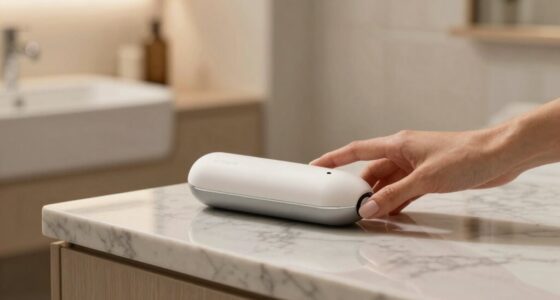
RF skin tightening feels quite different from microcurrent because it uses heat to stimulate collagen deep within your skin, creating a warm, sometimes intense sensation. In contrast, microcurrent delivers gentle electrical impulses that cause a subtle tingling or tightening feeling, often resembling a relaxing massage. These sensations reflect their underlying mechanisms—thermal versus electrical. Understanding these differences can help you set realistic expectations, and if you keep exploring, you’ll uncover even more about how these treatments work.

Get wellness gear delivered free with Prime
- Fast, free delivery on millions of items
- Prime Video, Amazon Music and more included
- Member-only deals all year
Key Takeaways
- RF uses heat to stimulate collagen, creating a warming, often intense sensation, unlike the gentle electrical impulses of microcurrent.
- RF’s thermal effect produces a deep, localized heat feeling, whereas microcurrent feels like a subtle tingling or tightening.
- RF treatments may cause temporary redness or warmth, while microcurrent is generally comfortable with minimal discomfort.
- The sensations reflect their mechanisms: RF’s heat promotes collagen remodeling; microcurrent’s electrical pulses stimulate muscle toning.
- The differing sensations help set realistic expectations: RF offers a deeper, more intense experience; microcurrent provides a relaxing, subtle lift.
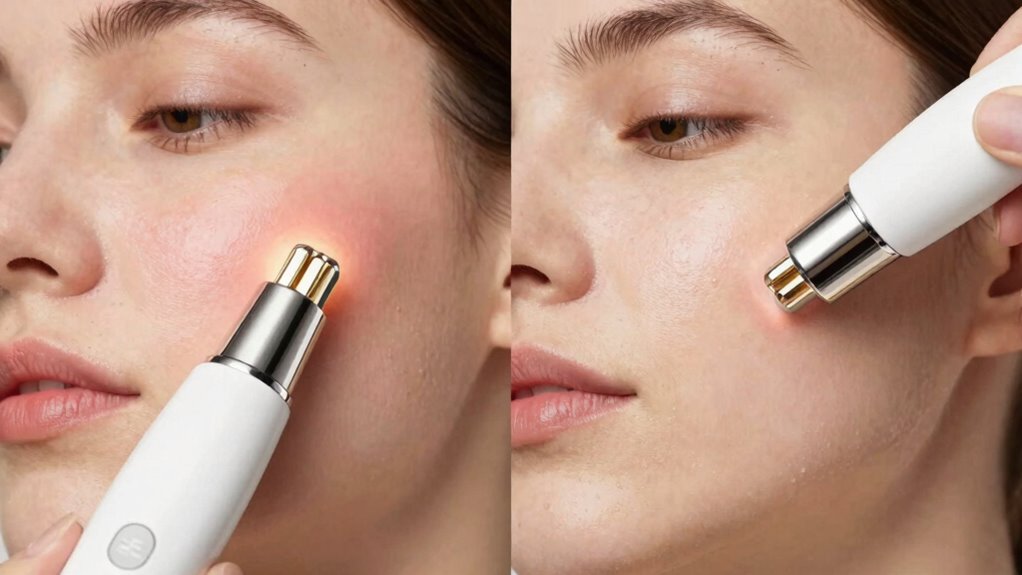
When it comes to non-invasive skin tightening treatments, RF (radiofrequency) and microcurrent therapy are two popular options that often get compared. Both aim to improve your skin’s firmness without surgery, but they feel very different during and after the procedure. You might wonder why RF skin tightening feels more intense or different from microcurrent therapy, especially if you’re considering Botox alternatives or dermal fillers for a more youthful look. Understanding these sensations can help you decide which treatment suits your comfort level and skincare goals.
RF treatments use heat to stimulate collagen production deep within your skin. As the radiofrequency energy penetrates, you’ll feel a warming sensation that gradually increases. Some describe this as a deep heat or a gentle, tolerable warmth. It’s often compared to a hot stone massage but more localized. This heat sensation can feel intense, especially if the device is set to higher levels. You might also experience slight tingling or a feeling of pressure as the device moves over your skin. Because of this heat component, RF feels more like a thermal treatment rather than a superficial one, which some people find more noticeable or uncomfortable than microcurrent therapy. Additionally, the heat-based mechanism can sometimes lead to a sensation of skin tightening that feels more immediate. The heat can cause temporary redness or warmth that subsides quickly, but it’s a sign that the treatment is actively stimulating collagen. The sensation of heat also indicates the effectiveness of the treatment, as many find it reassuring to feel the treatment working.
RF feels like localized deep heat, often intense, with slight tingling and pressure during treatment.
In contrast, microcurrent therapy delivers very mild electrical impulses that mimic your body’s natural electrical signals to stimulate facial muscles and skin tissues. During a microcurrent treatment, you’ll notice a subtle tingling or tightening sensation—almost like a gentle tug or a light electrical pulse. It’s usually very comfortable because it doesn’t generate heat. Instead, it works by toning and lifting your muscles, which can give your skin a more sculpted appearance over time. Many describe microcurrent as soothing or even relaxing, akin to a gentle massage, which makes it appealing if you prefer a treatment with minimal discomfort. Since microcurrent relies on electrical impulses, it can also help improve muscle tone and support skin elasticity, giving a natural, youthful look.
The different sensations reflect the underlying mechanisms. RF’s heat-based approach targets collagen remodeling, leading to a feeling of warmth and sometimes discomfort, especially if your skin is sensitive. Microcurrent, on the other hand, focuses on muscle stimulation and skin tone, providing a more subtle, almost imperceptible experience. If you’re considering Botox alternatives or dermal fillers, knowing how these treatments feel can help you set realistic expectations. RF might feel more intense, but it offers a deep tightening effect, while microcurrent provides a gentle lift with minimal sensation. Additionally, skin sensitivity varies from person to person, which can influence your comfort level during these procedures. Choosing the right treatment often depends on your pain tolerance and desired outcomes, which is why understanding these sensations is crucial. It’s also worth noting that some clinics incorporate combination therapies for enhanced results, which might influence how you experience each treatment.
Ultimately, your comfort during these procedures depends on your sensitivity and preferences. Both treatments can be effective, but their distinct sensations are a key factor in choosing the right one for your skincare journey.
Products Worth Considering

Oral-B iO Series 3 Rechargeable Electric Toothbrush for Adults, Black, with 2 Brush Heads and Travel Case

OMRON VIVA 360+ Body Composition Monitor and Smart Scale

Oura Ring 4 Smart Ring – Silver – Size 8
As an affiliate, we earn on qualifying purchases.
Frequently Asked Questions
How Long Do Results From RF Skin Tightening Last?
Results from RF skin tightening typically last 1 to 2 years, but longevity factors like skin elasticity, age, and lifestyle play a role. To extend your results, follow maintenance tips such as staying hydrated, using recommended skincare products, and scheduling periodic treatments. Consistent care helps maintain skin firmness and prevents premature sagging, ensuring you enjoy the benefits longer. Regular sessions and proper skincare are key to maximizing and prolonging your RF skin tightening outcomes.
Is RF Skin Tightening Suitable for All Skin Types?
RF skin tightening is suitable for most skin types, but your skin’s compatibility and treatment suitability depend on individual factors. You should consult with a skincare professional to assess your skin condition, especially if you have sensitivities, active skin infections, or medical implants. They’ll determine if RF treatment is safe and effective for you, ensuring you get the best results without adverse effects.
Can RF Skin Tightening Be Combined With Other Treatments?
You can absolutely combine RF skin tightening with other treatments, creating a holistic approach to your skincare. Imagine your skin as a canvas, enhanced by layers of care like alternative therapies and complementary procedures. By integrating RF with treatments like microcurrent or facial massages, you boost results and promote overall wellness. This synergy helps you achieve a more radiant, youthful look while embracing a personalized, multi-faceted skincare routine.
Are There Any Risks or Side Effects With RF Skin Tightening?
RF skin tightening is generally safe, but you should be aware of potential risks and side effects. Safety concerns include skin sensitivity, which can cause redness, swelling, or discomfort after treatment. It is crucial to follow your practitioner’s advice and disclose any skin conditions beforehand. While serious side effects are rare, ensuring your provider is experienced minimizes risks. Always communicate openly about your skin’s response to keep your treatment safe and effective.
How Often Should I Undergo RF Skin Tightening Sessions?
Think of RF skin tightening like tending a garden. You’ll typically need treatments every 4 to 6 weeks, allowing your skin enough time to respond and renew. The key is consistent sessions, tailored to your needs, to maximize results and guarantee your satisfaction. Treatment duration varies, but regular visits help maintain firmness and glow. Trust your practitioner’s advice for the best schedule, and you’ll see gradual, satisfying improvements.
Conclusion
So, now you know that RF skin tightening feels different from microcurrent because they target your skin in unique ways. RF offers a deep, warming sensation, while microcurrent feels like gentle pulses. Remarkably, studies show that over 80% of users notice visible improvements after just a few sessions. Knowing what to expect helps you choose the right treatment for your goals, making your journey to firmer, smoother skin feel even more personalized and rewarding.