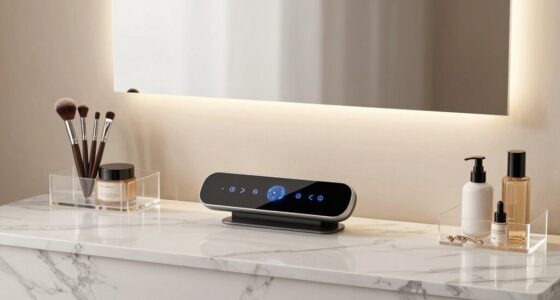
Many beauty data points, like fluctuating hydration levels or trending makeup styles, can be misleading or unnecessary for your routine. Just because a device or app shows changing numbers doesn’t mean your skin needs constant adjustment. Focus on what actually makes you feel confident and comfortable. Personal preferences matter more than trendy stats or social media hype. If you’re curious about how to cut through the noise and stick to what works, keep exploring.
Key Takeaways
- Personal skin hydration levels fluctuate naturally and don’t require constant monitoring or data-driven interventions.
- Trend-based beauty data often change rapidly and should be personalized rather than followed blindly.
- Most beauty stats are marketing tools aimed at selling products, not essential health indicators.
- Routines tailored to individual preferences and instincts are more effective than data-driven adjustments.
- Overanalyzing beauty data can lead to unnecessary worry; confidence in personal skin and style is more important.

In today’s digital age, beauty data is everywhere—from social media filters to skincare app analytics—but most of it isn’t worth stressing over. You might come across countless stats about skin hydration levels or the latest makeup trends, but not all of this information is relevant or helpful for your personal routine. It’s easy to get caught up in the noise, thinking you need to follow every new data point to look your best. The truth is, a lot of this data is more about marketing than about genuine, actionable insights.
When it comes to skin hydration, you’ll see countless articles and apps claiming they can tell you exactly how hydrated your skin is at any moment. While maintaining good hydration is important, obsessing over every fluctuation isn’t necessary. Your skin’s hydration levels can vary due to weather, sleep, diet, or even stress, but these changes don’t usually require drastic adjustments or constant monitoring. Instead, focus on simple habits like drinking enough water, using a good moisturizer, and paying attention to how your skin feels. The data might suggest you need specific products, but if your skin feels healthy and looks radiant, you’re probably doing just fine. Recognizing the limitations of data can help prevent unnecessary worry and overreaction.
Similarly, with makeup trends, the flood of new styles and techniques can be overwhelming. Every week, social media influencers promote different looks — from bold lips to natural glows — backed by data showing their popularity. However, you shouldn’t feel pressured to jump on every trend. Makeup is personal, and what looks good on someone else might not suit your face or style. Trends come and go, but your individual preferences and comfort matter more. Instead of obsessing over the latest data-driven trend reports, focus on what makes you feel confident. Experiment with different styles at your own pace, not based solely on what’s trending.
Most of the beauty data out there is designed to sell products or boost engagement. It’s tempting to think you need to adapt your routine constantly, but your skin and style are unique. Trust your instincts and listen to your body rather than constantly analyzing data points that may not have much real impact. Additionally, understanding the role of beauty data can help you better identify what information is truly useful versus what is just marketing noise. In the end, beauty isn’t about following every new piece of data—it’s about feeling good in your own skin and expressing yourself in ways that resonate with you. Keep it simple, stay true to what works for you, and ignore the noise that doesn’t serve your personal beauty journey.
best facial moisturizer for sensitive skin
As an affiliate, we earn on qualifying purchases.
As an affiliate, we earn on qualifying purchases.
Frequently Asked Questions
How Reliable Are Beauty Data Sources?
Beauty data sources can be somewhat unreliable because they often reflect algorithm bias and marketing influence. Algorithms may favor certain beauty standards, skewing results and making data less objective. Marketing strategies also shape which data gets emphasized, influencing perceptions of beauty. So, as you rely on these sources, keep in mind they might not always give an accurate or fair picture of beauty, and question the biases behind the data.
Can Beauty Data Predict Personal Results Accurately?
Beauty data can often predict personal results with some accuracy, especially when it’s used for personalized skincare. It helps identify what ingredients or treatments might work best for your skin type. However, keep in mind that individual responses vary, so results aren’t guaranteed. Relying on beauty trend forecasting and data insights can guide your choices, but listening to your skin and consulting professionals remains essential for true personalization.
Is Beauty Data Industry-Driven or Consumer-Driven?
Beauty data is primarily industry-driven, with companies shaping trends and expectations through marketing and technological innovations. While consumers may have some skepticism about data accuracy, industry influence often guides perceptions and choices. You might question how much data truly reflects your personal needs versus industry agendas. Ultimately, understanding this balance helps you make more informed decisions, recognizing that industry influence can sometimes overshadow genuine consumer-driven interests.
How Often Is Beauty Data Updated?
You’ll find beauty data updates vary, often happening monthly or quarterly, depending on the platform. Algorithms can introduce bias if data isn’t standardized properly, which impacts accuracy. Data standardization helps guarantee updates are consistent and reliable. Staying aware of these updates means you’re better equipped to spot bias or inaccuracies, ultimately making more informed beauty choices and understanding how algorithms influence beauty standards over time.
Are There Privacy Concerns With Beauty Data?
You might think privacy concerns are minor, but they’re huge—like a tidal wave. With beauty data, there are real privacy risks if companies don’t follow strict privacy policies or use data encryption. Always check how your data is protected and what policies are in place. If companies prioritize your privacy, they’ll implement encryption and clear policies, keeping your personal beauty info safe from misuse or breaches.
hydration monitoring skincare devices
As an affiliate, we earn on qualifying purchases.
As an affiliate, we earn on qualifying purchases.
Conclusion
You don’t need every beauty gadget, every trendy serum, or every piece of data to feel confident. You don’t have to chase every new trend, buy every new product, or analyze every beauty statistic. Instead, embrace what truly works for you, trust your instincts, and focus on what makes you feel authentic. Because beauty isn’t about data or trends; it’s about embracing yourself, loving yourself, and being your most genuine you.
As an affiliate, we earn on qualifying purchases.
personalized skincare routine tools
As an affiliate, we earn on qualifying purchases.
As an affiliate, we earn on qualifying purchases.