
Using heat tools can definitely make rosacea worse. When you apply heat, it causes blood vessels to expand rapidly, leading to redness and inflammation. Repeated use or high-temperature settings can weaken your skin over time and increase sensitivity. This thermal damage triggers flare-ups and makes your skin more reactive. If you want to keep your skin calmer, avoiding excessive heat or choosing gentler styling methods can help prevent further irritation. Keep going to discover more tips for managing rosacea and protecting your skin.

Get wellness gear delivered free with Prime
- Fast, free delivery on millions of items
- Prime Video, Amazon Music and more included
- Member-only deals all year
Key Takeaways
- Heat tools cause blood vessel dilation, increasing redness and visible blood vessels in rosacea-prone skin.
- Prolonged heat exposure damages skin, leading to inflammation and heightened sensitivity.
- Using high heat styling tools can trigger or worsen rosacea flare-ups.
- Repeated thermal damage weakens skin, making it more reactive and prone to irritation.
- Protective measures, like lower heat settings and air drying, help minimize heat-related rosacea aggravation.

Heat triggers can cause your blood vessels to dilate rapidly, leading to increased redness and visible blood vessels, a hallmark of rosacea. When your skin is exposed to excessive heat, it reacts by becoming inflamed, which can worsen flare-ups. Even if you don’t notice immediate discomfort, repeated thermal damage can weaken your skin over time, making it more reactive and prone to irritation. This cycle of damage and inflammation can be hard to break once it’s established, leading to persistent redness and sensitivity.
Heat causes blood vessel dilation, redness, inflammation, and long-term skin sensitivity in rosacea.
Using heat tools without proper precautions increases your risk of thermal damage. For example, if you frequently style your hair with high heat or hold a curling iron too close to your face, you might unknowingly trigger rosacea flare-ups. The heat doesn’t just affect your hair or scalp; it can transfer to the skin, especially if you’re holding the tools near your face or using hot styling appliances for extended periods. Over time, this exposure can sensitize your skin further, making it even more reactive to other triggers like sun exposure, spicy foods, or stress. Recognizing the thermal damage caused by heat tools can help you take steps to minimize their impact and protect your skin’s health.
To protect your skin, it’s wise to limit your use of heat tools and avoid high temperatures whenever possible. When you do style your hair, use the lowest heat setting that still achieves your desired look. Always apply a heat protectant, which can act as a barrier and reduce direct thermal damage. Additionally, choosing gentle styling techniques and allowing your hair to air dry when possible can further reduce heat exposure. Being aware of skin sensitivity and how it reacts to heat can help you make better choices in your styling routine. Consider giving your skin regular breaks from heat exposure, especially during flare-ups when your skin is already inflamed and sensitive. Staying mindful of how heat affects your skin can help prevent thermal damage and keep your rosacea under better control.
Products Worth Considering

LEVOIT Vital 200S-P Smart Air Purifier for Large Rooms up to 1875 ft², Quiet 27 dB Operation, AHAM Verifide, HEPA Sleep Mode, White

Levoit Core 400S-P Smart Air Purifier for Large Rooms
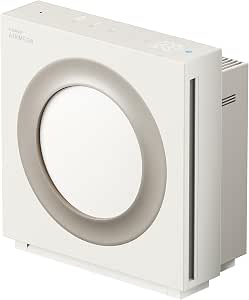
Coway Airmega Mighty2 Air Purifier, AP-1512N
As an affiliate, we earn on qualifying purchases.
Frequently Asked Questions
Can Heat Tools Trigger Rosacea Flare-Ups Immediately?
Heat tools can trigger rosacea flare-ups immediately because they cause heat induced inflammation, which can worsen your symptoms. The intense heat may also lead to skin barrier disruption, making your skin more sensitive and prone to irritation. If you notice redness or discomfort right after using heat tools, it’s best to limit their use or opt for cooler settings. Protecting your skin helps manage rosacea and prevents sudden flare-ups.
Are Certain Heat Tools Safer for Rosacea-Prone Skin?
Think of heat tools as a gentle campfire versus a roaring blaze. Certain heat tools are safer for rosacea-prone skin when they have adjustable temperature settings and ceramic or tourmaline features, which distribute heat evenly. Prioritize heat tool safety by choosing devices designed for sensitive skin. For rosacea skincare, always opt for the lowest effective heat, and use a barrier like a heat protectant or cool compress afterward to minimize irritation.
How Often Should Rosacea Sufferers Use Heat Tools?
You should use heat tools sparingly, ideally limiting their use to a few times a week. Incorporate gentle skincare routines afterward to soothe your skin, and choose makeup that doesn’t irritate your rosacea. Always listen to your skin’s signals, and if you notice redness or flare-ups, cut back on heat tool use. Prioritizing calming skincare routines helps prevent worsening symptoms and keeps your skin comfortable.
Do Cooling Products After Heat Application Help Rosacea?
Cooling products after heat application can definitely help rosacea by providing skin soothing relief. When you use cooling techniques, such as a cold compress or cooling gel, it can reduce redness and calm inflammation caused by heat tools. This coincidence of cooling and soothing actions works synergistically to ease discomfort and support your skin’s recovery, making your rosacea less prone to flare-ups and helping you feel more comfortable after styling.
Are There Specific Ingredients to Look for in Heat Tool Products?
When choosing heat tool products, look for gentle ingredients that won’t irritate your skin. Avoid harsh chemicals and fragrance ingredients, as they can worsen rosacea symptoms. Instead, opt for products with soothing ingredients like aloe vera, chamomile, or glycerin, which help protect your skin. These ingredients can minimize irritation and keep your skin calm, making styling safer for rosacea-prone skin.
Conclusion
Just as a blazing sun can intensify a desert’s harshness, heat tools can aggravate rosacea, turning calm skin into a fiery landscape. You hold the power to choose your path—embracing gentle care or risking flare-ups with heat. Remember, like a painter’s brush, your tools can create beauty or chaos; it’s up to you to wield them wisely. Protect your skin, and let your natural glow shine through, free from unnecessary heat’s touch.