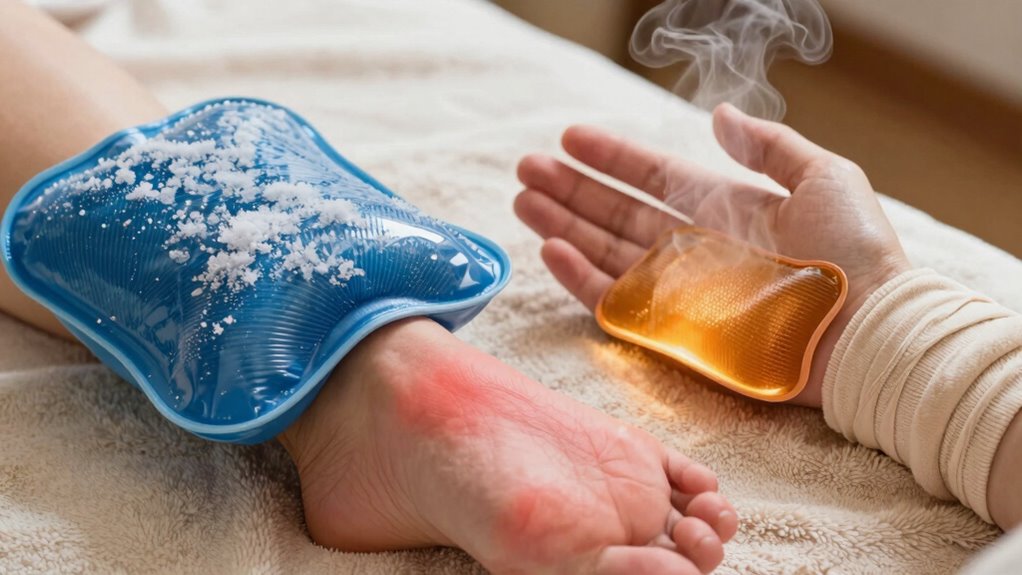

For swelling, apply cold therapy immediately after injury to reduce inflammation, pain, and limit swelling by constricting blood vessels in 15-20 minute intervals. Use heat therapy later on for ongoing stiffness or chronic swelling to promote circulation and relax muscles. Knowing when to switch between cold and heat helps your body’s healing process. If you want clear guidelines on selecting the right treatment and avoiding common mistakes, keep exploring these expert tips.

Get wellness gear delivered free — and shop member deals
- Fast, free delivery on millions of items
- Access to Prime Big Deal Days deals on October 6–7
- Prime Video, Amazon Music and more included
Key Takeaways
- Use cold therapy immediately after injury (first 48 hours) to reduce swelling, inflammation, and pain effectively.
- Switch to heat therapy for chronic swelling, muscle tension, or stiffness to promote circulation and aid healing.
- Apply ice or cold packs for 15-20 minutes with a cloth barrier; avoid direct skin contact to prevent frostbite.
- Use heat therapy in later stages to relax muscles, increase blood flow, and reduce long-term swelling or stiffness.
- Always follow safety guidelines, avoid applying heat or cold directly to skin, and consult a professional for persistent or severe swelling.
As an affiliate, we earn on qualifying purchases.
How Do I Know If I Should Use Heat or Cold for Swelling?

Deciding whether to use heat or cold for swelling depends on the type and timing of the injury. If the swelling is recent and caused by a sudden injury, ice therapy is usually best. Cold application helps reduce inflammation, numb pain, and slow blood flow to the area, preventing further swelling. On the other hand, if the swelling persists or is due to chronic muscle tension, heat application might be more effective. Heat helps relax muscles, increase blood flow, and promote healing. Always remember, for acute injuries, cold therapy is typically recommended first, especially within the first 48 hours. Proper use of evidence-based therapies like ice can make a significant difference in managing swelling, while heat is better suited for ongoing discomfort and stiffness. Additionally, understanding the timing of intervention is crucial to choosing the appropriate treatment. Recognizing the injury stage can help determine whether heat or cold will provide the best relief, and understanding the body’s natural healing response can guide optimal treatment timing. Recognizing how different astrological signs may influence recovery patterns can also be a helpful consideration in some cases.
As an affiliate, we earn on qualifying purchases.
Recognizing Signs That Cold Therapy Will Help Your Swelling

If you notice swelling that came on suddenly, cold therapy might be your best option. Look for signs like redness or inflammation, which indicate ongoing irritation. If the swelling follows an injury or trauma, applying cold can help reduce pain and swelling quickly. Additionally, ensuring the area is properly protected with appropriate household safety products can prevent further injury. Using energy-efficient appliances for heating or cooling can also help manage comfort while minimizing energy use. Employing hydrotherapy techniques such as cold water immersion or cold packs can further enhance the effectiveness of cold therapy. Understanding contrast therapy applications can also provide additional benefits for managing swelling effectively, especially when combined with proper biosensor monitoring to track inflammation levels.
Sudden Onset of Swelling
When swelling appears suddenly and peaks quickly, cold therapy can be highly effective. If you notice rapid swelling after an injury or trauma, ice therapy helps reduce blood flow and limit inflammation. Applying ice or a cold pack constricts blood vessels, slowing the swelling’s progression. Avoid heat application in this stage, as it can increase blood flow and worsen swelling. Cold therapy is especially useful within the first 48 hours, providing quick relief and preventing further tissue damage. Keep the ice pack wrapped in a cloth to avoid frostbite and apply it for 15-20 minute intervals. Recognizing these signs helps you decide when cold therapy is appropriate, ensuring you manage sudden swelling effectively from the start. Understanding the role of temperature treatments like cold therapy can optimize your recovery process. Additionally, promptly addressing swelling can help reduce pain and improve mobility during the initial stages of injury.
Inflamed or Red Area
A red, inflamed area often indicates that your body is responding to injury or irritation, signaling the need for cold therapy. When you notice redness and swelling, it’s a sign that inflammation control is needed. Cold therapy helps reduce redness by constricting blood vessels, which limits blood flow to the area. This process promotes redness reduction and minimizes swelling. If the area feels warm or looks visibly inflamed, applying cold packs can slow down the inflammatory response. By doing so, you can prevent the swelling from worsening and ease discomfort. Keep in mind, cold therapy is most effective early on when inflammation is prominent. Recognizing these signs ensures you choose the right approach for effective swelling management. Proper application techniques can enhance the effectiveness of cold therapy and prevent skin damage.
Recent Injury or Trauma
Recognizing recent injury or trauma is key to determining if cold therapy will effectively reduce swelling. If you’ve experienced a sudden sports injury, such as a sprain or strain, cold therapy can help minimize inflammation and numb pain. Look for signs like immediate swelling, bruising, or discoloration, which indicate active inflammation. Cold packs are especially useful within the first 48 hours after injury. However, if swelling persists over time without new injury signs, it might be chronic swelling, where cold therapy can still provide relief by reducing ongoing inflammation. Always assess whether your injury is recent or chronic, and consult a healthcare professional if you’re unsure. Applying cold therapy promptly can considerably improve recovery and reduce discomfort caused by trauma. Additionally, understanding the signs of inflammation can help you decide the appropriate timing for cold application.
As an affiliate, we earn on qualifying purchases.
How Cold Treatments Reduce Inflammation and Pain

Cold treatments help reduce inflammation and pain by constricting blood vessels, which decreases blood flow to the area. They also numb nerve endings, providing quick pain relief. Plus, applying cold minimizes swelling rapidly, helping you recover faster.
Reduces Blood Flow
When you apply cold treatments to an injured area, blood vessels constrict, which markedly reduces blood flow. This decrease in blood flow helps limit the influx of fluids and immune cells that cause swelling. This process, known as vasoconstriction, is essential for controlling inflammation. By constricting blood vessels, cold therapy slows down circulation to the affected area, preventing additional fluid buildup. Cold therapy can also help decrease the release of inflammatory mediators, further reducing swelling and pain. Less blood flow also means fewer inflammatory chemicals reach the injury site, helping to control pain and prevent further tissue damage. Additionally, understanding traditional Indonesian decor principles can inspire calming and culturally rich environments that promote healing and comfort. Recognizing the importance of circulatory response in injury management can further enhance your approach to swelling reduction and recovery. Moreover, employing proper cold application techniques ensures optimal results and minimizes the risk of tissue damage. Incorporating knowledge about electric bike horsepower can aid in understanding the energy dynamics involved in cold therapy devices, ensuring effective and efficient treatment.
Numbs Nerve Endings
Constricting blood vessels with cold treatments not only limits swelling but also affects nerve endings in the injured area. When you apply cold, it reduces nerve sensitivity, making it easier to manage pain. Cold numbs the nerve endings, which interrupts the pain signals sent to your brain, providing immediate pain relief. This effect is especially helpful right after an injury, as it helps you feel less discomfort while the initial inflammation begins to subside. By dulling nerve sensitivity, cold treatments can make movement more comfortable and decrease the urge to protect or avoid the injured area excessively. Additionally, understanding the environmental impact of tissue paper can encourage the use of sustainable options for cold packs, like reusable gel packs. Proper application techniques maximize benefits and ensure safety during cold therapy. Selecting appropriate cold pack types can enhance the effectiveness of treatment and promote better healing. Overall, cold therapy provides a direct way to manage pain by temporarily numbing nerve endings and giving you a sense of relief during the early stages of healing.
Minimizes Swelling Quickly
Applying cold treatments promptly after an injury quickly reduces swelling by constricting blood vessels and slowing blood flow to the area. This process helps minimize inflammation and prevents swelling from worsening. Cold therapy also promotes muscle relaxation, easing tightness and reducing discomfort around the injured site. Additionally, it can decrease joint stiffness caused by swelling, making movement easier and less painful. Using cold packs or ice not only shrinks swollen tissues but also dulls pain signals, providing immediate relief. The quicker you apply cold, the more effective it is at controlling inflammation and limiting swelling. This simple step can considerably improve recovery time and help you feel better faster after an injury.
As an affiliate, we earn on qualifying purchases.
When Is Hot Therapy Better for Swelling and Stiffness?

Hot therapy is often most effective for swelling and stiffness when you need to increase blood flow to the affected area. If muscle relaxation is a priority, heat helps loosen tight muscles, reducing discomfort and improving mobility. It’s especially useful when joint stiffness limits movement, making it easier to bend or straighten the joint. Applying heat can soothe sore muscles and enhance flexibility, which is beneficial during recovery when you want to promote healing without inflaming the area further. Use hot therapy if your swelling is accompanied by persistent stiffness or tightness that doesn’t improve with cold. Remember, heat isn’t ideal for acute injuries or recent swelling, but it’s a great option when you’re dealing with ongoing stiffness and muscle tension.
Benefits of Hot Compresses for Circulation and Healing

Hot compresses promote improved circulation, which can accelerate the body’s natural healing processes. When you apply heat, blood flow increases to the affected area, delivering oxygen and nutrients essential for tissue repair. This enhanced circulation helps remove metabolic waste products, reducing pain and stiffness. By stimulating blood flow, hot therapy encourages faster healing of damaged tissues and promotes relaxation of muscles and surrounding structures. This increased circulation also helps break down any trapped fluids that contribute to swelling. Regular use of hot compresses can make your recovery more efficient, especially in the early stages of injury or chronic conditions. Overall, hot therapy supports your body’s ability to repair tissue, reduce discomfort, and restore mobility more quickly.
How to Safely Apply Cold Packs and Hot Compresses

To safely use cold packs and hot compresses, you need to follow proper application techniques and keep an eye on how your body responds. Always guarantee the packs are wrapped in a cloth to prevent skin injury, and don’t apply them for too long. Monitoring your comfort and signs of irritation helps you avoid potential burns or frostbite.
Proper Application Techniques
Applying cold packs and hot compresses correctly is essential to guarantee skin protection and assure effective relief. To do this, always wrap the pack or compress in a thin cloth before applying it to your skin. For cold therapy, limit application to 15-20 minutes to prevent frostbite, and allow your skin to rest for at least an equal amount of time between sessions. Hot compresses should also be applied for 15-20 minutes, ensuring the temperature isn’t too hot to avoid burns. Proper application promotes muscle relaxation and improves joint flexibility. Be attentive to your body’s signals, and if you experience intense pain or discomfort, remove the pack immediately. Following these techniques maximizes benefits while keeping your skin safe.
Monitoring and Safety Tips
Since improper use can cause skin damage or worsen your condition, it’s important to observe how your body responds during each application. Keep sessions brief—about 15-20 minutes—and check your skin regularly for redness or discomfort. If you notice any adverse reactions, remove the pack immediately. Avoid applying cold packs or hot compresses directly to the skin; use a cloth as a barrier. Be cautious if you have poor circulation, sensitive skin, or nerve issues. Besides conventional methods, consider alternative therapies like herbal remedies, which may provide soothing relief. Always consult a healthcare professional if you’re unsure, especially when integrating herbal remedies or other alternative therapies into your treatment. Monitoring ensures safe, effective relief without risking skin damage or complications.
Mistakes to Avoid When Using Heat or Cold on Swelling

Using heat or cold therapy incorrectly can do more harm than good. Avoid these common mistakes to guarantee safe and effective relief. Don’t fall for common myths, like applying heat immediately after an injury or relying solely on alternative remedies instead of proper treatment.
- Applying ice directly to your skin without a barrier, risking frostbite
- Using heat for acute injuries, which can increase swelling
- Leaving cold or heat packs on for too long, causing skin damage
- Ignoring pain signals, pushing through discomfort
- Relying only on home remedies instead of consulting a healthcare professional
Combining Heat and Cold for Faster Recovery: Best Practices

To maximize the benefits of heat and cold therapy, combining both methods can often accelerate healing and reduce discomfort more effectively than relying on just one. Start with cold packs to reduce inflammation and numb pain, then switch to heat to promote blood flow and relax muscles. Using alternating therapies can boost circulation, aiding injury prevention and speeding recovery. Be sure to time each application appropriately—typically 15-20 minutes—and avoid direct contact with the skin to prevent burns or frostbite. Incorporate alternative therapies like contrast baths or massage to enhance results. Always listen to your body and stop if you experience increased pain or discomfort. When done correctly, combining heat and cold can be a powerful tool for healing and injury prevention.
How Long and How Often Should You Use Heat or Cold?
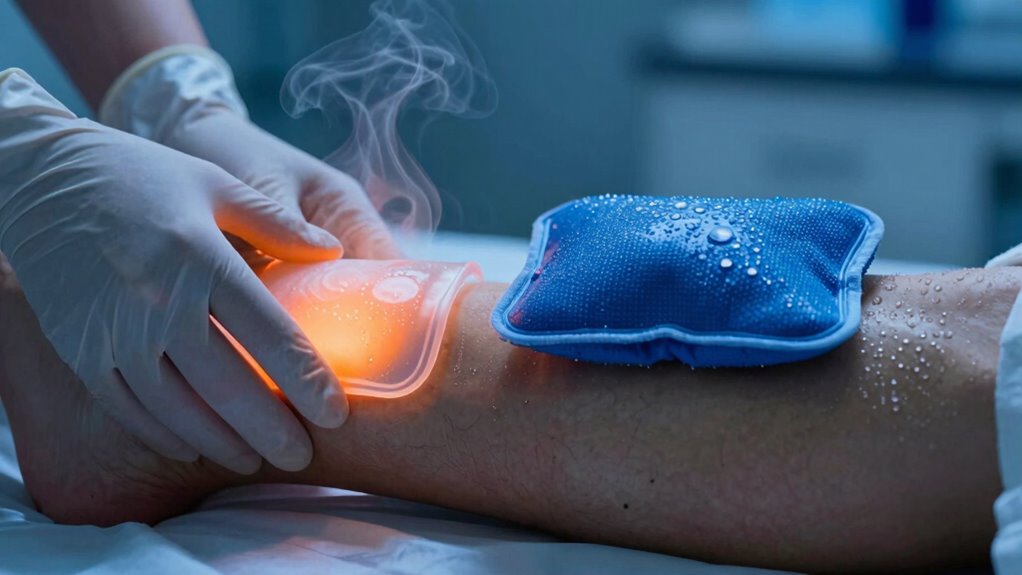
Determining the ideal duration and frequency for heat and cold therapy depends on your specific injury or discomfort, but generally, applying each for 15 to 20 minutes at a time is effective. Following clear duration guidelines helps prevent skin damage and maximizes relief. For cold therapy, you might imagine a cold pack hugging your swollen area, soothing inflammation. With heat, envision warm compresses encouraging blood flow and relaxing muscles. Keep these in mind:
Apply cold or heat for 15-20 minutes, with breaks, to safely ease pain and inflammation.
- Use cold packs in 15-20 minute intervals
- Allow at least 1-hour break between cold applications
- Apply heat for 15-20 minutes without overdoing it
- Avoid sleeping with cold or heat applied
- Stick to recommended frequency recommendations for best results
Sticking to these guidelines ensures safe, effective relief without overexposure.
Expert Tips: Choosing the Right Swelling Treatment for Your Injury

Choosing the right swelling treatment depends on understanding your injury’s nature and stage. If you’re dealing with a recent injury, cold therapy often reduces inflammation and numbs pain effectively. For ongoing or chronic swelling, heat therapy can promote blood flow and healing. Home remedies like ice packs or warm compresses are simple options, but don’t hesitate to explore alternative therapies such as massage or acupuncture if traditional methods aren’t enough. Always listen to your body and adjust treatments accordingly. If swelling persists or worsens, consult a healthcare professional to determine the best course of action. Remember, the goal is to ease discomfort while supporting recovery, so selecting the appropriate therapy based on your injury’s specifics will lead to better results.
Frequently Asked Questions
Can Alternating Heat and Cold Speed up Swelling Reduction?
Yes, alternating heat and cold can speed up swelling reduction. You activate muscle relaxation and promote blood flow with heat, which helps soothe sore muscles. Cold reduces inflammation and numb pain, easing discomfort. Switching between them can enhance pain relief, decrease swelling faster, and improve overall recovery. Just make sure to use each method for about 15-20 minutes and avoid extremes to prevent skin damage.
Are There Specific Injuries Better Suited for Heat or Cold?
Think of your injury as a delicate plant needing the right care. For muscle strains, heat works like a cozy blanket, relaxing muscles and increasing blood flow. Cold, like an icy splash, reduces swelling and numbs pain for joint sprains. Use heat for tight, sore muscles, but apply cold immediately after a sprain to minimize swelling. Knowing which to use helps your recovery grow strong and swift.
How Do I Prevent Skin Damage When Using Hot or Cold Packs?
To prevent skin damage when using hot or cold packs, always protect your skin with a barrier like a cloth or towel. Make certain your pack has good insulation to avoid direct contact that can cause burns or frostbite. Keep the pack at a safe temperature, and limit application to 15-20 minutes. Regularly check your skin for redness or discomfort, and remove the pack immediately if you notice any signs of damage.
Is It Safe to Use Heat or Cold Therapy on Elderly Patients?
Yes, it’s generally safe to use heat or cold therapy on elderly patients, but you need to take into account their skin and health conditions. Elderly skin is thinner and more prone to damage, so you should follow therapy precautions carefully. Always check the temperature, limit application time, and monitor for any signs of discomfort or skin issues. Consulting a healthcare professional beforehand helps ensure safe, effective treatment.
What Are the Signs That I Should Stop Treatment Immediately?
You should stop treatment immediately if you notice signs of infection or allergic reactions. Look for increased redness, swelling, warmth, or pus, which indicate infection. Also, watch for itching, rash, swelling, or difficulty breathing, signs of an allergic reaction. If any of these occur, cease therapy right away and seek medical attention. Don’t ignore persistent pain or worsening symptoms, as they also signal you need to stop and consult a professional.
Conclusion
Knowing when to use heat or cold for swelling helps you heal faster, reduces pain, and prevents further injury. Recognize signs, understand benefits, avoid mistakes, and combine treatments wisely. Listen to your body, follow expert tips, and adjust your approach as needed. With the right choices, you’ll promote circulation, reduce inflammation, and support recovery. Trust your instincts, stay consistent, and prioritize your well-being—because the right treatment makes all the difference.
Fall Picks
fall essentials
As an affiliate, we earn on qualifying purchases.