

Overusing cryotherapy can put you at risk of skin damage, nerve injuries, and circulatory problems if you ignore safety guidelines. Applying cold for too long or too frequently may cause frostbite, numbness, or even permanent tissue damage. It’s important to follow recommended durations and signals from your body, like pain or numbness, to prevent harm. Staying cautious helps you enjoy the benefits safely—if you want to know more, there’s more to uncover.

Get wellness gear delivered free — and shop member deals
- Fast, free delivery on millions of items
- Access to Prime Big Deal Days deals on October 6–7
- Prime Video, Amazon Music and more included
Key Takeaways
- Overusing cryotherapy can cause skin injuries like frostbite, blistering, and discoloration.
- Extended cold exposure risks nerve damage, leading to numbness, tingling, and potential chronic pain.
- Excessive sessions may impair circulation, increasing the chance of tissue necrosis and long-term injury.
- Ignoring safety guidelines and symptoms such as numbness or discoloration can result in irreversible skin or nerve damage.
- Proper monitoring and adherence to recommended durations minimize risks of complications from cryotherapy.
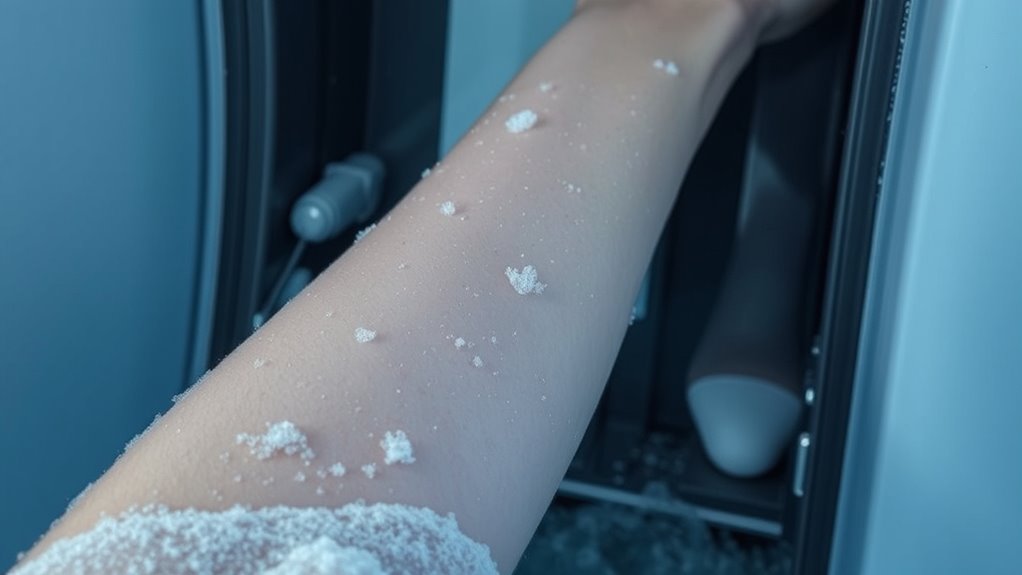
While cryotherapy can offer quick relief from pain and inflammation, overusing it can pose significant health risks. Many people turn to this treatment to help recover from injuries or manage chronic conditions, but excessive exposure can lead to serious complications. One primary concern is skin damage. When you apply extreme cold for too long or too frequently, your skin can become frostbitten, which causes tissue damage that may not be immediately apparent. Symptoms like redness, blistering, or numbness might appear, and if ignored, these can develop into long-term skin issues, including permanent discoloration or scarring. It’s essential to follow recommended guidelines for duration and frequency, as overexposure increases the likelihood of skin injury.
Overusing cryotherapy risks skin damage and long-term tissue injury. Follow guidelines to stay safe.
Another critical risk involves nerve injury. Cryotherapy’s cold temperatures can interfere with nerve function, especially if applied directly or excessively to sensitive areas. When nerves are exposed to prolonged cold, they can become damaged, resulting in numbness, tingling, or even chronic pain. This nerve damage might not be reversible if the cold treatment is overused or misapplied. You might feel a loss of sensation or heightened sensitivity in the affected area, which can impair your daily activities or compound existing injuries. If nerve injury occurs, it can take a long time to heal, and in some cases, might lead to lasting deficits.
Overusing cryotherapy also heightens the risk of other health issues. For example, if you have circulatory problems or certain medical conditions, the cold can restrict blood flow further, potentially leading to tissue necrosis or other complications. Additionally, applying cold therapy improperly, such as using ice packs directly against the skin without a barrier, increases the chances of skin damage and nerve injury. Always ensure you’re using appropriate protective layers and adhere to recommended treatment times, which typically limit exposure to 15-20 minutes per session.
Furthermore, understanding the role of AI safety measures in medical devices can help ensure that cryotherapy equipment incorporates safety features to prevent overuse and accidental injury. You must be cautious about how often you use cryotherapy. While it can be a powerful tool for pain relief, overdoing it can cause more harm than good. Pay attention to your body’s signals—if you notice numbness, discoloration, or persistent pain, stop the treatment immediately. Consult with a healthcare professional if you’re unsure about the proper application or if you experience adverse effects. Proper use, combined with awareness of the risks, helps you safely benefit from cryotherapy without risking skin damage or nerve injury.
cryotherapy ice packs for pain relief
As an affiliate, we earn on qualifying purchases.
As an affiliate, we earn on qualifying purchases.
Frequently Asked Questions
Can Cryotherapy Cause Long-Term Skin Damage?
Yes, cryotherapy can cause long-term skin damage if overused. You might experience skin irritation, redness, or even permanent changes like pigment shifts or scarring. Repeated treatments increase the risk of long-term effects, especially if you don’t follow recommended guidelines. To avoid damage, make sure you consult a professional, limit sessions, and monitor your skin’s response. Proper care reduces the chance of lasting skin issues from cryotherapy.
Is Cryotherapy Safe for Pregnant Women?
Pregnancy precautions prevent problems; thus, you shouldn’t pursue cryotherapy during pregnancy. It’s best to avoid treatments that could jeopardize pregnancy safety and fetal health. The risks of cold exposure, especially in sensitive areas, could potentially lead to complications. Always consult your healthcare provider before undergoing any therapies while pregnant, and prioritize safe, supervised strategies to protect both your health and your baby’s well-being.
How Does Cryotherapy Affect People With Heart Conditions?
If you have a heart condition, cryotherapy can impact your heart rhythm and blood pressure. Cold exposure causes blood vessels to constrict, which may strain your heart or trigger irregular rhythms. It’s vital you consult your doctor before trying cryotherapy, especially if you have existing cardiovascular issues. Monitoring your response during treatment is essential, and avoiding prolonged exposure helps prevent adverse effects on your heart health.
Are There Age Restrictions for Cryotherapy Treatments?
Age restrictions for cryotherapy treatments vary depending on the clinic and specific treatment guidelines. Typically, minors need parental consent, and some providers recommend waiting until a certain age, often 16 or older, for safety reasons. Always verify with your healthcare provider and the treatment facility, as they set guidelines to ensure safety. If you’re younger or older, discuss your health history to determine if cryotherapy is appropriate for you.
Can Cryotherapy Interfere With Medications or Medical Implants?
Think of cryotherapy as a powerful storm—you need to understand what it might affect. It can interfere with medications through potential interactions, so check with your doctor beforehand. If you have medical implants, like pacemakers or metal devices, cryotherapy might pose risks to their safety. Always inform your provider about your medications and implants to ensure safe treatment, avoiding unexpected complications and keeping your health shielded.
cold therapy machine with safety features
As an affiliate, we earn on qualifying purchases.
As an affiliate, we earn on qualifying purchases.
Conclusion
While cryotherapy can boost recovery and reduce pain, overusing it may cause harmful side effects. Remember, the same cold that soothes your sore muscles can also damage your skin or nerves if misused. Sometimes, less truly is more—striking a balance keeps you safe and healthy. Don’t let the promise of quick relief blind you to the risks; moderation ensures your wellness isn’t sacrificed in the pursuit of comfort.
As an affiliate, we earn on qualifying purchases.
As an affiliate, we earn on qualifying purchases.
Fall Picks
fall essentials
As an affiliate, we earn on qualifying purchases.