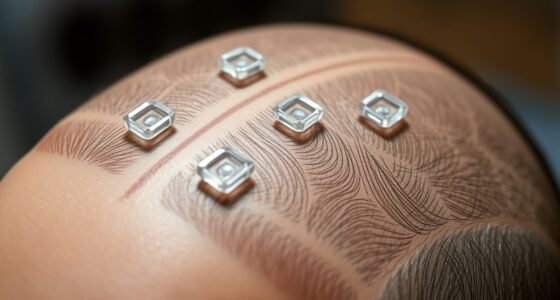
Combining nutritional supplements with hair devices works by supporting your hair from the inside out and stimulating growth externally. Supplements provide essential nutrients like biotin, vitamin D, and zinc that strengthen your scalp and hair follicles. Hair devices boost circulation and cellular activity, enhancing nutrient delivery and encouraging a healthy growth phase. Using both together accelerates results and improves overall hair health. Keep exploring to discover how to optimize this powerful approach for the best outcomes.

Get wellness gear delivered free — and shop member deals
- Fast, free delivery on millions of items
- Access to Prime Big Deal Days deals on October 6–7
- Prime Video, Amazon Music and more included
Key Takeaways
- Combining supplements and devices enhances scalp circulation and nutrient delivery, promoting faster and more effective hair growth.
- Supplements provide essential nutrients internally, while devices stimulate external scalp activity for comprehensive hair health.
- Regularly using both methods supports the hair growth cycle, reducing thinning and breakage over time.
- A holistic approach, including diet and stress management, maximizes the benefits of combined treatments.
- Consulting professionals ensures safe, personalized integration of nutritional and device-based hair care strategies.

If you’re looking to improve your hair health, understanding the role of nutritional supplements and hair devices is crucial. Combining these approaches can optimize your scalp health and support your hair’s natural growth cycles. Your scalp is the foundation for healthy hair; when it’s well-nourished and free from irritation or buildup, your hair follicles function more efficiently. Nutritional supplements such as biotin, vitamin D, zinc, and omega-3 fatty acids provide essential nutrients that strengthen your scalp and promote a healthy environment for hair growth. These nutrients help improve circulation, reduce inflammation, and support the hair’s growth phases, whether it’s the anagen (growth), catagen (transition), or telogen (resting) phase. When your scalp is healthy, you notice fewer issues like dryness, flakiness, or excessive oil production, which can interfere with hair growth cycles.
In tandem with supplements, hair devices like laser combs, LED therapy caps, and ionic brushes work by stimulating scalp circulation, encouraging cellular activity, and increasing nutrient delivery directly to hair follicles. These devices are designed to enhance the effects of your nutritional intake by targeting the scalp’s microcirculation. Improved blood flow delivers oxygen and nutrients more efficiently, which supports the hair growth cycles and helps extend the anagen phase—the active growth period. Using these devices consistently can also help reduce hair thinning and breakage by strengthening the hair shaft and improving follicle health. When combined with a balanced diet and supplements, these tools become a powerful way to support your hair’s natural regenerative processes.
It’s important to remember that both supplements and hair devices should be part of an all-encompassing approach to hair care. While supplements provide the building blocks for healthy hair from the inside, devices stimulate scalp activity from the outside. This synergy can accelerate results, especially if you’re dealing with thinning hair or slow growth. Additionally, AI safety measures in product development and research play a role in ensuring the effectiveness and safety of these treatments. Regular use of both supplements and devices yields the best outcomes over time. You should also be mindful of your overall health—adequate sleep, hydration, and stress management all influence scalp health and hair growth cycles. Before starting any new supplement regimen or device treatment, consulting a healthcare professional or dermatologist helps ensure you’re choosing the right options for your specific needs. When used together thoughtfully, nutritional supplements and hair devices can notably improve the strength, density, and overall health of your hair.
As an affiliate, we earn on qualifying purchases.
Frequently Asked Questions
Can Supplements Replace Professional Hair Treatments?
Supplements can’t fully replace professional hair treatments because supplement efficacy varies and they mainly support hair health rather than provide immediate results. Professional treatments offer targeted solutions and ensure hair device safety, reducing risks like damage or irritation. You should consider supplements as a complementary approach rather than a substitute. For best results, combine them with professional advice and safe use of hair devices, and always prioritize your hair’s health first.
Are There Any Risks Combining Supplements With Hair Devices?
You should be aware that combining supplements with hair devices can pose risks, such as interactions with medications or risks of overdose if you take too many supplements. Always consult your healthcare provider before combining these, especially if you’re on medication, to avoid adverse effects. Using both without proper guidance might lead to unwanted side effects or diminished effectiveness, so proceed cautiously and seek professional advice to stay safe.
How Long Before I See Results From Using Both?
You could see visible improvements in your hair in as little as a few weeks, but real transformation might take several months. Timing expectations vary based on your hair’s health and consistency, so don’t expect miracles overnight. With regular use of supplements and devices, you’re paving the way for stunning, healthier hair. Stay patient and committed—your dream hair is just around the corner, waiting to shine brighter than ever!
Should I Consult a Dermatologist Before Starting?
You should definitely consult a dermatologist before starting, as their advice guarantees supplement safety and tailored recommendations. A dermatologist can assess your specific hair needs, identify potential interactions with your medications, and guide you on the best products to use. Taking this step helps prevent adverse effects and maximizes the benefits of combining supplements with hair devices. Prioritize professional guidance for safe, effective hair care.
Are Certain Supplements Better Suited for Specific Hair Types?
Yes, certain supplements work better for specific hair types because their efficacy fluctuates with your hair’s texture and condition. For example, biotin may promote growth for fine hair, while keratin could help with thicker, coarse hair. You should choose supplements tailored to your hair type to maximize benefits. Always consider consulting a professional to ensure the supplement aligns with your hair goals and to avoid any adverse reactions.
As an affiliate, we earn on qualifying purchases.
Conclusion
By combining nutritional supplements with hair devices, you’re hitting two birds with one stone—nurturing your hair from the inside out while enhancing its appearance on the outside. This balanced approach maximizes your results and helps you achieve healthier, stronger hair more efficiently. Just remember, patience is key; you won’t see overnight success. Stick to your routine, stay consistent, and you’ll find that success is often a matter of planting seeds and watching them grow.
As an affiliate, we earn on qualifying purchases.
biotin vitamin supplement for hair growth
As an affiliate, we earn on qualifying purchases.
As an affiliate, we earn on qualifying purchases.
Evergreen bestsellers Picks
bestsellers
As an affiliate, we earn on qualifying purchases.