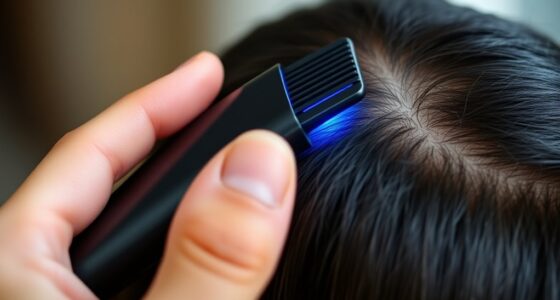
Combining scalp oils with LED therapy can boost your results by nourishing hair follicles, improving scalp health, and promoting growth—if you choose the right oils. Light, non-greasy oils like rosemary, peppermint, castor, and tea tree can enhance circulation, soothe irritation, and create a better environment for your hair. However, it’s important to apply oils correctly and verify they’re compatible with LED devices. Keep going to discover tips for safe and effective use.
Key Takeaways
- Combining scalp oils with LED therapy can boost scalp health by providing nutrients and reducing inflammation.
- Properly selected oils enhance circulation and support hair follicle function, potentially improving results.
- Using lightweight, non-photosensitive oils ensures safe and effective interaction with LED devices.
- Applying oils 30 minutes before sessions allows absorption without blocking light penetration.
- When done correctly, the combination can create a healthier scalp environment, promoting better hair growth outcomes.
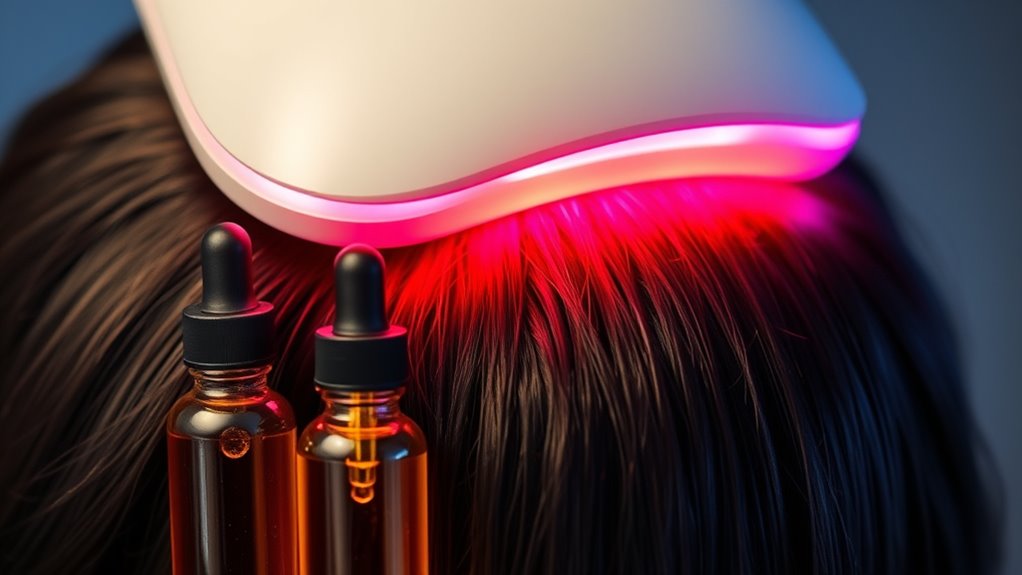
While LED therapy has gained popularity for promoting scalp health, combining it with the right scalp oils can enhance its effectiveness. You might wonder if adding oils truly makes a difference or if it complicates the treatment. The key lies in understanding the role of scalp oil ingredients and guaranteeing LED device safety. When you select the proper scalp oils, you provide your scalp with nutrients that support hair growth, reduce inflammation, and improve scalp condition. Ingredients like rosemary oil, peppermint, castor oil, and tea tree oil are known for their beneficial properties, such as stimulating circulation, fighting fungi, and soothing irritation. These oils can complement the benefits of LED therapy by creating a healthier environment for hair follicles to thrive.
However, it’s vital to consider LED device safety when combining oils with your treatment. Not all scalp oils are compatible with LED devices, especially if they contain ingredients that can cause photosensitivity or clog the device’s light pathways. Before applying any oil, make sure it’s lightweight, non-greasy, and non-comedogenic. Thick or oily substances may interfere with the light’s ability to penetrate the scalp effectively or could damage the LED device. Always check the product labels and consult the manufacturer’s guidelines to guarantee your chosen oils won’t compromise safety or performance.
Applying scalp oils before LED therapy can be beneficial, but timing matters. If you plan to use an LED device, it’s best to apply oils at least 30 minutes beforehand or after your session. This allows the oils to absorb without interfering with the light treatment. Additionally, guarantee your scalp is clean and dry before using the LED device, as excess oil or moisture might affect the light’s effectiveness or cause skin irritation.
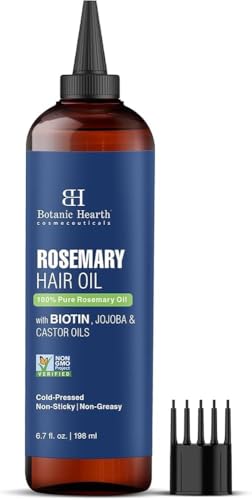
Botanic Hearth Hair Oil for Hair Growth | Rosemary Oil for Hair Growth with Biotin, Castor & Jojoba | Hair Relaxers & Dry Scalp Treatment | Color Safe | All Hair Types | 6.7 Fl Oz
Helps Promote Hair Thickening: Botanic Hearth Rosemary Cold Pressed Hair Oil, made with organic rosemary, helps thicken hair…
As an affiliate, we earn on qualifying purchases.
As an affiliate, we earn on qualifying purchases.
Frequently Asked Questions
Can Scalp Oils Cause LED Therapy to Become Less Effective?
Yes, scalp oils can cause LED therapy to become less effective. Oil interaction may create a barrier on your scalp, reducing light penetration. This treatment interference can diminish the benefits of LED therapy, making it less impactful. To maximize results, it’s best to avoid applying oils right before your session. Instead, clean your scalp thoroughly to make sure the light reaches your skin effectively.
Are There Specific Scalp Oils Best Suited for LED Treatments?
You should choose scalp oils with ingredients that are LED compatible, like those that are lightweight, non-reflective, and free from metallic particles or dyes. Look for scalp oil selection that includes soothing, nourishing components such as argan or jojoba oil, which won’t interfere with LED therapy. Using the right oils helps maximize results, ensuring the LED light penetrates effectively without any reflection or obstruction.
How Long Should I Wait Between Applying Oils and LED Sessions?
You should wait about 15 to 30 minutes after applying scalp oils before your LED therapy session. This allows the oils to soak into your scalp, reducing the risk of interference during treatment. Proper timing ensures that your scalp remains clean and receptive, maximizing benefits. Keep in mind, oil absorption varies, so adjusting wait time based on your scalp’s response can help optimize your session timing.
Is It Safe to Combine Scalp Oils With LED Therapy Daily?
Yes, it’s generally safe to combine scalp oils with LED therapy daily, but you should consider scalp oil safety and your skin’s response. Daily application effects vary, and overuse might cause buildup or irritation. To stay safe, monitor your scalp’s reaction, use gentle oils, and consult a dermatologist if you notice discomfort. This way, you can maximize benefits without risking adverse effects from continuous use.
Do Different Scalp Oil Ingredients Impact LED Therapy Outcomes?
Different scalp oil ingredients can impact LED therapy outcomes by affecting oil absorption and ingredient interactions. Some oils may block light penetration or react negatively with the LED’s wavelength, reducing effectiveness. To optimize results, choose lightweight, non-greasy oils that absorb well and avoid ingredients that could interfere with light therapy. Always monitor how your skin responds and consult a professional if unsure about specific ingredients.

FDA-Device 650Nm LLLT Red Light Therapy For Hair Growth And Hair Loss, Cordless Handheld Scalp Laser Brush For Men & Women With Thinning Hair Baldness Receding Hairline, Portable Home Travel
Cordless & Rechargeable for Daily Use Anywhere: This wireless handheld hair growth comb runs on a built-in rechargeable…
As an affiliate, we earn on qualifying purchases.
As an affiliate, we earn on qualifying purchases.
Conclusion
By merging scalp oils with LED therapy, you reveal a powerful duo that can transform your hair journey. Think of it as planting seeds of hope and watching them flourish—each session bringing you closer to revitalized, thicker hair. Don’t let doubt hold you back; embrace this innovative approach and let your confidence blossom. After all, isn’t it time you nurtured your hair’s true potential and stepped into a brighter, bolder you?
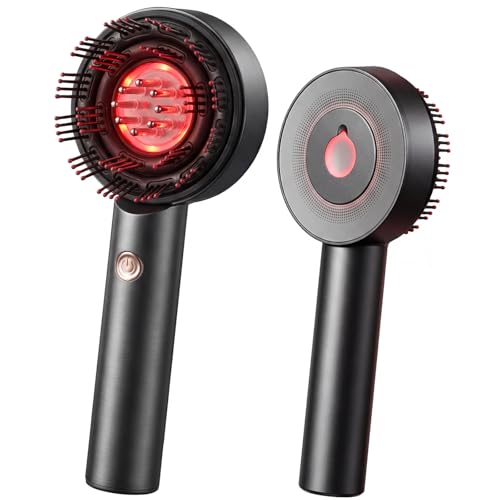
3-in-1 Scalp Massager with Oil Applicator, Portable Cordless Scalp Brush for Men & Women, Adjustable Speed, Soothing Red LED Mode, IPX6 Waterproof, Rechargeable Head Massage Comb for Shower & Dry Use
3-in-1 Scalp Care Tool – Combines a soft-tooth scalp massager, precision oil applicator and soothing red LED mode…
As an affiliate, we earn on qualifying purchases.
As an affiliate, we earn on qualifying purchases.
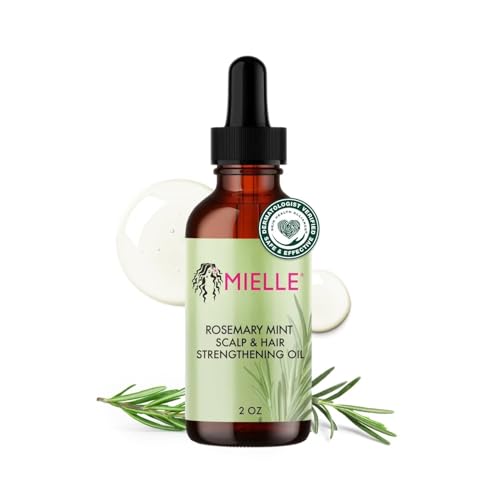
Mielle Organics Rosemary & Mint Hair Oil – Strengthening Biotin Oil Infused Frizzy & Damaged Hair Care – Split Ends & Dry Scalp Treatment to Support Longer, Healthier Strands, 2 Ounce
Award-Winning Treatment – Our Rosemary Mint Scalp and Hair Oil is a nutrient-rich, intensive formula that blends biotin,…
As an affiliate, we earn on qualifying purchases.
As an affiliate, we earn on qualifying purchases.