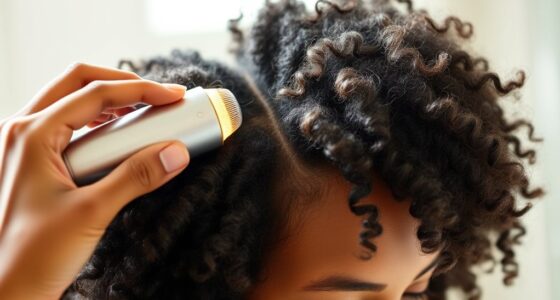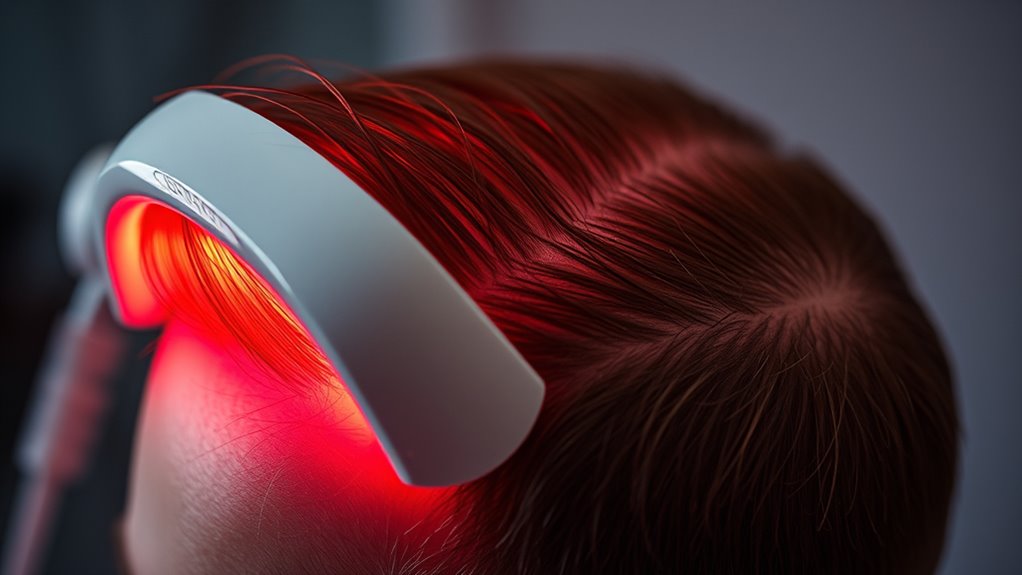

Infrared therapy works by penetrating your scalp to boost blood flow, which delivers essential nutrients and oxygen to your hair follicles. It helps revive dormant follicles and supports the natural growth cycle, encouraging thicker, fuller hair. Additionally, it reduces scalp inflammation and improves overall scalp health. Consistent use can lead to noticeable improvements over time. If you want to discover more about how infrared therapy can help restore your hair, keep exploring further.
Key Takeaways
- Infrared therapy stimulates hair follicle cells and promotes growth by improving scalp circulation and nutrient delivery.
- It can revive dormant follicles and reverse miniaturization associated with hair loss conditions.
- Regular infrared sessions reduce scalp inflammation, creating a healthier environment for hair growth.
- The treatment is non-invasive, relaxing, and easy to include in daily or weekly hair care routines.
- Combining infrared therapy with proper scalp care enhances overall hair health and supports thicker, fuller hair.
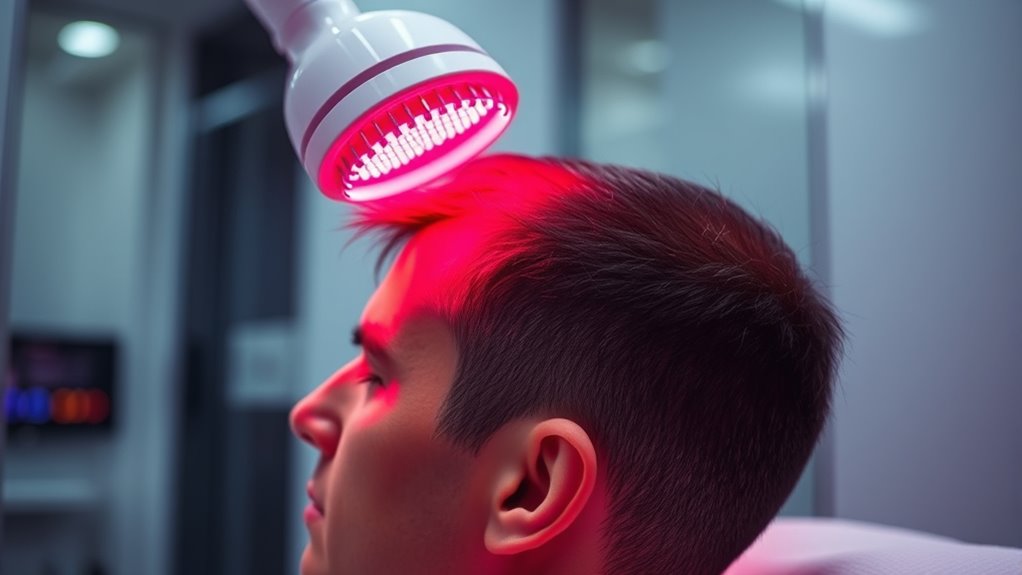
Infrared therapy has emerged as a promising treatment for hair loss, offering a non-invasive way to stimulate hair growth and improve scalp health. When you use infrared light, it penetrates deep into the scalp tissues, enhancing scalp circulation. Better circulation means blood flows more efficiently to hair follicles, delivering essential nutrients and oxygen that are essential for healthy hair growth. As you undergo infrared therapy, you’ll notice that increased scalp circulation can help revive dormant hair follicles, encouraging new growth and strengthening existing hairs. This process is essential because poor circulation often leads to weakened hair follicles, which can result in thinning hair or hair loss over time.
Infrared therapy boosts scalp circulation, revitalizing dormant follicles and promoting healthy hair growth.
In addition to boosting scalp circulation, infrared therapy directly stimulates the hair follicles themselves. The light energy penetrates the follicle cells, promoting cellular activity and metabolic processes necessary for hair production. When your hair follicles are stimulated, they become more active, shifting from a resting to an active growth phase. This can be especially beneficial if your hair loss is due to follicle miniaturization, a common cause of androgenetic alopecia. By actively stimulating the follicles, infrared therapy helps reverse some of the damage and encourages your scalp’s natural regenerative processes.
You might also notice that this therapy supports the overall health of your scalp. Infrared light can reduce inflammation, which often accompanies hair loss conditions and can hamper follicle function. By calming inflammation, infrared therapy creates a healthier environment for hair to grow. Additionally, improved blood flow enhances the delivery of nutrients, such as vitamins and minerals, directly to the hair roots. This nutrient-rich supply nourishes the hair follicles, making them stronger and more resilient against environmental damage and aging.
Many users find infrared therapy to be a relaxing experience, often describing it as a gentle warmth that soothes the scalp. Consistent treatment over weeks can lead to noticeable improvements, including thicker, fuller hair and a healthier scalp appearance. Since the procedure is non-invasive, there’s little to no downtime, allowing you to incorporate it easily into your routine. As you explore infrared therapy, keep in mind that its success depends on regular sessions and proper scalp care. Combining this treatment with a healthy diet, gentle hair care, and other supportive measures can maximize your results.

Uvsicsve Laser Hair Growth Cap, FDA Cleared 650nm LLLT Red Light Therapy – Alternative for Targeted Hairline & Thinning Crown, Scalp Care Device, Rechargeable for Men & Women – Black
Clinically Supported Hair Regrowth Powered by 650nm LLLT red light therapy, this FDA cleared laser hair growth cap…
As an affiliate, we earn on qualifying purchases.
As an affiliate, we earn on qualifying purchases.
Frequently Asked Questions
How Long Does It Take to See Results From Infrared Therapy?
You’ll typically start noticing results from infrared therapy within 8 to 16 weeks, but this varies based on individual factors and treatment consistency. The treatment timeline depends on your hair loss severity and how regularly you attend sessions. Most people see the therapy’s effectiveness timeframe when they stick to the recommended schedule, with noticeable improvements often appearing after a few months of consistent use.
Can Infrared Therapy Be Combined With Other Hair Loss Treatments?
Yes, you can combine infrared therapy with other hair loss treatments. Combining therapies like minoxidil, finasteride, or low-level laser therapy creates treatment synergy, often enhancing results. Always consult your healthcare provider before starting combination therapies to guarantee safety and effectiveness. By integrating infrared therapy into your regimen, you may see improved hair growth, as the different treatments work together to target hair loss from multiple angles.
Are There Any Side Effects or Risks Associated With Infrared Therapy?
Infrared therapy is generally safe, but you should be aware of potential skin irritation and eye safety concerns. You might experience mild skin redness or discomfort, and exposure to the infrared light could harm your eyes if proper precautions aren’t taken. To stay safe, follow manufacturer instructions, wear protective eyewear, and monitor your skin’s response. Being cautious helps you enjoy the benefits without unnecessary risks.
Is Infrared Therapy Suitable for All Types of Hair Loss?
Infrared therapy is suitable for many types of hair loss, but it might not address all causes. You should consider treatment compatibility, especially if your hair loss results from scarring or hormonal issues. While it promotes blood flow and stimulates hair follicles, it works best for androgenetic alopecia. Always consult a specialist to determine if infrared therapy aligns with your specific hair loss causes and treatment needs.
What Is the Cost Comparison of Infrared Therapy Versus Traditional Treatments?
Imagine choosing between a sleek electric scooter and a pricey motorcycle; the scooter’s cost effectiveness makes it more affordable. Infrared therapy generally costs less than traditional treatments like medications or surgery, offering better affordability comparison. While initial expenses vary, infrared sessions often require fewer ongoing costs, making it a budget-friendly option for hair loss. You’ll find infrared therapy can be a smart, cost-effective choice for your hair restoration journey.
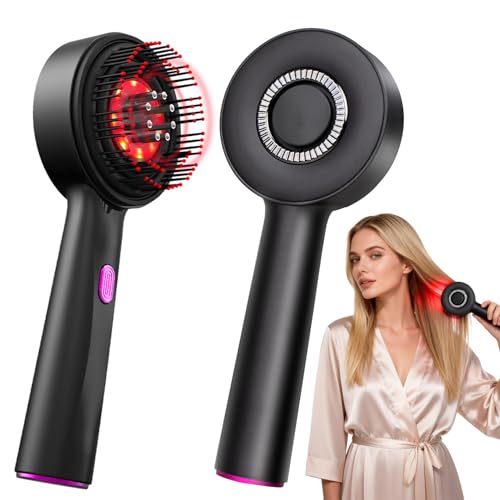
Electric Scalp Massager Red Light-scalp massager with red light therapy with 850nm,smart scalp massager with red light dual use for dry&wet hair,supports hair serum application,3 Modes selection,gift
【850NM Phototherapy】This scalp massager hair growth combines 850nm LED red light therapy with scalp massage function,penetrating hair follicles…
As an affiliate, we earn on qualifying purchases.
As an affiliate, we earn on qualifying purchases.
Conclusion
Imagine infrared therapy as a gentle sunrise, awakening your hair follicles from a long, quiet night. With each session, you’re planting seeds of renewal, inviting new growth to flourish. It’s not just a treatment; it’s a warm hug for your scalp’s potential. So, embrace this glowing journey, and let the light guide your way to a fuller, healthier head of hair. Your future self will thank you for shining so brightly.
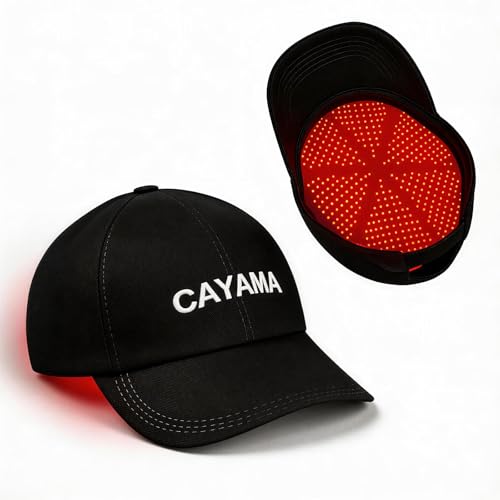
CAYAMA Red Light Hair Growth Cap for Men & Women, 528 Total Light Emitters, Full-Scalp Coverage, 660nm Red Light + NIR, Adjustable Fit, At-Home Scalp Care
【528 TOTAL LIGHT EMITTERS FOR DENSE FULL-SCALP COVERAGE】Built with 176 LED units in a 3-chip design to create…
As an affiliate, we earn on qualifying purchases.
As an affiliate, we earn on qualifying purchases.
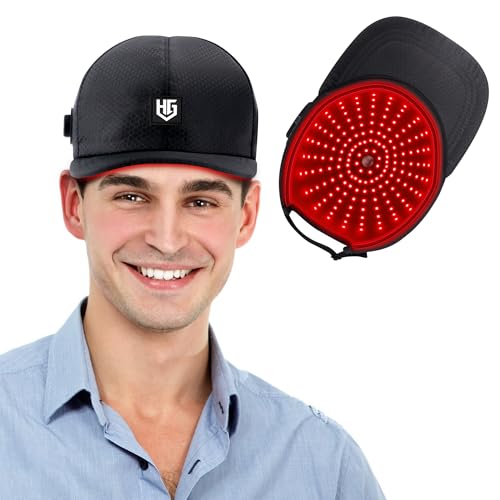
Red Light Therapy for Hair Growth: Cordless Red Light Heating Cap with 2000mAh Rechargeable Battery, Portable Care Tool for Home Use for Men & Women
Home Light Therapy: This non-invasive red light therapy cap uses 660nm red light + 850nm near-infrared wavelengths to…
As an affiliate, we earn on qualifying purchases.
As an affiliate, we earn on qualifying purchases.