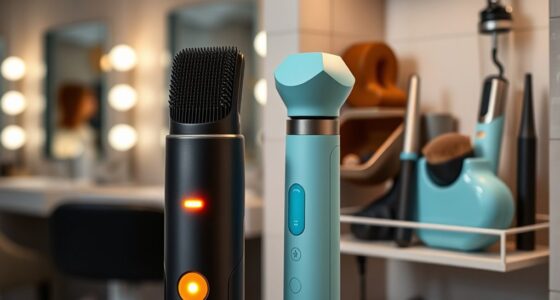
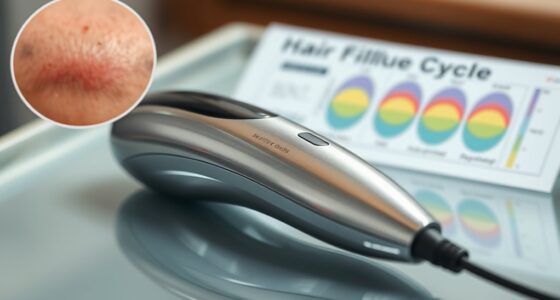
Using LED devices for beard growth can help stimulate hair follicles and improve skin health through targeted light therapy, potentially leading to a thicker, healthier beard over time. They work by boosting circulation, reducing inflammation, and supporting skin regeneration, making them a useful addition to your grooming routine. While results vary depending on individual factors, consistent use often shows gradual improvements. Keep exploring to discover how to maximize these benefits and achieve your beard goals.

Get wellness gear delivered free with Prime
- Fast, free delivery on millions of items
- Prime Video, Amazon Music and more included
- Member-only deals all year
Key Takeaways
- LED devices may support beard growth by stimulating hair follicles through red or near-infrared light therapy.
- Consistent use over weeks or months is needed to potentially see improvements in beard density and thickness.
- Effectiveness varies based on individual genetics, age, and overall health; LED therapy is a supportive tool, not a guaranteed solution.
- Combining LED therapy with good skincare, grooming, and a healthy diet enhances chances of better beard growth results.
- LED devices are generally safe when used as directed, but results are variable and should be viewed as part of a comprehensive grooming routine.

If you’re looking for an innovative way to boost beard growth, LED devices might be worth considering. These tools have gained popularity in recent years, promising to stimulate hair follicles and improve beard density through low-level light therapy. While traditional beard grooming involves trimming, shaping, and moisturizing, LED devices add a tech-forward approach that targets the root causes of slow or patchy beard growth. The idea is that by exposing your skin to specific wavelengths of red or near-infrared light, you can encourage cellular activity in hair follicles, potentially leading to thicker, healthier beard hair over time.
One of the key benefits of using LED devices is their potential to enhance skin health, which directly impacts beard growth. Healthy skin provides a better foundation for hair follicles to thrive, so maintaining good skin conditions is essential. LED therapy is believed to boost blood circulation, reduce inflammation, and stimulate collagen production—all of which contribute to a healthier scalp and facial skin. When your skin is in *crucial* condition, your beard follicles are more likely to receive the nutrients and oxygen they need, supporting growth and reducing issues like dryness or irritation that can hinder beard development. Additionally, some studies suggest that the therapeutic wavelengths used in LED devices can support skin regeneration and repair, further promoting an optimal environment for hair growth.
However, it’s important to keep realistic expectations. While some users report noticeable improvements, LED therapy isn’t a magic solution for everyone. The effectiveness depends on factors like genetics, age, and overall health. Consistent use over several weeks or months is usually necessary, and results may vary. Incorporating LED devices into your beard grooming routine should be seen as a complementary step rather than a standalone fix. Proper cleansing, moisturizing, and a balanced diet remain *optimal* for maximizing beard growth.
When choosing an LED device, look for one designed specifically for facial use, with appropriate wavelengths and safety features. Using these devices regularly, as directed, can help you assess whether they work for your beard growth goals. Keep in mind that the process is gradual, and patience is key. If you notice improved skin texture and a thicker beard, it’s a positive sign that the therapy is benefiting both your skin health and beard grooming efforts. Ultimately, combining LED therapy with good skincare and grooming habits may give you the best chance of achieving a fuller, healthier beard.
As an affiliate, we earn on qualifying purchases.
Frequently Asked Questions
Are LED Beard Growth Devices Safe for All Skin Types?
LED beard growth devices are generally safe for most skin types, but you should check device compatibility first. If you have sensitive skin, there’s a chance you might experience skin irritation, so it’s wise to start with shorter sessions. Always follow the manufacturer’s instructions and do a patch test. If you notice any discomfort or adverse reactions, discontinue use and consult a dermatologist to guarantee safety for your skin.
How Long Does It Typically Take to See Results?
You’ll typically see visible progress within 4 to 8 weeks of consistent LED treatment. The timeline expectations vary depending on your skin type and hair growth cycle, but patience is key. Regular use is essential to maintain results, and some individuals notice changes sooner, while others may take longer. Stick with the routine, and you’ll increase your chances of achieving the desired beard growth over time.
Can LED Therapy Replace Traditional Beard Growth Treatments?
LED therapy effectiveness varies, but it shouldn’t replace traditional beard growth treatments entirely. While it can enhance beard growth by stimulating hair follicles, it’s not a guaranteed solution. You might see some improvement in beard density, but for significant results, combining LED therapy with proven treatments like minoxidil or proper skincare is best. Rely on LED devices as a supplement, not a complete replacement, for ideal beard growth enhancement.
Are There Any Side Effects Associated With LED Beard Devices?
You might notice minor skin irritation or eye safety concerns when using LED beard devices, but these issues are usually mild and preventable. To protect your skin, guarantee proper device use and follow safety guidelines. Wearing protective eyewear can help prevent eye discomfort. While most users tolerate LED therapy well, staying attentive to your skin’s response ensures a safe and effective experience without unwanted side effects.
Is Professional Guidance Necessary When Using LED Devices at Home?
You should seek professional guidance when using LED devices at home to avoid DIY concerns and guarantee proper usage. A professional can help you understand the right treatment protocols, reducing risks and maximizing results. While DIY options may seem cost-effective, improper use could lead to ineffective or harmful outcomes. Investing in expert advice can save you money and trouble in the long run, giving you safer, better beard growth results.
red light therapy for beard growth
As an affiliate, we earn on qualifying purchases.
As an affiliate, we earn on qualifying purchases.
Conclusion
While LED devices for beard growth might seem like a shining beacon of hope, they aren’t a magic wand. Think of them as a gentle nudge rather than a sudden storm—helping, but not guaranteeing, results. If you’re willing to give it a try, stay patient and consistent. Remember, beard growth is a journey, not a race. With time and effort, you might just turn the flicker into a steady glow of confidence.
near-infrared light beard stimulator
As an affiliate, we earn on qualifying purchases.
As an affiliate, we earn on qualifying purchases.
LED light therapy for skin and beard
As an affiliate, we earn on qualifying purchases.
As an affiliate, we earn on qualifying purchases.
Halloween Picks
halloween
As an affiliate, we earn on qualifying purchases.