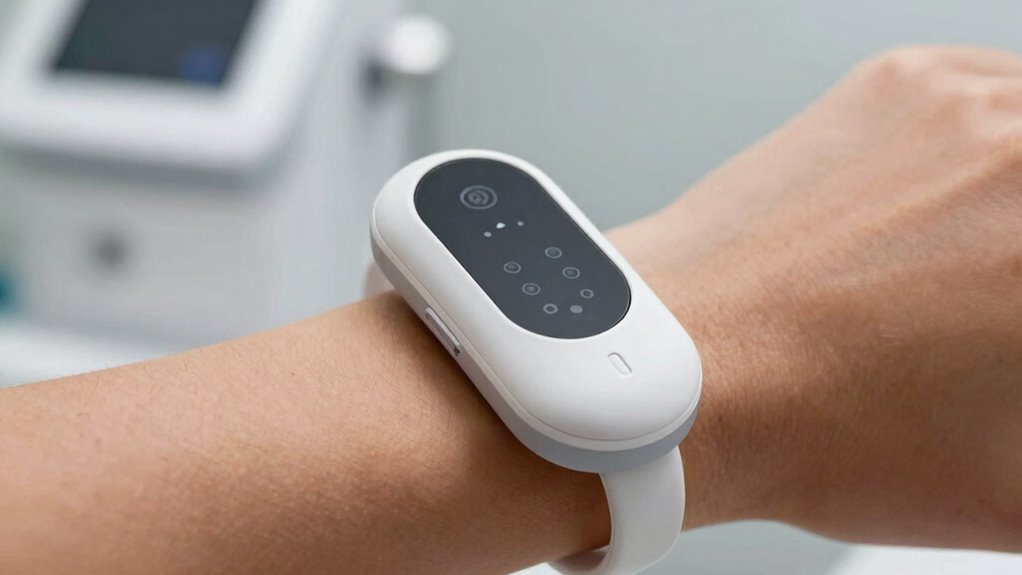

Skin tone sensors are becoming a bigger deal because they allow you to get more personalized results in healthcare, cosmetics, and facial recognition. They measure skin pigment accurately, supporting better treatments and product matches. Proper calibration keeps these devices reliable and prevents errors. Ethical practices guarantee fairness across all skin tones, building trust. If you’re curious about how these innovations are shaping the future and ensuring fair, precise technologies, there’s plenty more to explore.
Key Takeaways
- Growing demand in healthcare, cosmetics, and facial recognition drives the need for accurate skin tone measurement.
- Proper calibration ensures reliable data, critical for diagnosis, personalized treatments, and product matching.
- Standardized calibration techniques improve sensor accuracy, reduce errors, and prevent degradation over time.
- Ethical concerns, including privacy and bias prevention, are vital as sensors impact diverse populations.
- Future advancements depend on balancing technological precision with ethical responsibility to serve all users fairly.

As technology advances, skin tone sensors are becoming increasingly important across various fields, from healthcare to cosmetics. These sensors help measure skin pigmentation accurately, unlocking new possibilities for personalized treatments, product development, and even facial recognition. But as their use expands, so does the need for proper sensor calibration. Ensuring that skin tone sensors are correctly calibrated is crucial to obtaining reliable data. Miscalibration can lead to inaccurate results, which might affect diagnosis accuracy or product matching. For instance, in skincare, a misread skin tone could result in choosing the wrong shade of foundation or wrong dosage of skincare products. Calibration involves regularly adjusting sensors to match standard references, maintaining consistency across devices and over time. This process is vital because even small inaccuracies can have significant downstream effects, especially in sensitive applications like medical diagnostics or personalized medicine. Additionally, addressing sensor calibration practices ensures the longevity and reliability of these devices, fostering trust among users and providers alike. Proper calibration techniques can also extend the lifespan of the sensors by preventing drift and degradation over time. Regular calibration is also essential to adapt to environmental factors that might influence sensor accuracy. Moreover, integrating advanced calibration methods can improve overall performance and reduce potential errors, leading to more consistent outcomes. The development of standardized protocols for calibration can further improve consistency across different devices and manufacturers.
Along with technical precision, ethical considerations are increasingly coming into focus. As skin tone sensors become more embedded in everyday technology, concerns about privacy and bias arise. These sensors often collect sensitive data that could be misused if not properly protected. You need to be aware of who has access to this data and how it’s stored or shared. There’s a risk that such sensors could reinforce racial biases if not carefully designed and validated across diverse populations. For example, a sensor calibrated primarily on lighter skin tones might produce less accurate results on darker skin, leading to disparities in healthcare or cosmetic recommendations. Developers and users alike must prioritize fairness, ensuring that these tools serve all skin tones equitably. Ethical considerations extend beyond bias, touching on consent and transparency. Users should understand what data is being collected and how it’ll be used, with options to opt out if desired. Building trust in technology is essential for widespread acceptance and effective implementation of skin tone sensors.
Ultimately, the rising prominence of skin tone sensors hinges on a delicate balance between technological precision and ethical responsibility. Proper sensor calibration helps achieve trustworthy measurements, while addressing ethical considerations ensures these tools serve everyone without reinforcing societal inequalities. As you use or develop these sensors, it’s vital to stay informed about best practices in calibration and to advocate for ethical standards that protect privacy and promote fairness. When these elements come together, skin tone sensors can truly revolutionize personalized healthcare and beauty, making products and treatments more effective and inclusive. The future of these sensors depends on your commitment to accuracy, fairness, and respecting individual rights, paving the way for innovations that serve all people equally. Maintaining sensor accuracy through consistent calibration and ethical standards is essential for building public trust and maximizing the benefits of these technologies.
skin tone sensor calibration device
As an affiliate, we earn on qualifying purchases.
As an affiliate, we earn on qualifying purchases.
Frequently Asked Questions
How Accurate Are Current Skin Tone Sensors?
Current skin tone sensors are quite accurate, especially for color matching and pigment analysis. You can expect them to identify skin tones within a small margin of error, usually around a few shades. These sensors analyze light reflection and pigmentation, helping you achieve precise matches for cosmetics or skincare. While not perfect, advances continue to improve their reliability, making them valuable tools for personalized beauty and dermatology applications.
What Industries Are Most Impacted by Skin Tone Sensors?
You’re about to see industries transform in ways you never expected. Skin tone sensors are revolutionizing fashion innovation and cosmetic customization, impacting beauty brands, skincare, and clothing design. These sensors enable precise color matching and personalized products, creating more inclusive options. As this technology advances, you’ll notice a shift toward highly tailored experiences, making beauty and fashion more accessible and unique for everyone. The future of personalization is just beginning.
Are There Privacy Concerns With Skin Tone Data Collection?
Yes, there are privacy concerns with skin tone data collection. You might worry about privacy risks, as sensitive data could be misused or accessed without your consent. Companies collecting this information need to guarantee proper safeguards are in place to prevent data misuse. Without strict regulations, your skin tone data could be exploited for discriminatory practices or targeted advertising, raising ethical and privacy issues that require careful attention.
How Do Skin Tone Sensors Improve Personalized Skincare?
Skin tone sensors improve personalized skincare by enabling precise color matching and pigment analysis. You benefit from tailored product recommendations that match your unique skin tone, reducing guesswork. These sensors detect subtle variations in pigmentation, helping you choose the right shades for foundation, concealers, or treatments. As a result, your skincare becomes more effective and natural-looking, ensuring you get the most out of your products while enhancing your overall skin health.
What Are the Future Developments in Skin Tone Sensing Technology?
You’ll see future skin tone sensing tech become more precise, with advanced color calibration and sensor calibration leading the charge. Ironically, as these sensors get smarter, they’ll also become more nuanced, adapting to subtle skin changes. This means more accurate skincare advice tailored to your evolving tone. Expect innovations like real-time feedback and AI-driven adjustments, making personalized skincare not just a goal but a daily reality.
personalized skincare color matching tools
As an affiliate, we earn on qualifying purchases.
As an affiliate, we earn on qualifying purchases.
Conclusion
You might worry that skin tone sensors are just a fancy trend, but they’re actually transforming skincare and makeup for the better. By accurately matching products to your unique skin, they help you achieve a more natural, flawless look without frustration. Don’t let doubts hold you back—embracing this technology means personalized care that works for you. The future of skincare is inclusive, precise, and built around your individuality, so give it a try and see the difference for yourself.
facial recognition skin tone sensors
As an affiliate, we earn on qualifying purchases.
As an affiliate, we earn on qualifying purchases.
medical skin pigmentation measurement device
As an affiliate, we earn on qualifying purchases.
As an affiliate, we earn on qualifying purchases.