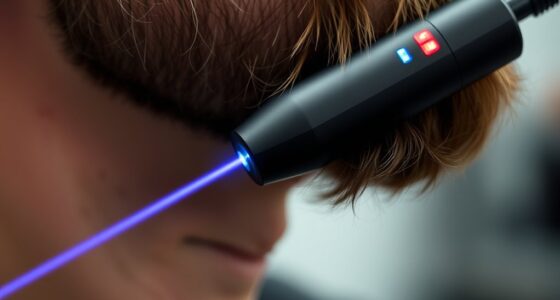
To maximize laser hair removal, it’s essential to understand your hair growth cycle. During the anagen phase, hair is actively growing and contains more melanin, making it more responsive to laser energy. In contrast, the telogen and catagen phases are less ideal for treatment. Since hairs are in different stages simultaneously, multiple sessions scheduled over weeks help target the most responsive follicles. Continuing further will reveal how timing treatments with your cycle boosts results.

Get wellness gear delivered free with Prime
- Fast, free delivery on millions of items
- Prime Video, Amazon Music and more included
- Member-only deals all year
Key Takeaways
- Laser treatments are most effective during the anagen (growth) phase when hair contains active melanin.
- Timing sessions to target hairs in the anagen phase improves follicle destruction and treatment success.
- Not all hairs are in the same phase simultaneously; multiple sessions are needed to target different follicles.
- Understanding the hair cycle helps plan treatments, maximizing results while minimizing ineffective sessions.
- Variability in follicle activity and cycle stages influences individual response and treatment scheduling strategies.
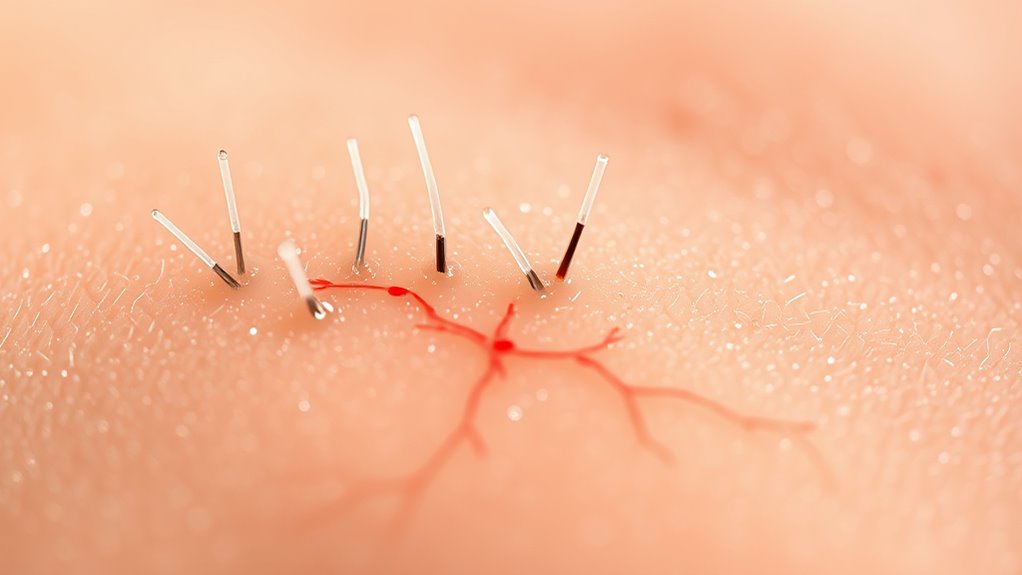
Understanding the hair growth cycle is vital for effective laser treatments because hair responds differently depending on its phase. To maximize results, you need to grasp how hair follicle biology influences the effectiveness of laser procedures. Hair follicles go through distinct stages—anagen, catagen, and telogen—that determine whether laser energy can target hair effectively. During the anagen phase, the active growth stage, hair is deeply rooted in the follicle, making it the ideal time for laser treatments. In contrast, during catagen and telogen phases, hair is resting or shedding, and laser energy is less effective because the follicle isn’t actively producing hair. Knowing this biology helps you understand why timing your treatments correctly is vital for ideal results.
Laser treatment timing hinges on these hair cycle phases. Since hair follicles are only receptive to laser energy during the anagen phase, multiple sessions are necessary to catch each follicle in this growth stage. Typically, not all hairs are in the same phase simultaneously, which is why a series of treatments spaced weeks apart is recommended. This scheduling increases the likelihood of targeting hair in the right phase during each session. If you attempt laser hair removal when most hair is in telogen or catagen, you’ll see less effective results because those follicles aren’t actively producing hair. This cycle-aware approach ensures you’re not wasting sessions on follicles that won’t respond.
Understanding the biology behind the hair follicle helps you appreciate why some areas respond faster than others or why treatments need to be repeated over time. The depth and activity level of hair follicles vary depending on their stage, impacting laser penetration and efficacy. For example, during the anagen phase, the hair follicle’s melanin absorbs laser energy efficiently, destroying the follicle or impairing its ability to produce new hair. Conversely, during the telogen phase, the follicle is less active and contains less melanin, making laser treatment less effective. This knowledge guides practitioners to plan treatments strategically, ensuring they target hair when it’s most vulnerable. Additionally, understanding the hair growth cycle can help set realistic expectations for treatment outcomes and timelines.
laser hair removal treatment kit
As an affiliate, we earn on qualifying purchases.
As an affiliate, we earn on qualifying purchases.
Frequently Asked Questions
How Does Hair Color Affect Laser Treatment Effectiveness?
Your hair color substantially impacts laser treatment effectiveness because darker hair contains more pigmentation, creating a higher pigmentation contrast with your skin. The laser wavelength targets this contrast, so the more pigment in your hair, the better the laser can focus on it. If your hair is light or blonde, the reduced pigmentation makes it harder for the laser to target hair follicles effectively, potentially requiring different settings or alternative treatments.
Can Hair Growth Cycles Change Over a Person’s Lifetime?
Like a river changing course, your hair growth cycles can shift over your lifetime. Hair cycle variability means age-related changes influence how your hair grows, sheds, or rests. As you age, these cycles may slow down or become irregular, affecting treatments. So, yes, your hair’s rhythm can evolve, making it essential to adapt your laser approach as your body’s natural patterns change over time.
Are There Specific Hair Types That Respond Better to Laser Therapy?
Yes, some hair types respond better to laser therapy. You’ll likely see better results if you have coarse, thick hair because laser targets the pigment in hair follicles. Fine or light-colored hair, like blonde or gray, may not respond as well because they have less pigment. Your hair texture and density play a key role; denser, darker hair generally yields more effective laser treatments.
How Does Hormonal Imbalance Impact Hair Growth Cycles?
A stitch in time saves nine, they say, and addressing hormonal imbalance is key for hair growth. Hormonal fluctuations from endocrine disorders can disrupt your hair growth cycles, causing excessive shedding or uneven growth. These imbalances interfere with the normal phases of hair development, making laser treatments less effective. Managing hormonal health supports healthier hair cycles, ensuring treatments work better and you see more satisfying results.
What Are the Risks of Laser Treatment During Different Hair Cycle Phases?
During different hair cycle phases, laser treatment risks vary. When you target hair in the anagen phase, you’re more effective, but there’s a higher chance of scarring risks if your skin isn’t properly prepared. If you treat during telogen or catagen, results may be inconsistent, and there’s a risk of skin pigmentation changes, especially for those with darker skin tones. Always consult a professional to minimize these risks.
hair growth cycle tracking device
As an affiliate, we earn on qualifying purchases.
As an affiliate, we earn on qualifying purchases.
Conclusion
By understanding your hair growth cycle, you can optimize laser treatments for better results. Timing your sessions to target hair in the right phase is like hitting the bullseye on a dartboard—you increase your chances of success. Remember, patience and consistency are key, just like tending a garden. With this knowledge, you’re better equipped to achieve smooth, hair-free skin. Stay informed, stay dedicated, and enjoy the journey to your best skin yet.
laser hair removal for dark hair
As an affiliate, we earn on qualifying purchases.
As an affiliate, we earn on qualifying purchases.
professional laser hair removal machine
As an affiliate, we earn on qualifying purchases.
As an affiliate, we earn on qualifying purchases.
Cold & flu season Picks
humidifiers
As an affiliate, we earn on qualifying purchases.