TL;DR
The Good Trade’s source guide presents seven at-home red light devices for readers to compare, with listed prices from $149 to $1,199. It is a product roundup, not a new clinical study; effectiveness, benefits, and safety claims should be checked against independent evidence and each device’s instructions.
The Good Trade’s 2027 guide names seven at-home red light devices, ranging from a handheld unit to a light mat and wearable, with listed prices from $149 to $1,199. The roundup gives readers products to compare, but its descriptions include efficacy and wellness claims that the supplied material does not independently verify.

Get wellness gear delivered free with Prime
- Fast, free delivery on millions of items
- Prime Video, Amazon Music and more included
- Member-only deals all year
The seven selections are RLT Home ($695 and up), labeled best clinical-grade; HigherDOSE ($1,199), best red light mat; Hooga Health ($149 and up), best handheld device; Therabody ($380), a mask with scalp massage; Vital Red Light ($299 and up), for small spaces; Sun Home Saunas ($399), a red-and-blue-light mask; and DNA Vibe ($159 and up), a wearable. The source also lists a commercial-grade Mito Red Light option, but because the request is for seven products and the supplied table contains eight entries, it is not included in this seven-device count.
The guide says its editors research, test and review products, and that the publisher may earn commissions through some purchase links. It says selections are judged on effectiveness, safety and ease of use, and cites customer reviews among its criteria. The supplied material does not give comparable testing results, irradiance measurements, independent product-by-product evidence, or full specifications for all seven devices, so readers cannot use it alone to determine which model performs best.
The guide describes red light wavelengths as mainly targeting superficial skin and near-infrared wavelengths as reaching deeper tissue. It quotes AJ, identified as founder of RLT Home, discussing proposed cellular mechanisms and potential outcomes. Those are attributed explanations and benefit claims, not proof that every listed device produces the same results. The source itself cautions that devices are not a replacement for medical care and that more exposure is not necessarily better.
Consumer guide · 2027 roundup
7 Best Red Light Lamps and Devices to Consider in 2027
A seven-device at-home roundup spans masks, a mat, a handheld unit and a wearable. Use it to see the categories and listed prices; the supplied guide does not establish which product works best.
“More time or power is [not] always better.”
AJ, founder of RLT Home, as quoted by The Good Trade. Follow the instructions for the specific device.
01 / The seven-device shortlist
Compare by form and intended use
The categories and prices below are reported by the guide. “And up” indicates a starting price; current listings may differ.
RLT Home
Named the guide’s “best clinical-grade” pick.
HigherDOSE
Selected as the best red light mat.
Hooga Health
Selected as the best handheld device.
Therabody
A mask paired with scalp massage.
Vital Red Light
Presented as a choice for small spaces.
Sun Home Saunas
A mask using red and blue light.
DNA Vibe
A wearable device in the guide’s seven counted picks.
02 / What the source establishes
A buying guide, not a product trial
The source describes editorial selection criteria and attributed explanations. Its supplied material does not support a direct performance ranking.
| Question | What is supplied | What remains unclear |
|---|---|---|
| How were picks framed? | Effectiveness, safety, ease of use and customer reviews are named as editorial criteria. | Comparable results for each device are not provided. |
| Can models be compared technically? | Products span masks, handheld, mat, compact and wearable formats. | Uniform irradiance, coverage and full specifications are missing. |
| Are health benefits verified? | The source includes general explanations and claims attributed to a quoted expert. | No independent product-by-product evidence is supplied. |
| Are prices current? | Seven listed prices range from $149 to $1,199. | No price-check date or current availability is supplied. |
| When was the guide updated? | The article is framed as a 2027 buying guide. | The supplied material gives no publication or update date. |
The publisher says it may earn commissions through some purchase links. Its descriptions should be read as editorial recommendations and attributed claims.
03 / How to assess a device
Move from category to careful comparison
A mask, small-area handheld and full-body panel serve different practical needs. A price or label alone cannot show suitability.
Different ranges, different claims
The guide describes red light as mainly targeting superficial skin and near-infrared as reaching deeper tissue. These descriptions do not prove the clinical value of a specific model.
Claims need independent support
Claims about skin changes, pain, recovery, sleep or broader wellness are not product-specific evidence. The supplied material includes no comparable independent testing.
Define your use
Consider body area, format and practical setup.
Check specifications
Compare wavelength, irradiance and treatment coverage.
Review current terms
Confirm price, warranty, returns and availability.
Follow instructions
Use the device’s exposure and eyewear guidance.
04 / Use and safety
Recommendations are not universal schedules
The source includes a schedule attributed to its quoted expert, alongside a reminder that devices are not a replacement for medical care.
15–30 minutes
5 days per week
AJ, founder of RLT Home, recommends sessions of 15 to 30 minutes, five days per week, with two rest days. Treat this as an attributed suggestion, not a universal schedule. Exposure, recommended distance and protective eyewear guidance can vary by device. Seek advice from a qualified health professional when considering light therapy for a health concern.
05 / Reader check
Four quick answers
RLT Home through DNA Vibe
The count here includes RLT Home, HigherDOSE, Hooga Health, Therabody, Vital Red Light, Sun Home Saunas and DNA Vibe.
$149 to $1,199
Some prices are listed as “and up.” Current prices may differ because the source supplies no price-check date.
No product-by-product proof supplied
The material is a shopping guide with attributed claims, not a clinical evaluation or comparable independent test.
Check details before purchase
Review current manufacturer specifications and instructions, and consult a qualified professional about health concerns.
Choosing a Device Requires More Than Price
The roundup may help readers narrow a crowded consumer market by separating products into practical categories, but its price range and labels do not establish that one device is more effective or suitable for a particular concern. Device specifications and intended use matter: a mask, small-area handheld unit and full-body panel are not interchangeable, and the source does not provide enough uniform technical detail to compare them directly.
Readers should treat claims about pain, recovery, sleep, skin changes or other health outcomes with care. The source presents a product guide and an expert’s account, not a clinical evaluation of the seven products. People considering a device for a medical condition should seek advice from a qualified health professional rather than using the roundup as treatment guidance.
Products Worth Considering

Withings Body Scan Smart Scale with Segmental Body Composition and ECG, Black

Hyperice Hypervolt Go 2 Handheld Percussion Massage Gun
Withings Body Smart Wi-Fi and Bluetooth Body Composition Scale
As an affiliate, we earn on qualifying purchases.
How the Guide Frames Red Light
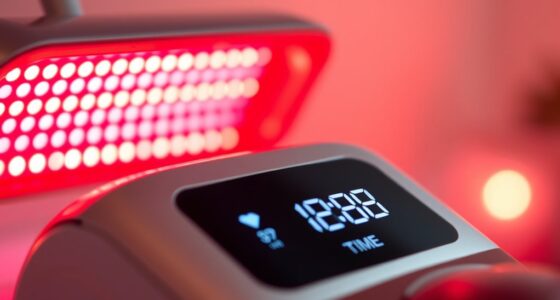
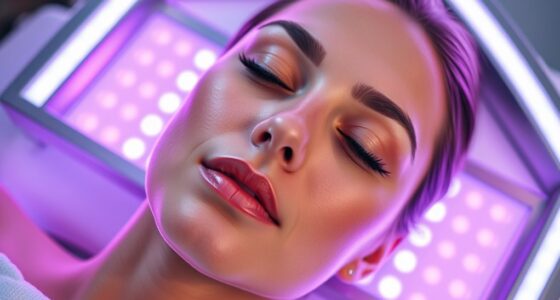
The article describes red light therapy as a non-invasive wellness practice that has become available through portable home devices, in contrast with treatments historically offered in dermatology offices or medical spas. It says red light and near-infrared devices use different wavelength ranges and may be marketed for different depths of tissue. These descriptions explain the guide’s product categories, but do not establish the clinical value of a specific model.
AJ recommends sessions of 15 to 30 minutes, five days per week, with two rest days. That recommendation is attributed to the source’s quoted expert and should not be treated as a universal schedule: device instructions and appropriate exposure can differ. The guide also says users should follow recommended distances and protective-eyewear guidance. It does not supply a full account of the evidence behind its broader benefit claims.
““The biggest misconceptions are that red light therapy delivers instant ‘miracle’ results or works the same for every device regardless of quality, and that more time or power is always better.””
— AJ, founder of RLT Home, as quoted by The Good Trade
Evidence and Product Updates Remain Unclear
The supplied source does not state when the guide was published or last updated, despite its 2027 framing. It also does not provide full device specifications, a consistent comparison of irradiance or treatment coverage, or independent test results for every named product. The effectiveness and safety claims therefore remain difficult to assess across the list.
The source’s table names eight products while the requested headline calls for seven. This article counts the first seven entries and leaves out Mito Red Light, which the guide labels commercial-grade. The material does not explain whether that entry is an extra recommendation or part of the same ranked list. Prices and availability can also change; current listings were not supplied.
Check Current Listings and Instructions
Before buying, readers can compare current manufacturer information for wavelengths, irradiance, coverage, warranty and return terms, and confirm whether the listed price remains accurate. They should follow the specific device’s exposure and eyewear instructions rather than assume the schedule quoted in the guide applies to every product.
Anyone considering light therapy for a health concern should consult a qualified professional, particularly if they have a pre-existing condition or questions about safety. A dated update, clearer product-by-product specifications and independent evidence would help readers evaluate the roundup more fully.
Key Questions
Which seven devices does the guide list?
The seven counted here are RLT Home, HigherDOSE, Hooga Health, Therabody, Vital Red Light, Sun Home Saunas and DNA Vibe. The supplied source also names Mito Red Light as an additional commercial-grade option.
What price range does the source give?
Listed prices for the seven counted devices range from $149 to $1,199. Some entries are marked “and up,” and the source does not provide a publication or price-check date, so current prices may differ.
Does the roundup prove that these devices work?
No. It is a buying guide that describes editorial criteria and includes attributed claims, but the supplied material does not provide comparable independent test results or clinical evidence for each product.
How often does the quoted expert recommend using a device?
AJ recommends 15 to 30 minutes per session, five days per week, with two rest days. This is an attributed recommendation, not a universal schedule; users should follow the instructions for their specific device and seek professional advice when appropriate.
Source: rss