Blue light therapy targets acne-causing bacteria by penetrating the skin’s surface and producing reactive oxygen species that kill these bacteria. It helps reduce inflammation and prevents breakouts, leading to clearer skin without damage or downtime. Safe for most skin types, it’s a non-invasive option backed by clinical evidence. As you continue exploring, you’ll discover how this modern treatment can work effectively for your skin concerns and fit easily into your routine.
Key Takeaways
- Blue light penetrates the skin to target and destroy acne-causing bacteria like Propionibacterium acnes.
- It produces reactive oxygen species that kill bacteria without damaging skin tissue.
- Blue light therapy reduces inflammation and prevents future breakouts, leading to clearer skin.
- Clinical studies support blue light’s safety and effectiveness for treating acne.
- It offers a non-invasive, drug-free alternative suitable for sensitive skin and busy lifestyles.

Blue light therapy has gained popularity as a non-invasive treatment for acne because of its ability to target bacteria that cause breakouts. This form of phototherapy offers several benefits that make it appealing for many people seeking clearer skin. One of the key phototherapy benefits is its ability to reduce acne-causing bacteria, specifically Propionibacterium acnes, without the need for harsh chemicals or antibiotics. When exposed to blue light, these bacteria produce reactive oxygen species that kill them off, helping to diminish inflammation and prevent future breakouts. As a result, you can often see improvements in your skin’s condition over a series of treatments, with many users experiencing clearer skin and fewer blemishes.
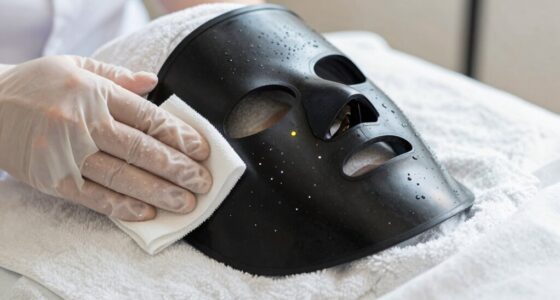
Since blue light therapy is non-invasive, it’s generally considered safe for most skin types. Blue light safety is a significant benefit because it minimizes the risk of side effects common with other acne treatments, such as irritation, dryness, or systemic reactions. During a typical session, you’ll sit comfortably while the blue light penetrates your skin’s surface, targeting the bacteria directly. Unlike some treatments that involve chemicals or lasers, blue light therapy doesn’t damage your skin or require downtime, so you can return to your daily routine right after each session. This ease of use makes it a convenient option for busy individuals who want to manage their acne without disrupting their schedules. Additionally, light-based therapies are supported by clinical research, further validating their effectiveness and safety.
Furthermore, blue light therapy’s safety profile is supported by numerous clinical studies, which show that it’s effective and well-tolerated. It’s especially useful for those with sensitive skin or those who prefer a natural approach to skincare. Although some people might experience mild redness or dryness after treatment, these effects are temporary and usually resolve quickly. Since blue light is a form of phototherapy, it’s important to follow recommended guidelines and consult with a dermatologist to ensure it’s suitable for your skin type.
Frequently Asked Questions
Can Blue Light Therapy Be Used at Home Safely?
Yes, you can use blue light therapy at home safely if you follow proper instructions. Make sure to select a device designed for home use to guarantee safety and effectiveness. Read the user manual carefully, wear protective goggles, and avoid overexposure. When used correctly, home blue light therapy can effectively target bacteria and improve skin conditions without risking your safety. Always consult a dermatologist if you’re unsure.
Does Blue Light Affect Skin Pigmentation or Cause Discoloration?
A stitch in time saves nine, so it’s wise to contemplate blue light’s effects. Blue light can cause pigmentation changes or discoloration in some skin types, especially with prolonged or intense exposure. While generally safe, there are discoloration risks, particularly if you have darker skin tones or sensitive skin. To minimize these risks, follow recommended guidelines and consult a dermatologist before starting blue light therapy at home, ensuring safe and effective use.
How Does Blue Light Compare to Antibiotics for Acne Treatment?
Blue light offers a non-invasive alternative to antibiotics for acne treatment, targeting bacteria without risking antibiotics resistance. While antibiotics focus on bacterial eradication through medication, blue light uses specific wavelengths to kill bacteria directly. This method reduces the chance of resistance buildup, making it a safer, more sustainable option. However, it may work best when combined with other treatments, and individual results can vary.
Are There Any Long-Term Side Effects of Blue Light Exposure?
You might wonder if blue light has long-term side effects. While generally safe, prolonged exposure could lead to potential DNA damage, which might increase your risk of skin aging effects over time. However, current research hasn’t shown significant long-term risks when blue light treatments are used appropriately. It’s wise to discuss concerns with your dermatologist, especially if you plan frequent or extended sessions, to minimize any potential adverse effects.
What Frequency and Duration of Blue Light Treatment Are Most Effective?
You should aim for an essential dosage of blue light treatments, typically around 10-20 minutes per session, depending on the device. Treatment scheduling is vital; most protocols recommend 2-3 sessions per week for several weeks. Consistency helps maximize benefits while minimizing potential side effects. Always follow your dermatologist’s guidance to tailor the frequency and duration to your skin’s needs and guarantee safe, effective results.
Conclusion
Think of blue light like a tiny warrior, shining its glow into your skin to battle bacteria and clear acne. By targeting the root cause, it acts as a powerful ally in your skincare routine. Just as dawn chases away the darkness, blue light helps dispel blemishes and bacteria, revealing healthier skin beneath. Embrace this modern weapon and let your skin shine as bright as a morning sun, free from the shadows of acne.