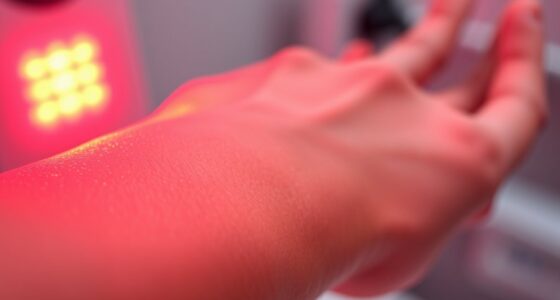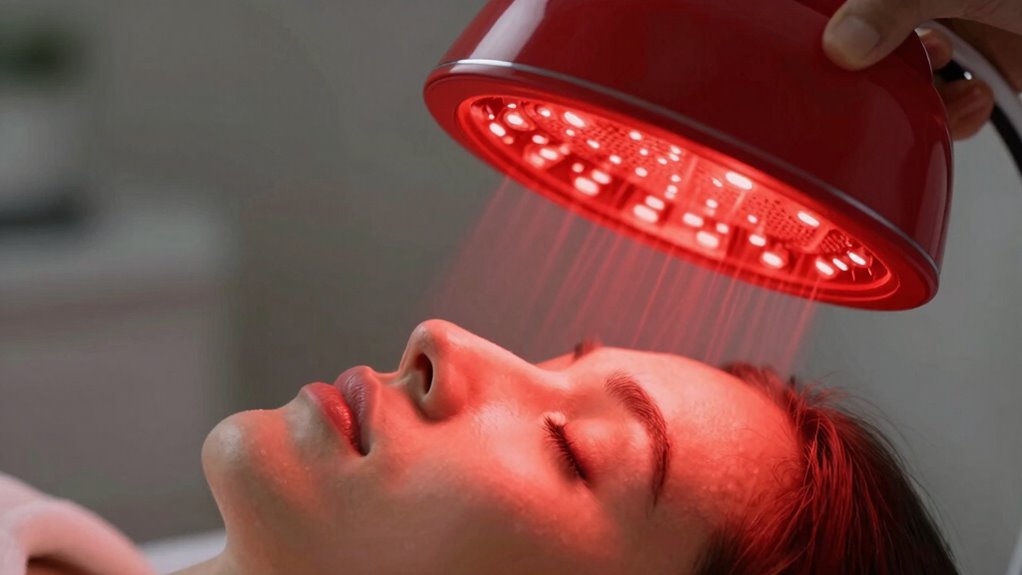

Yes, you can use red light therapy daily, but it’s important to follow safety guidelines and monitor how your skin and body respond. Typically, 3-5 sessions per week of 10-20 minutes are recommended, but individual reactions vary. Overuse can lead to skin irritation or eye strain, so start slowly and adjust based on your experience. Want to discover how to optimize your routine safely? Keep exploring to learn more.
Key Takeaways
- Daily use can be safe if sessions are kept within recommended durations (10-20 minutes) and proper device guidelines are followed.
- Individual responses vary; monitoring skin and energy effects helps determine if daily sessions are appropriate.
- Overuse may cause skin irritation or eye strain; gradual adjustment and proper distance mitigate risks.
- Most experts suggest 3-5 sessions per week for optimal results, but daily use may be suitable for some based on personal response.
- Consistent, moderate use combined with safety precautions maximizes benefits while minimizing potential side effects.

bonodave Red Light Therapy Pad for Body Back Knee Shoulder Hands Feet 660nm 850nm Home Use 3 Chips in 1 Infrared Wrap Belt Gift for Women Men (Corded)
- Corded Red Light Pad: Gentle warmth with energy-efficient pulse mode
- Versatile Usage: Adjustable wrap for any body part or pets
- Advanced 3-in-1 Chip: Contains 660nm red and 850nm infrared lights with 105 beads
As an affiliate, we earn on qualifying purchases.
As an affiliate, we earn on qualifying purchases.
How Does Red Light Therapy Work and What Are Its Benefits?

Red light therapy works by exposing your skin to low-level wavelengths of red or near-infrared light, which penetrate deep into your tissues. This practice has a rich phototherapy history, dating back decades, when scientists discovered how specific light wavelengths could influence cellular functions. These wavelengths, typically between 600-1000 nanometers, stimulate your cells’ mitochondria, encouraging energy production and healing. As a result, you may experience benefits like reduced inflammation, improved skin health, and faster recovery from injuries. The science behind this treatment shows that the right light wavelength can activate biological processes that promote regeneration. Additionally, research indicates that light wavelength selectivity plays a crucial role in targeting specific tissues effectively. Understanding the biological mechanisms behind these wavelengths helps you appreciate why red light therapy has gained popularity. Scientific studies also suggest that optimal treatment protocols can enhance the effectiveness and safety of red light therapy, making it more accessible for various conditions. Whether for pain relief or skin rejuvenation, understanding how these wavelengths work helps you appreciate why red light therapy has gained popularity. Exploring the biological effects of different wavelengths can provide deeper insight into customizing treatments for individual needs.

Viconor Red Light Therapy for Face and Body, Red Infrared Light Therapy Lamp with Stand Led 660nm & 850nm Infrared Light Device for Body
- Number of LEDs: 120 LEDs with red and infrared lights
- Wavelengths: 660nm red and 850nm infrared light
- Therapeutic Benefits: Promotes circulation, metabolism, and cell vitality
As an affiliate, we earn on qualifying purchases.
As an affiliate, we earn on qualifying purchases.
Can You Use Red Light Therapy Every Day? Expert Opinions and Recommendations
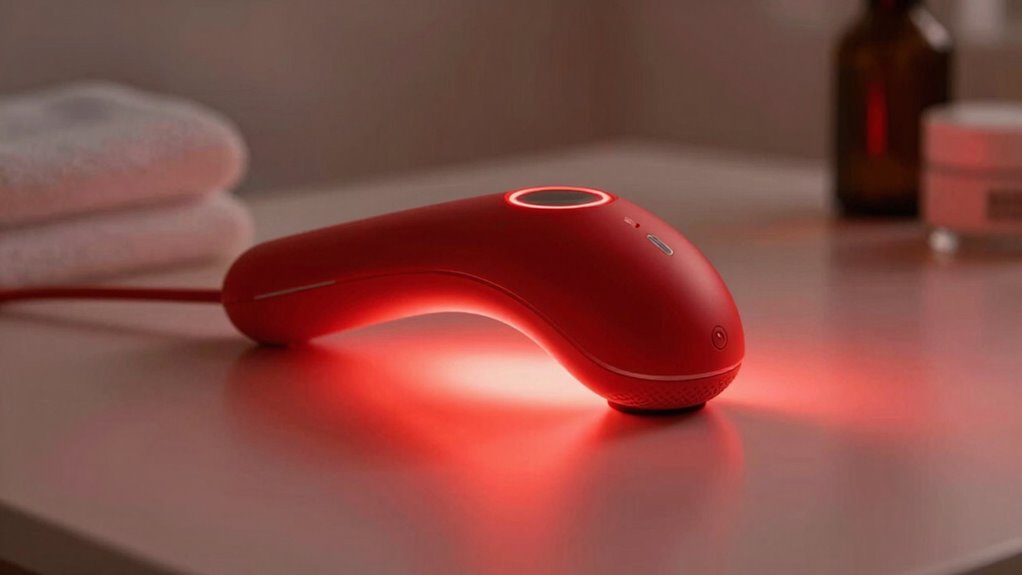
You might wonder if using red light therapy daily is safe and effective. Experts recommend sticking to specific frequency guidelines to avoid overuse, which could lead to diminishing returns or skin irritation. Keep in mind that individual responses vary, so listening to your body is key to finding the right routine. Additionally, understanding the home therapy device specifications can help ensure safe and optimal use. Monitoring your skin response and adjusting your schedule accordingly can further promote safe and effective treatment. To maximize benefits while minimizing risks, staying informed about the treatment frequency recommendations and recommended session durations is essential. Being aware of individual variability can also guide you in customizing your therapy schedule for the best results.
Recommended Frequency Guidelines
Many experts agree that daily red light therapy can be safe and effective when used appropriately, but it’s important to follow recommended guidelines to avoid overexposure. For best results, most practitioners suggest using light therapy devices 3 to 5 times per week, with sessions lasting about 10 to 20 minutes. If you’re exploring alternative therapies, consistency is key, but overdoing it may diminish benefits or cause irritation. Always start with lower frequencies and monitor how your body responds. Some users may benefit from daily sessions, especially for skin or pain issues, but it’s best to consult a healthcare professional for personalized advice. Remember, following manufacturer instructions and expert recommendations guarantees safe, effective use of your light therapy devices. Additionally, understanding safety precautions can help prevent overexposure and potential skin irritation. Establishing a proper routine can further optimize your results and ensure safe application over time. Incorporating regular assessments can help track progress and make necessary adjustments to your therapy schedule. Being mindful of individual response variations can also help tailor the frequency to your specific needs. Moreover, paying attention to potential side effects can aid in adjusting your sessions to maximize benefits while minimizing risks.
Potential Overuse Risks
While daily red light therapy can offer benefits, overusing it may lead to risks such as skin irritation, eye strain, or reduced effectiveness over time. Overuse concerns mainly involve your skin and eyes, which may become sensitive or damaged with excessive exposure. To understand potential risks, consider these points:
- Skin irritation or redness from prolonged exposure
- Increased eye strain if protective measures aren’t used
- Reduced therapy effectiveness due to overstimulation
- Possible disruption of your skin’s natural healing processes
- Ignoring proper cleaning and maintenance practices can also contribute to skin issues from contaminated equipment. Additionally, consistent monitoring of your skin and eye responses can help prevent overexposure and ensure safe use of the therapy. Being aware of these risks helps you avoid overdoing it. Proper application techniques and adherence to recommended durations can significantly minimize potential harm. Moreover, understanding the importance of device calibration can help maintain therapy effectiveness and safety. Incorporating proper safety precautions and staying informed about your skin’s reactions can further reduce risks. While red light therapy is generally safe when used correctly, moderation is key to maximizing benefits without risking harm. Always follow expert guidelines to prevent overuse concerns and skin irritation.
Individual Response Variability
Since individual responses to red light therapy can vary widely, it’s important to recognize that what works well for one person might not produce the same results for another. Your personal variability means response differences are common, so you may notice improvements quickly, slowly, or not at all. Factors like skin type, age, and overall health influence how your body reacts. Some people experience significant benefits with daily use, while others may need a more tailored schedule. Listening to your body’s signals is key. If you notice minimal changes or irritation, adjusting your frequency or duration can help optimize results. Understanding your unique response helps you develop a safe, effective red light therapy routine that aligns with your goals. Additionally, paying attention to individual variability can help you better interpret your results and avoid overuse or underuse. Recognizing personal response variability can also assist in setting realistic expectations and preventing unnecessary frustration. Being aware of tolerance levels can further guide you in finding the optimal balance for your sessions. Moreover, understanding the dose-response relationship can support your efforts to optimize therapy effectiveness while minimizing potential risks.

Hooga Red Light Therapy Panel Device – 660nm Red & 850nm Near Infrared Light Therapy, LED Light Therapy Lamp for Face & Body, 40 LEDs, Timer, Adjustable Stand – HG200
- High-Powered Red and Near Infrared LEDs: 40 LEDs emitting at 660nm and 850nm
- Built-In Timer and Stand: Includes adjustable stand and timer for convenience
- Compact and Portable Design: Measures 9.5” x 6” x 1” for easy use
As an affiliate, we earn on qualifying purchases.
As an affiliate, we earn on qualifying purchases.
What Factors Affect How Often You Should Use Red Light Therapy?
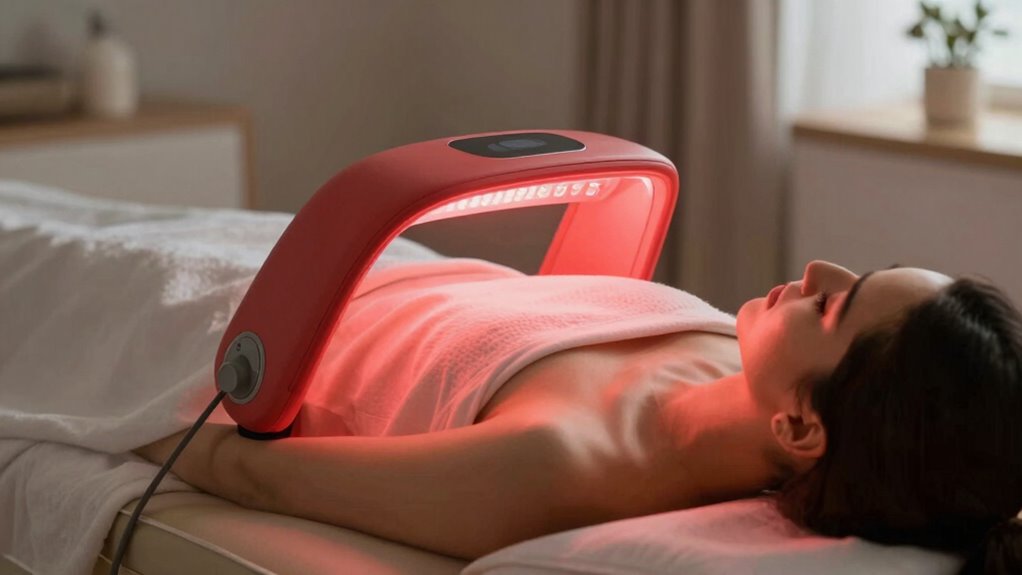
Your skin sensitivity and your specific goals play a big role in how often you should use red light therapy. If your skin reacts easily, you might need to start with less frequent sessions, while targeting certain issues could require more frequent treatments. Understanding these factors helps you create a safe and effective routine.
Skin Sensitivity Levels
Skin sensitivity levels play a significant role in determining how often you should use red light therapy. If your skin is more sensitive, you’re more prone to skin irritation or allergic reactions, especially with frequent or intense sessions. To gauge your sensitivity, consider these factors:
- Your skin’s history with other skincare treatments or products
- Presence of existing skin conditions like eczema or rosacea
- Skin reactions after initial red light therapy sessions
- The intensity and duration of each treatment session
If you notice skin irritation or allergic reactions, reduce the frequency or intensity. Monitoring your skin’s response helps prevent adverse effects and ensures safe, effective use. Adjustments based on your sensitivity are key to avoiding complications.
Treatment Goals and Frequency
Your treatment goals substantially influence how often you should use red light therapy. If you’re aiming for skin rejuvenation or pain relief, you might opt for more frequent sessions, often daily or several times a week. Conversely, for general wellness or supplementary care, less frequent use may suffice. Your goals help tailor a treatment schedule that fits your needs, emphasizing treatment customization. While some turn to alternative therapies alongside red light therapy, combining approaches can affect frequency recommendations. It’s crucial to align sessions with your desired outcomes and monitor how your body responds. Consulting a healthcare professional can help refine your routine, ensuring safe and effective results. Ultimately, your unique goals and response determine the ideal frequency, rather than a one-size-fits-all approach.

wavytalk Red Light Therapy Mask for Face, Glow Time LED Face Mask, NIR
- Clinically Proven Results in 28 Days: Reduces breakouts, fine lines, boosts radiance
- 3-in-1 Light Therapy Modes: Targets wrinkles, acne, dull skin
- Medical-Grade Power & Coverage: 456 LEDs, full-face, even treatment
As an affiliate, we earn on qualifying purchases.
As an affiliate, we earn on qualifying purchases.
How to Tell If You’re Using Red Light Therapy Too Much?
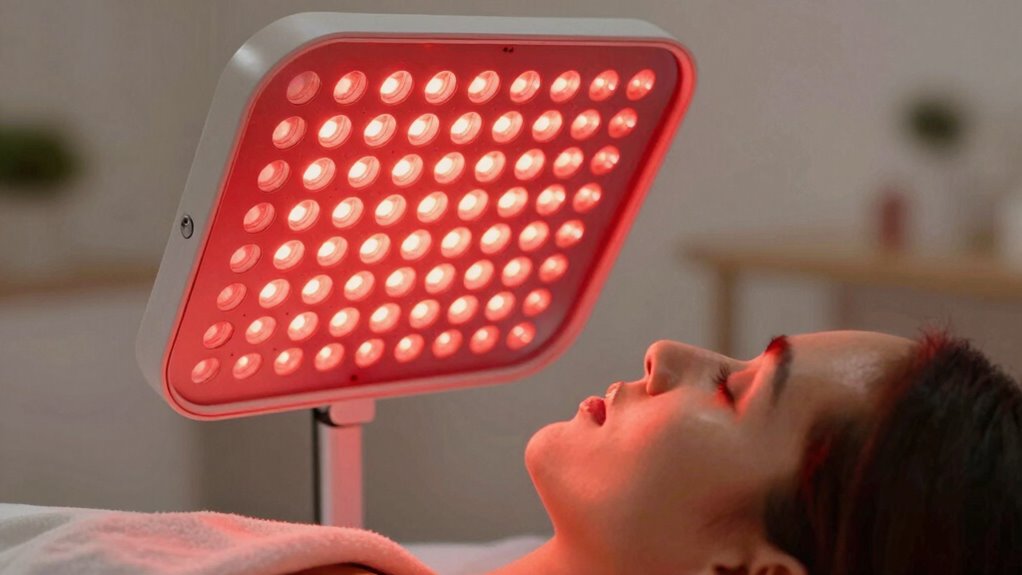
While red light therapy can offer significant health benefits, overdoing it can lead to negative effects. If you notice any of these signs, you might be using excessive exposure:
- Persistent skin irritation or redness that doesn’t fade
- Increased sensitivity or burning sensation after sessions
- Unusual fatigue or headaches following treatments
- No improvement or worsening of skin or condition over time
These symptoms indicate you’re likely overusing the therapy, risking skin irritation and diminishing returns. Pay attention to your body’s responses and adjust your routine accordingly. Remember, more isn’t always better. Proper moderation guarantees you get the benefits without the downsides of excessive exposure.
How to Create a Safe and Effective Red Light Therapy Routine

Creating a safe and effective red light therapy routine involves setting clear guidelines for exposure time, frequency, and distance from the device. Always follow safety precautions to prevent overexposure, which can cause skin irritation or eye strain. Start with shorter sessions, around 10-15 minutes, and gradually increase as your body adjusts. Maintain a proper distance—usually 6 to 18 inches—based on the device’s instructions. Incorporate alternative therapies, like topical treatments or gentle stretching, to complement your routine safely. Avoid overdoing sessions to minimize risks. Regularly check for skin reactions or discomfort. Remember, consistency matters more than intensity. By adhering to these guidelines, you’ll maximize benefits while keeping your routine safe and effective.
Tips to Maximize Benefits and Avoid Common Mistakes

To maximize the benefits of red light therapy and avoid common mistakes, maintaining consistency with your routine and paying attention to your body’s responses is vital. Follow these tips:
- Stick to a regular schedule to build a habit and enhance results.
- Monitor how your skin and energy levels respond after each session to prevent overuse.
- Prioritize light therapy safety by using devices according to manufacturer instructions.
- Regularly clean and inspect your device to guarantee proper device maintenance and peak performance.
Frequently Asked Questions
Are There Any Long-Term Side Effects of Daily Red Light Therapy?
There are no known long-term side effects of daily red light therapy when used correctly, but long-term safety isn’t fully established. You should monitor for any side effects like skin irritation or eye discomfort. Regular side effect monitoring helps guarantee safe use over time. If you notice persistent issues, it’s best to consult a healthcare professional. Overall, red light therapy appears safe with proper guidance and moderation.
Can Red Light Therapy Be Safely Combined With Other Treatments?
You can safely combine red light therapy with other treatments, but it’s essential to account for combination safety and treatment compatibility. Studies show that over 80% of users find red light therapy complements various therapies, enhancing healing. Always consult your healthcare provider before integrating red light therapy into your regimen, especially if you’re combining it with medications or other treatments, to ensure safety and maximize benefits.
How Quickly Can I Expect to See Results With Daily Use?
You might start noticing visible improvements within a few days to a couple of weeks with daily red light therapy, but timing expectations vary based on your goals. Consistent use can enhance skin health, reduce inflammation, or boost recovery, depending on your focus. Stay patient and keep track of your progress, as individual responses differ. Generally, regular sessions lead to more noticeable results over time.
Is Red Light Therapy Effective for All Skin Types and Conditions?
Red light therapy is generally effective across various skin types and conditions, like a versatile tool in your skincare kit. Your skin compatibility matters, so results may vary. For instance, someone with sensitive skin tailored their treatment, and it worked wonders. Customizing treatments ensures you target specific issues and avoid irritation. Always consult a professional to personalize your approach, guaranteeing safe, effective use regardless of your skin type.
What Should I Do if I Experience Skin Irritation or Discomfort?
If you experience skin irritation or discomfort during red light therapy, stop using it immediately. You should gently cleanse the area with cool water and apply a soothing moisturizer to help manage irritation. If discomfort persists, consider reducing the frequency or intensity of treatments. Always consult a healthcare professional if skin irritation worsens or doesn’t improve, to ensure proper discomfort management and prevent further issues.
Conclusion
By listening to your body, monitoring your skin, and following expert advice, you can find the right balance. Consistency becomes your ally, patience your guide, and safety your priority. With each session, you nurture your skin, boost your well-being, and restore your confidence. Remember, moderation is the key—embrace the rhythm that works for you, and let red light therapy illuminate your path to health, robustness, and a brighter, more energized you.