Yes, you can use retinol and LED therapy on the same night, but it’s best to plan carefully. Using LED therapy before applying retinol can reduce the risk of irritation, especially if you have sensitive skin. You should start with one treatment first and monitor how your skin responds. Proper timing and gentle products are key to avoiding redness and dryness. Keep exploring for more tips on safely combining these treatments for maximum skin results.

Get wellness gear delivered free with Prime
- Fast, free delivery on millions of items
- Prime Video, Amazon Music and more included
- Member-only deals all year
Key Takeaways
- Combining retinol and LED therapy is generally safe if properly timed and monitored for skin sensitivity.
- Performing LED therapy before applying retinol reduces the risk of irritation.
- Use retinol at night with a hydrating moisturizer to minimize dryness and redness.
- Sensitive skin may benefit from alternating treatments rather than using both in one night.
- Always observe your skin’s response and adjust routine to prevent adverse reactions.
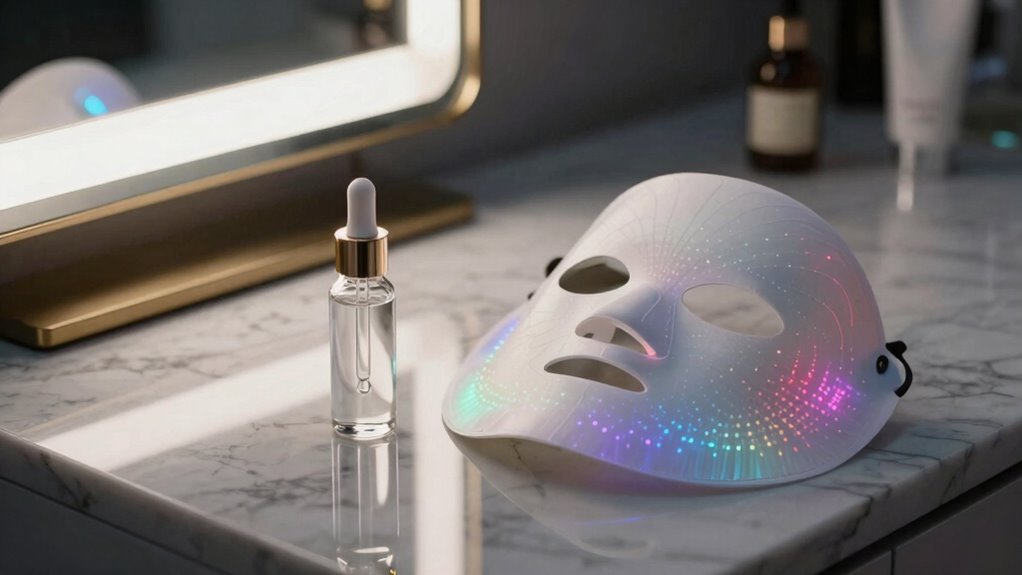
Are you wondering if you can safely use retinol and LED therapy on the same night? It’s a common question, especially if you’re trying to maximize your skincare routine without risking irritation. The short answer is that combining these treatments isn’t inherently dangerous, but you need to evaluate ingredient safety and skin sensitivity. Both retinol and LED therapy target skin renewal, but they work differently and can sometimes cause issues if not used properly.
Retinol is a potent ingredient known for its ability to accelerate cell turnover and improve skin texture. However, it can also cause dryness, redness, and irritation, especially for those with sensitive skin. When used incorrectly or in combination with other treatments, retinol’s ingredient safety can be compromised, leading to increased skin sensitivity. LED therapy, on the other hand, uses specific wavelengths of light to stimulate collagen production and reduce inflammation. It’s generally safe and gentle, but it can still cause some temporary redness or sensitivity, particularly if your skin is already compromised.
If you’re contemplating using retinol and LED therapy on the same night, it’s essential to evaluate your skin’s response to each. For those with sensitive skin or a history of reactions, it’s better to alternate nights or use treatments at different times of the day. Applying retinol first might make your skin more vulnerable to the effects of LED therapy, or vice versa, especially if your skin is already irritated. Always pay attention to how your skin reacts and adjust accordingly.
To minimize risks, consider the timing of each treatment. Many skincare experts recommend using retinol in your nighttime routine, followed by a gentle, hydrating moisturizer. LED therapy can be performed either before or after retinol, but it’s usually safer to do it before applying retinol to avoid potential irritation. If you want to use both treatments in one night, start with LED therapy, give your skin time to relax, and then apply retinol carefully. Additionally, understanding the ingredient safety of your skincare products can help prevent adverse reactions. Knowing your skin’s sensitivity can also guide you in creating a safe and effective skincare routine that incorporates both treatments. Being aware of skin response can help you adapt your routine and avoid unnecessary irritation. Incorporating proper skincare practices can further help in maintaining skin health while using these potent therapies.
Products Worth Considering

Garmin Forerunner 265S 42 mm GPS Running Watch, Light Pink and Powder Gray

Therabody Theragun Relief Massage Gun

Therabody TheraFace Mask Glo Cordless LED Skincare Mask
As an affiliate, we earn on qualifying purchases.
Frequently Asked Questions
Does Using Both Retinol and LED Improve Skin Faster?
Using both retinol and LED treatments can improve your skin faster if incorporated correctly into your skincare routines. Retinol boosts cell turnover, while LED therapy stimulates collagen production. However, you need to guarantee product compatibility and avoid over-irritation. It’s best to alternate or space out these treatments and consult a dermatologist to create a safe, effective routine that maximizes benefits without causing harm.
Are There Any Side Effects Combining Retinol With LED Therapy?
Using retinol with LED therapy usually doesn’t cause serious side effects, but it can lead to retinol irritation and increased LED skin sensitivity. This combination might make your skin more prone to redness, dryness, or discomfort. To minimize risks, start with lower retinol concentrations and use gentle LED settings. Always patch test first, and consult a dermatologist if you notice persistent irritation or discomfort.
Can Retinol Increase Photosensitivity During LED Treatments?
Yes, retinol can increase photosensitivity during LED treatments, raising your photosensitivity risk. This means your skin becomes more sensitive to light, which can lead to skin irritation or even sun damage if you’re not careful. To minimize these risks, it’s best to avoid direct sun exposure after applying retinol and consider scheduling LED sessions on nights when you’re not using retinol. Always consult your dermatologist for personalized advice.
What’s the Best Order to Apply Retinol and Use LED?
Imagine your skin as a canvas, ready for treatment. To maximize retinol absorption and LED penetration, apply retinol first, allowing it to sink in deeply. Wait 15-20 minutes so your skin absorbs it fully. Then, use the LED device to enhance collagen production and skin rejuvenation. This order guarantees your skin benefits from both treatments without interference, giving you the best results.
How Often Should I Use Retinol and LED Together?
You can use retinol and LED therapy together a few times a week, but consider your skin’s sensitivity. Start with retinol on nights you don’t use LED to minimize irritation, especially if your skin is sensitive. Always check product compatibility and listen to your skin’s response. If irritation occurs, space out their use or consult a dermatologist. This approach helps maximize benefits while reducing potential adverse effects.
Conclusion
So, next time you’re pampering yourself and wonder if retinol and LED therapy can be combined, remember that sometimes, the best skincare secrets happen when you least expect it. Coincidentally, many find that alternating nights or carefully spacing out treatments gives their skin the boost it needs without irritation. Trust your skin’s natural rhythm and experiment gently—you might just discover the perfect balance that keeps your glow radiant and healthy.