Red light therapy helps you recover faster and reduce soreness by stimulating cellular activity and boosting tissue health. It improves circulation, delivering more nutrients and oxygen to your muscles, which accelerates repair. Regular sessions can strengthen tissues, making them more resilient to injury and overuse. Plus, it enhances collagen production, supporting joint health and skin elasticity. Stay tuned to learn how this innovative therapy can become a key part of your recovery routine.
Key Takeaways
- Accelerates muscle repair by stimulating cellular activity and increasing cellular energy through infrared wavelengths.
- Reduces post-workout soreness and inflammation, enabling quicker recovery and less downtime.
- Enhances circulation and nutrient delivery, supporting tissue health and resilience against injuries.
- Promotes collagen production, improving joint health and tissue elasticity for sustained athletic performance.
- Boosts energy levels and mental focus, helping athletes train consistently and maintain optimal physical condition.

Red light therapy has gained popularity among athletes as a natural way to enhance recovery and improve performance. By exposing your body to specific infrared wavelengths, this therapy taps into the body’s natural healing processes, promoting faster muscle repair and reducing soreness. When you use red light therapy, you’re fundamentally encouraging cellular activity, which can help your muscles recover more efficiently after intense workouts or competitions.
Red light therapy accelerates muscle recovery and reduces soreness naturally.
One of the key benefits of red light therapy is its ability to support injury prevention. When your tissues are exposed to the right infrared wavelengths, it boosts circulation and stimulates mitochondrial activity within your cells. This increased cellular energy helps maintain the health of your muscles, tendons, and ligaments, making them more resilient to strain and injury. Instead of waiting for injuries to occur, you can incorporate red light therapy into your routine to strengthen your tissues and reduce your risk of strains, tears, or overuse injuries.
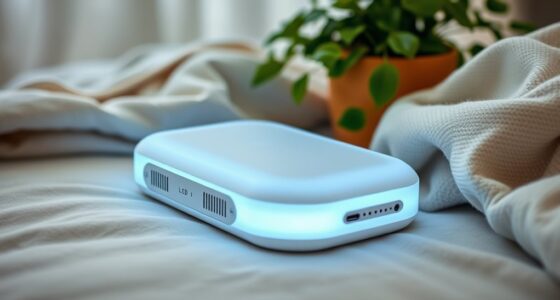
Using this therapy is straightforward and non-invasive. You simply stand or sit under a device that emits the targeted infrared wavelengths, allowing the light to penetrate deep into your tissues. The process is painless and requires only a few minutes per session, making it easy to fit into your busy training schedule. Regular use can lead to cumulative benefits, such as improved blood flow, reduced inflammation, and faster tissue repair—all vital for maintaining peak performance and avoiding setbacks.
Furthermore, infrared wavelengths used in red light therapy have a distinctive ability to stimulate collagen production, which benefits joint health and skin elasticity. As your tissues become healthier and more resilient, you’re less likely to experience micro-tears and inflammation that can sideline you from training. This proactive approach to injury prevention not only keeps you active but also helps you stay consistent with your training regimen.
In addition to physical advantages, red light therapy can also improve your mental focus and reduce fatigue. When your muscles recover quickly and tissues stay healthy, you tend to feel more energized and motivated. The therapy’s ability to enhance cellular function means you’re better equipped to handle the physical demands of your sport or training, ultimately leading to better performance and longevity.
Frequently Asked Questions
How Soon Can Athletes Expect to See Recovery Improvements?
You can typically expect to see recovery improvements within a few sessions of red light therapy, though timing expectations vary depending on individual factors and the severity of your muscle strain. Most athletes notice positive changes in their recovery timeline after about one to three weeks of consistent use. Keep in mind, regular sessions are key to optimizing benefits and speeding up your muscle recovery process.
Are There Any Side Effects of Red Light Therapy?
You might experience some potential skin irritation if you use red light therapy improperly, but serious side effects are rare. To guarantee safety, follow eye safety precautions, like wearing protective goggles, to prevent eye strain or damage. Most users find red light therapy safe when used as directed, with minimal risks. If you notice discomfort or irritation, stop treatment and consult a healthcare professional for guidance.
Can Red Light Therapy Replace Traditional Recovery Methods?
Red light therapy can supplement traditional recovery methods but shouldn’t fully replace them. As an alternative therapy, it accelerates recovery speed by reducing inflammation and soreness. You might find it effective alongside rest, proper nutrition, and physical therapy. While it offers notable benefits, combining red light therapy with established recovery strategies maximizes results, ensuring you recover efficiently without overlooking essential practices.
How Often Should Athletes Undergo Red Light Therapy Sessions?
Imagine the gentle glow of red light wrapping around your muscles like a warm hug. For ideal recovery, you should typically undergo red light therapy sessions 3 to 5 times a week. Each session usually lasts about 10 to 20 minutes, depending on your specific needs. Consistency is key, so sticking to this schedule helps maximize muscle repair and boosts your athletic performance.
Is Red Light Therapy Safe for All Sports Disciplines?
Red light therapy is generally safe for most sports disciplines, but you should consider light therapy safety and sports discipline suitability before starting. It’s non-invasive and has minimal side effects, making it suitable for various athletes. However, consult with a healthcare professional to guarantee it matches your specific sport and individual health needs. Always follow recommended guidelines to maximize benefits and ensure safe application across different sports disciplines.
Conclusion
Incorporate red light recovery routines to boost your body’s brilliance and bounce back faster. By embracing this beneficial boost, you’ll build better stamina, strengthen your strength, and stay steadfast in your sports pursuits. Red light therapy isn’t just a simple solution; it’s a strategic step toward superior performance and speedy recovery. So, seize the chance to strengthen, restore, and rejuvenate—making every match and workout more memorable and manageable. Your journey to peak performance begins with this powerful, promising practice.