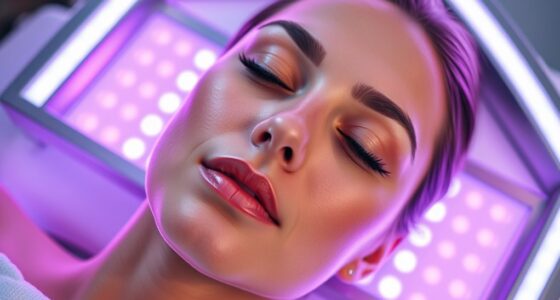
Choosing between red light and near-infrared depends on your goals. Red light, with a wavelength of 620-750nm, targets surface skin, helping to boost collagen and reduce wrinkles quickly. Near-infrared, around 750-1100nm, penetrates deeper, promoting healing in muscles and joints. Each wavelength benefits different tissues, and combining both can maximize results. If you want to reveal more about which option suits you best, there’s plenty more to discover below.
Key Takeaways
- Red light (~620-750nm) primarily treats surface skin issues like wrinkles and fine lines, promoting superficial rejuvenation.
- Near-infrared (~750-1100nm) penetrates deeper to target muscles, joints, and internal tissues for pain relief and tissue repair.
- Wavelength selection depends on treatment goals: surface skin benefits favor red light, while deep tissue healing favors near-infrared.
- Combining both wavelengths offers comprehensive therapy, addressing surface and deep tissues simultaneously for enhanced results.
- Wavelength specificity maximizes biological effects: red light stimulates collagen, near-infrared boosts cellular energy and inflammation reduction.
What Is Light Therapy? Red vs. Near-Infrared: What’s the Difference?
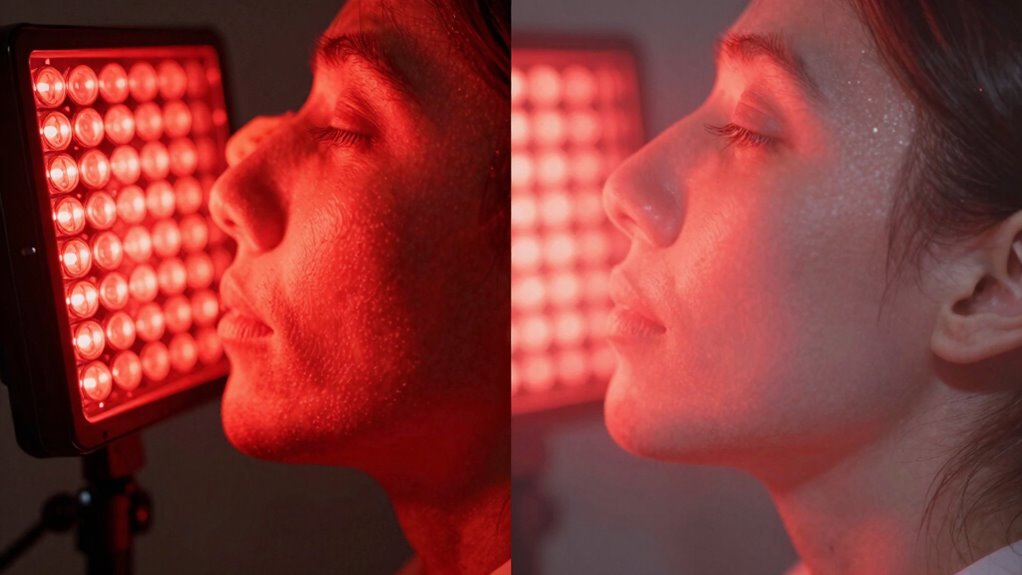
Light therapy uses specific wavelengths of light to promote healing, reduce inflammation, and improve overall well-being. This technique is rooted in photobiomodulation science, which explores how light interacts with cells to trigger beneficial biological responses. When comparing wavelengths, red light generally ranges from 620 to 750 nanometers, while near-infrared spans approximately 750 to 1,100 nanometers. The wavelength comparison reveals that near-infrared can penetrate deeper into tissues, making it ideal for targeting muscles and joints. Depth of tissue penetration varies between these wavelengths, influencing their specific applications. Additionally, understanding the biological effects of different wavelengths can help optimize treatment outcomes. Red light, with its shorter wavelength, mainly affects surface layers like skin. Understanding these differences helps you choose the right therapy for your needs, whether focusing on skin health or deeper tissue healing. Both wavelengths harness the power of photobiomodulation to support your health goals effectively.
How Red Light Supports Skin Rejuvenation and Healing
Have you ever wondered how red light therapy can enhance your skin’s appearance and promote healing? When you use red light, it penetrates your skin deeply, stimulating cellular activity. This boosts collagen synthesis, which is essential for maintaining skin elasticity and reducing wrinkles. As collagen production increases, your skin becomes firmer, more supple, and better able to repair itself. Additionally, red light therapy encourages photobiomodulation, a process that enhances cellular energy production and accelerates tissue repair. Red light also helps reduce inflammation and promotes circulation, accelerating healing of wounds, scars, and other skin conditions. By supporting cell regeneration and restoring your skin’s natural balance, red light therapy offers a non-invasive way to rejuvenate your appearance. Additionally, incorporating Vetted – Nightingale Studio into your daily routine can further support your skin health and overall well-being. Regular sessions can lead to smoother, healthier-looking skin, giving you a more youthful and revitalized look over time.
What Is Near-Infrared Light and How Does It Boost Wellness?
Near-infrared light penetrates deeper into your tissues, reaching muscles and joints to promote healing. It helps boost your cellular energy, supporting overall wellness and recovery. By activating natural healing processes, it can enhance your body’s ability to repair itself more effectively. Additionally, understanding indoor air quality can help optimize your environment for better health and recovery. Monitoring air quality levels can ensure that your surroundings support optimal wellness and healing, especially as environmental factors influence overall well-being. Recognizing the importance of air quality monitoring can further improve your health outcomes by maintaining a cleaner, healthier environment. Incorporating proper cabling solutions into your wellness setup can also help ensure your devices function reliably and safely.
Deep Tissue Penetration
Because of its unique ability to penetrate deep into tissues, near-infrared light can target areas that red light alone often can’t reach. This deep tissue penetration is vital for activating photoreceptors located beneath the skin’s surface, which helps initiate cellular responses. Wavelength specificity plays an essential role here, as near-infrared wavelengths (around 700-1100 nm) are optimized for penetrating layers of tissue without scattering or absorption. This allows you to directly influence structures like muscles, joints, and even internal organs. Additionally, the tissue penetration depth of near-infrared light enables more comprehensive therapy, reaching areas that are otherwise difficult to treat with superficial red light. The wavelengths used in near-infrared therapy are carefully selected to maximize tissue absorption and minimize reflection, enhancing treatment efficacy. By reaching these deeper areas, near-infrared light enhances overall wellness, supporting healing processes that red light’s more superficial reach can’t achieve. Furthermore, understanding the interaction between light and tissue helps optimize therapy parameters for better outcomes. Incorporating light therapy techniques that utilize near-infrared wavelengths can significantly improve targeted treatment results. The result is a more thorough approach to managing inflammation, pain, and tissue repair. Wavelength specificity is crucial for achieving targeted tissue effects and optimizing therapeutic outcomes.
Cellular Energy Boost
Near-infrared light enhances cellular energy production by stimulating the mitochondria, the powerhouses of your cells. This process is key to photobiomodulation therapy, which uses specific wavelengths to trigger beneficial biological responses. Wavelength specificity is essential because near-infrared light penetrates deeper into tissues, directly energizing mitochondria and boosting ATP production—the energy your cells need to function most effectively. When your cells generate more ATP, you experience improved cellular function, faster healing, and increased vitality. Unlike other wavelengths, near-infrared’s ability to reach deeper tissues makes it especially effective for enhancing cellular energy. Additionally, Wavelength specificity ensures targeted therapy that maximizes biological benefits without unnecessary exposure. This targeted approach is crucial for delivering precise energy transfer where it is needed most. By harnessing this targeted light therapy, you can support your body’s natural wellness processes at a cellular level, promoting overall health and resilience. Embrace Calm and Clarity With Stoic Wisdom
Natural Healing Activation
Building on how near-infrared light boosts cellular energy, it also activates your body’s natural healing processes. This is thanks to wavelength specificity, which allows near-infrared to penetrate deeper tissues effectively. In phototherapy applications, this wavelength targets damaged cells, prompting your body to repair and regenerate naturally. Near-infrared light stimulates increased blood flow, reduces inflammation, and accelerates tissue repair, making it a powerful tool for healing. By triggering cellular responses, it enhances your body’s ability to recover from injuries and chronic conditions. This natural activation of healing processes makes near-infrared an essential component of wellness routines, supporting your body’s innate ability to heal itself without invasive procedures. Its targeted effects open healing potential at a cellular level, elevating your overall wellness. Additionally, wavelength specificity ensures that the light interacts precisely with cellular components, maximizing healing efficiency. Furthermore, advances in phototherapy technology have improved the safety and effectiveness of near-infrared treatments for various health conditions. Emerging research also suggests that near-infrared can influence cell signaling pathways, further enhancing its therapeutic benefits.
Red or Near-Infrared: Which Is Better for Anti-Aging?
When choosing between red and near-infrared light for anti-aging, you should consider how deeply each penetrates your skin and tissues. Their cellular responses also vary, influencing how effectively they promote skin renewal and reduce wrinkles. Understanding these differences can help you decide which type offers the best anti-aging benefits for you.
Penetration Depth Differences
Understanding penetration depth is essential when choosing between red and near-infrared light for anti-aging treatments. Red light, with its shorter wavelength, primarily targets surface layers of your skin, offering limited skin absorption and a more superficial effect. In contrast, near-infrared light, with its longer wavelength, penetrates deeper into tissues, reaching underlying layers vital for collagen production and skin rejuvenation. Wavelength specificity determines how far each type of light can travel; near-infrared’s greater penetration makes it more effective for stimulating deeper skin structures. If your goal is to address surface aging signs, red light’s shallower penetration might suffice. However, for extensive anti-aging benefits, near-infrared’s ability to reach deeper tissues often provides superior results.
Cellular Response Variations
While deeper penetration allows near-infrared light to target foundational skin structures, the cellular responses it triggers are also key to its effectiveness. Near-infrared wavelengths influence cellular processes through photobiomodulation research, activating mitochondria and boosting energy production. Red light, with shorter wavelengths, primarily stimulates superficial cells, promoting collagen synthesis and reducing inflammation. These distinct responses depend on wavelength optimization, which tailors treatments for specific outcomes.
| Wavelength | Cellular Response | Target Area |
|---|---|---|
| Red light (~630-670nm) | Collagen production, anti-inflammatory | Superficial skin cells |
| Near-infrared (~800-900nm) | Mitochondrial activation, ATP increase | Deeper skin structures |
| Both | Enhanced cellular repair | Overall skin health |
Anti-Aging Effectiveness
Choosing between red and near-infrared light for anti-aging depends on your skin’s specific needs and goals. Red light is highly effective at boosting collagen production, which improves skin elasticity and reduces fine lines. It penetrates shallow layers, promoting surface-level renewal and a more youthful appearance. Near-infrared light penetrates deeper, stimulating cellular activity in the dermis and supporting long-term skin health. If your primary goal is to tighten skin and enhance elasticity quickly, red light may be better. For all-encompassing anti-aging benefits, including deeper tissue revitalization, near-infrared can be more effective. Both wavelengths help combat signs of aging, but the choice hinges on whether you want immediate surface improvements or deeper, sustained results. Tailoring your treatment to your skin’s specific needs maximizes anti-aging effectiveness.
How Near-Infrared Helps Deep Tissue Repair and Pain Relief
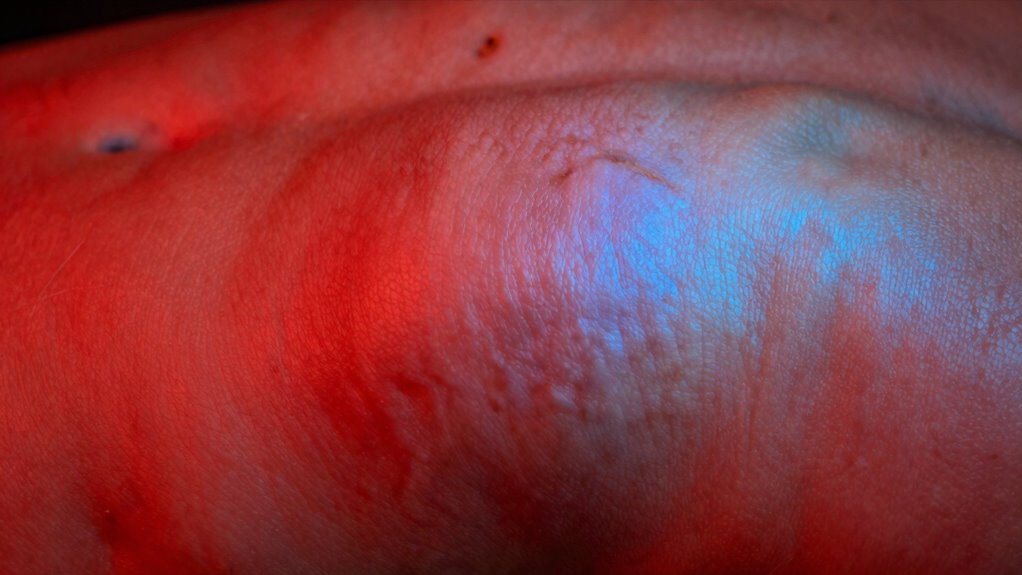
Near-infrared light penetrates deeper into tissues than red light, making it highly effective for promoting healing and reducing pain. This deep tissue penetration enhances photobiomodulation benefits by stimulating cellular function beyond surface layers. Wavelength specificity is key here, as near-infrared wavelengths target mitochondria, boosting energy production and accelerating tissue repair. This process reduces inflammation, alleviates chronic pain, and speeds recovery from injuries. By reaching deeper structures such as muscles, joints, and even bones, near-infrared therapy offers a powerful tool for long-lasting relief and regeneration. Its ability to activate cellular processes at a profound level makes it particularly effective for conditions resistant to superficial treatments. If deep tissue healing and pain relief are your goals, near-infrared light provides a scientifically supported solution.
How to Choose the Best Light Therapy Wavelength for Your Goals
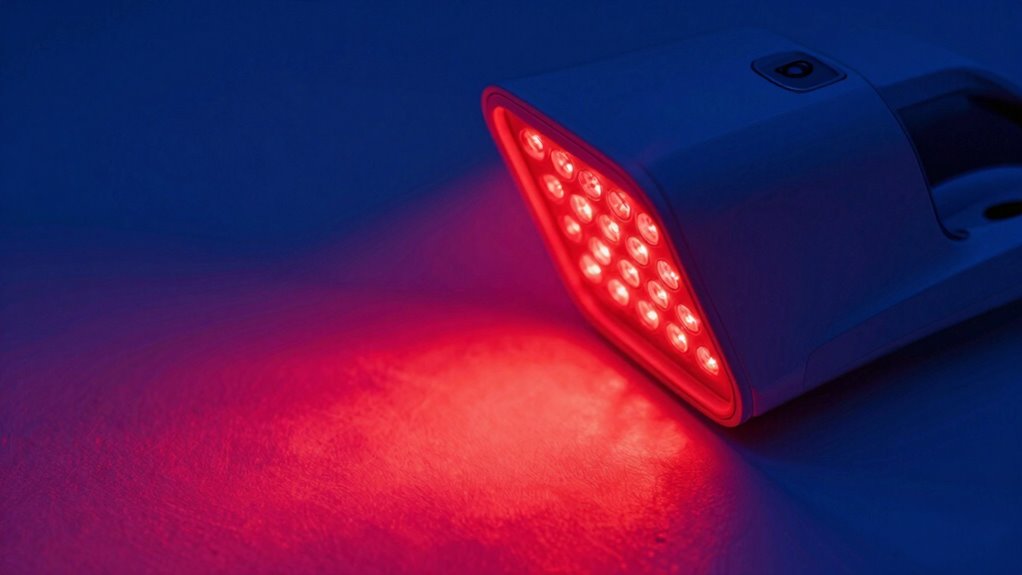
Selecting the right light therapy wavelength depends on your specific goals, as different wavelengths target different tissues and cellular processes. For skin rejuvenation or surface-level healing, shorter wavelengths like red light are effective because they penetrate shallow layers. If deep tissue repair or pain relief is your aim, near-infrared wavelengths are more suitable due to their deeper penetration. Wavelength selection is vital for therapy customization—matching the light’s properties to your desired outcome. Consider your primary focus, whether it’s skin health, inflammation reduction, or deep tissue healing, and choose a wavelength accordingly. Proper therapy customization ensures you maximize benefits, avoid unnecessary exposure, and achieve ideal results tailored to your individual needs.
Is Combining Red and Near-Infrared More Effective?
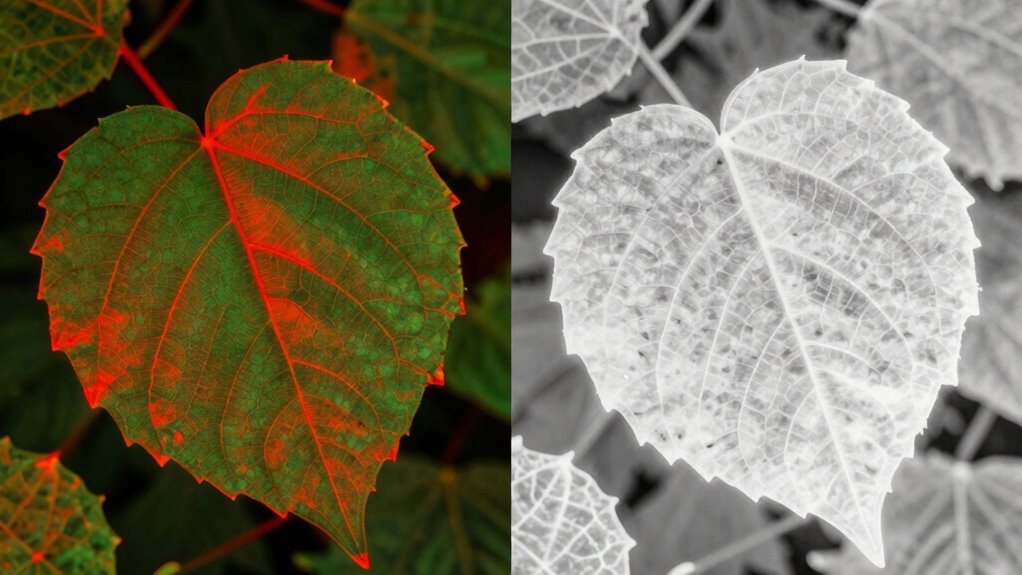
Combining red and near-infrared light can enhance the effectiveness of therapy by targeting multiple tissue depths simultaneously. This approach allows you to address surface skin issues and deeper tissues at once. When considering this combo, keep these points in mind:
Using both red and near-infrared light targets surface and deep tissues for more effective therapy.
- It can improve overall results by covering more tissue layers.
- Confirm your device safety features are up to date to prevent overexposure.
- Follow established therapy protocols to optimize benefits.
- Combining wavelengths may require adjustments in duration or intensity for safety and effectiveness.
Tips for Safe and Effective Use of Light Therapy Devices
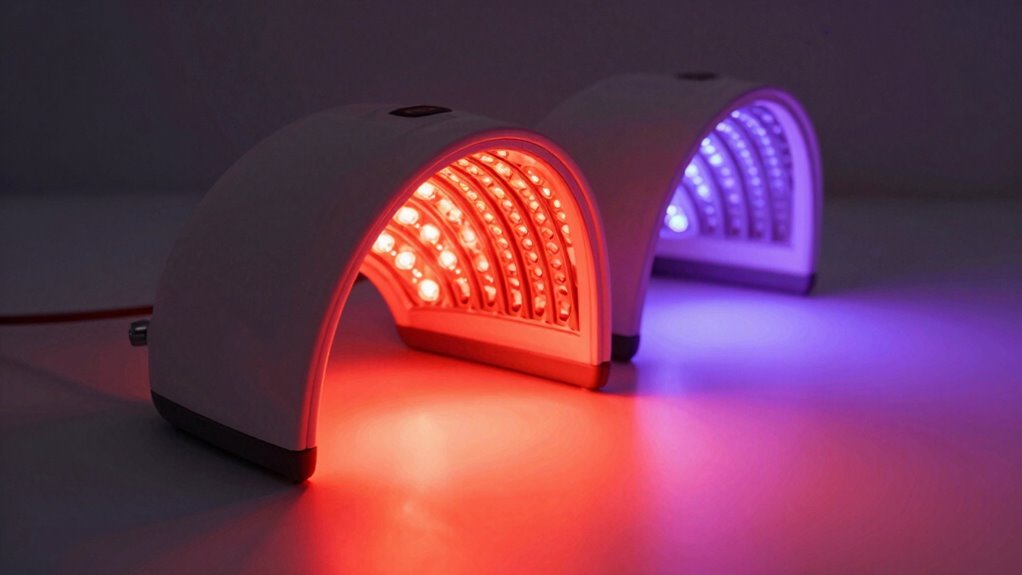
To guarantee safe and effective use of light therapy devices, it’s crucial to follow proper guidelines and manufacturer instructions. Always read the user manual carefully to understand device safety precautions and recommended treatment protocols. Start with the lowest effective dose and gradually increase based on your response. Protect your eyes by wearing appropriate goggles if advised, and avoid direct exposure to the eyes during treatment. Keep the device at the correct distance from your skin, as specified in the instructions, to ensure proper light delivery. Consistency is key—use the device regularly but avoid overuse, which can lead to skin irritation or other side effects. Tracking your progress helps adjust treatment protocols for ideal results, keeping safety and effectiveness at the forefront.
Frequently Asked Questions
Can Red or Near-Infrared Light Therapy Help With Hair Growth?
Yes, red and near-infrared light therapy can help with hair regrowth by stimulating your scalp. These wavelengths penetrate your skin, promoting scalp stimulation and encouraging hair follicles to activate. Regular use may improve blood flow, boost cell repair, and support healthier hair growth. You’ll likely notice stronger, thicker hair over time as this therapy enhances your scalp’s environment for hair regrowth.
How Long Does It Take to See Results From Light Therapy Treatments?
You can typically see visible improvements from light therapy treatments within 8 to 12 weeks, but it varies based on treatment duration and individual response. Consistency is key, so follow your recommended schedule. Many people notice initial signs of hair growth or enhanced scalp health around this time, but full results may take several months. Stay patient and committed to your treatment plan for the best outcomes.
Are There Any Contraindications for Using Red or Near-Infrared Light Therapy?
You should be aware of potential contraindications before starting red or near-infrared light therapy. People with certain medical contraindications, such as active cancer or photosensitive conditions, should consult a healthcare professional first. Skin sensitivities or allergies may also bring about adverse reactions. If you’re pregnant or have other health concerns, it’s best to get medical advice to ensure safe use and avoid any complications.
What Are the Differences in Device Costs for Red Versus Near-Infrared Therapy?
You’ll find that near-infrared devices tend to be more affordable, with equipment pricing often 20-30% lower than red light options. Imagine saving hundreds of dollars while still gaining effective therapy—nearly a third of users report red light devices costing over $500, but near-infrared options are usually under that mark. This affordability makes near-infrared devices a smart choice for those seeking effective treatment without breaking the bank.
Is Light Therapy Safe for Children or Pregnant Women?
Light therapy can be safe for children and pregnant women if you consult healthcare professionals first. Pediatric safety is a priority, and they recommend avoiding direct eye exposure and using lower intensities. For pregnancy considerations, it’s best to avoid unnecessary treatments or consult your doctor to guarantee safety. Always follow device guidelines and seek professional advice to prevent potential risks and ensure effective, safe use for both children and pregnant women.
Conclusion
Choosing between red and near-infrared light is like picking the perfect tool for a job—you’ll want the one that best matches your goals. Both wavelengths offer unique benefits, from skin rejuvenation to deep tissue healing. By understanding their differences and how they work together, you can harness light therapy’s full potential. Think of it as tuning a musical instrument—you’ll get the best results when everything’s in harmony, lighting the way to better wellness.