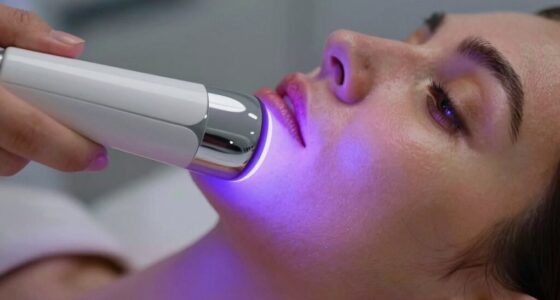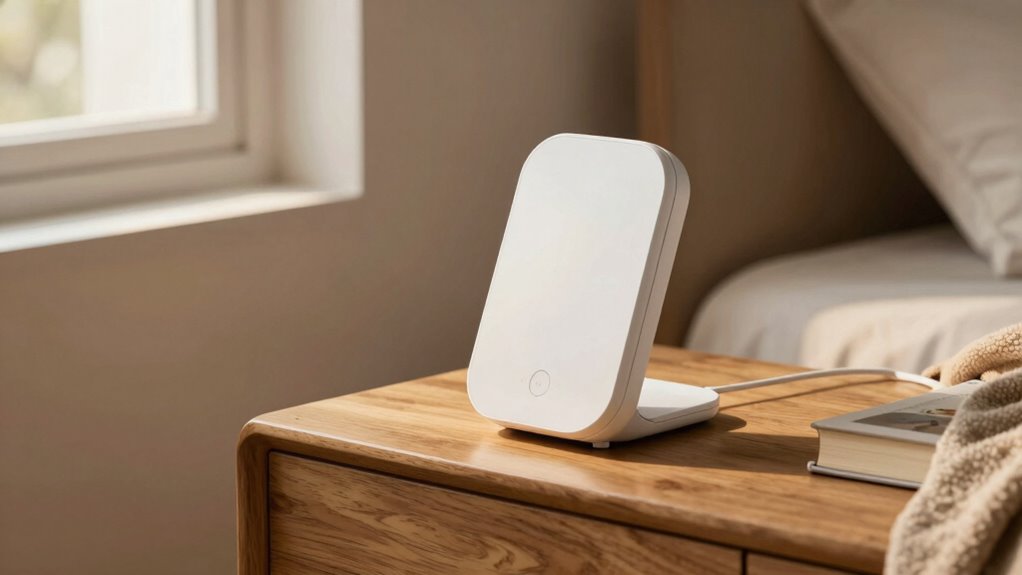

Traveling with a light therapy device is quite easy if you plan ahead. Make sure to pack it securely in a padded case and bring along extra batteries or a portable power bank. Check your airline’s guidelines and international regulations for electronics to avoid surprises. Use universal adapters if needed, and keep your device fully charged for immediate use. With proper preparation, maintaining your therapy routine while on the go is simple—learn more about how to make it even easier.

Get wellness gear delivered free — and shop member deals
- Fast, free delivery on millions of items
- Access to Prime Big Deal Days deals on October 6–7
- Prime Video, Amazon Music and more included
Key Takeaways
- Most light therapy devices are compact and lightweight, making them travel-friendly and easy to carry in luggage.
- Ensure the device complies with airline and security regulations for electronic devices before travel.
- Use protective cases and secure packing to prevent damage during transit.
- Check voltage and plug compatibility for international travel, and carry adapters if needed.
- Fully charge the device and any batteries beforehand to ensure immediate use at your destination.

Traveling with a light therapy device is more feasible than you might think, but it does require some planning. While the idea of packing a medical device might seem intimidating, understanding the practical aspects can make the process smoother. One of the first considerations is travel restrictions, which can vary depending on your destination and mode of transportation. Before you pack, check the rules for flying with electronic devices, especially those that emit bright light or contain batteries. Airlines and security agencies may have specific guidelines about carrying such devices in carry-on luggage, so it’s best to review their policies beforehand.
Device portability is another key factor to bear in mind. Modern light therapy devices are designed with travel in mind—they are generally compact, lightweight, and easy to pack. Look for models labeled as travel-friendly, which often come with protective cases and are slim enough to fit in your bag without taking up much space. Portable devices usually operate on standard power sources or batteries, making them convenient for use during flights, hotel stays, or outdoor excursions. If you choose a device that runs on batteries, make sure you carry extra batteries or a power bank, especially if you plan on using it multiple times a day. This way, you avoid the inconvenience of running out of power in unfamiliar environments.
Transporting your device securely is also important. To prevent damage, keep it in a padded case or a dedicated compartment in your luggage. If your device has a rechargeable battery, make sure it’s fully charged before you leave, so you can start therapy right away without needing access to power outlets. When traveling internationally, be aware of voltage and plug compatibility, and consider bringing a universal adapter if necessary. Additionally, understanding biodiversity and its impact can encourage more mindful travel choices that support conservation efforts. Being aware of electronic device regulations in different countries can help prevent unexpected issues at customs or security checkpoints. Moreover, packing a lightweight travel accessories kit can make your experience more comfortable and hassle-free. Planning for electronic compatibility ensures your device works seamlessly wherever you go, avoiding any unnecessary disruptions.
It’s also worthwhile to familiarize yourself with any international travel restrictions related to electronic devices to avoid surprises during your trip. While some countries or airlines might have specific restrictions about electronic devices, most travelers find that with a little foresight, carrying a light therapy device is straightforward. By planning ahead, researching travel restrictions, and choosing a portable model, you can maintain your routine without much hassle. Traveling with your light therapy device doesn’t have to be complicated—it can seamlessly fit into your travel plans, helping you stay on track with your light therapy schedule wherever you go.
travel-friendly light therapy device
As an affiliate, we earn on qualifying purchases.
As an affiliate, we earn on qualifying purchases.
Frequently Asked Questions
Are Light Therapy Devices Tsa-Approved for Carry-On Luggage?
Yes, light therapy devices are generally TSA-approved for carry-on luggage. When considering travel safety and carry-on regulations, make sure your device is compact and within the size limits set by airline policies. Pack it in your carry-on, and be prepared to explain its purpose if asked. Always check specific airline rules beforehand, as regulations can vary, but most light therapy devices pass security screening without issues.
What Is the Best Travel Case for a Light Therapy Device?
The best travel case for your light therapy device is one that offers excellent device durability and fits well into your travel accessories collection. Look for a padded, hard-shell case that protects against bumps and shocks. Compact and lightweight cases are ideal, making it easier to carry and store. Make certain it has enough space for accessories like power cords. This way, your device stays safe and ready to use wherever your travels take you.
Do Portable Light Therapy Devices Require Batteries or Adapters?
Most portable light therapy devices use batteries or power adapters. About 70% of these devices run on rechargeable batteries like lithium-ion, making them convenient for travel. Some models come with power adapters for wall use, but many are designed for battery operation to guarantee portability. Check your device’s specifications to see if it requires specific battery types or adapters, so you’re prepared wherever your travels take you.
Can I Use a Light Therapy Device on a Plane?
Yes, you can use a light therapy device on a plane, but you need to take into account light therapy safety and travel convenience. Make sure your device is compact, lightweight, and approved for airline carry-on regulations. Keep it in your carry-on to prevent damage and easily access it when needed. Check airline policies and security guidelines to avoid issues. Using your device during flight can help manage jet lag and improve comfort during travel.
Are There Size or Weight Restrictions for Traveling With These Devices?
A journey of a thousand miles begins with a single step, and that applies to traveling with your light therapy device too. There are size and weight restrictions, but many devices are designed with portability and travel-friendly features in mind. You should check airline regulations, but generally, compact and lightweight devices fit easily in carry-ons, making your travel experience smoother. Always pack your device carefully to meet airline safety standards.
portable light therapy lamp with batteries
As an affiliate, we earn on qualifying purchases.
As an affiliate, we earn on qualifying purchases.
Conclusion
Traveling with a light therapy device is more manageable than you might think, especially with compact models designed for portability. Did you know that over 60% of users take their devices on trips? This shows how essential maintaining your routine can be, even on the go. With a little planning, you can easily carry your device wherever life takes you, helping you stay energized and balanced, no matter where you are.
light therapy device protective case
As an affiliate, we earn on qualifying purchases.
As an affiliate, we earn on qualifying purchases.
universal travel adapter for electronics
As an affiliate, we earn on qualifying purchases.
As an affiliate, we earn on qualifying purchases.
Fall Picks
fall essentials
As an affiliate, we earn on qualifying purchases.